
William Fraser of Reelig (1784–1835) — History & Facts
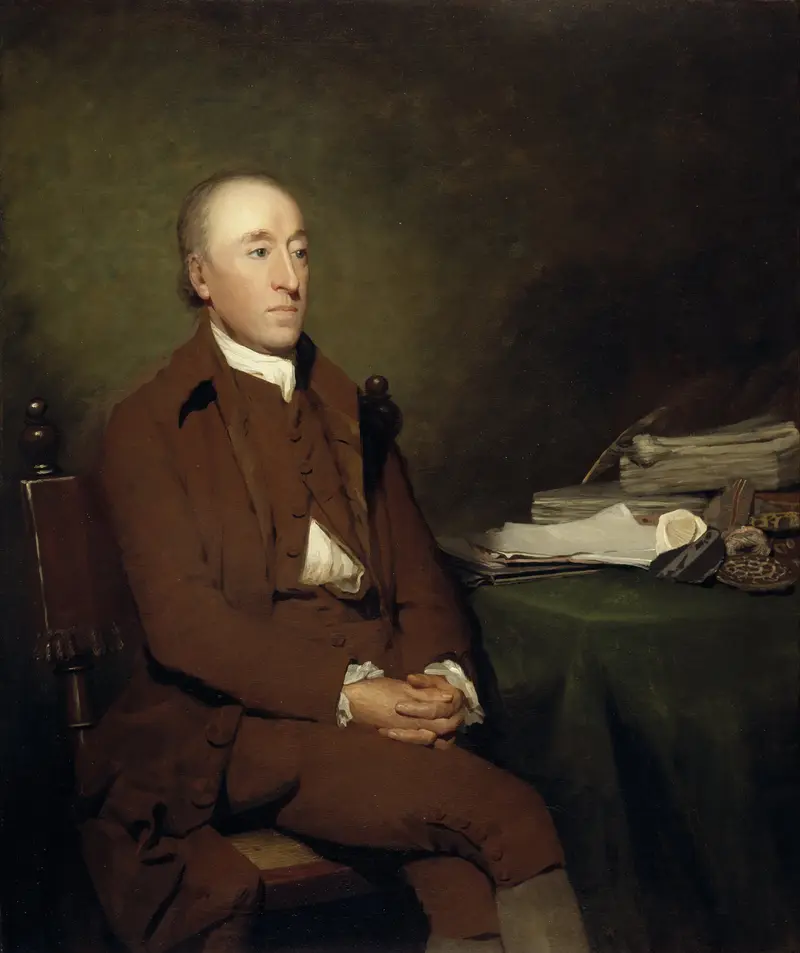
In the early nineteenth century, Sir Henry Raeburn became the portraitist of choice for Scotland’s rising gentry, and among his sitters was William Fraser of Reelig—descendant of a storied Highland family and laird of Reelig House. What makes this portrait remarkable is that it captures not only a man but a moment of Scottish identity in flux: Fraser, born in 1784, lived through the aftermath of the Jacobite uprisings and witnessed the transformation of the Highlands from clan stronghold to modern estate. The painting’s commission, though undated, likely coincided with Fraser’s inheritance of Reelig in 1815, a time when landowners sought to assert their status and lineage through art. Raeburn’s brush fixes Fraser in a pose that blends dignity with approachability—a hallmark of the artist’s mature style.
The sitter’s direct gaze and relaxed posture suggest both confidence and candor, while the dark, restrained background focuses attention on Fraser’s intelligent features and the subtle textures of his attire. The absence of overt symbols—no tartan, no sword—invites the viewer to read character rather than legend, a contrast to the theatricality seen in contemporaneous portraits by Sir Thomas Lawrence. Instead, Raeburn’s light models Fraser’s face with clarity, emphasizing individuality over grandeur. The painting’s precise early history is uncertain, as is common with many Raeburn portraits, which often remained in private family collections for generations.
William Fraser of Reelig (1784–1835) is typical of Raeburn’s late commissions, reflecting the artist’s enduring popularity among Scotland’s landed elite until his death in 1823. Today, the portrait stands as both a record of a particular Scottish lineage and an example of Raeburn’s ability to merge psychological insight with the conventions of portraiture. Its current location and provenance are not widely published, but it remains an important piece for understanding the social ambitions and personal narratives of the Scottish gentry in the age of Enlightenment and Reform.
Sources: Wikidata Q20186569
More Artworks by Sir Henry Raeburn

Portrait of Hugh Hope
Sir Henry Raeburn
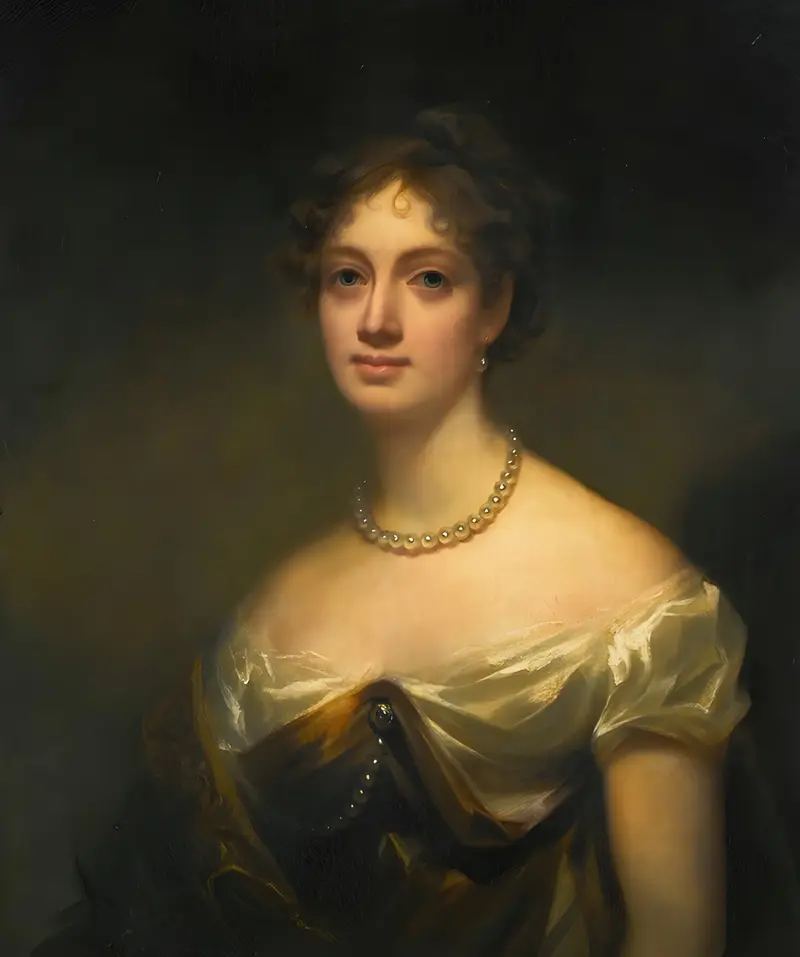
Portrait Of Anne Blair Maconochie Welwood Of Garvock, Lady Meadowbank (1784–1866)
Sir Henry Raeburn
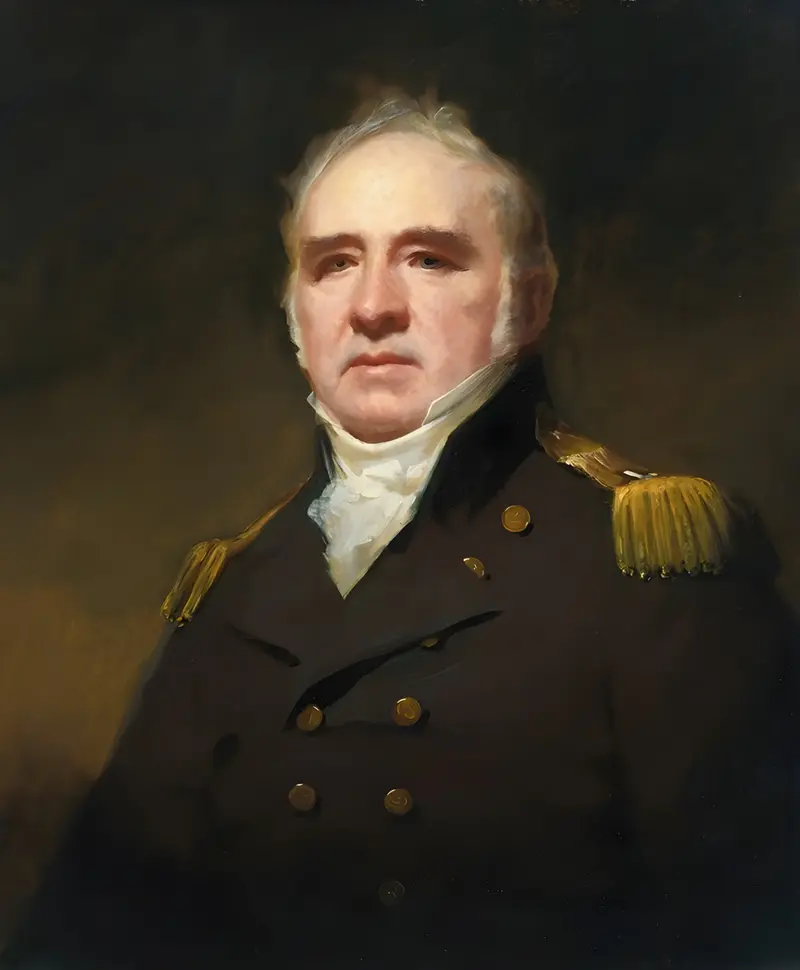
Portrait Of Captain James Forbes-Drummond, R.N., Of Hawthornden
Sir Henry Raeburn
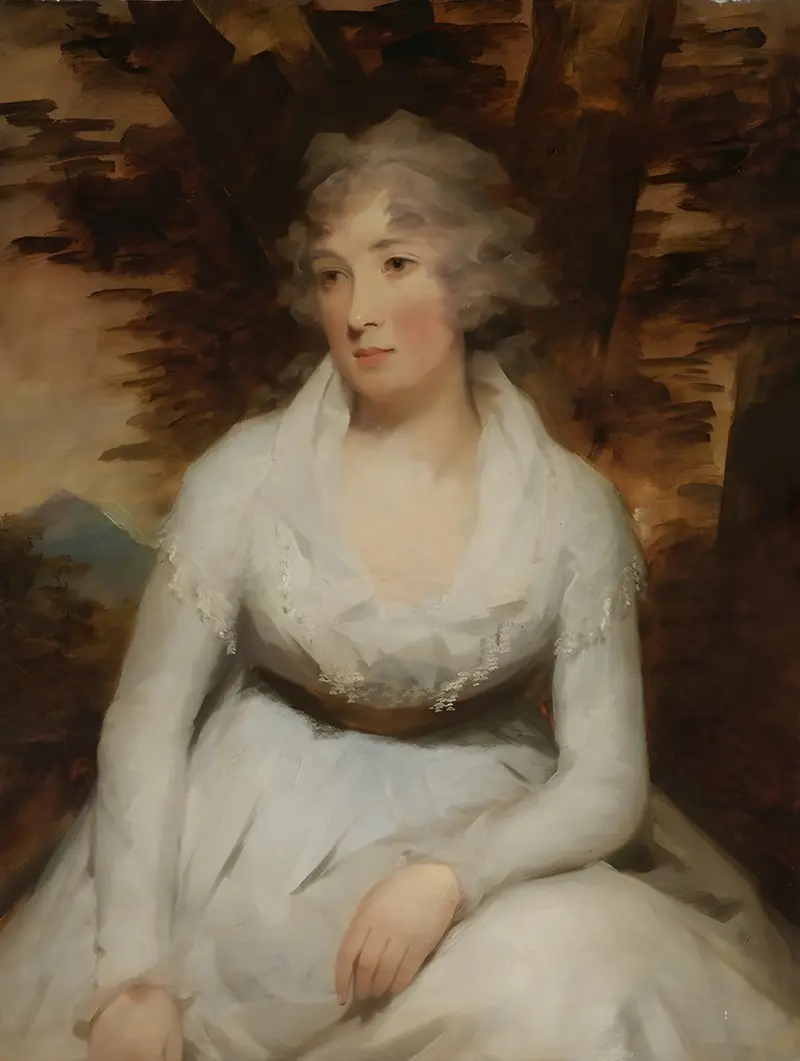
Miss Elizabeth Dalrymple (afterwards Mrs. George Leith)
Sir Henry Raeburn
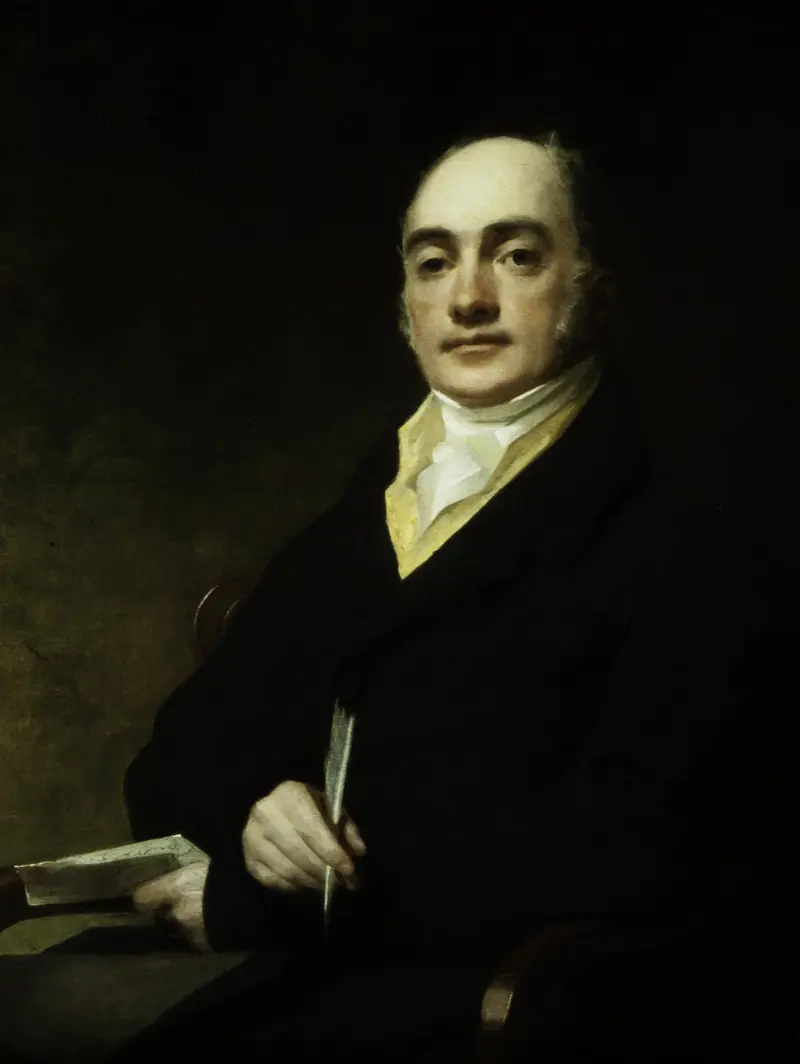
Portrait of John Baillie (1772-1833)
Sir Henry Raeburn
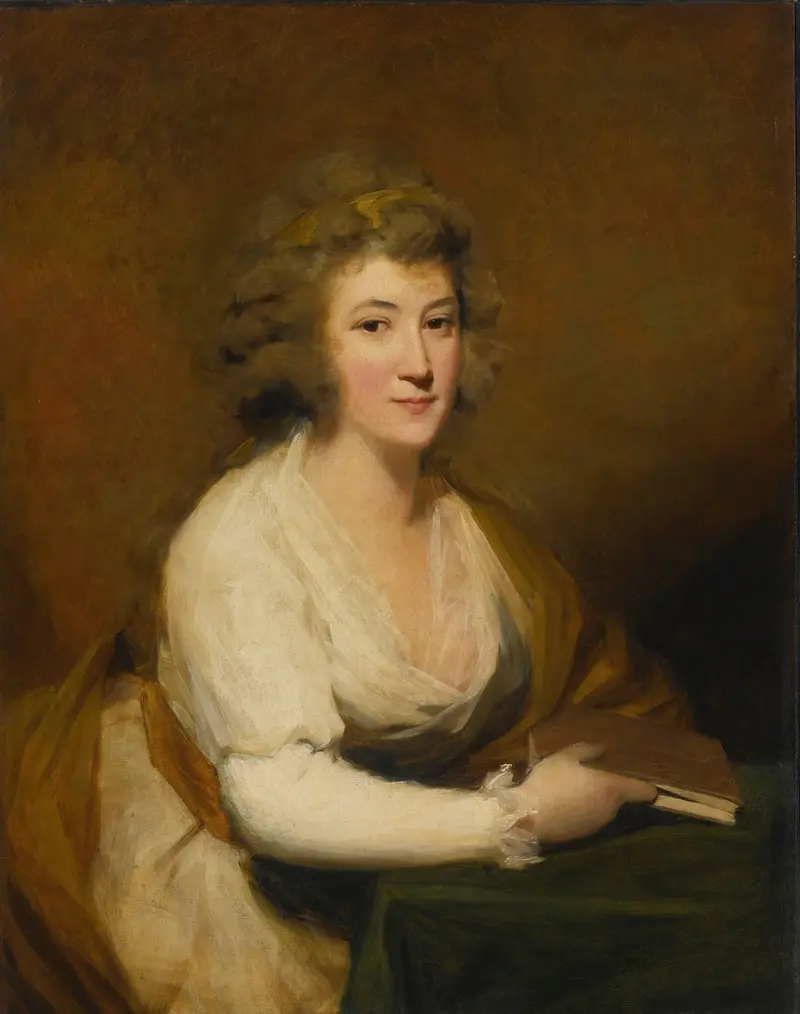
Portrait Of Lady Nasmyth, In A White Dress And Brown Shawl, Seated At A Table, Holding A Book
Sir Henry Raeburn
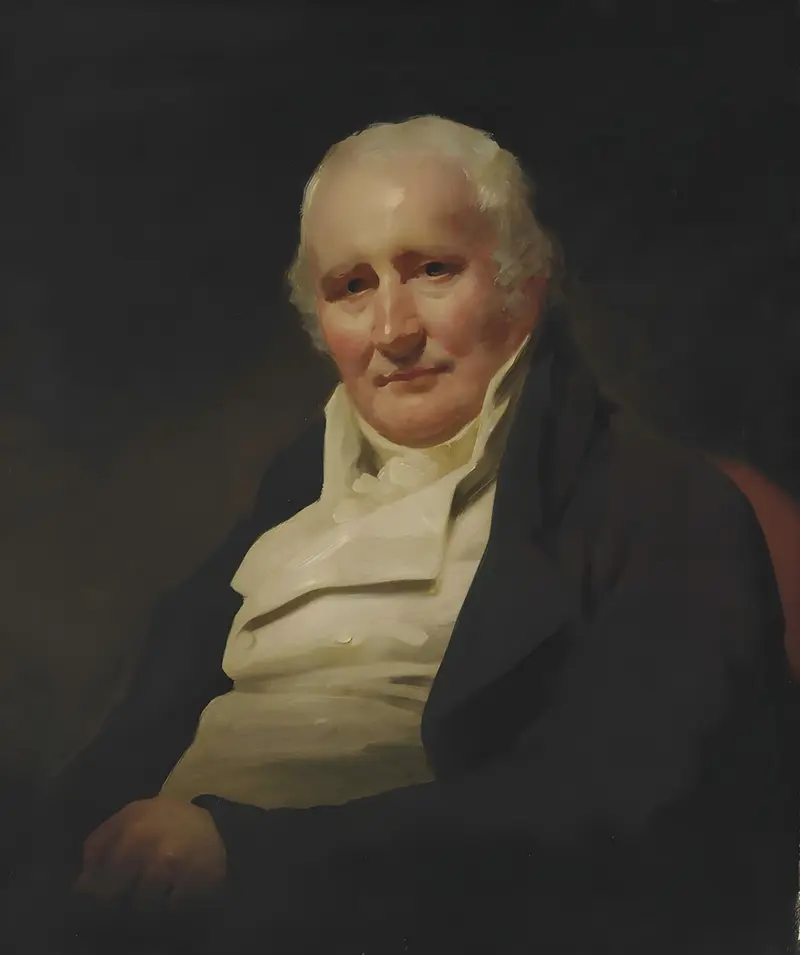
Portrait Of Mr. Spottiswood
Sir Henry Raeburn
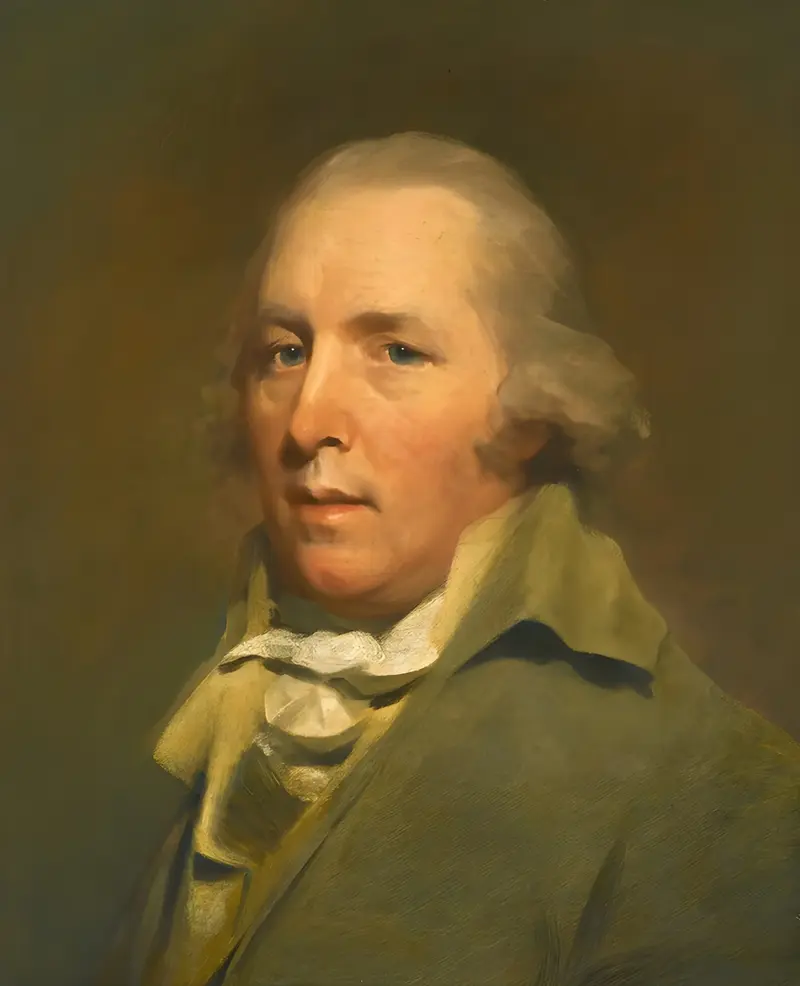
Portrait Of The Reverend John Home (1722-1808)
Sir Henry Raeburn
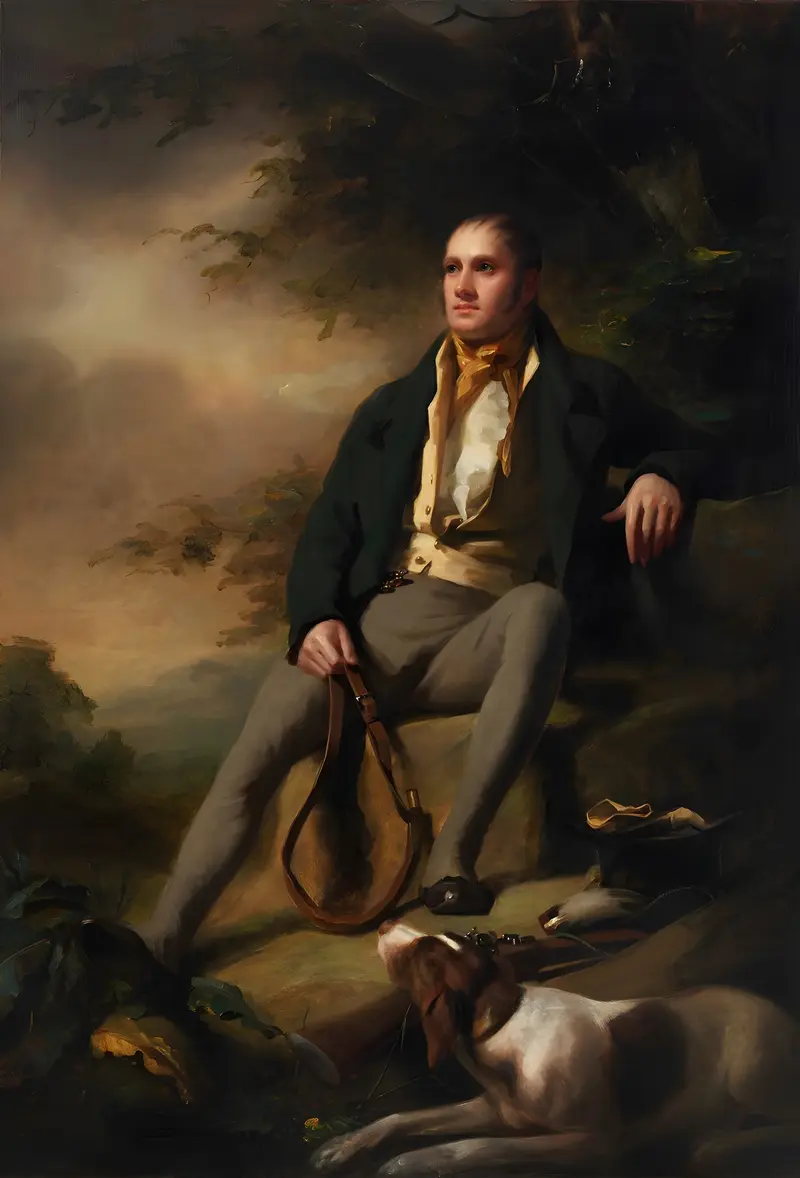
Portrait of William Hunt (c.1796-1854), Pittencrief House, Dunfermline
Sir Henry Raeburn
James Hutton, 1726 – 1797. Geologist
Sir Henry Raeburn





