
Portrait Of The Reverend John Home (1722-1808) — History & Facts
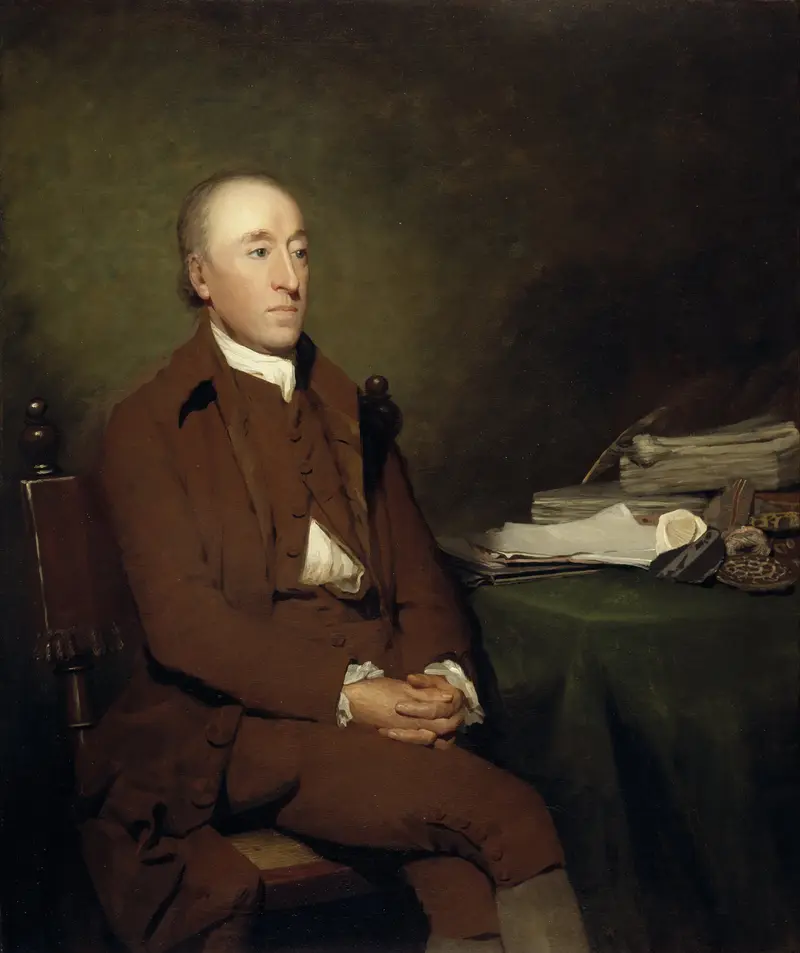
When Sir Henry Raeburn painted Portrait Of The Reverend John Home (1722-1808), he captured not just a man but a living link to the Scottish Enlightenment. John Home, best remembered as the author of the once-controversial tragedy Douglas, was at the center of Edinburgh’s literary circles, counting David Hume and Adam Smith among his friends. The play’s debut in 1756 caused a sensation, drawing both acclaim and censure from the Church of Scotland, which viewed the theater with suspicion.
This portrait, then, is more than a likeness: it is a record of a figure who stood at the crossroads of faith and art, intellect and controversy. Raeburn chooses a moment of quiet reflection, presenting Home seated, his gaze steady and introspective. The reverend’s black clerical dress is rendered with Raeburn’s characteristic attention to texture, while the soft fall of light across his face highlights the lines of age and thought. There is no dramatic gesture, only the calm dignity of a man who has weathered storms both personal and public.
The restrained palette and direct gaze recall Raeburn’s portraits of other Scottish luminaries, such as his celebrated Sir Walter Scott, yet here the painter’s brush lingers on the subtle interplay of intellect and humility. The absence of theatrical props or overt symbols invites the viewer to seek meaning in character rather than costume. The exact circumstances of the portrait’s commission remain unclear, as does its original destination—an uncertainty not uncommon with Raeburn’s works from this period. What is certain is that Portrait Of The Reverend John Home stands as a testament to the artist’s deep engagement with the personalities shaping Scottish society at the turn of the nineteenth century.
Raeburn’s reputation as the leading portraitist of his era was built on such intimate studies, which found their way into private collections and, later, public galleries. Today, the painting endures as both a historical document and a window into the quiet power of character, its journey from the artist’s Edinburgh studio to the museum wall a story in itself.
More Artworks by Sir Henry Raeburn

Portrait of Hugh Hope
Sir Henry Raeburn
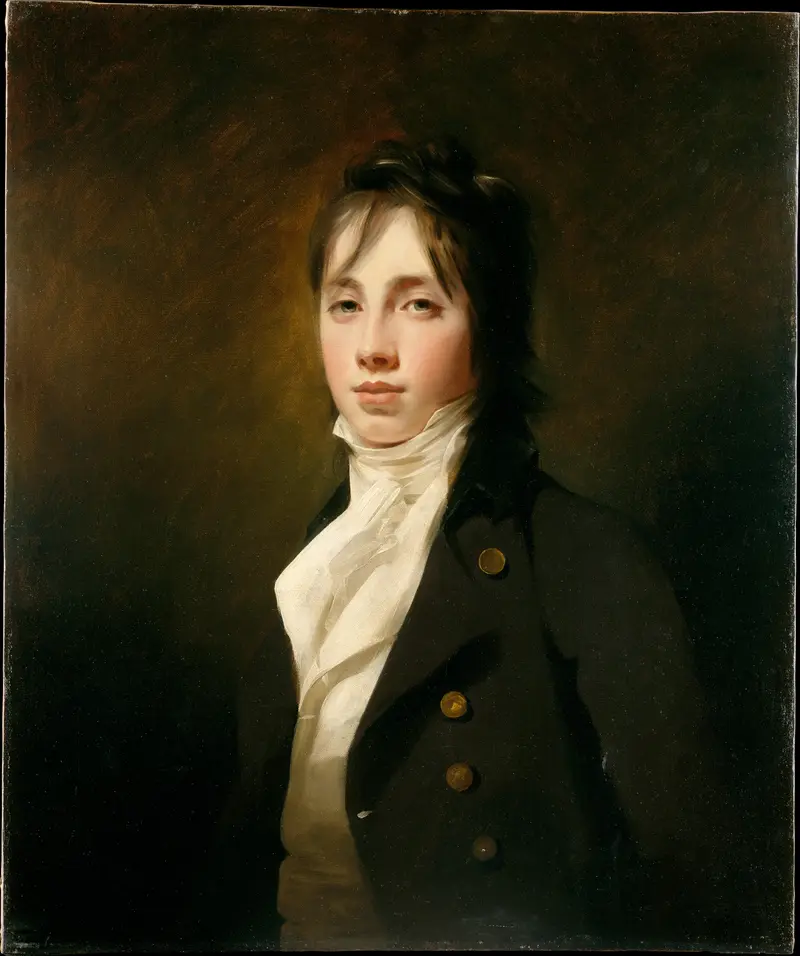
William Fraser of Reelig (1784–1835)
Sir Henry Raeburn
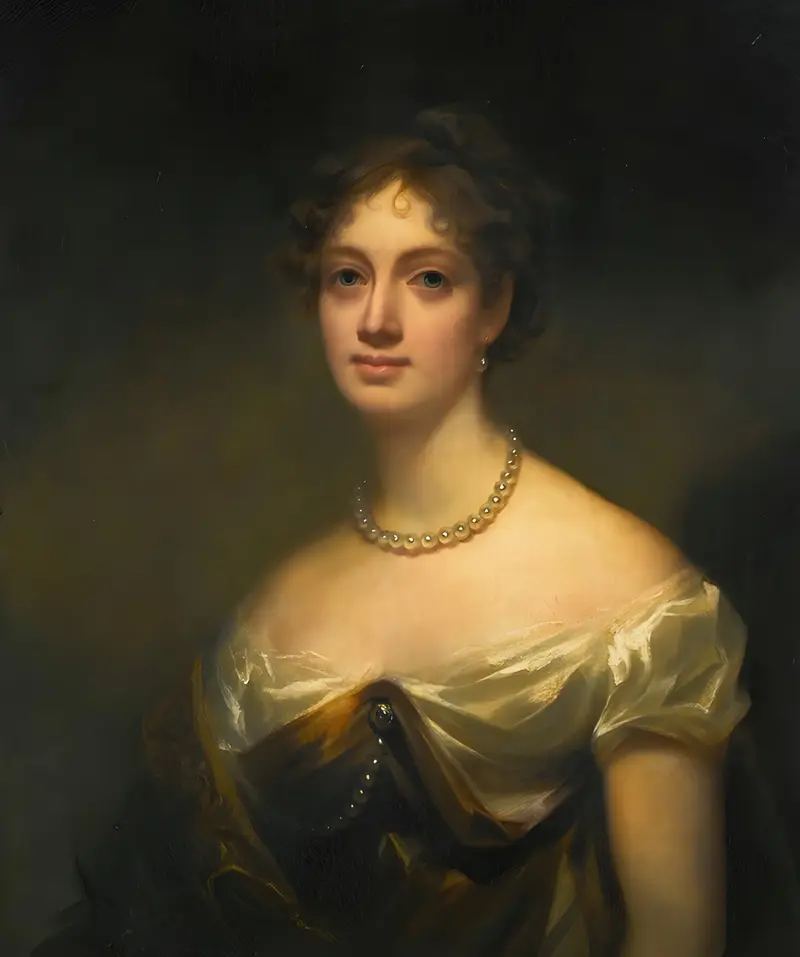
Portrait Of Anne Blair Maconochie Welwood Of Garvock, Lady Meadowbank (1784–1866)
Sir Henry Raeburn
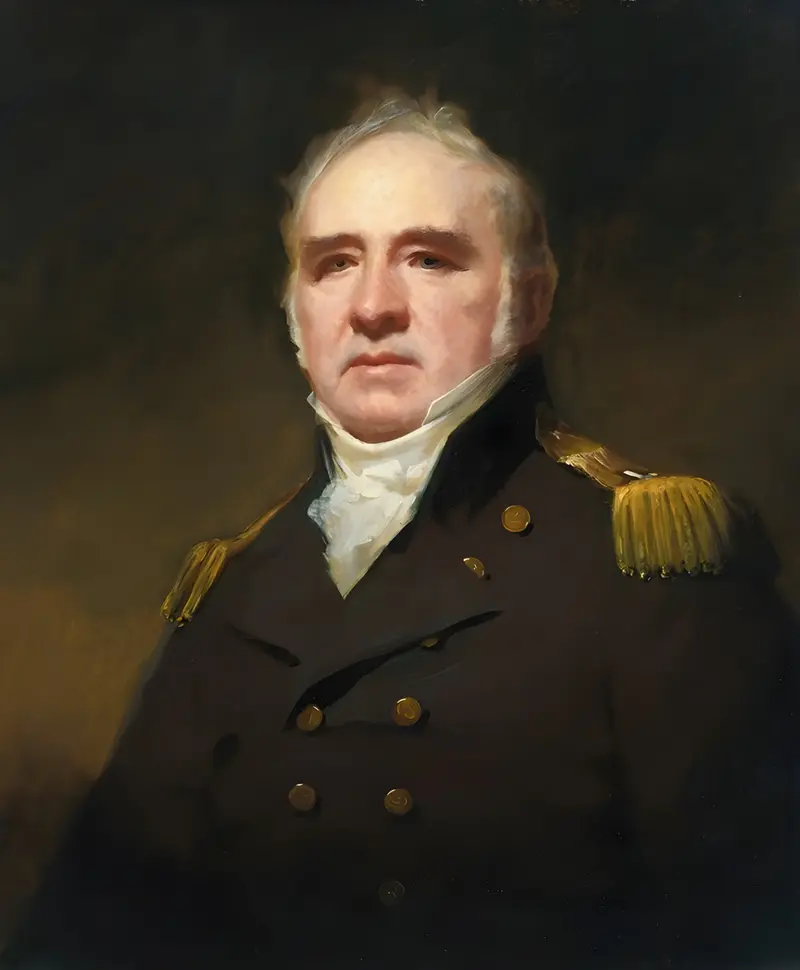
Portrait Of Captain James Forbes-Drummond, R.N., Of Hawthornden
Sir Henry Raeburn
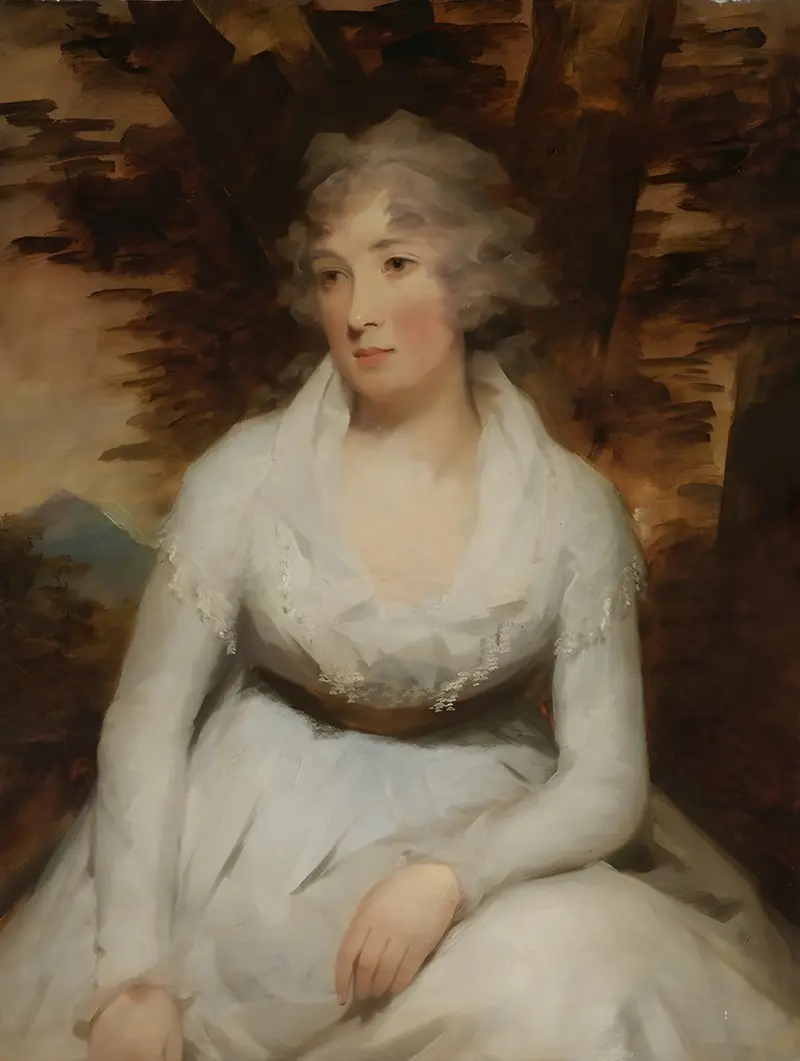
Miss Elizabeth Dalrymple (afterwards Mrs. George Leith)
Sir Henry Raeburn
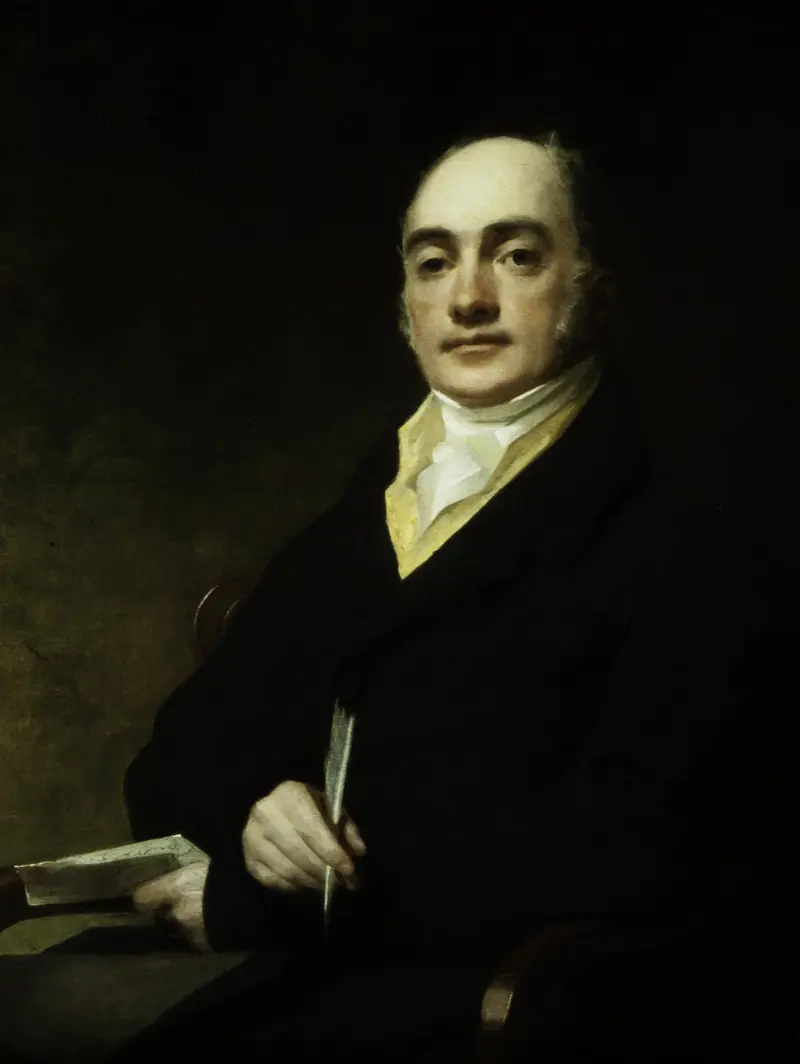
Portrait of John Baillie (1772-1833)
Sir Henry Raeburn
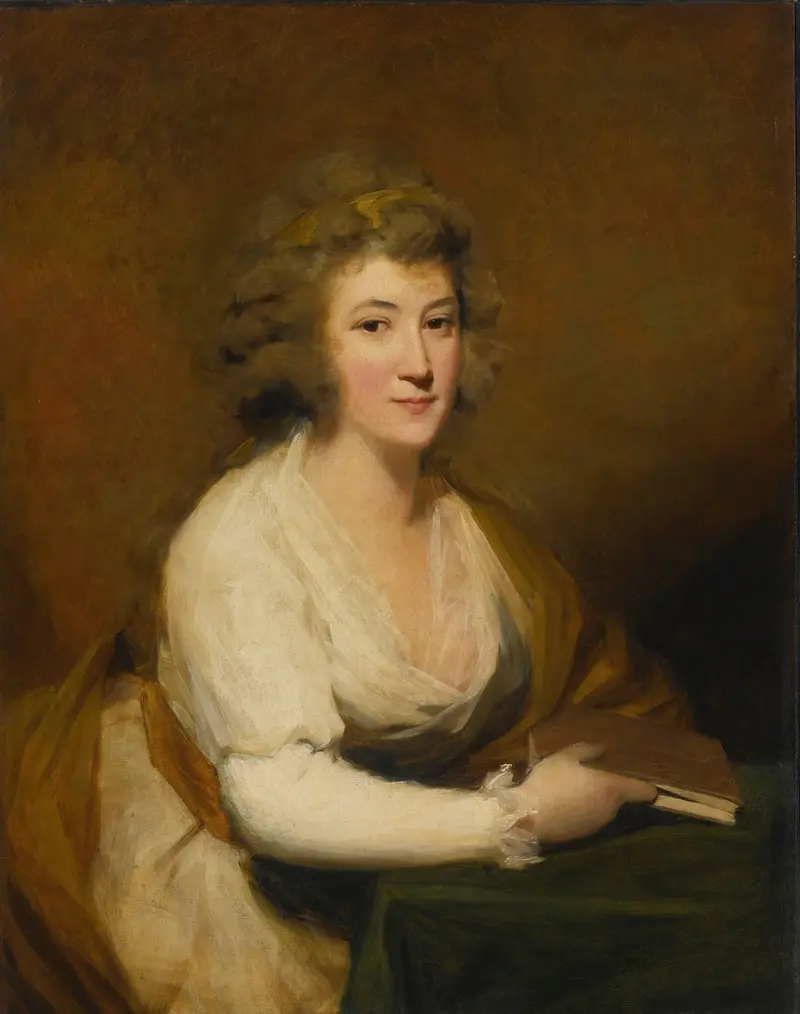
Portrait Of Lady Nasmyth, In A White Dress And Brown Shawl, Seated At A Table, Holding A Book
Sir Henry Raeburn
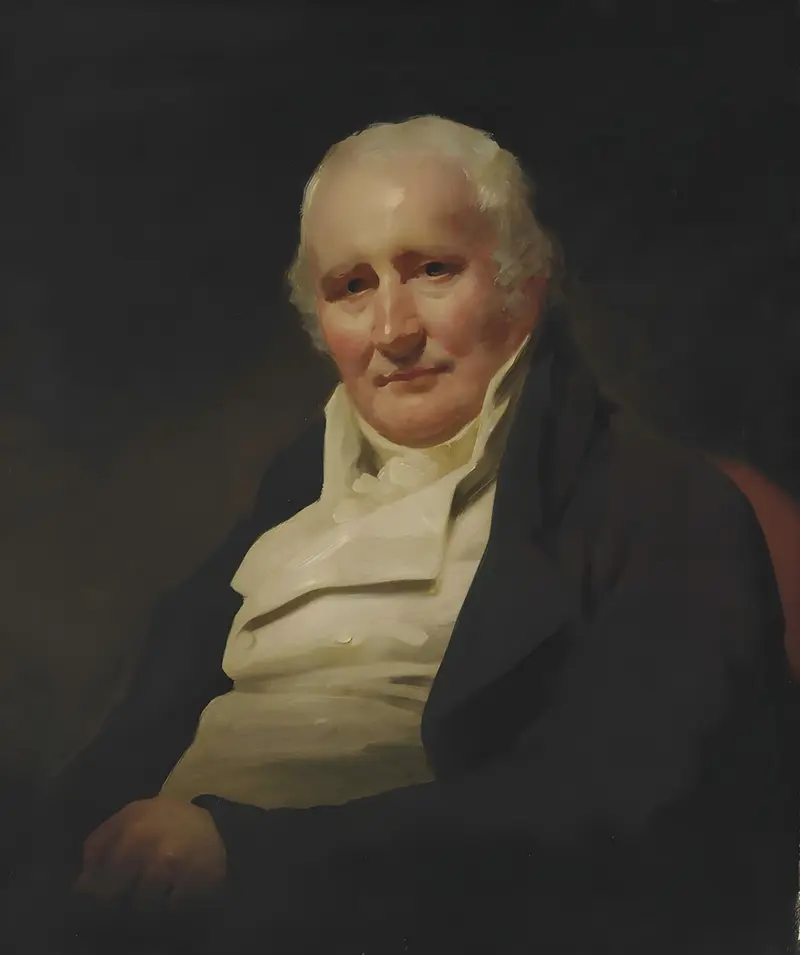
Portrait Of Mr. Spottiswood
Sir Henry Raeburn
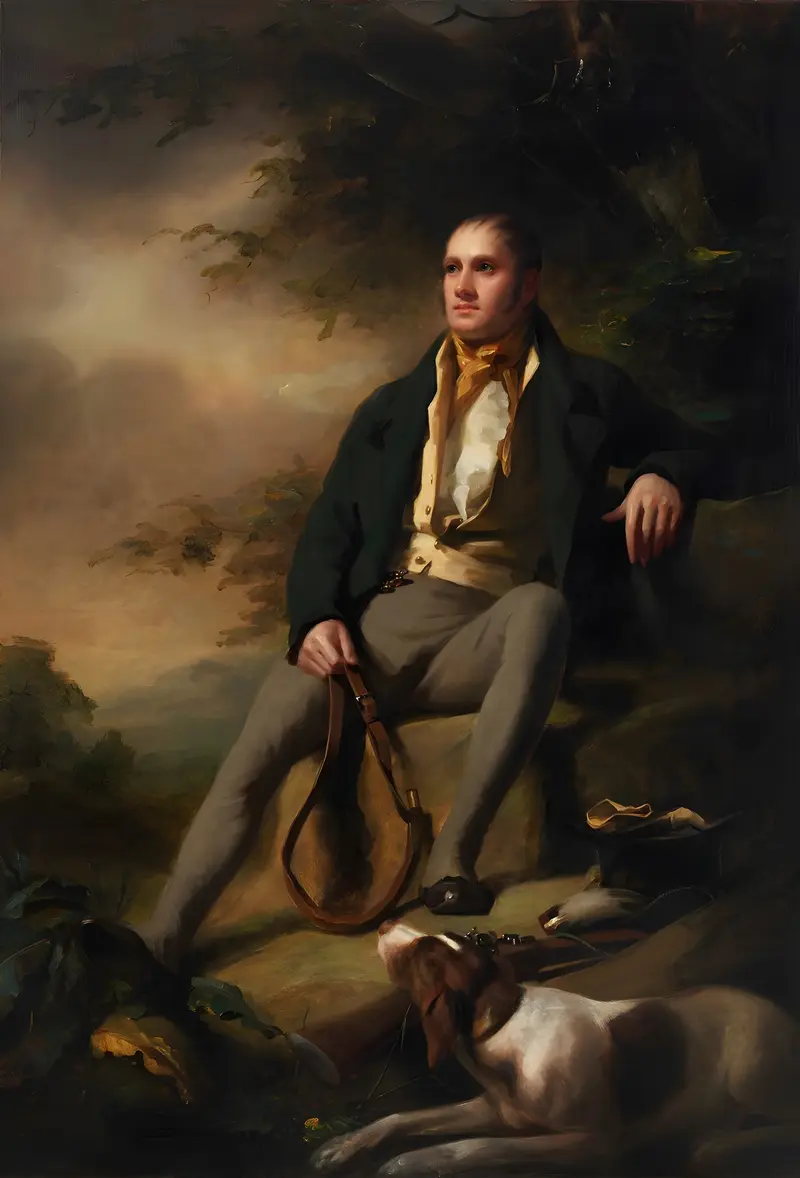
Portrait of William Hunt (c.1796-1854), Pittencrief House, Dunfermline
Sir Henry Raeburn
James Hutton, 1726 – 1797. Geologist
Sir Henry Raeburn





