
Portrait Of Captain James Forbes-Drummond, R.N., Of Hawthornden — History & Facts
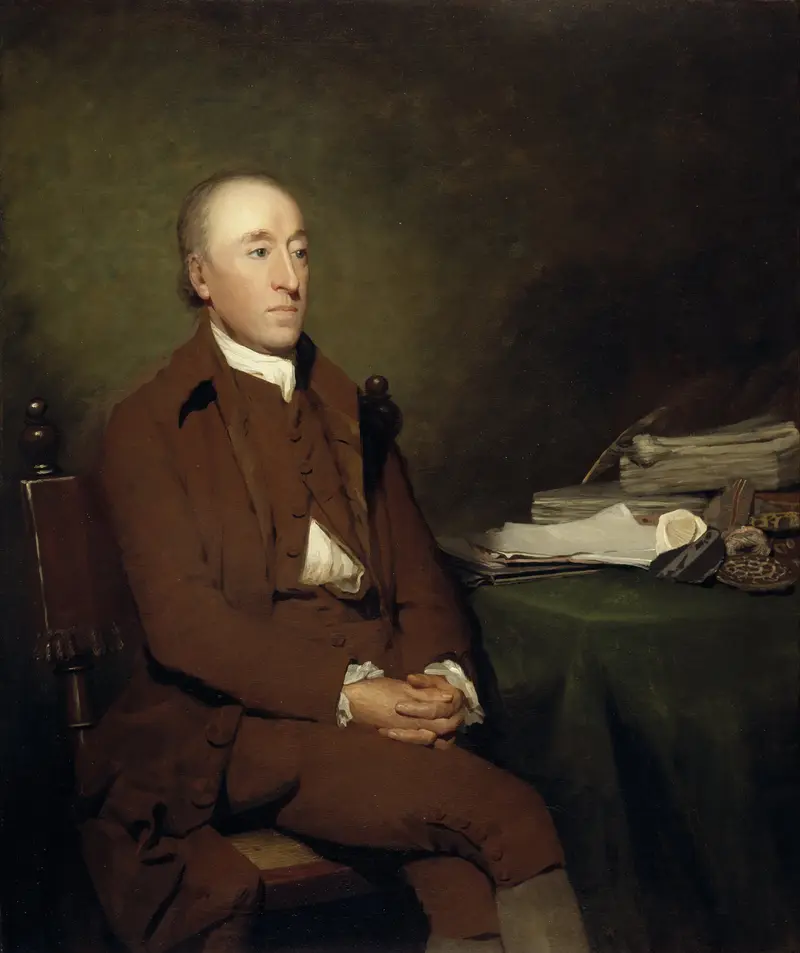
When Sir Henry Raeburn painted Portrait Of Captain James Forbes-Drummond, R.N., Of Hawthornden, he was capturing not only a distinguished naval officer but also a member of one of Scotland’s most storied families. The Forbes-Drummond lineage, tied to the historic Hawthornden estate, had long been associated with both military service and literary accomplishment—Hawthornden itself was once home to the poet William Drummond. While the exact date of this portrait remains uncertain, it stands as a testament to the tradition of Scottish portraiture that flourished in the late eighteenth and early nineteenth centuries, when the nation’s rising professional class sought to commemorate their achievements in oil. Raeburn chooses a moment of composed alertness, presenting Captain Forbes-Drummond in full naval regalia, his gaze direct yet thoughtful.
The officer’s hand rests lightly on his sword, a symbol of both readiness and restraint, while the dark, subdued background throws his white collar and gold trim into sharp relief. This interplay of light and shadow, so characteristic of Raeburn, lends the sitter a sense of immediacy and presence. Unlike the theatricality of Thomas Lawrence’s military portraits, Raeburn’s approach is quieter, focusing on the sitter’s inner character rather than external drama.
The result is a portrait that suggests both the burdens and the dignity of command. The painting’s early history is not fully documented, but it likely remained with the Forbes-Drummond family at Hawthornden for generations, as was customary for such commissioned likenesses. Raeburn was in high demand among Scotland’s elite, and this portrait would have been a prized possession, both as a family heirloom and as a mark of social standing. Over the years, the painting has been exhibited as an example of Raeburn’s sensitive approach to character, though its precise journey—from private estate to public collection—remains partly veiled.
Today, it stands as a window into the world of Georgian Scotland, and into the hands of an artist who made his sitters’ presence felt across centuries.
More Artworks by Sir Henry Raeburn

Portrait of Hugh Hope
Sir Henry Raeburn
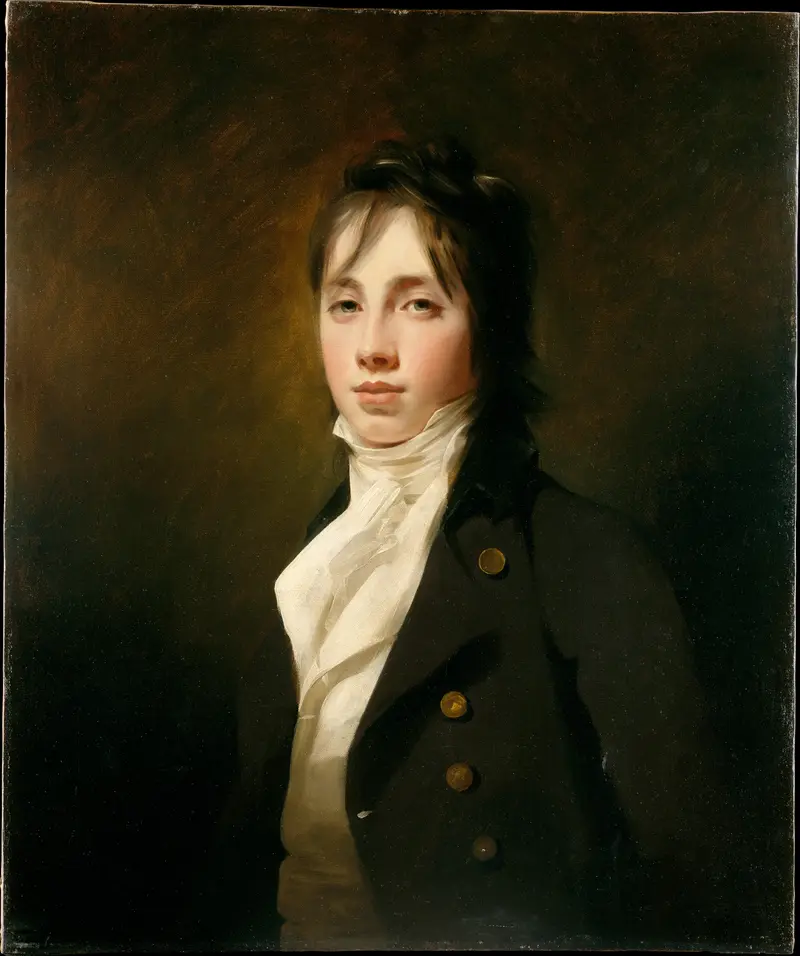
William Fraser of Reelig (1784–1835)
Sir Henry Raeburn
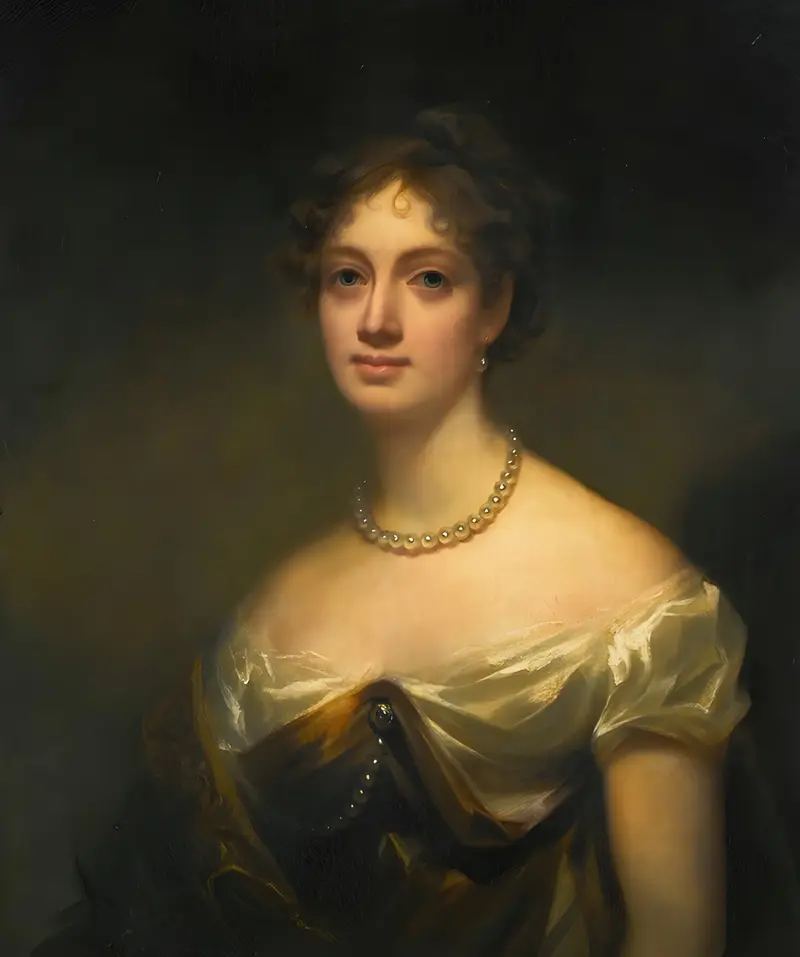
Portrait Of Anne Blair Maconochie Welwood Of Garvock, Lady Meadowbank (1784–1866)
Sir Henry Raeburn
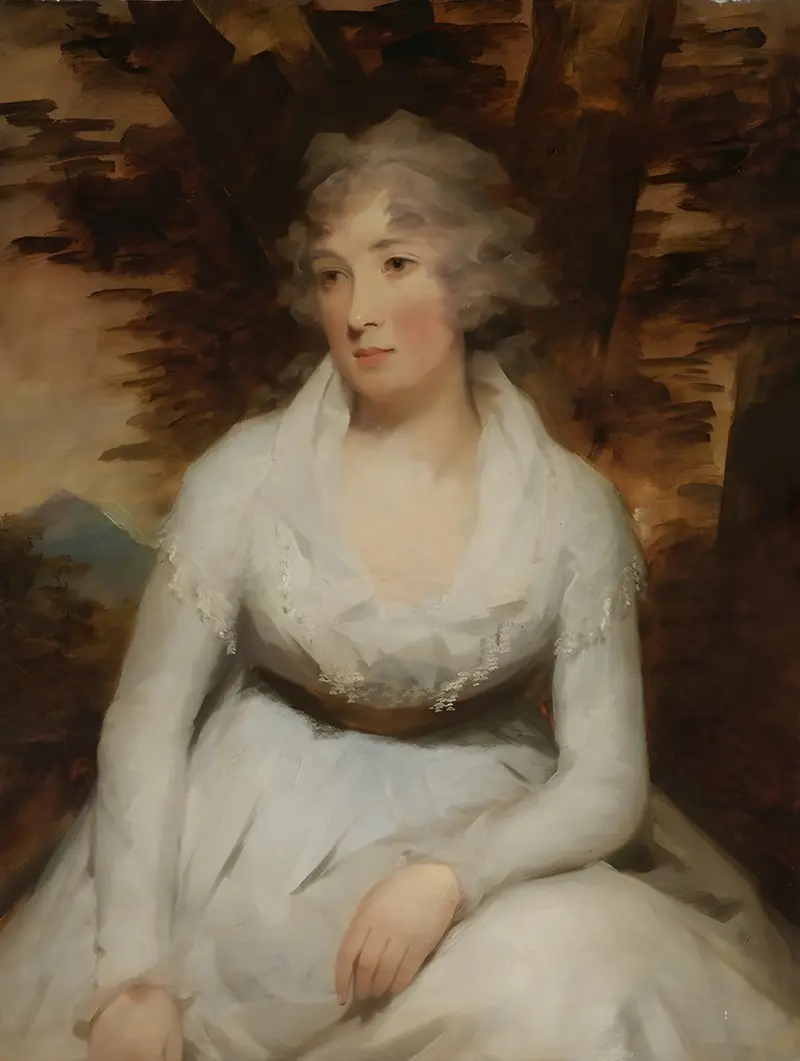
Miss Elizabeth Dalrymple (afterwards Mrs. George Leith)
Sir Henry Raeburn
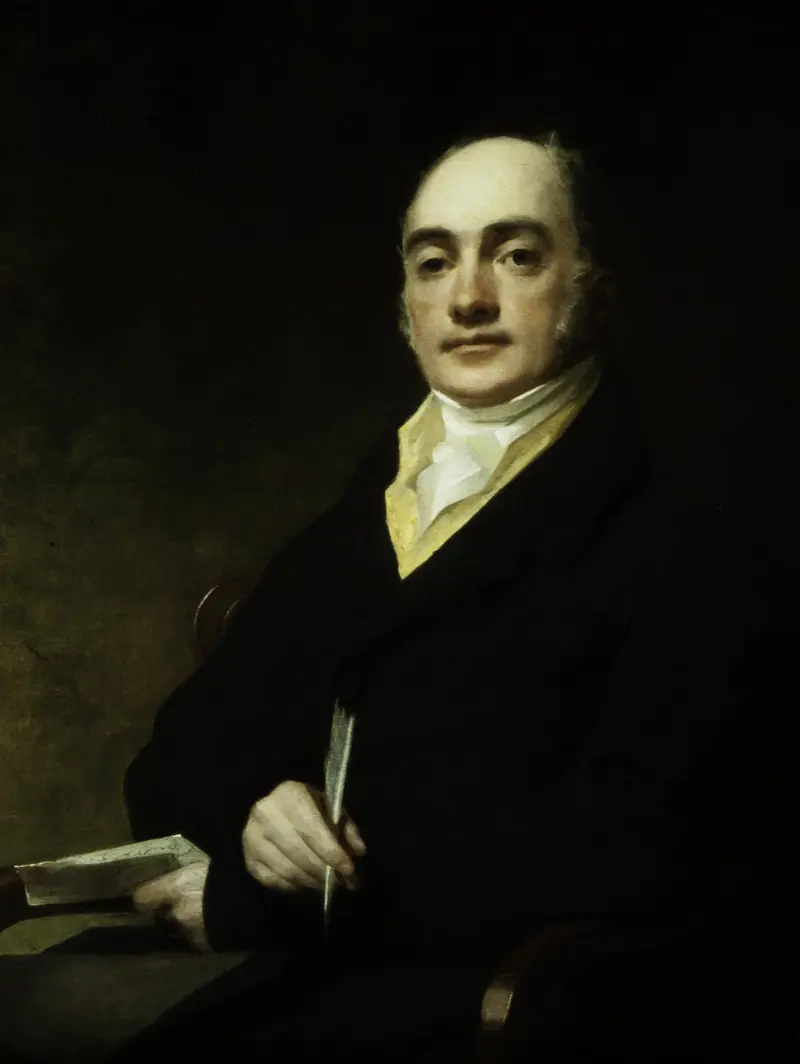
Portrait of John Baillie (1772-1833)
Sir Henry Raeburn
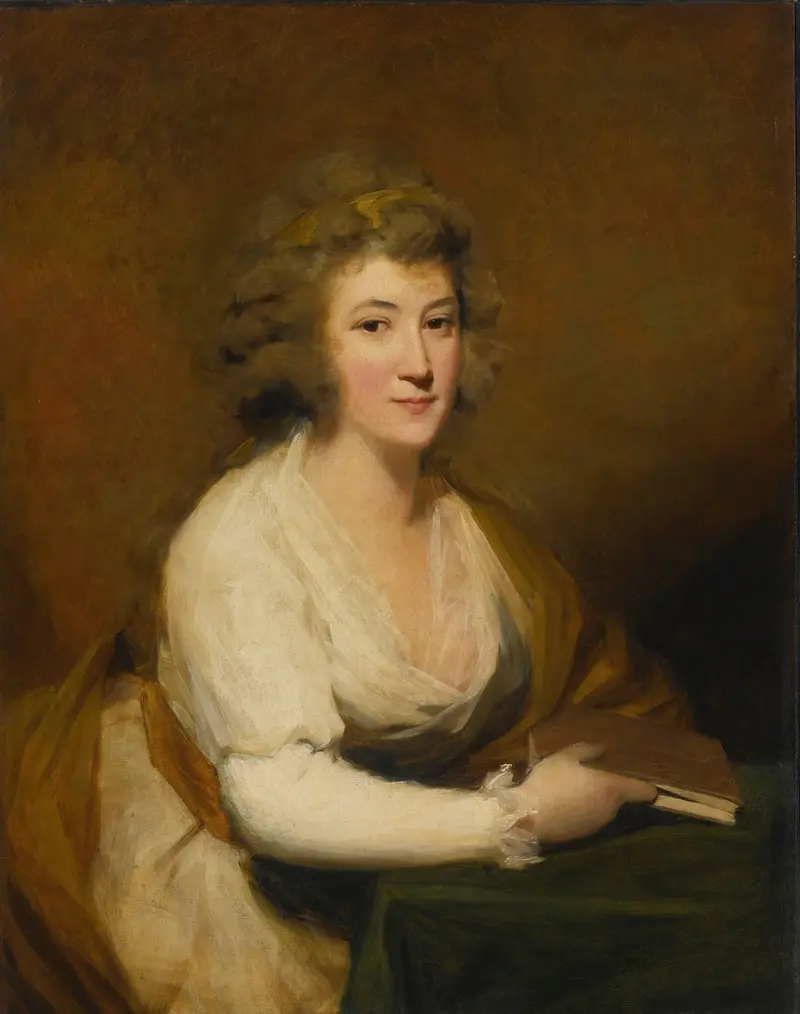
Portrait Of Lady Nasmyth, In A White Dress And Brown Shawl, Seated At A Table, Holding A Book
Sir Henry Raeburn
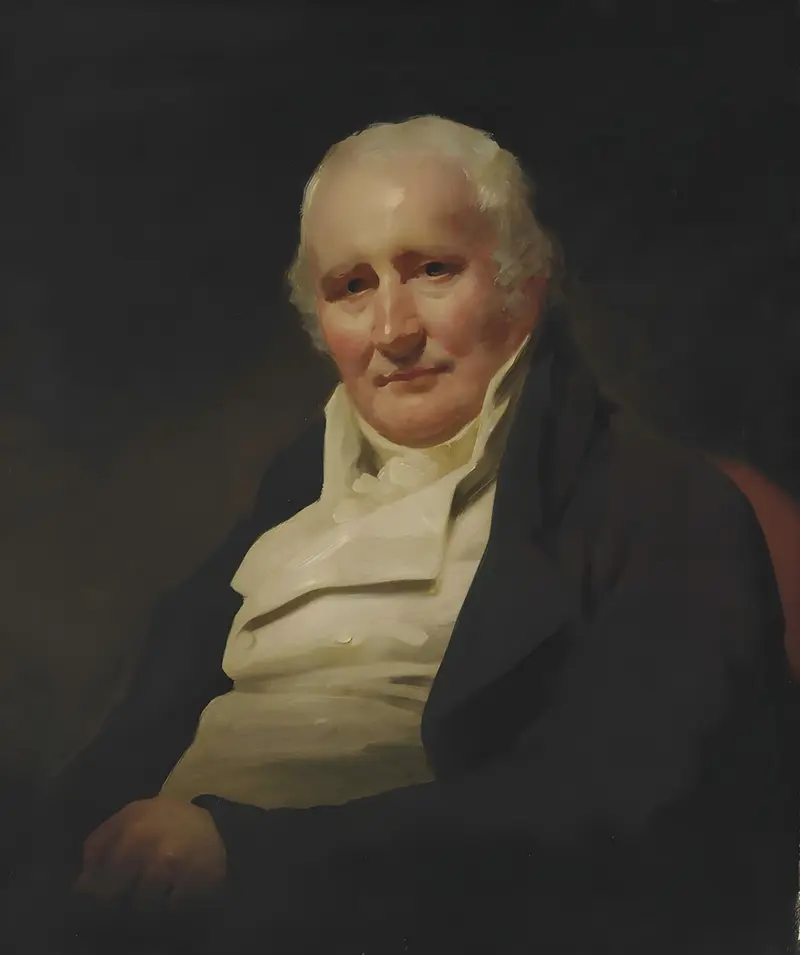
Portrait Of Mr. Spottiswood
Sir Henry Raeburn
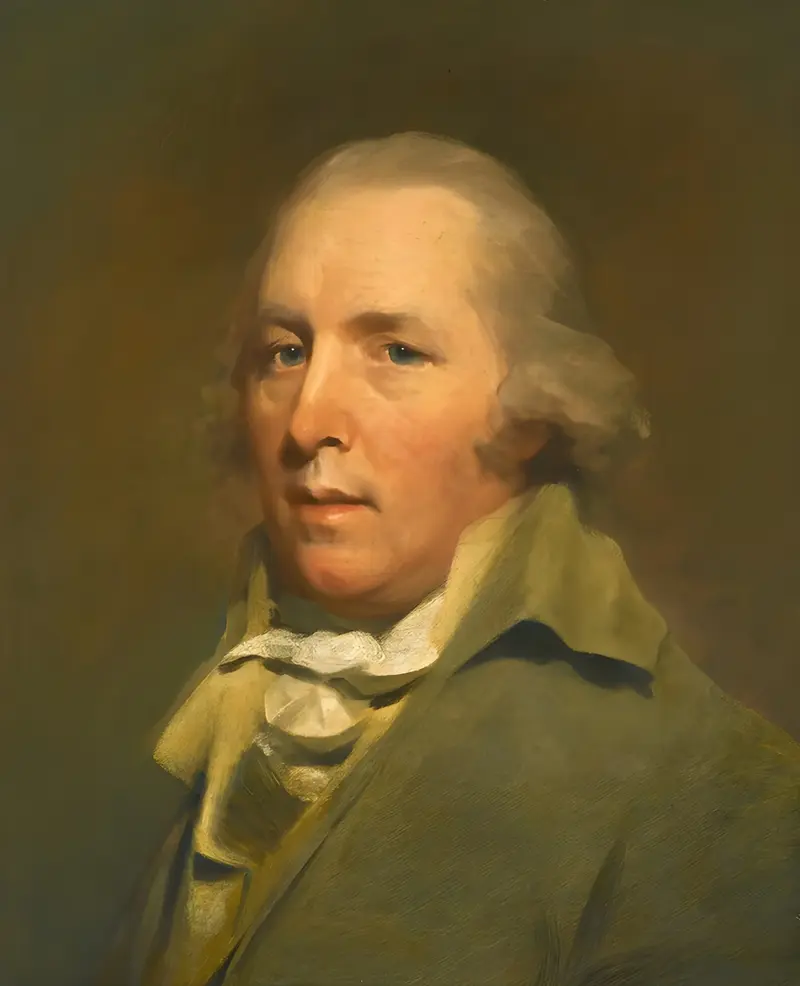
Portrait Of The Reverend John Home (1722-1808)
Sir Henry Raeburn
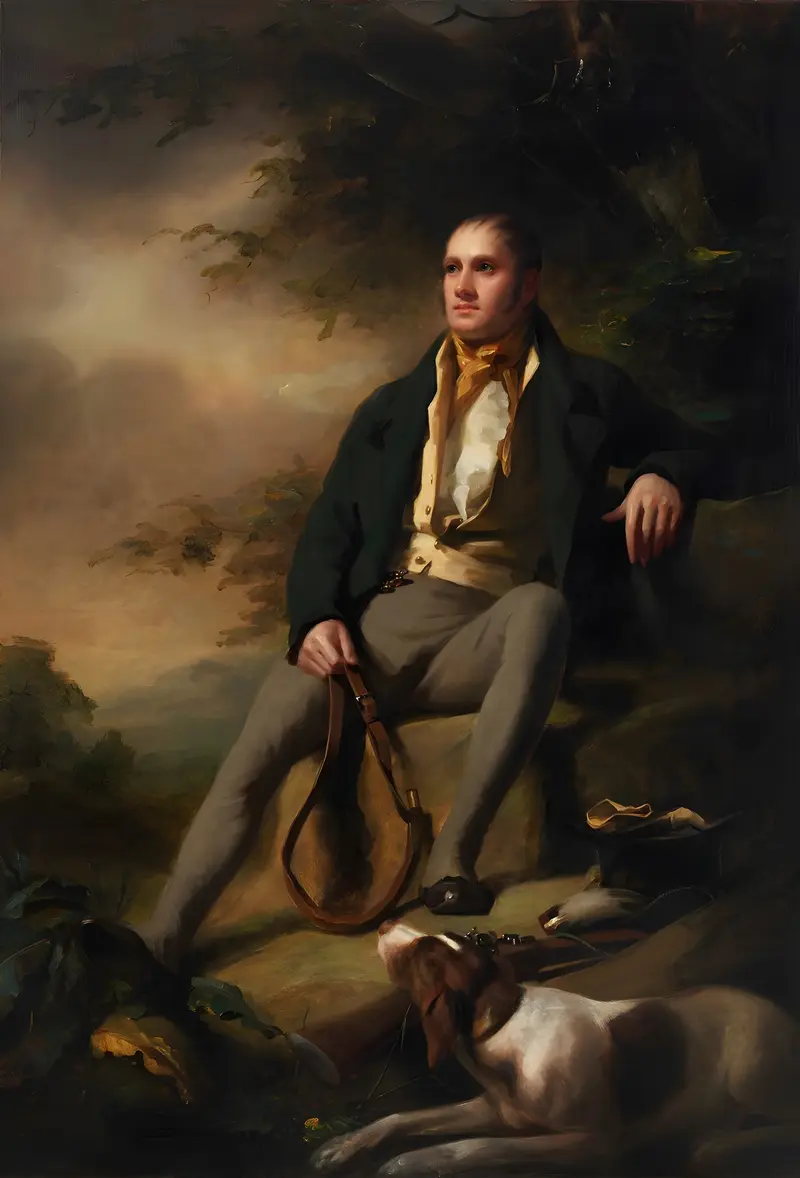
Portrait of William Hunt (c.1796-1854), Pittencrief House, Dunfermline
Sir Henry Raeburn
James Hutton, 1726 – 1797. Geologist
Sir Henry Raeburn





