
Portrait Of Lady Nasmyth, In A White Dress And Brown Shawl, Seated At A Table, Holding A Book — History & Facts
When Sir Henry Raeburn painted Portrait Of Lady Nasmyth, In A White Dress And Brown Shawl, Seated At A Table, Holding A Book, he was working within the close-knit world of Edinburgh’s intellectual elite—a world in which the Nasmyth family played a notable part. The Nasmyths were known for their contributions to art and engineering, and the sitter, likely one of the daughters of Alexander Nasmyth, would have moved in circles that included writers, artists, and inventors. This portrait is remarkable for its intimacy: unlike Raeburn’s grand society commissions, it offers a glimpse into the quieter, private side of Scottish Enlightenment society.
The painting’s provenance is not fully documented, but its subject’s identity and familial connections have long intrigued scholars. Lady Nasmyth sits at a table, her white dress softly illuminated, a brown shawl draped over her shoulders, and a book resting in her hand. Raeburn captures her at a moment of quiet reflection, her gaze turned away from the viewer, suggesting thoughtfulness or perhaps a pause in reading. The book is not just a prop: it signals her education and intellect, qualities increasingly celebrated among women of her class in late 18th- and early 19th-century Scotland.
The simplicity of her attire and the subdued palette focus attention on her face and hands, conveying a sense of calm dignity. Compared to the more theatrical portraits of Thomas Lawrence, Raeburn’s approach here is restrained, emphasizing character over display. The painting’s early history remains somewhat obscure; it likely remained in the Nasmyth family for many years, as was common for Raeburn’s more personal commissions. Over time, works like this have helped cement Raeburn’s reputation as the leading portraitist of the Scottish Enlightenment, valued for his ability to capture both likeness and inner life.
Today, Portrait Of Lady Nasmyth is recognized not only as a record of a distinguished sitter but also as an example of the era’s shifting attitudes towards women’s roles in society. Its current location is not widely publicized, and the precise medium is unconfirmed, but its place within Raeburn’s oeuvre is secure: a testament to the enduring appeal of quiet observation and psychological depth.
More Artworks by Sir Henry Raeburn

Portrait of Hugh Hope
Sir Henry Raeburn
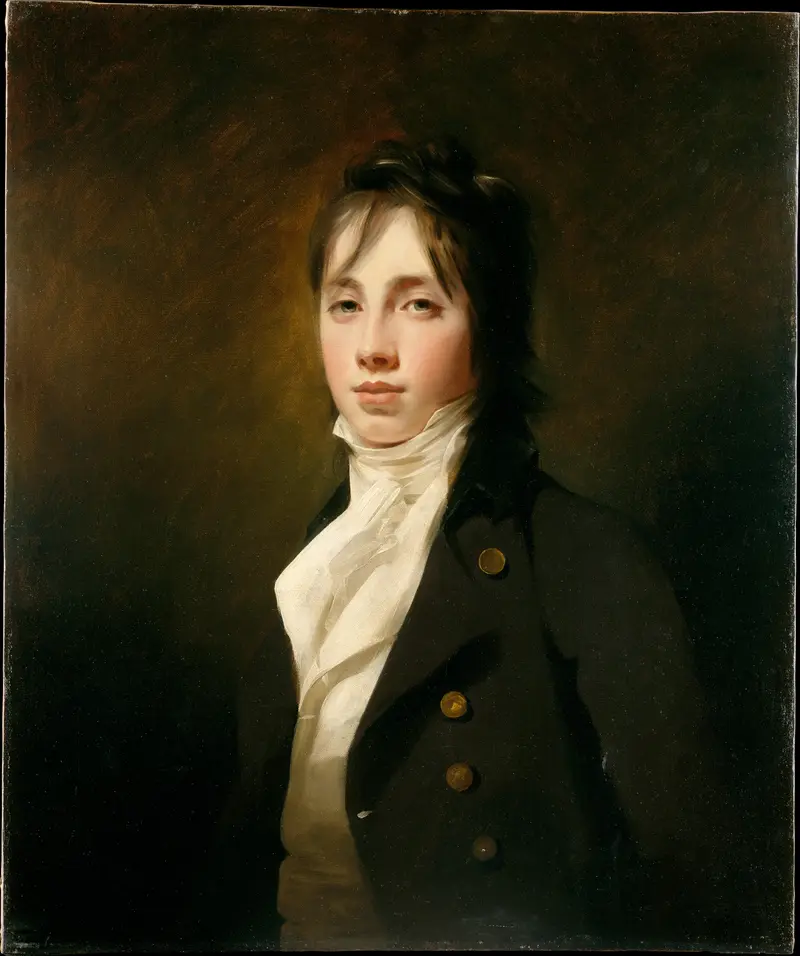
William Fraser of Reelig (1784–1835)
Sir Henry Raeburn
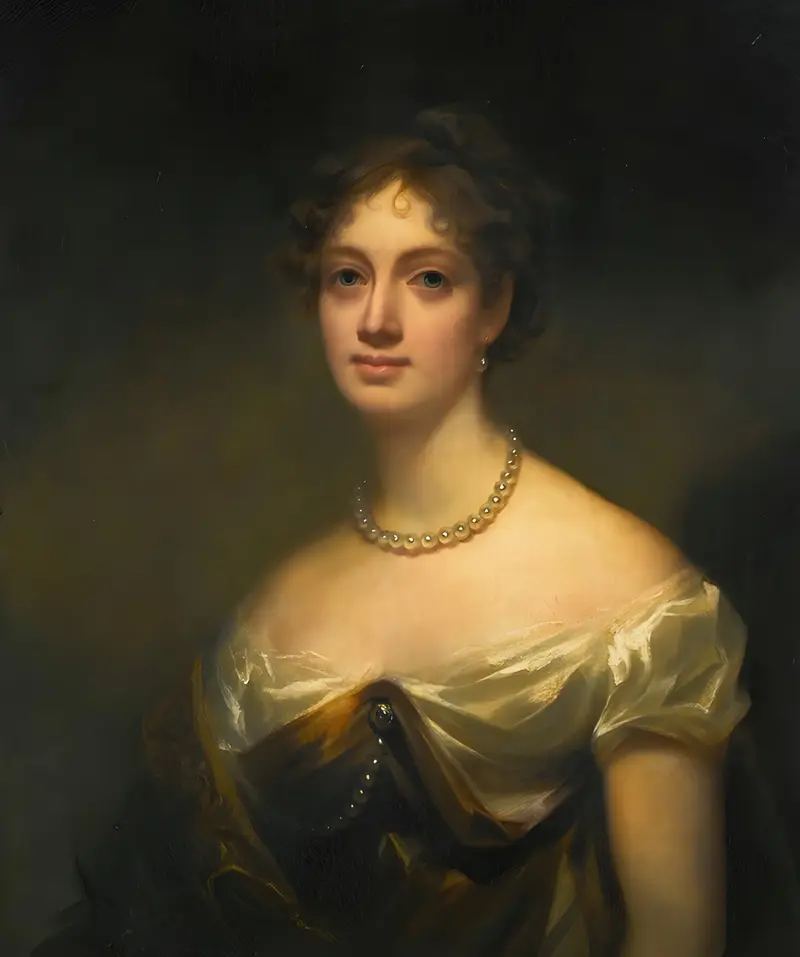
Portrait Of Anne Blair Maconochie Welwood Of Garvock, Lady Meadowbank (1784–1866)
Sir Henry Raeburn
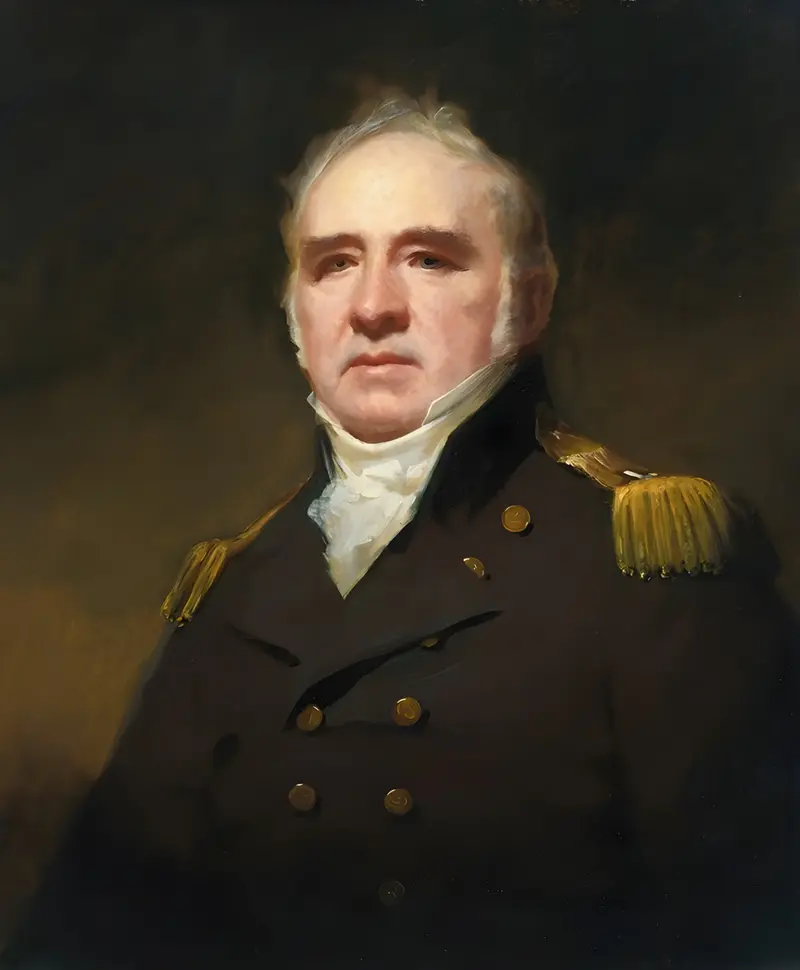
Portrait Of Captain James Forbes-Drummond, R.N., Of Hawthornden
Sir Henry Raeburn
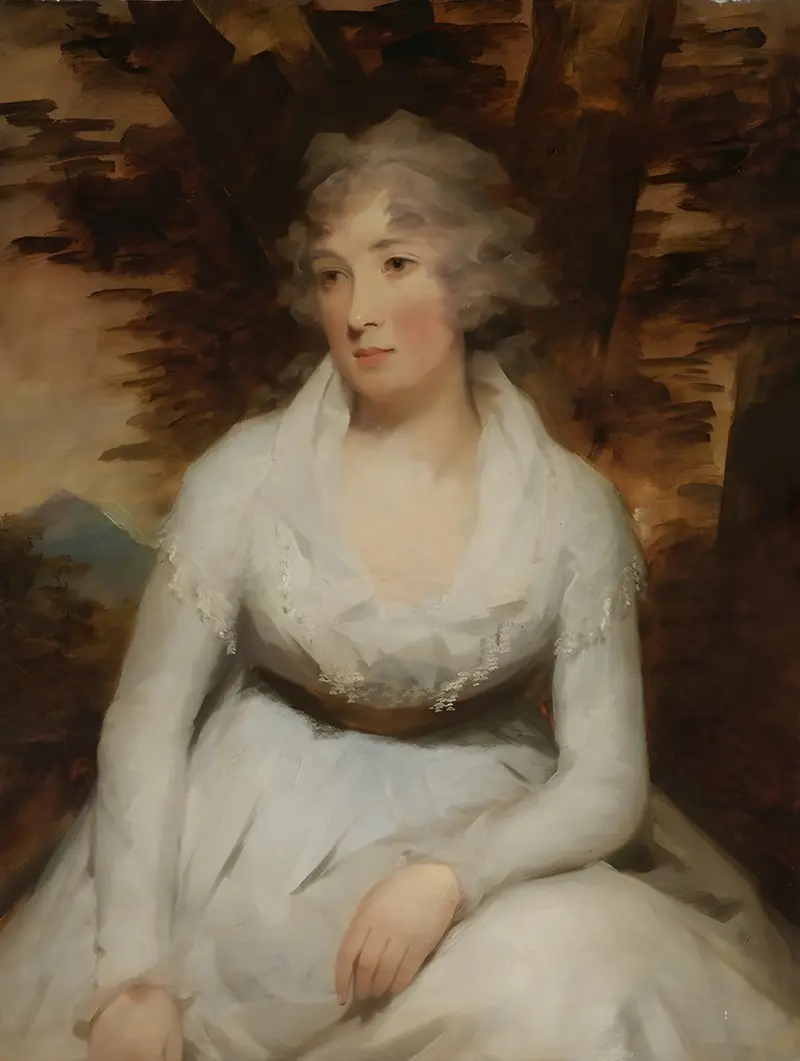
Miss Elizabeth Dalrymple (afterwards Mrs. George Leith)
Sir Henry Raeburn
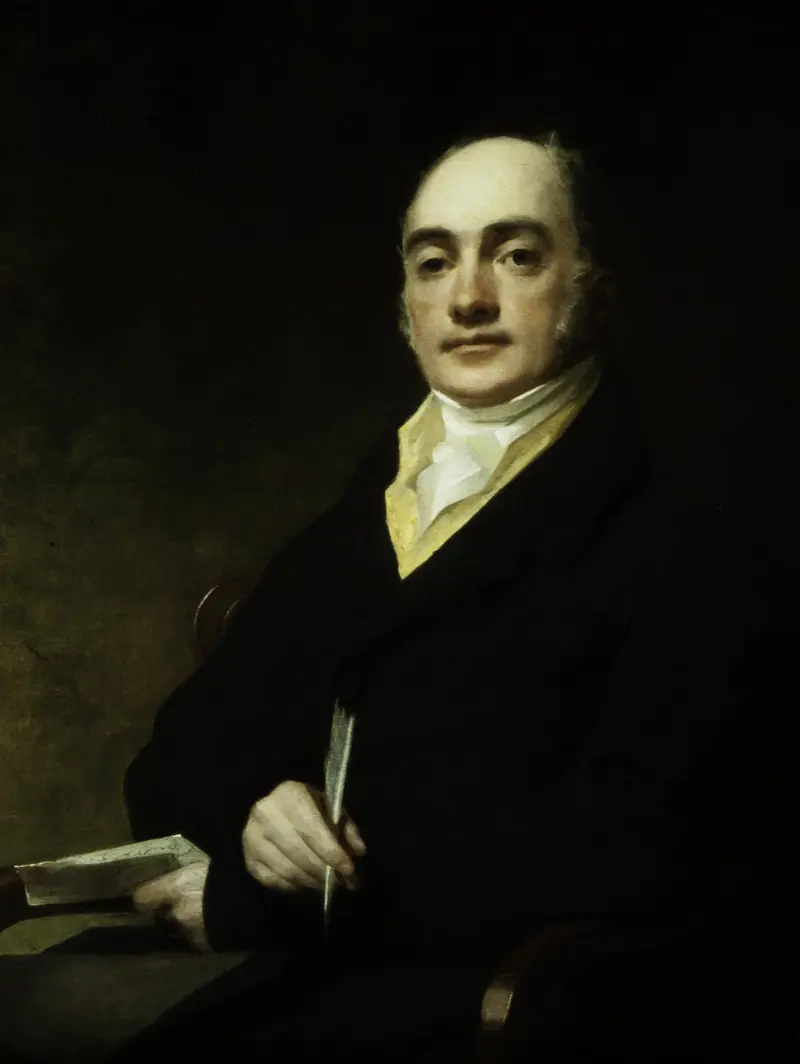
Portrait of John Baillie (1772-1833)
Sir Henry Raeburn
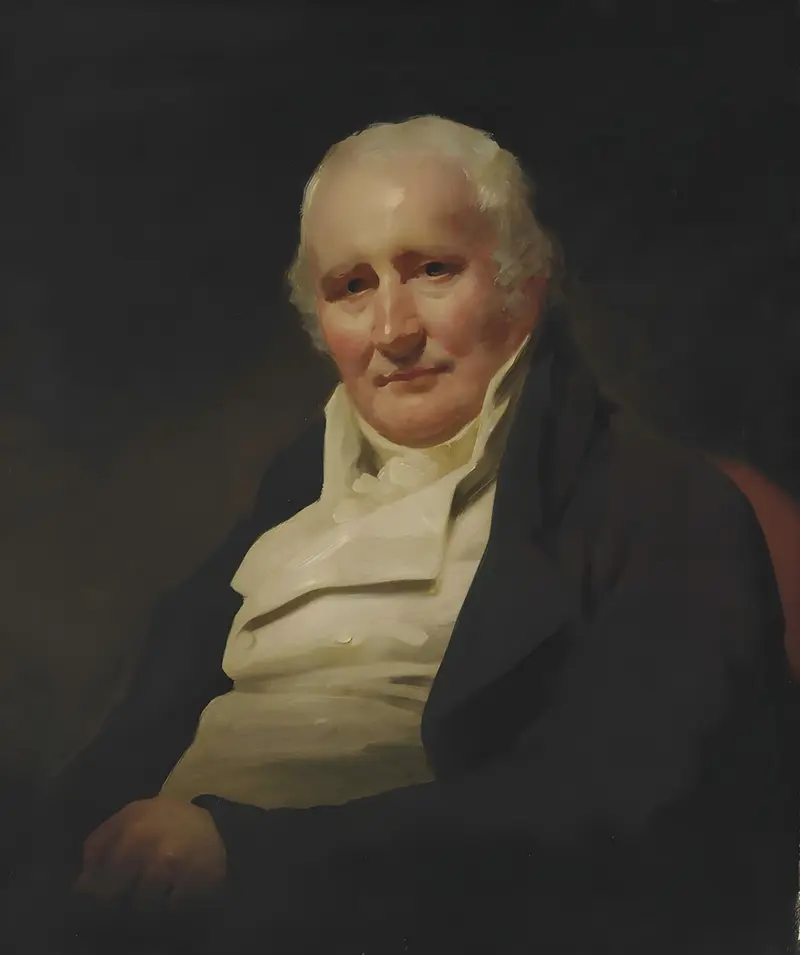
Portrait Of Mr. Spottiswood
Sir Henry Raeburn
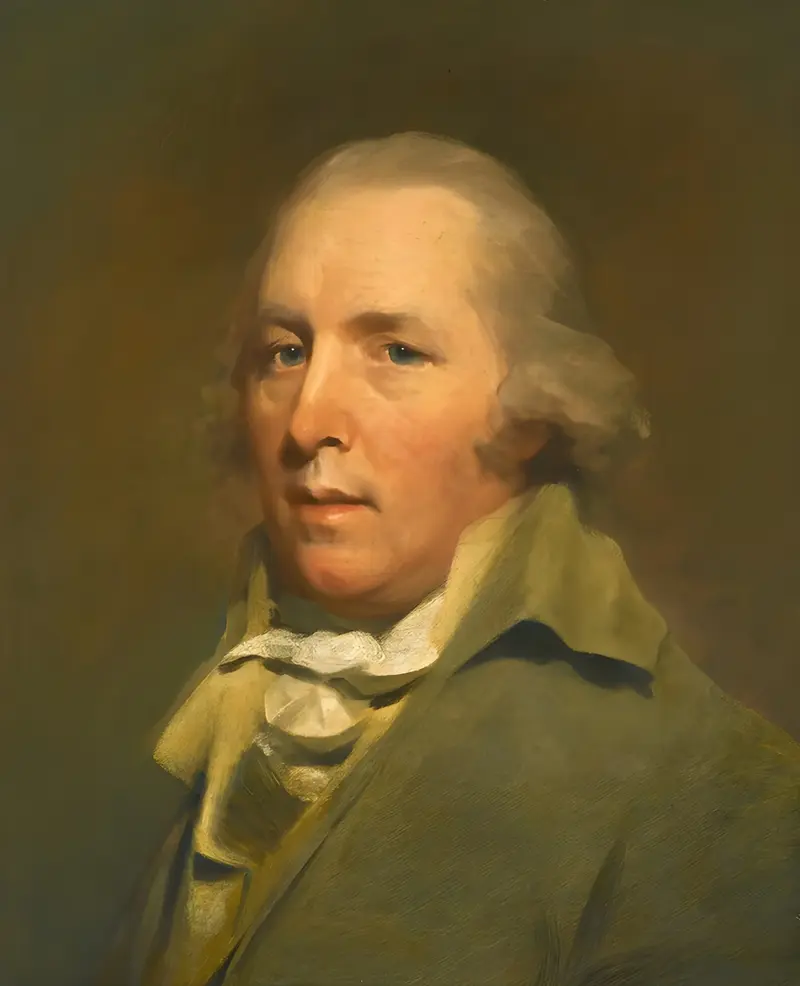
Portrait Of The Reverend John Home (1722-1808)
Sir Henry Raeburn
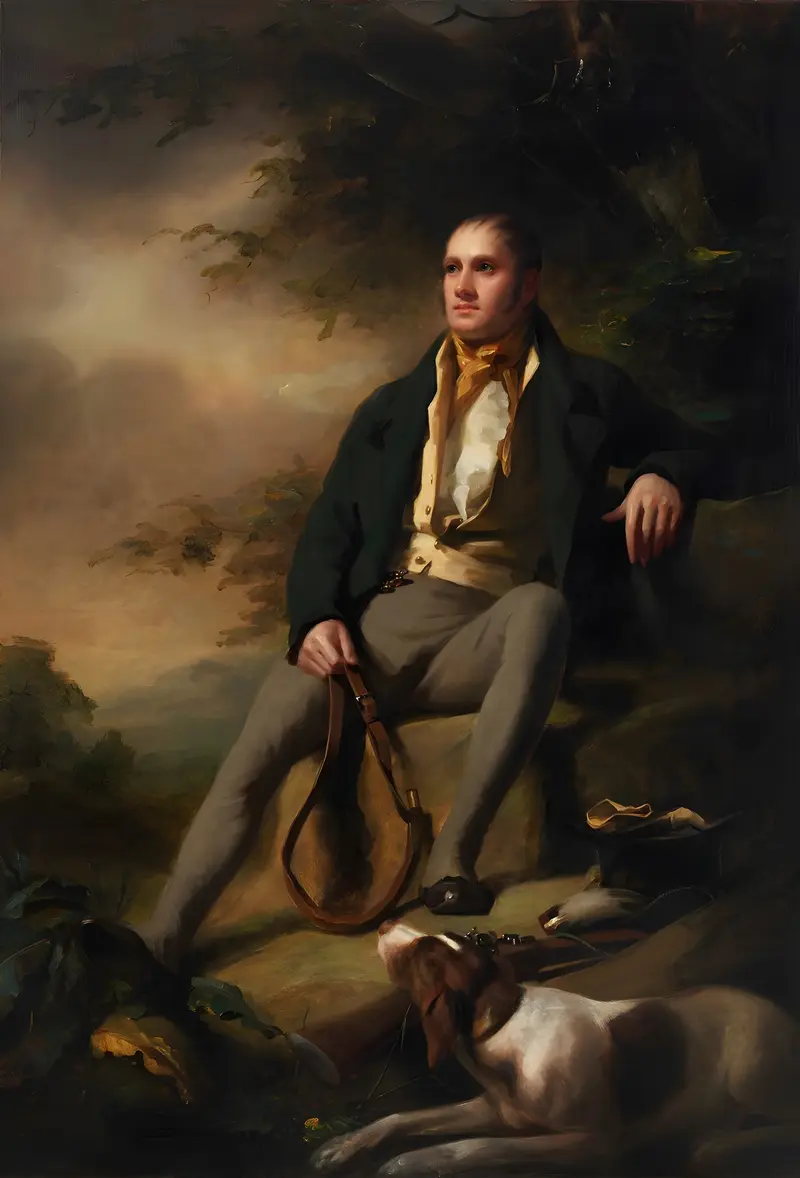
Portrait of William Hunt (c.1796-1854), Pittencrief House, Dunfermline
Sir Henry Raeburn
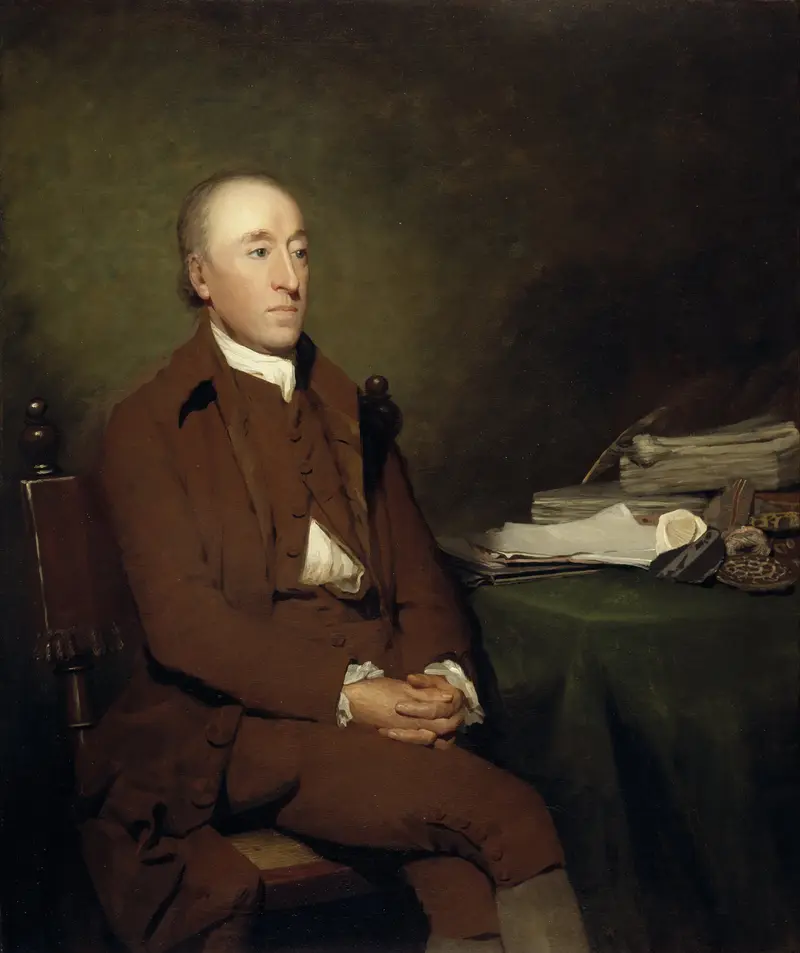
James Hutton, 1726 – 1797. Geologist
Sir Henry Raeburn





