
Portrait of Hugh Hope — History & Facts
When Sir Henry Raeburn painted Portrait of Hugh Hope, he was capturing not just the likeness of a promising young Scottish civil servant, but also a family’s pride and the ambitions of an era. Hugh Hope, the sitter, was the son of John Hope, a prominent Edinburgh banker, and his portrait was likely commissioned to mark Hugh’s departure to India as a representative of the British East India Company. The painting stands as a testament to the aspirations and anxieties of families whose sons ventured abroad during the height of the British Empire—a period when such portraits served as both mementos and public statements of status. Hugh Hope is depicted in the prime of youth, his gaze direct and composed, dressed in the sober yet elegant attire appropriate for a young man of his station.
The soft, natural light falls across his face, highlighting the clarity of his features and the confidence in his expression. Raeburn’s brushwork is loose and lively, especially in the treatment of the sitter’s hair and the subtle modeling of his flesh tones, lending a sense of immediacy to the portrait. Unlike the more formal, idealized portraits of Sir Joshua Reynolds, Raeburn’s approach is intimate, capturing the individuality of his subject rather than imposing a grand narrative.
The lack of elaborate background or symbolic props focuses attention on Hugh himself, suggesting a narrative of potential and personal character rather than inherited glory. The exact date and circumstances of Portrait of Hugh Hope remain uncertain, as does its early provenance, but it is characteristic of the private commissions Raeburn undertook for Edinburgh’s elite in the early nineteenth century. The painting has passed through several hands, remaining for a long period within the Hope family before entering public collections. Today, it is recognized as a fine example of Raeburn’s portraiture, illustrating his ability to combine psychological insight with a sense of immediacy.
In the context of Raeburn’s career, it stands alongside his other portraits of young Scottish men destined for public life, reflecting both the aspirations of his sitters and the painter’s own reputation as the leading portraitist of the Scottish Enlightenment.
Sources: Wikidata Q60476601
More Artworks by Sir Henry Raeburn
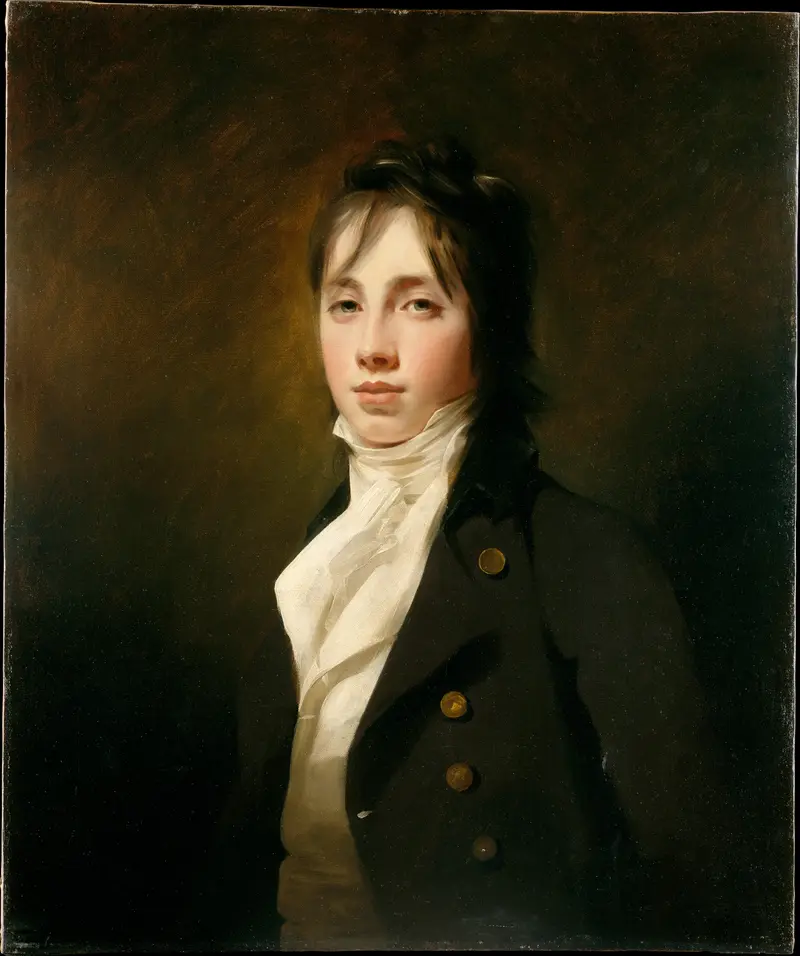
William Fraser of Reelig (1784–1835)
Sir Henry Raeburn
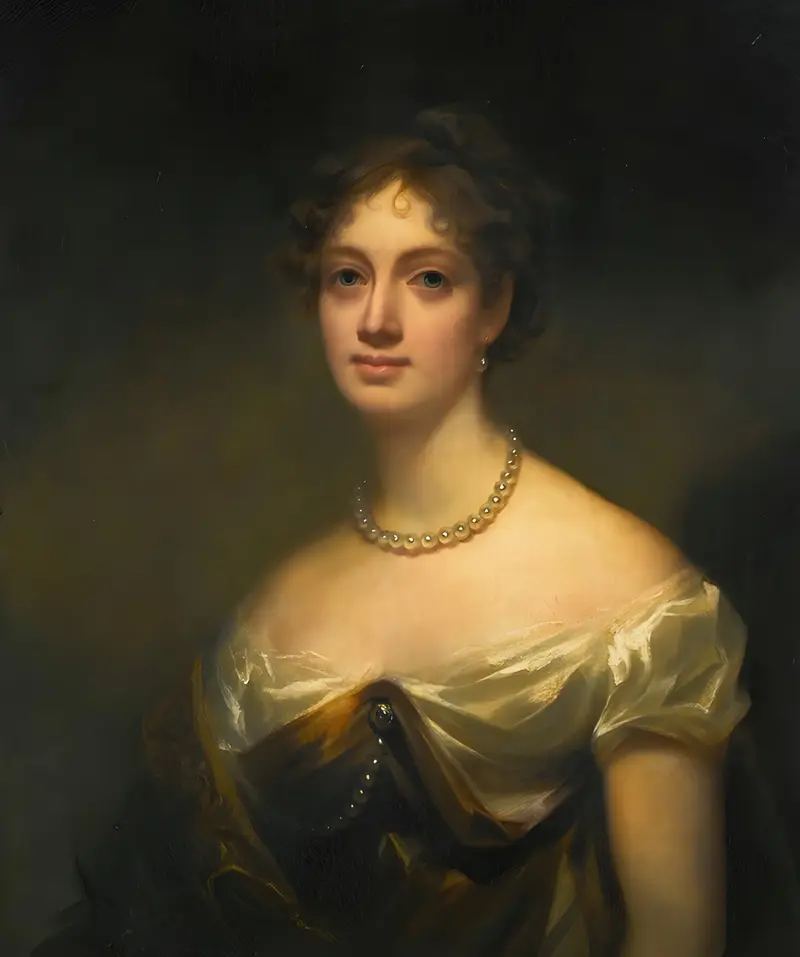
Portrait Of Anne Blair Maconochie Welwood Of Garvock, Lady Meadowbank (1784–1866)
Sir Henry Raeburn
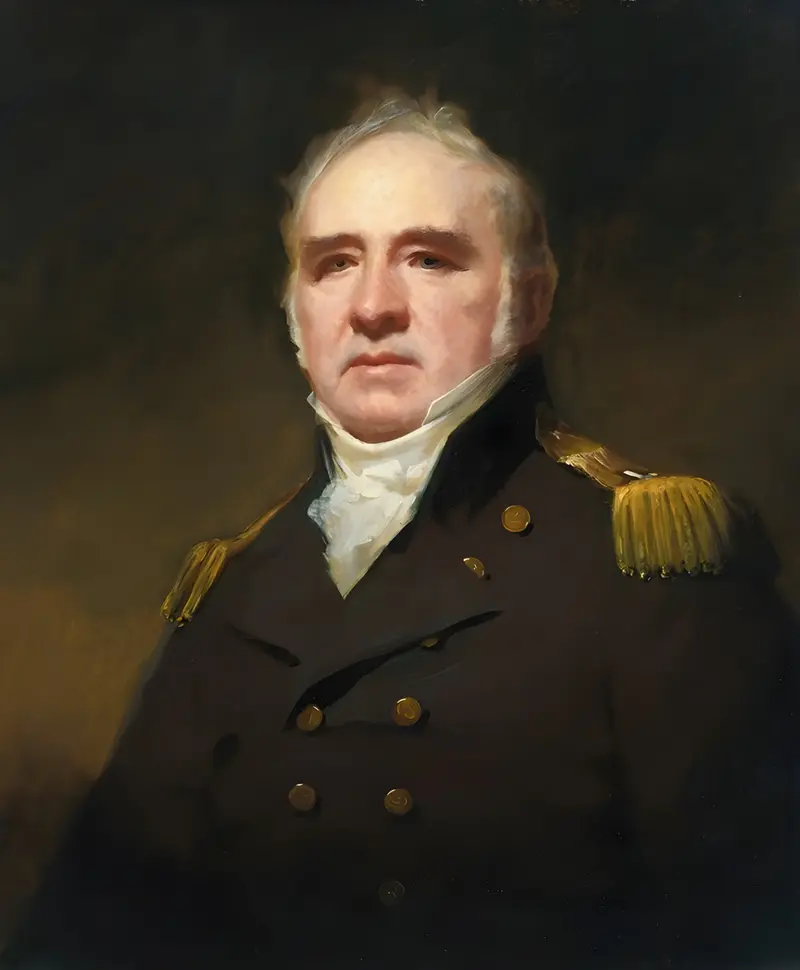
Portrait Of Captain James Forbes-Drummond, R.N., Of Hawthornden
Sir Henry Raeburn
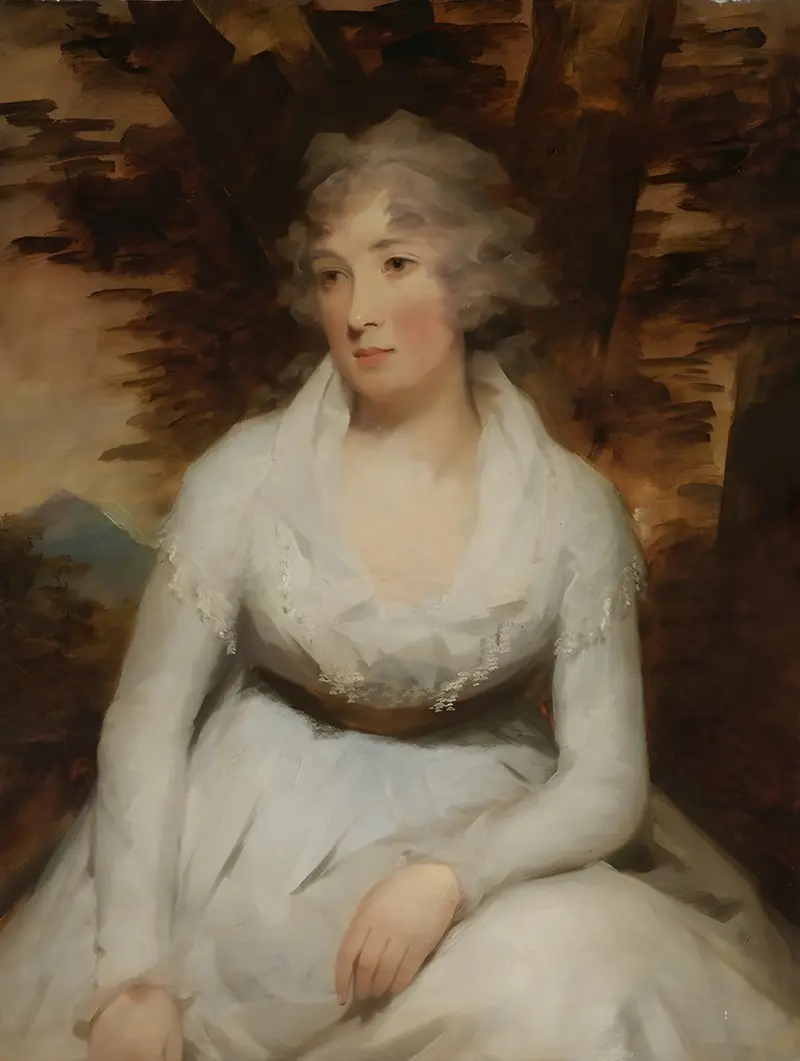
Miss Elizabeth Dalrymple (afterwards Mrs. George Leith)
Sir Henry Raeburn
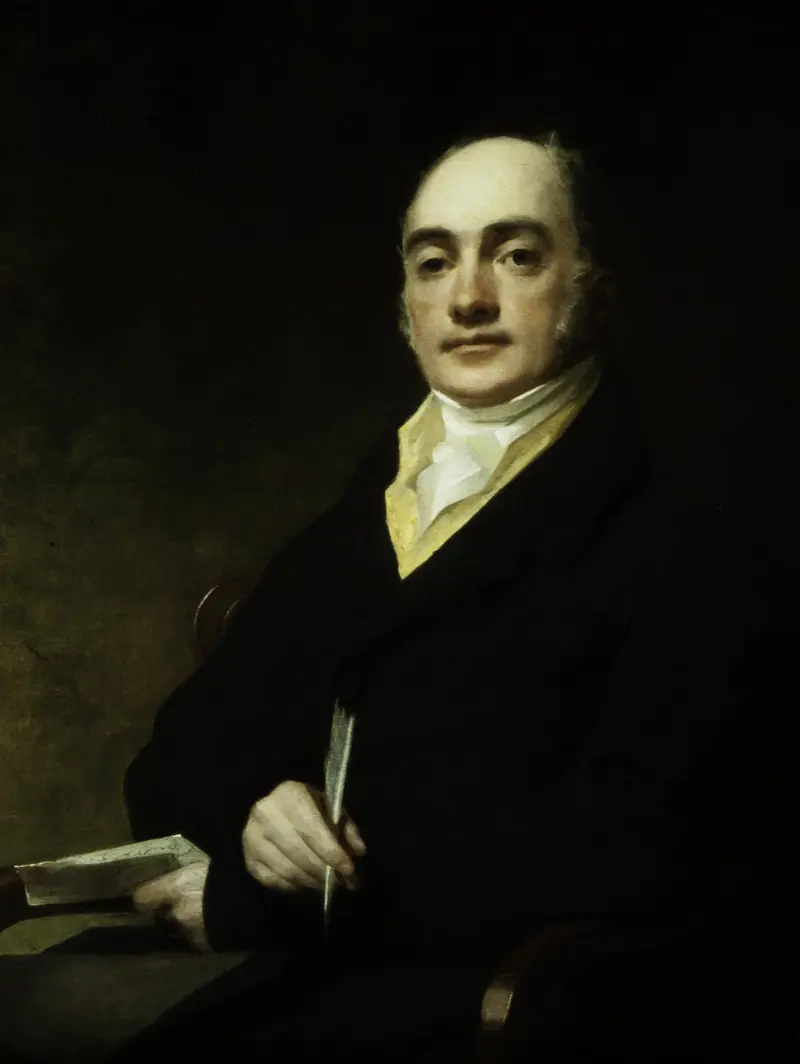
Portrait of John Baillie (1772-1833)
Sir Henry Raeburn
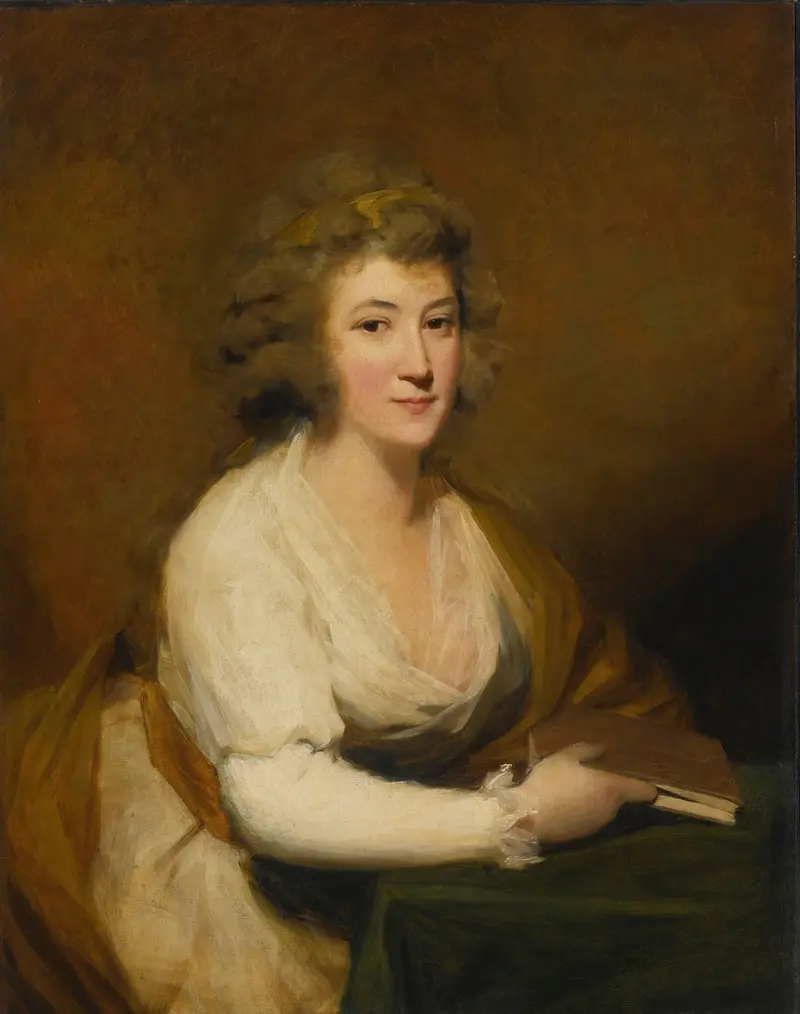
Portrait Of Lady Nasmyth, In A White Dress And Brown Shawl, Seated At A Table, Holding A Book
Sir Henry Raeburn
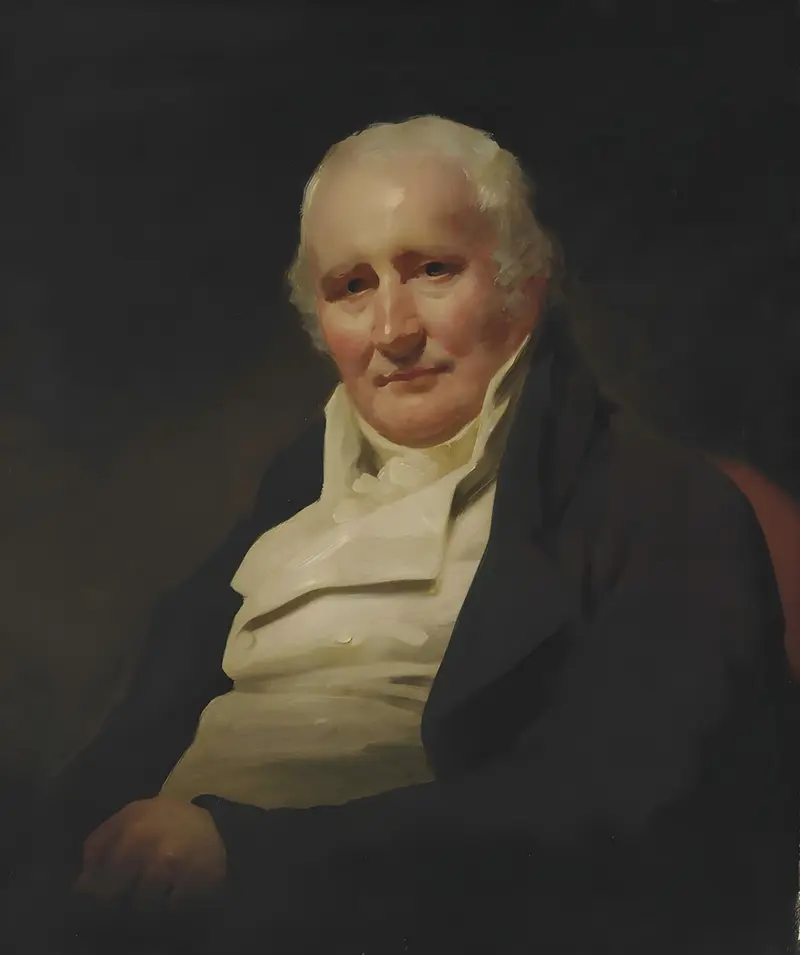
Portrait Of Mr. Spottiswood
Sir Henry Raeburn
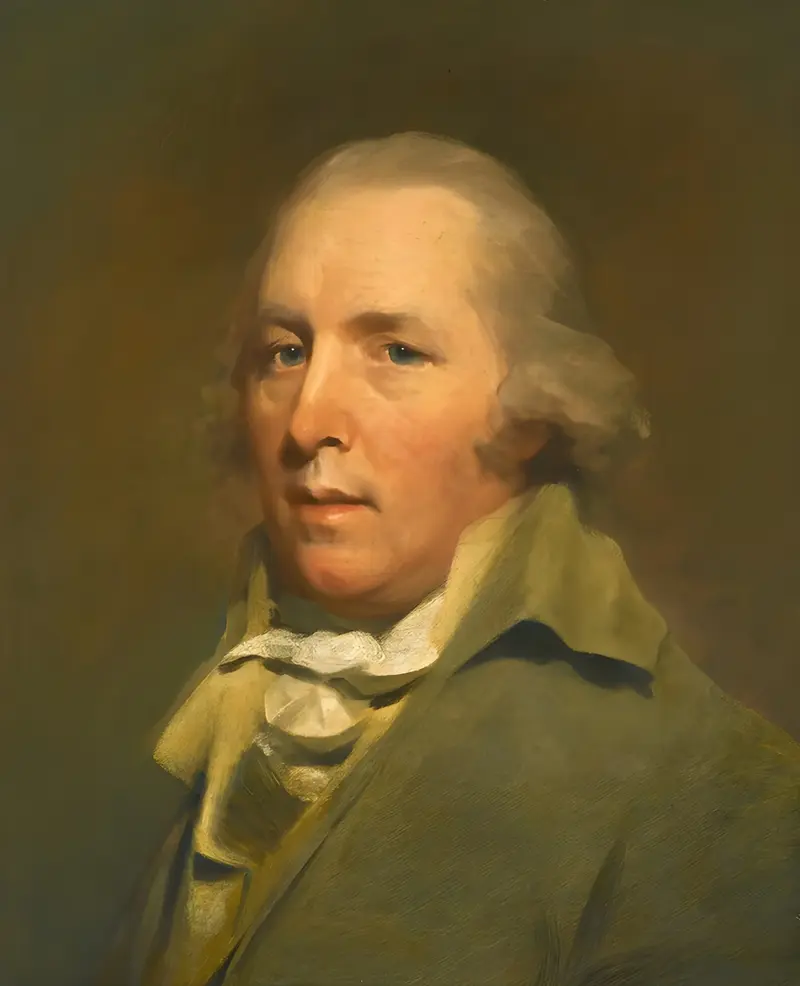
Portrait Of The Reverend John Home (1722-1808)
Sir Henry Raeburn
Portrait of William Hunt (c.1796-1854), Pittencrief House, Dunfermline
Sir Henry Raeburn
James Hutton, 1726 – 1797. Geologist
Sir Henry Raeburn





