
Portrait of William Hunt (c.1796-1854), Pittencrief House, Dunfermline — History & Facts
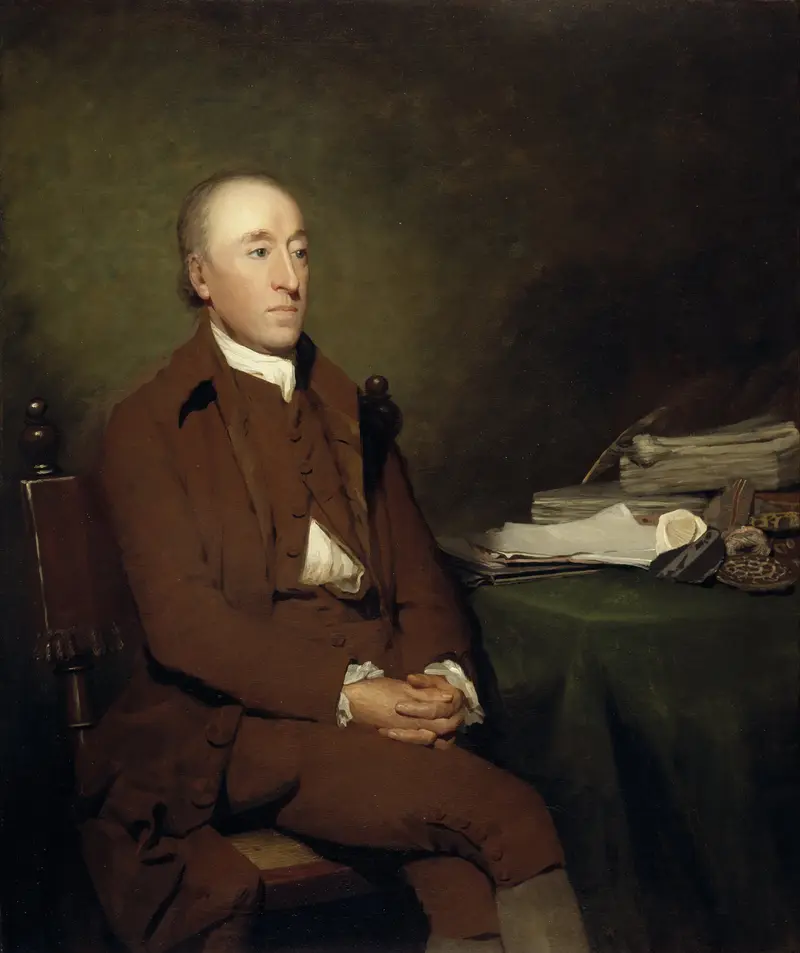
When Sir Henry Raeburn painted Portrait of William Hunt (c.1796-1854), Pittencrief House, Dunfermline, he captured not just a likeness but a rising figure in Scottish civic life whose family would later transform Dunfermline itself. William Hunt, a prosperous merchant and later laird of Pittencrief, was part of the wave of self-made men whose fortunes and ambitions shaped the Scottish Enlightenment’s legacy well into the 19th century. The painting’s most intriguing fact is its enduring connection to Pittencrief House, which would, decades later, be purchased by Andrew Carnegie and gifted to the people of Dunfermline as a public park—a legacy that began with Hunt’s stewardship.
The portrait thus stands at a crossroads of personal ambition and public benefaction, its sitter’s gaze fixed on a future he helped to create. Raeburn chooses to depict Hunt at the height of his vigor, seated in a dark interior that throws his face and hands into sharp relief. The sitter’s direct gaze and relaxed posture suggest both confidence and approachability, hallmarks of Raeburn’s approach to the new Scottish elite. Hunt’s attire—rich but unostentatious—signals prosperity without aristocratic pretension, while the subtle play of light across his features recalls Raeburn’s celebrated Portrait of Sir Walter Scott, where character is revealed in the interplay of shadow and illumination.
The absence of grand symbols or allegorical props places the emphasis squarely on Hunt’s individuality, inviting viewers to read his story in the alert eyes and firmly set mouth. The exact date and circumstances of the commission remain uncertain, as do details of the painting’s medium, but its provenance is closely tied to the Hunt family and Pittencrief House. Unlike many Raeburn portraits that entered public collections in the 19th and 20th centuries, this work appears to have remained in private hands for much of its history, quietly witnessing the transformation of its setting from private estate to public landmark. Today, the portrait is valued not only as an example of Raeburn’s mature style but also as a rare visual record of a figure whose decisions shaped the landscape and civic identity of Dunfermline.
Its survival offers a window onto both the aspirations of Scotland’s merchant class and the enduring influence of Raeburn’s brush.
More Artworks by Sir Henry Raeburn

Portrait of Hugh Hope
Sir Henry Raeburn
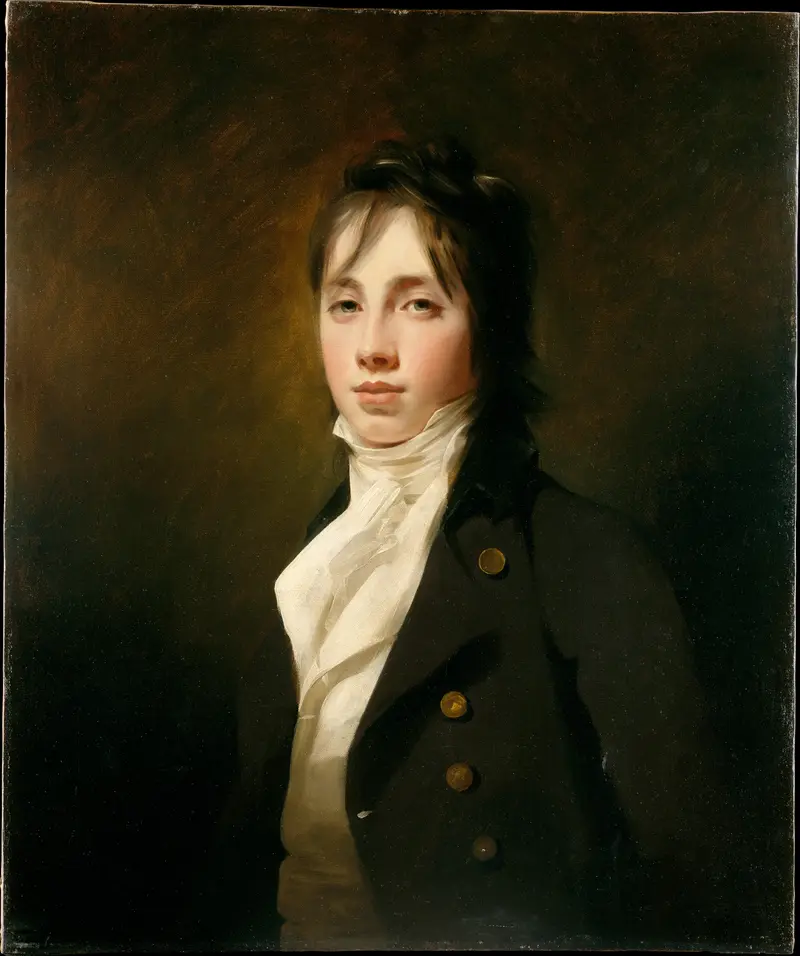
William Fraser of Reelig (1784–1835)
Sir Henry Raeburn
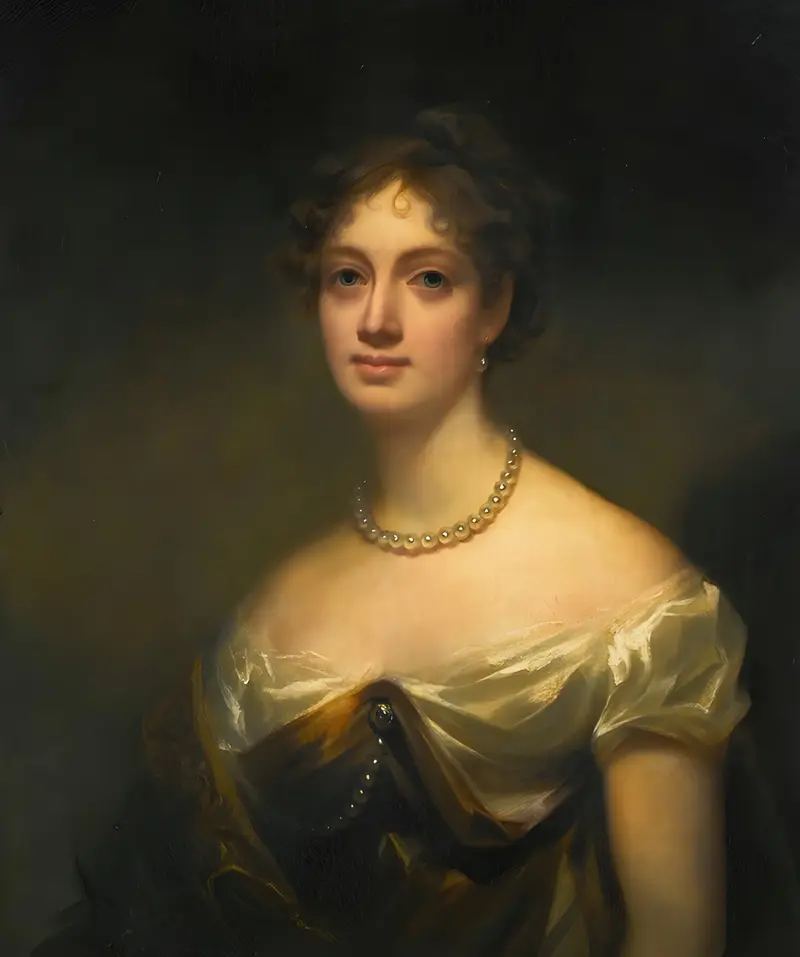
Portrait Of Anne Blair Maconochie Welwood Of Garvock, Lady Meadowbank (1784–1866)
Sir Henry Raeburn
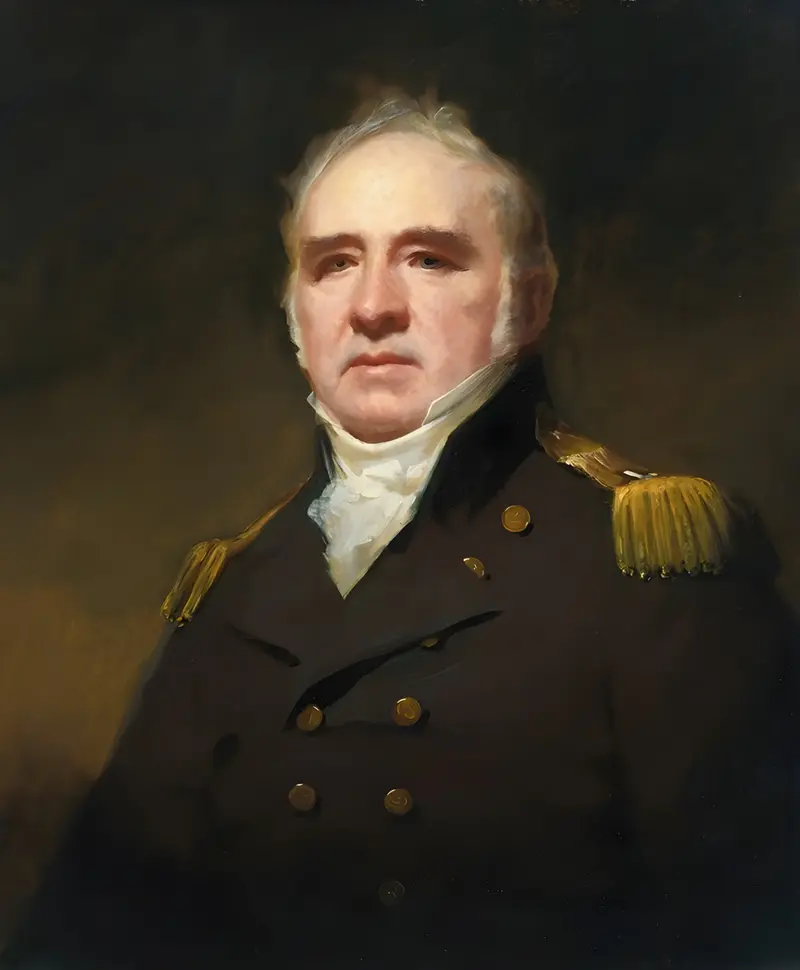
Portrait Of Captain James Forbes-Drummond, R.N., Of Hawthornden
Sir Henry Raeburn
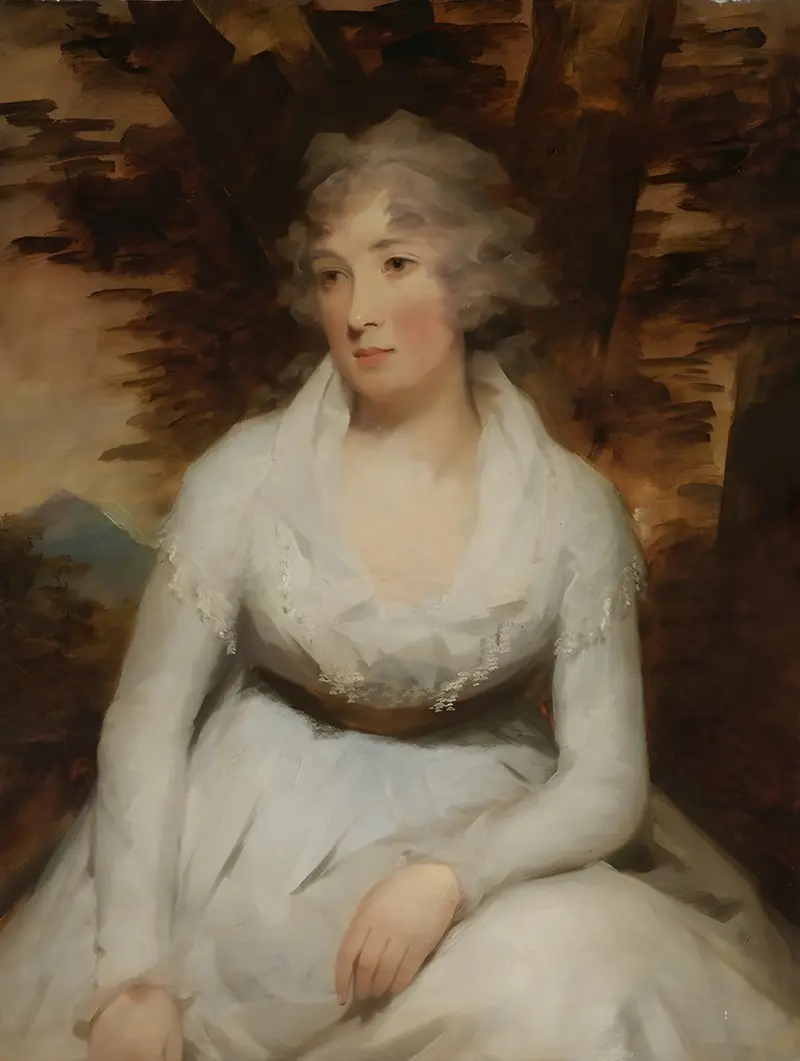
Miss Elizabeth Dalrymple (afterwards Mrs. George Leith)
Sir Henry Raeburn
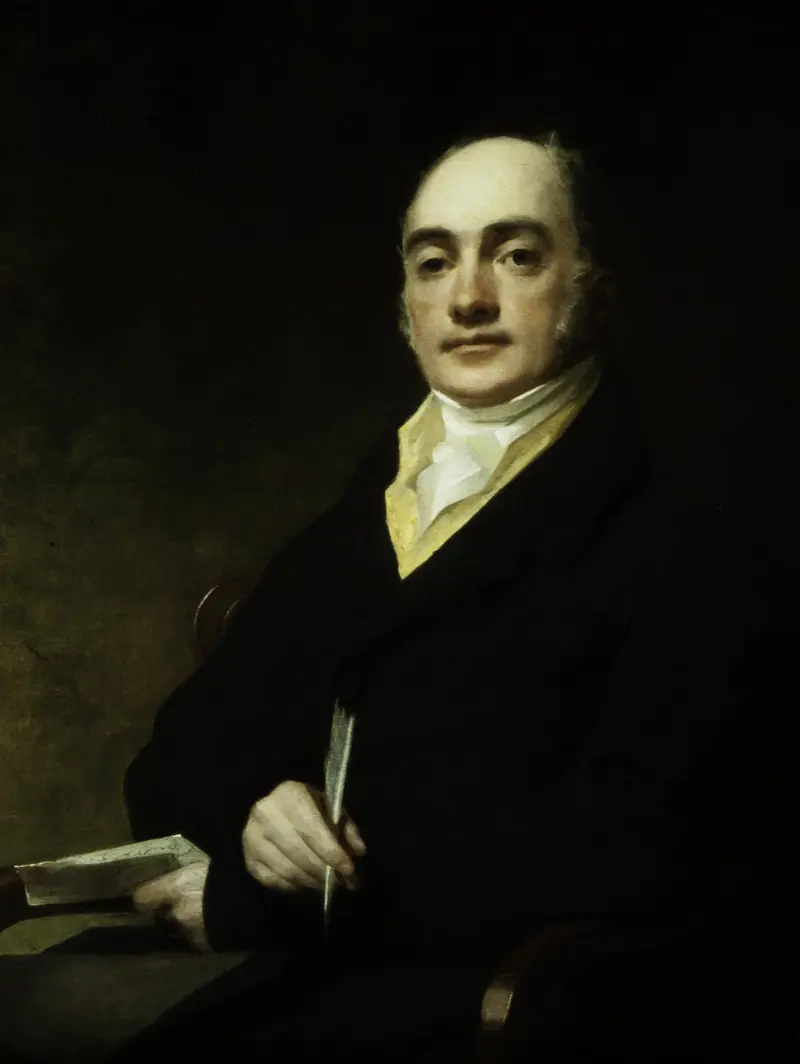
Portrait of John Baillie (1772-1833)
Sir Henry Raeburn
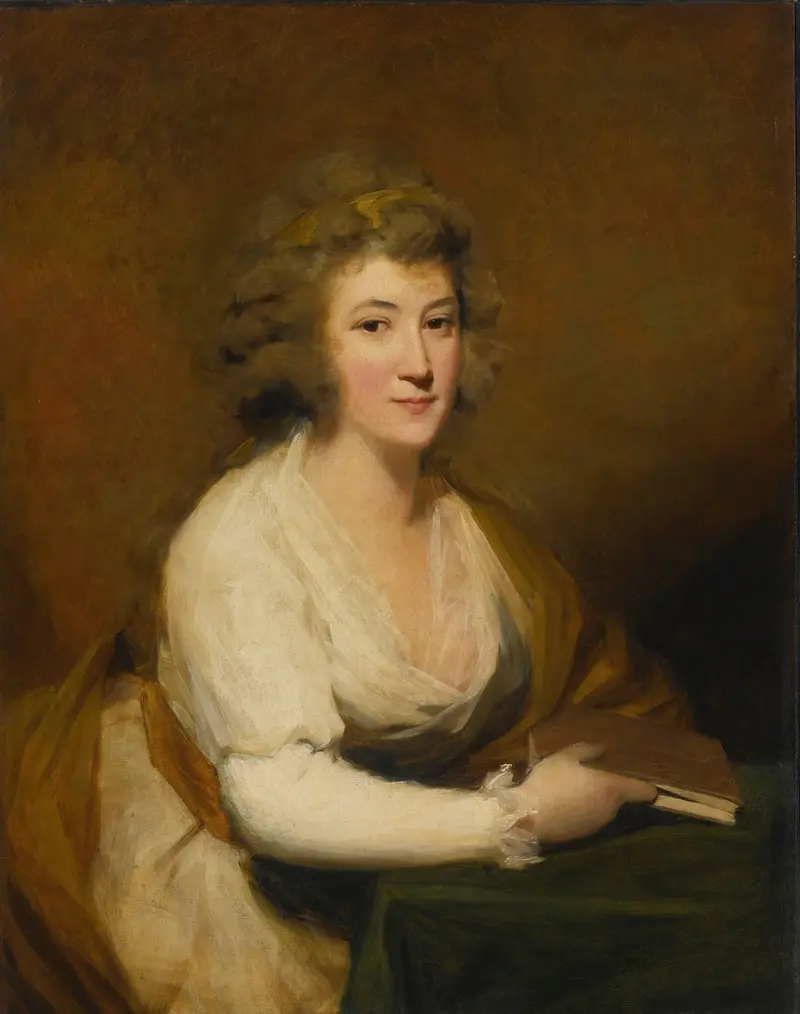
Portrait Of Lady Nasmyth, In A White Dress And Brown Shawl, Seated At A Table, Holding A Book
Sir Henry Raeburn
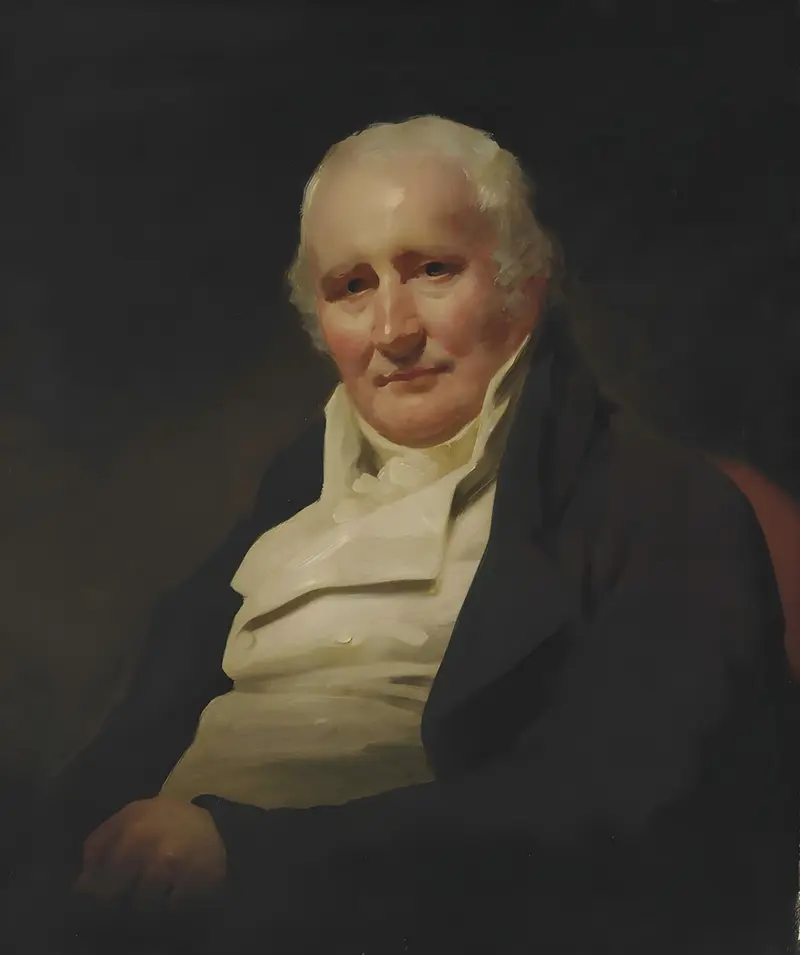
Portrait Of Mr. Spottiswood
Sir Henry Raeburn
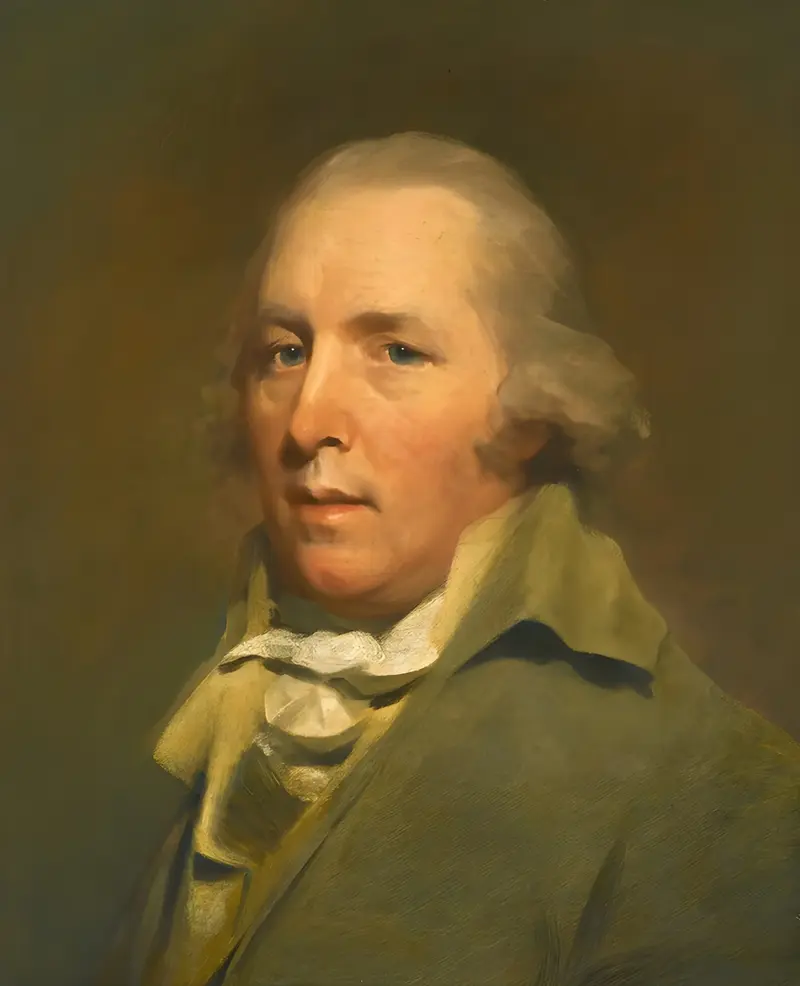
Portrait Of The Reverend John Home (1722-1808)
Sir Henry Raeburn
James Hutton, 1726 – 1797. Geologist
Sir Henry Raeburn





