
Communion of the Apostles — History & Facts
Few images in Renaissance art capture such a direct and daring vision of the Eucharist as Communion of the Apostles by Fra Angelico, painted around 1450. Rather than choosing the more common scene of the Last Supper, Fra Angelico depicts Christ himself administering communion to his apostles—a subject rarely attempted before and almost certainly inspired by the theological debates of the mid-15th century. The painting was likely created for the high altar of San Marco in Florence, a Dominican convent closely tied to Fra Angelico and a center of reformist thought.
This work stands as a visual manifesto for the real presence of Christ in the sacrament, a topic of heated discussion at the time. At the heart of the picture, Christ stands serenely, offering the consecrated host directly to Saint Peter, who kneels in humility. The apostles form a semi-circle, each figure individualized, their gestures ranging from awe to contemplation, drawing the viewer into the sacred drama. The golden background, a holdover from earlier medieval traditions, frames the scene in an otherworldly light, while the apostles’ robes shimmer with delicate color.
The chalice in Christ’s hand and the orderly procession echo the rituals of the Mass, linking the biblical event to the daily life of the church. Unlike Leonardo da Vinci’s later Last Supper, which captures the moment of betrayal, Fra Angelico chooses to focus on the act of giving, transforming the scene into a meditation on grace and unity. The exact journey of Communion of the Apostles after its creation remains somewhat unclear, though it is generally agreed that it was painted for San Marco, where Fra Angelico spent much of his career as both artist and friar. Over the centuries, the panel was removed from its original setting, passing through various hands before entering the collection of the Museo di San Marco in Florence, where it is displayed today.
This work marks one of the last major commissions of Fra Angelico’s life, synthesizing his deep faith with the new artistic language of the early Renaissance. Its influence can be traced in later Florentine altarpieces, but few match its quiet intensity or theological daring.
More Artworks by Fra Angelico

Condemnation of St Lawrence by the Emperor Valerian
Fra Angelico
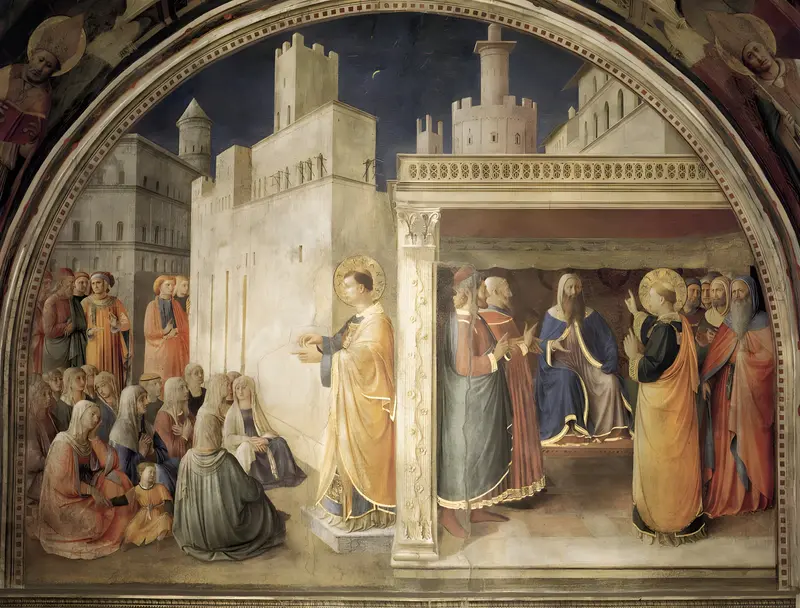
Lunette of the north wall
Fra Angelico
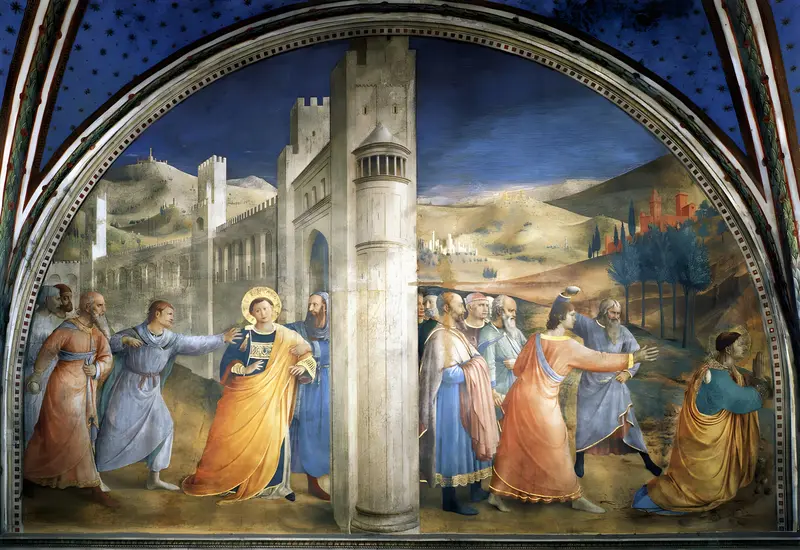
Lunette of the east wall in Niccoline Chapel
Fra Angelico
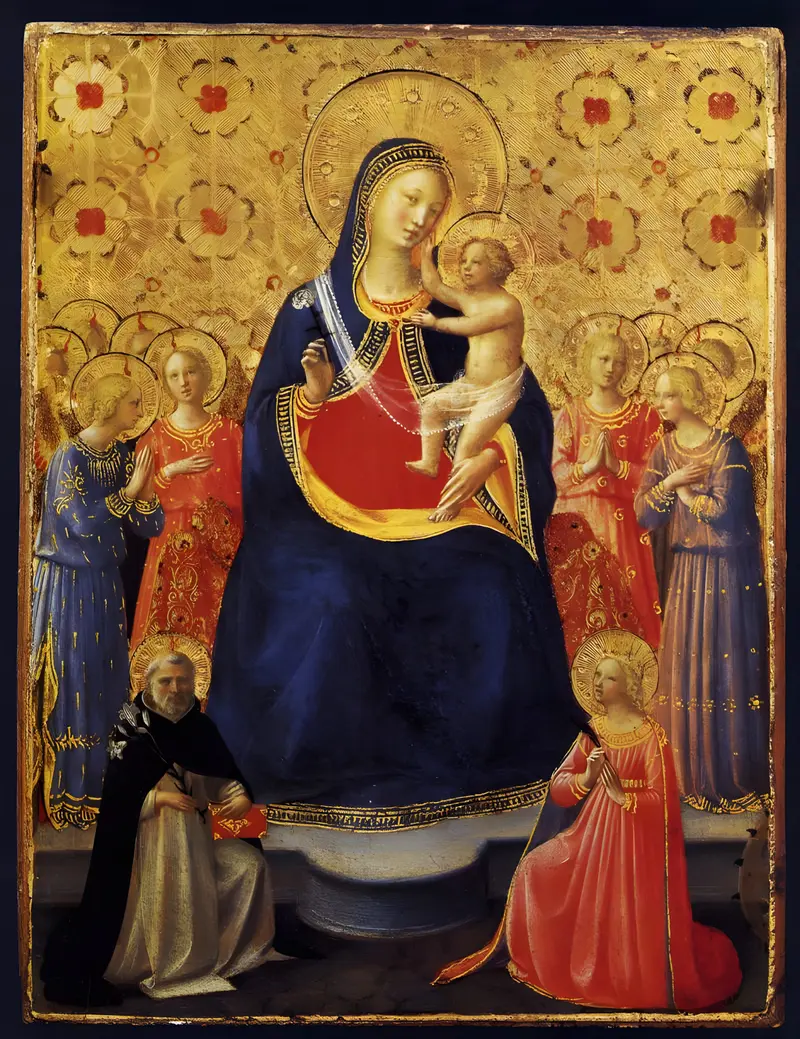
Madonna and Child Enthroned with Nine Angels and Saints Dominic and Catherine of Alexandria
Fra Angelico
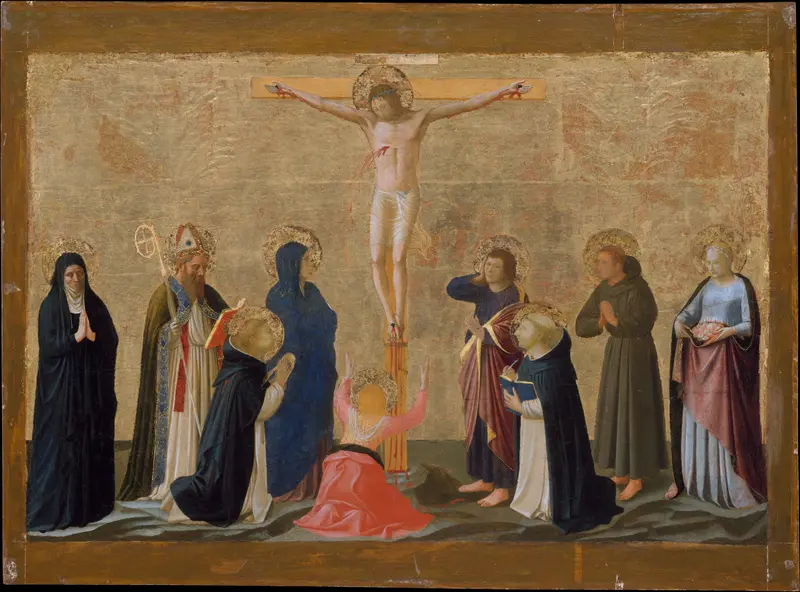
The Crucifixion
Fra Angelico
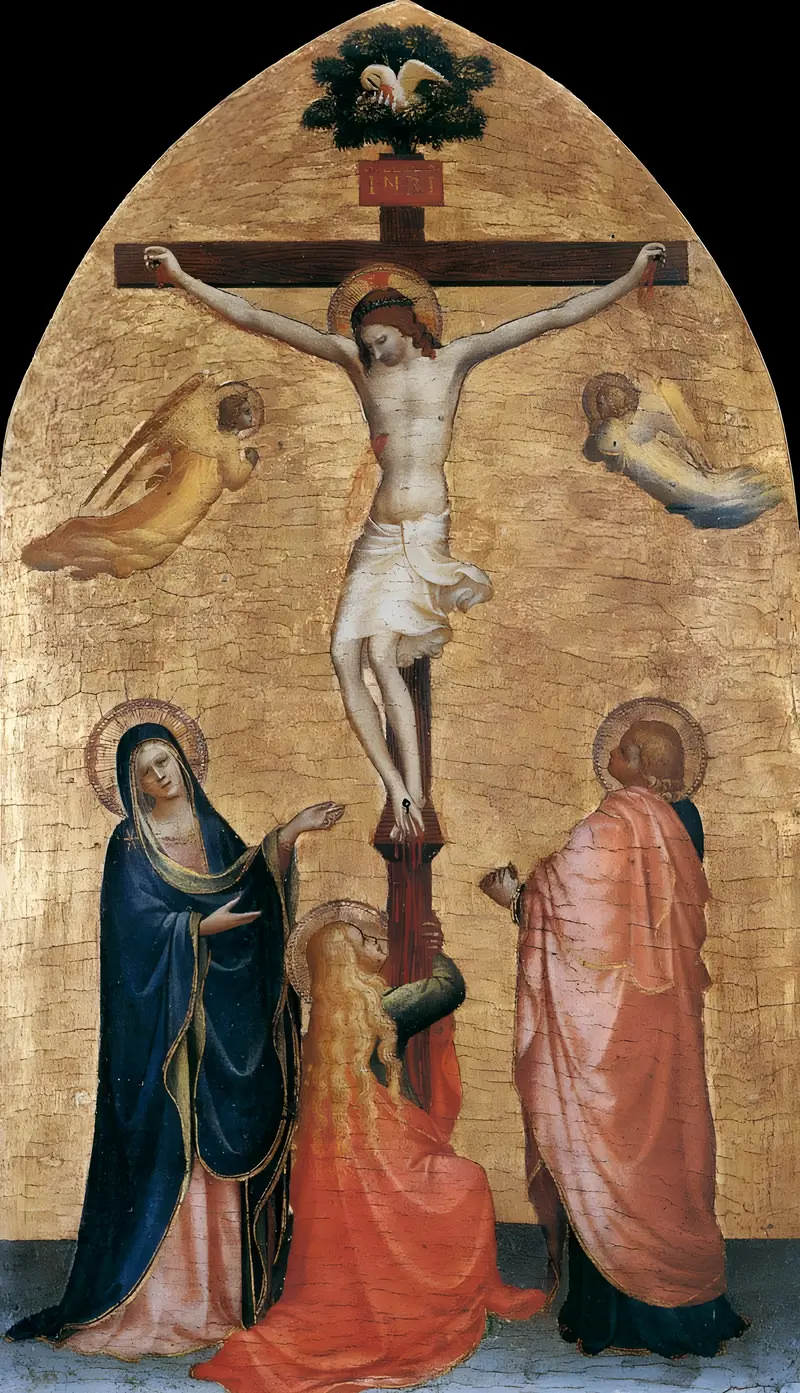
Crucifixion with the Virgin, John the Evangelist, and Mary Magdelene
Fra Angelico
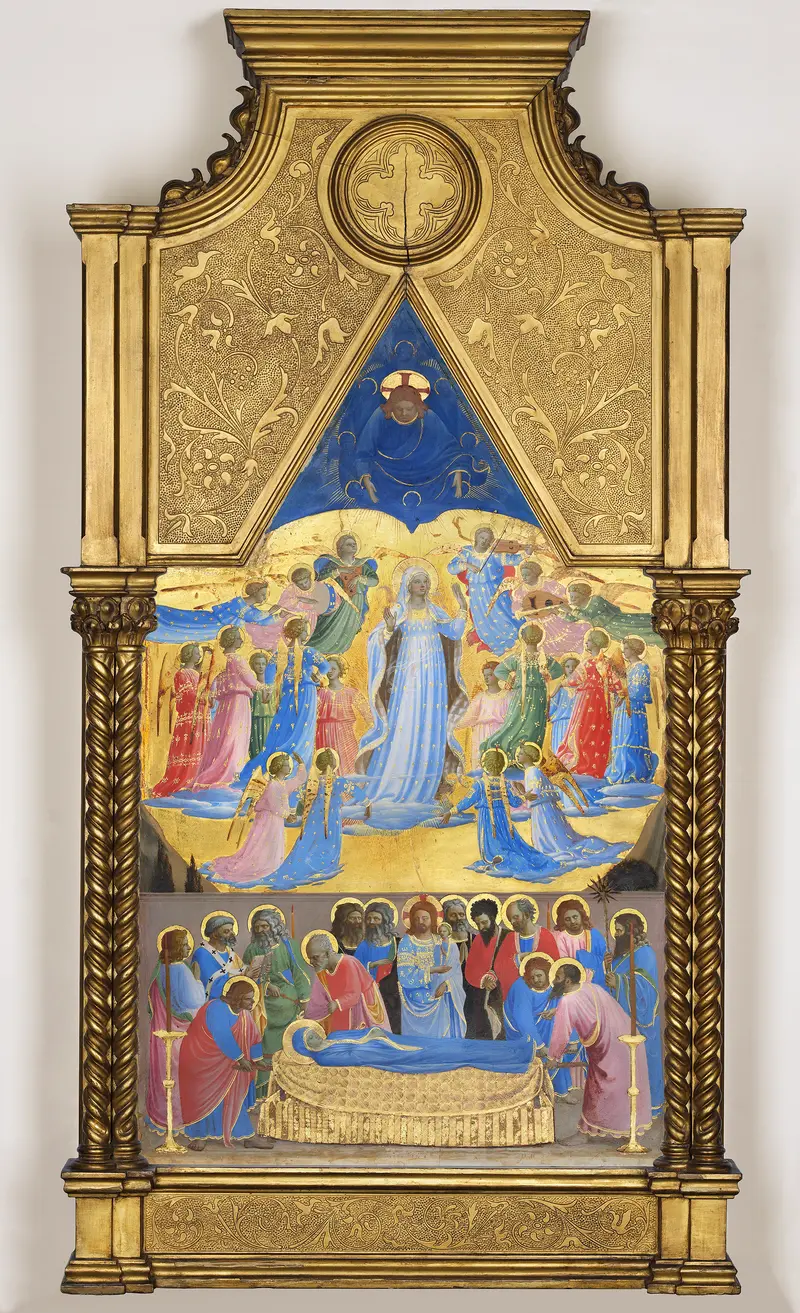
Dormition and Assumption of the Virgin
Fra Angelico
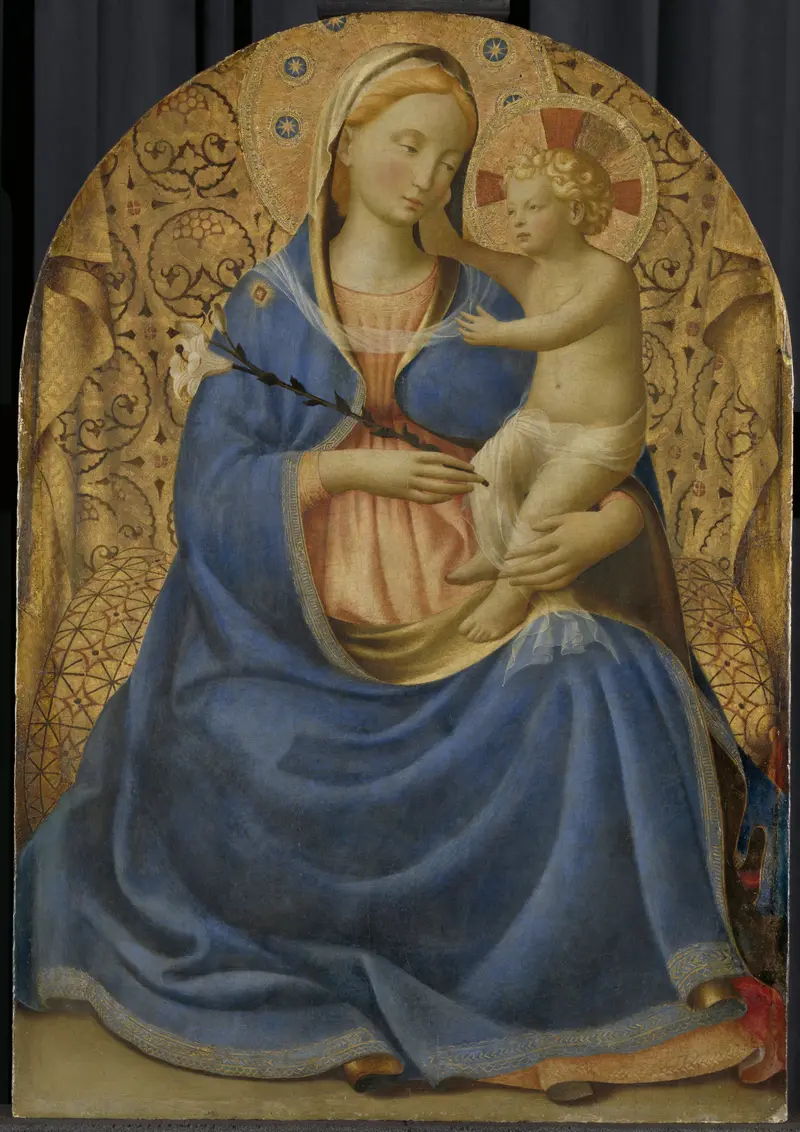
Madonna of Humility
Fra Angelico
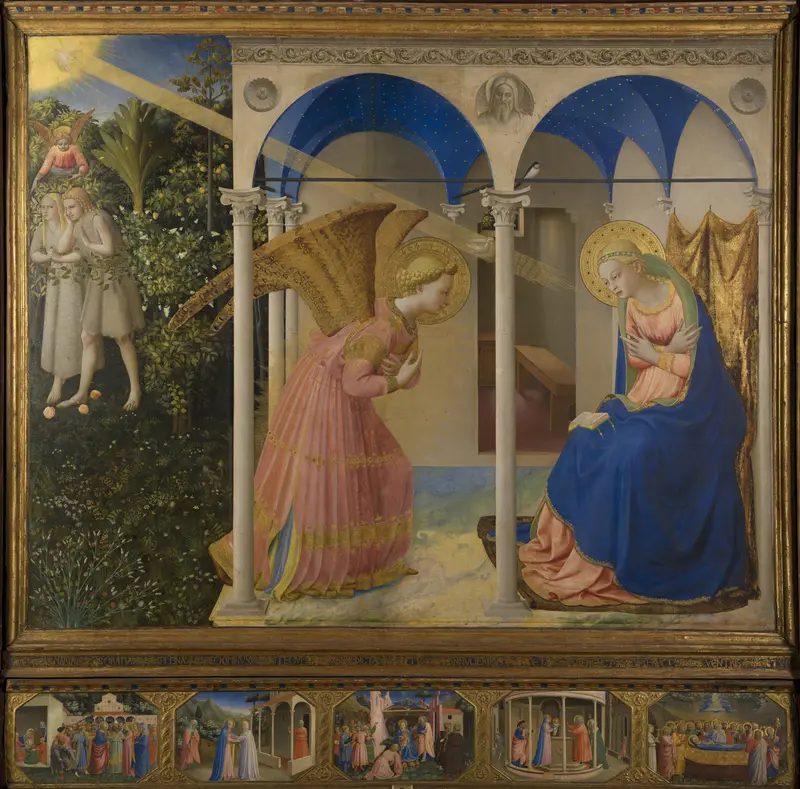
The Annunciation
Fra Angelico

Saint Anthony Abbot
Fra Angelico





