
Conflans — History & Facts
Can paint confess what words never could? Within the ethereal strokes of the canvas, beauty itself seems to whisper unspoken truths, inviting the viewer to drink deeply of its serene allure. Focus on the tranquil waters of the river as they gently reflect the sky's soft hues. The vivid greens of the landscape invite your gaze, leading the eye to the distant horizon where the soft silhouette of trees spills into the warm light. Notice how Daubigny’s brushwork creates a delicate dance between color and form, layering shades that evoke the fleeting moments of day transitioning into twilight.
Each stroke feels intentional, yet spontaneous, imbuing the piece with an organic quality that feels alive. Delve deeper into the interplay of light and shadow in this work. The vibrant greens juxtaposed with the deep blues and soft yellows highlight not just the beauty of nature, but also a sense of peace amidst chaos. The subtle movement in the water suggests a quiet energy, evoking reflections on time and the ephemeral nature of existence itself.
Here, one can sense an emotional resonance that lingers, as if the landscape itself is a memoir of the artist’s internal world. In 1873, Daubigny painted this masterpiece while firmly entrenched in the French artistic community, a time marked by the rise of Impressionism. Living and working near the banks of the Oise River, he was captivated by the changing qualities of light and nature. This work represents his response to the evolving art movement and his desire to convey beauty through the lens of his own experiences, bridging the gap between representation and emotion.
More Artworks by Charles François Daubigny
Browse all →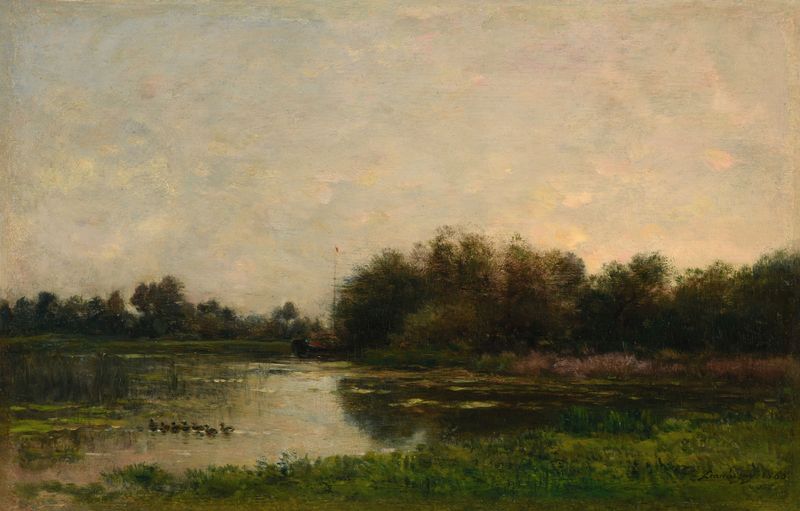
Bords de l’Oise
Charles François Daubigny
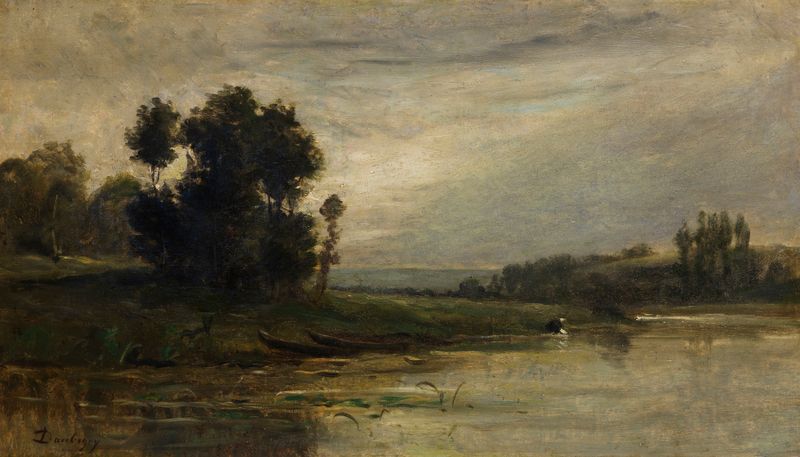
Bords de l’Oise
Charles François Daubigny
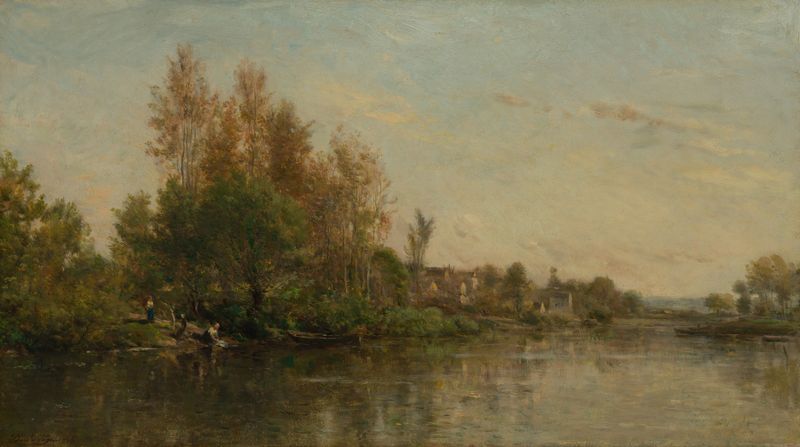
The Banks of the Oise
Charles François Daubigny
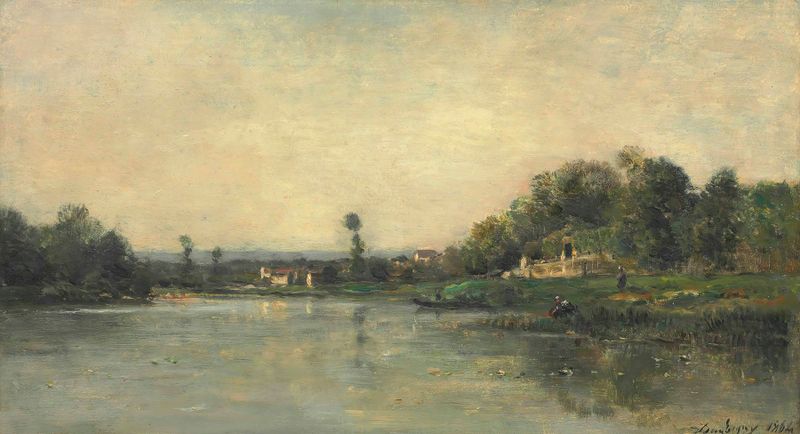
Les Bords De L’oise
Charles François Daubigny
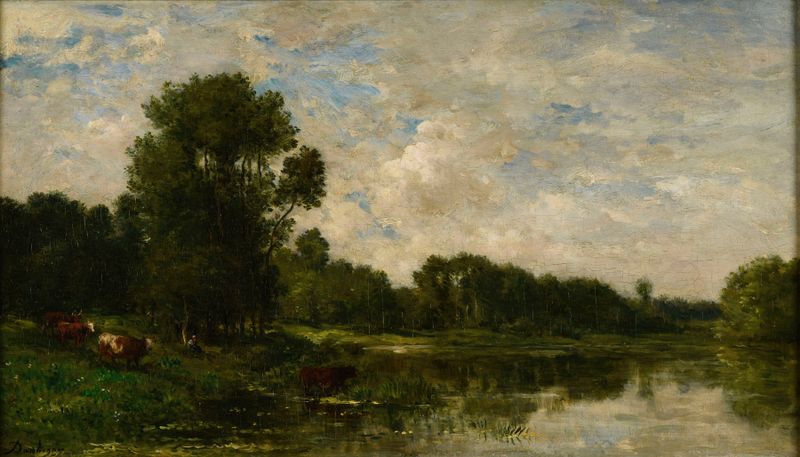
Bords de l’Oise
Charles François Daubigny
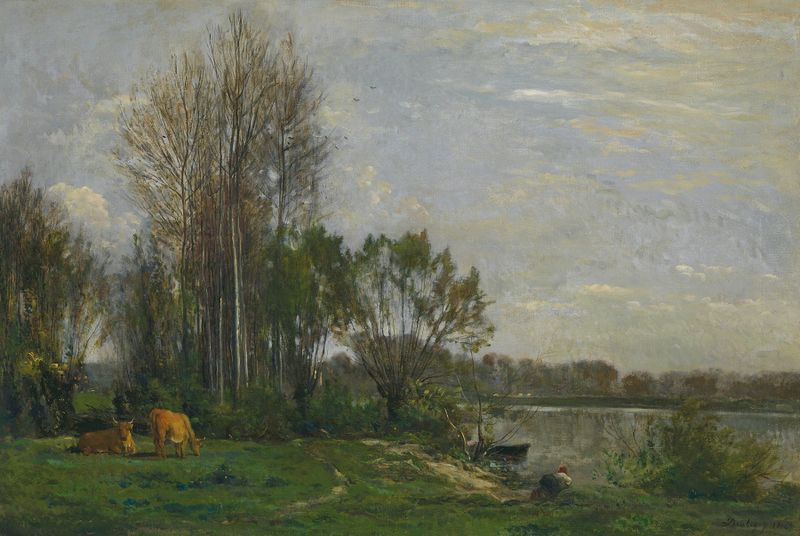
Les Bord De L’oise
Charles François Daubigny
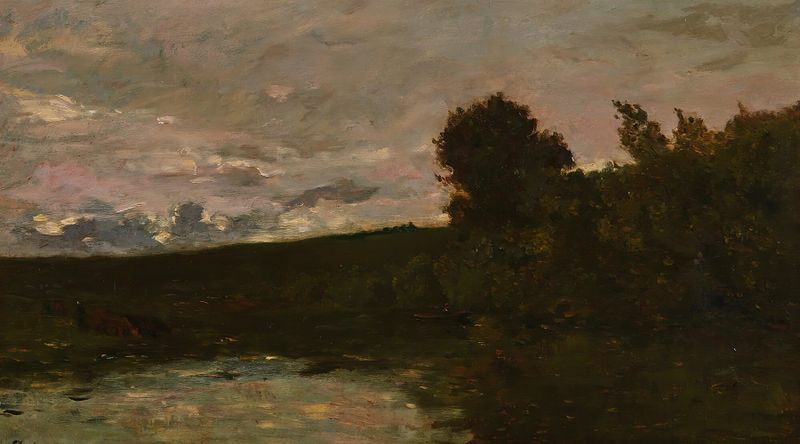
Bord De Riviére
Charles François Daubigny
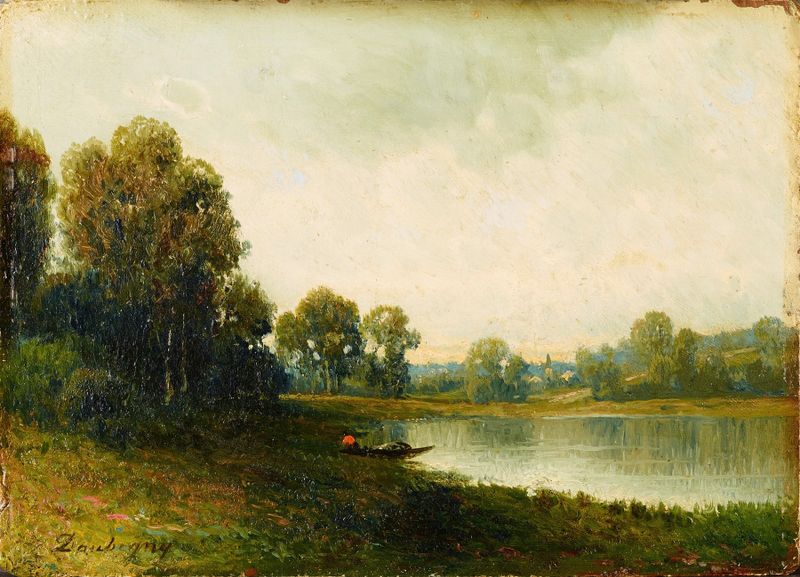
Landscape
Charles François Daubigny
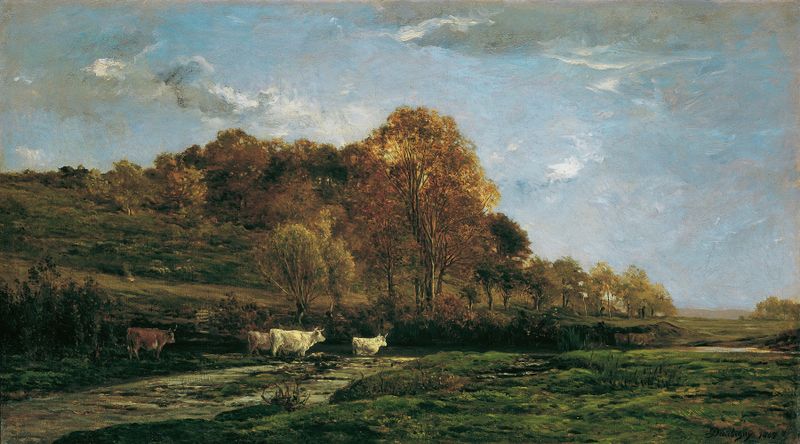
Herbstliche Aulandschaft Abendstimmung
Charles François Daubigny
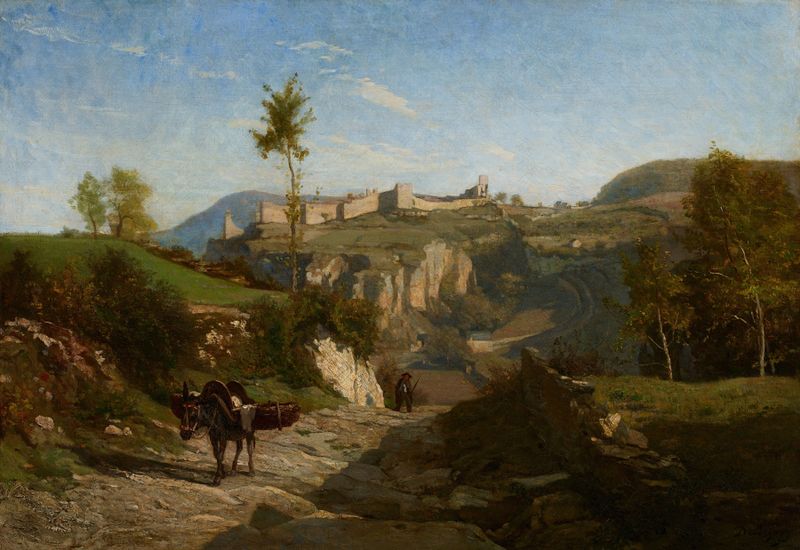
Landscape near Crémieu
Charles François Daubigny





