
Convoitise — History & Facts
What catches the eye first in Convoitise is not the glitter of the shop window, but the way the two figures are drawn into its glow. Their faces, pale and softly illuminated, lean toward the glass with a longing that is almost physical. The artist, Théophile Alexandre Steinlen, uses the darkness of the street to frame this private moment of desire, letting the golden light spill only on the objects of temptation and the faces pressed close to them.
The sweep of the large hatbox, cradled protectively in the arm of the woman in front, hints at recent acquisition or perhaps an aspiration yet unfulfilled, while the delicate, almost ghostly sketches of jewelry and trinkets behind the glass sharpen the sense of distance between wish and possession. Created in 1895, this drawing belongs to a world on the cusp of modernity, when Paris was a city of electric lights, bustling boulevards, and new forms of consumer longing. Works like this, reproduced in publications such as Les Maîtres de l'Affiche, captured the spirit of the fin-de-siècle metropolis—its pleasures, its temptations, and its social divides. Steinlen was known for chronicling the lives of ordinary Parisians, and here he turns his attention to the theater of the street, where window shopping became both pastime and metaphor.
History has kept few traces of this particular drawing beyond its inclusion in that celebrated series, but its quiet drama invites us to linger, just as the figures linger before the glass, caught between shadow and desire.
More Artworks by Théophile Alexandre Steinlen

Village et charrette
Théophile Alexandre Steinlen
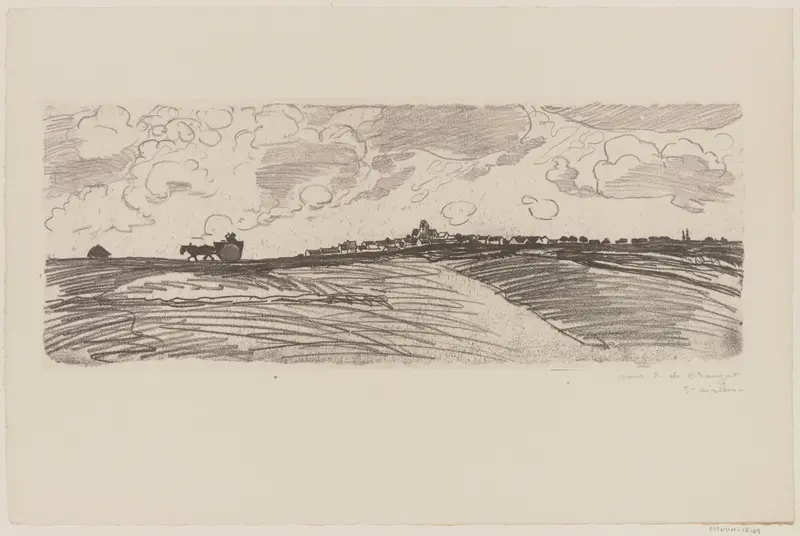
Village et charrette
Théophile Alexandre Steinlen
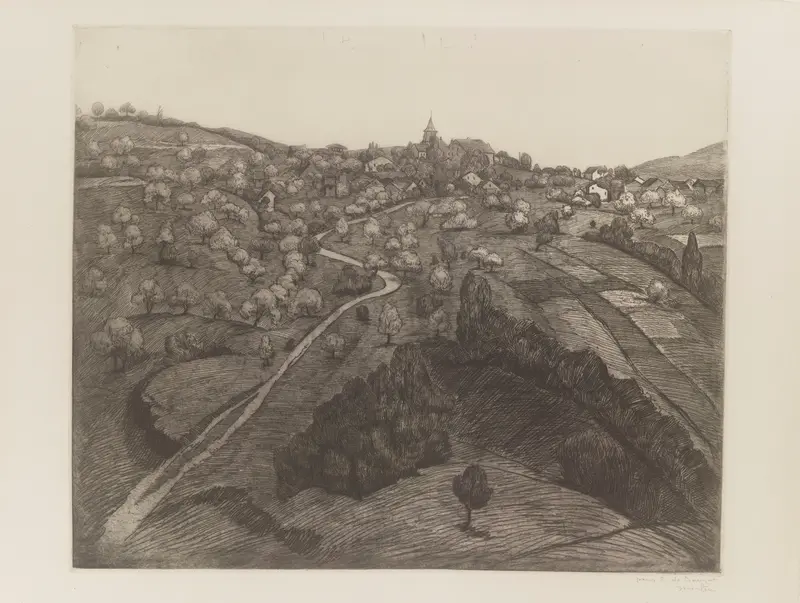
Vue de Belmont, près de Lausanne
Théophile Alexandre Steinlen
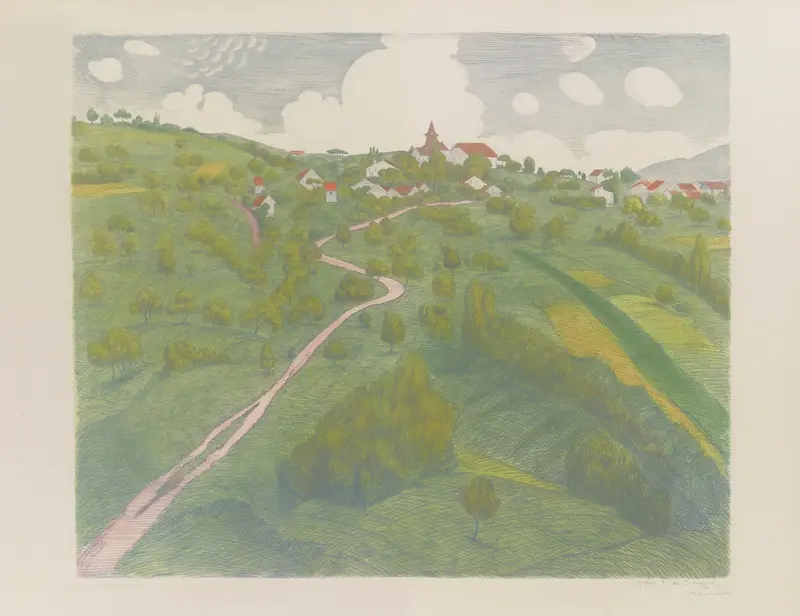
Vue de Belmont, près de Lausanne
Théophile Alexandre Steinlen
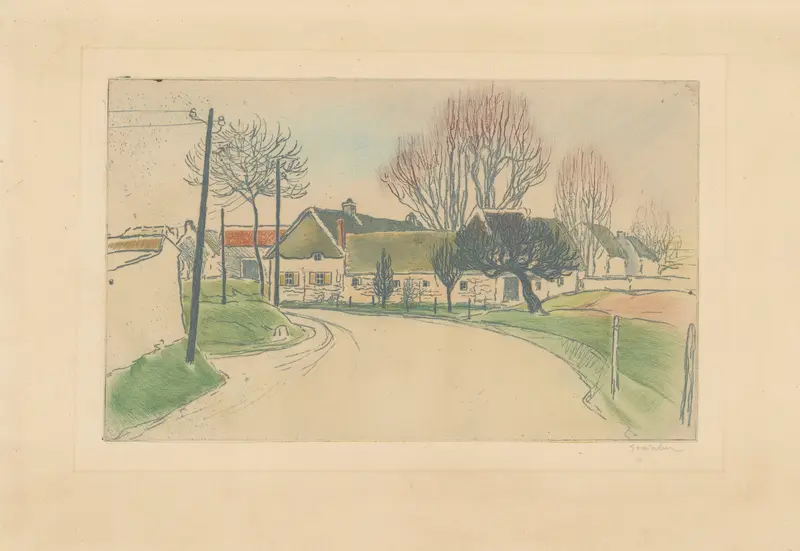
La maison à l’entrée du village
Théophile Alexandre Steinlen
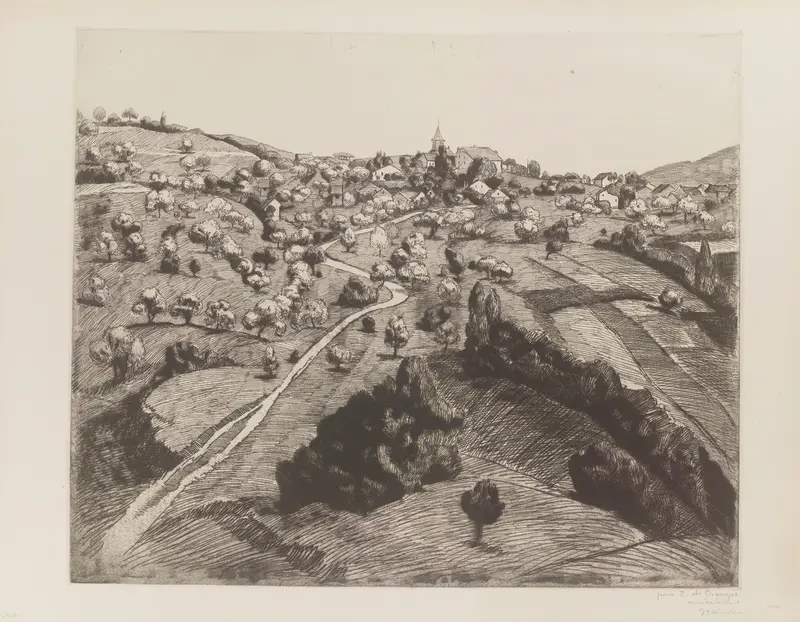
Vue de Belmont, près de Lausanne
Théophile Alexandre Steinlen
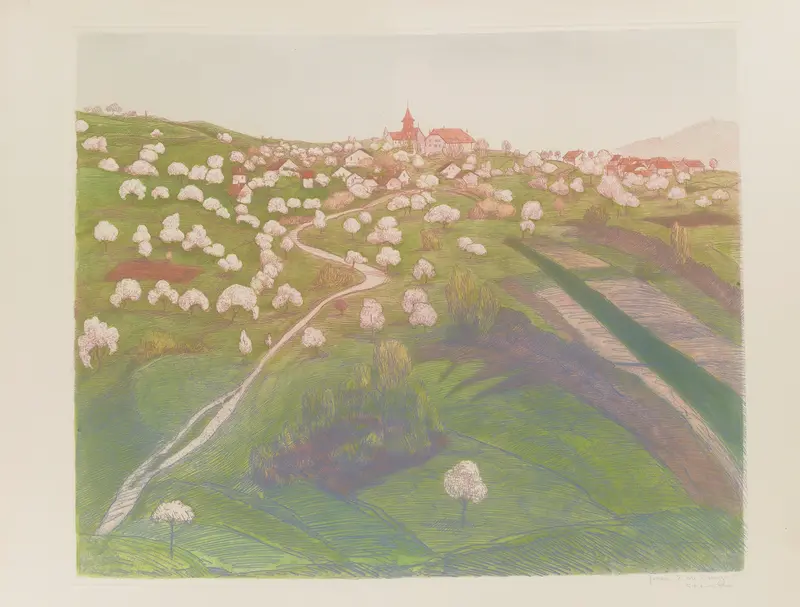
Vue de Belmont, près de Lausanne, n° 2
Théophile Alexandre Steinlen
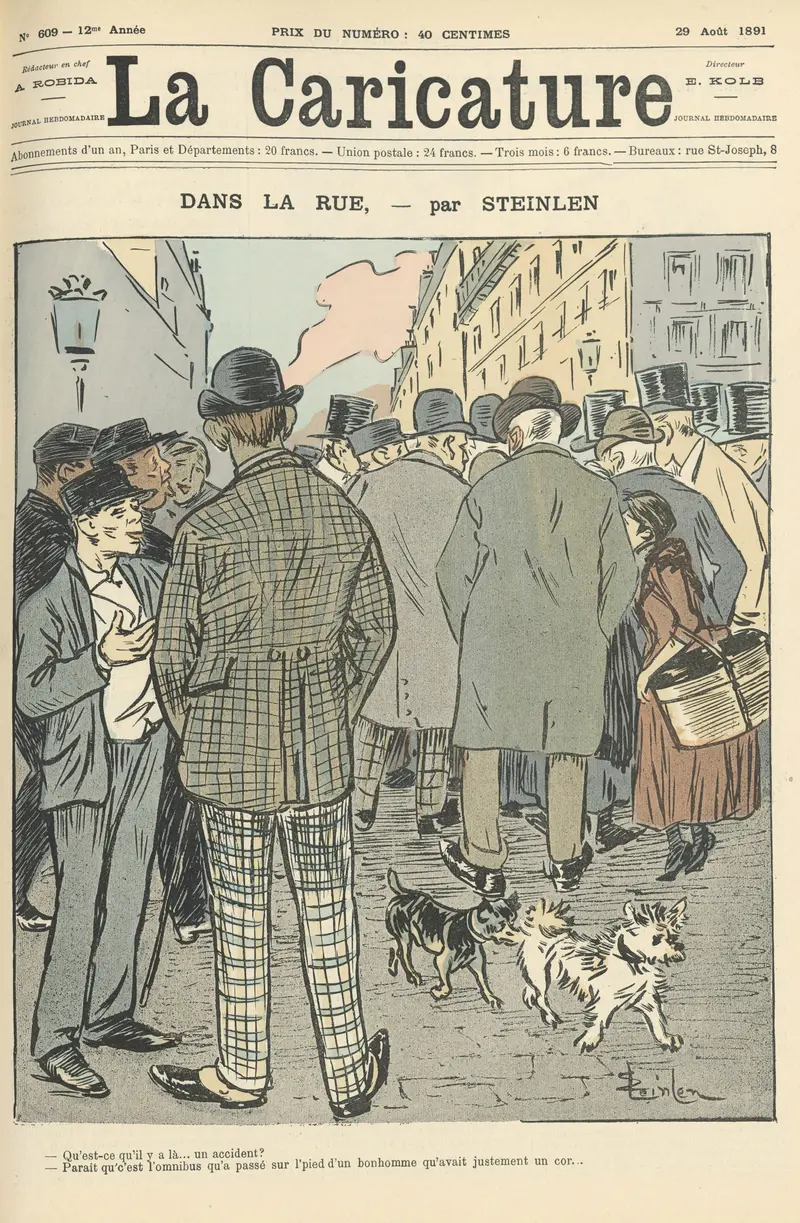
Dans la rue (La Caricature, 29 août 1891)
Théophile Alexandre Steinlen
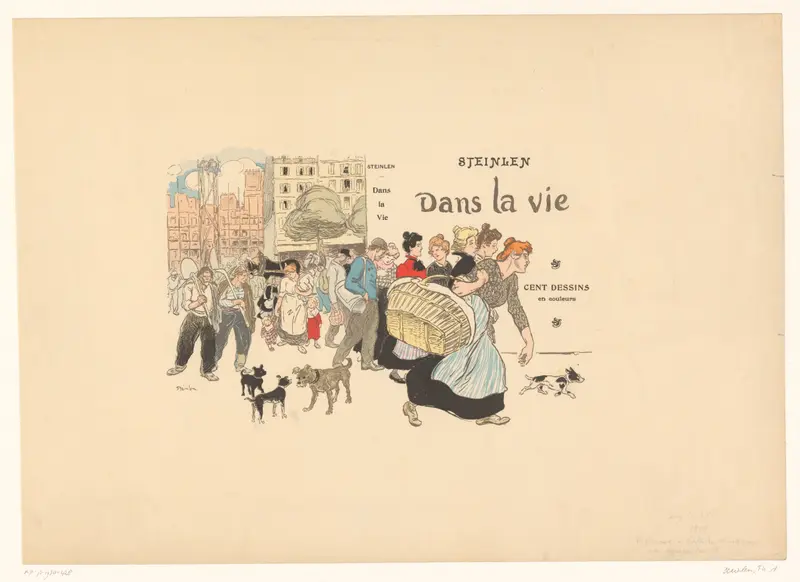
Dans la vie
Théophile Alexandre Steinlen
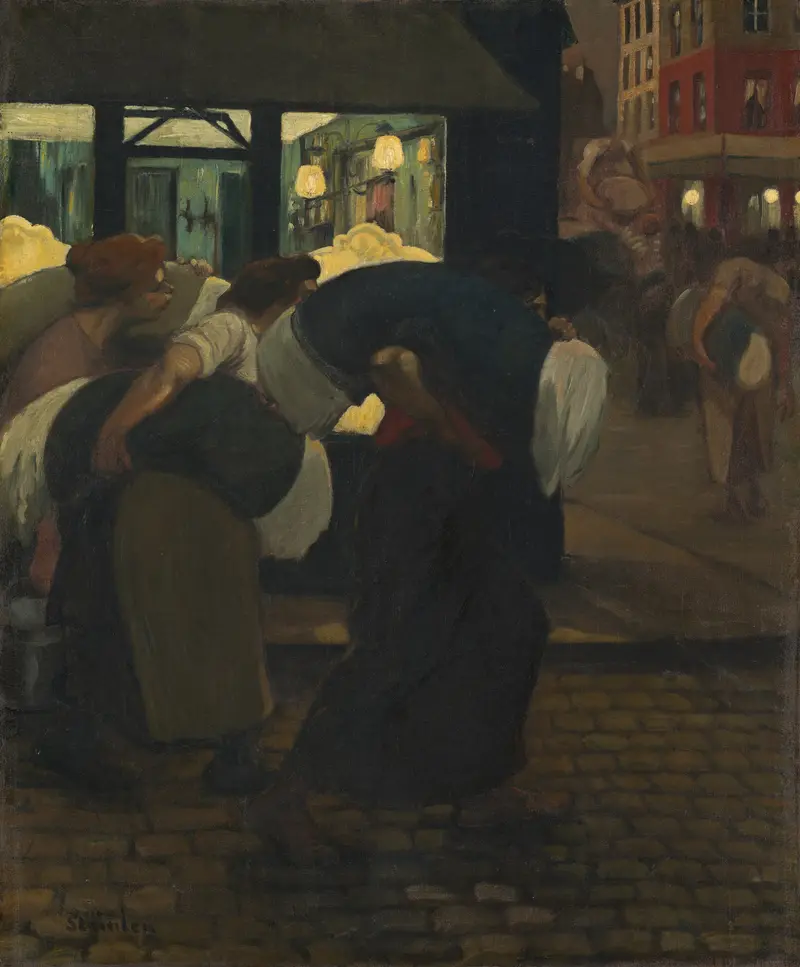
The Laundresses
Théophile Alexandre Steinlen
More Genre Scene Art

Banquet of the Officers of the St George Civic Guard
Frans Hals

Rembrandt and Saskia in the Scene of the Prodigal Son
Rembrandt van Rijn

Bal du moulin de la Galette
Pierre-Auguste Renoir

Quadrille at the Moulin Rouge
Henri de Toulouse-Lautrec

A Burial at Ornans
Gustave Courbet

When Will You Marry?
Paul Gauguin