Cottage with Peasant Woman Digging — History & Analysis
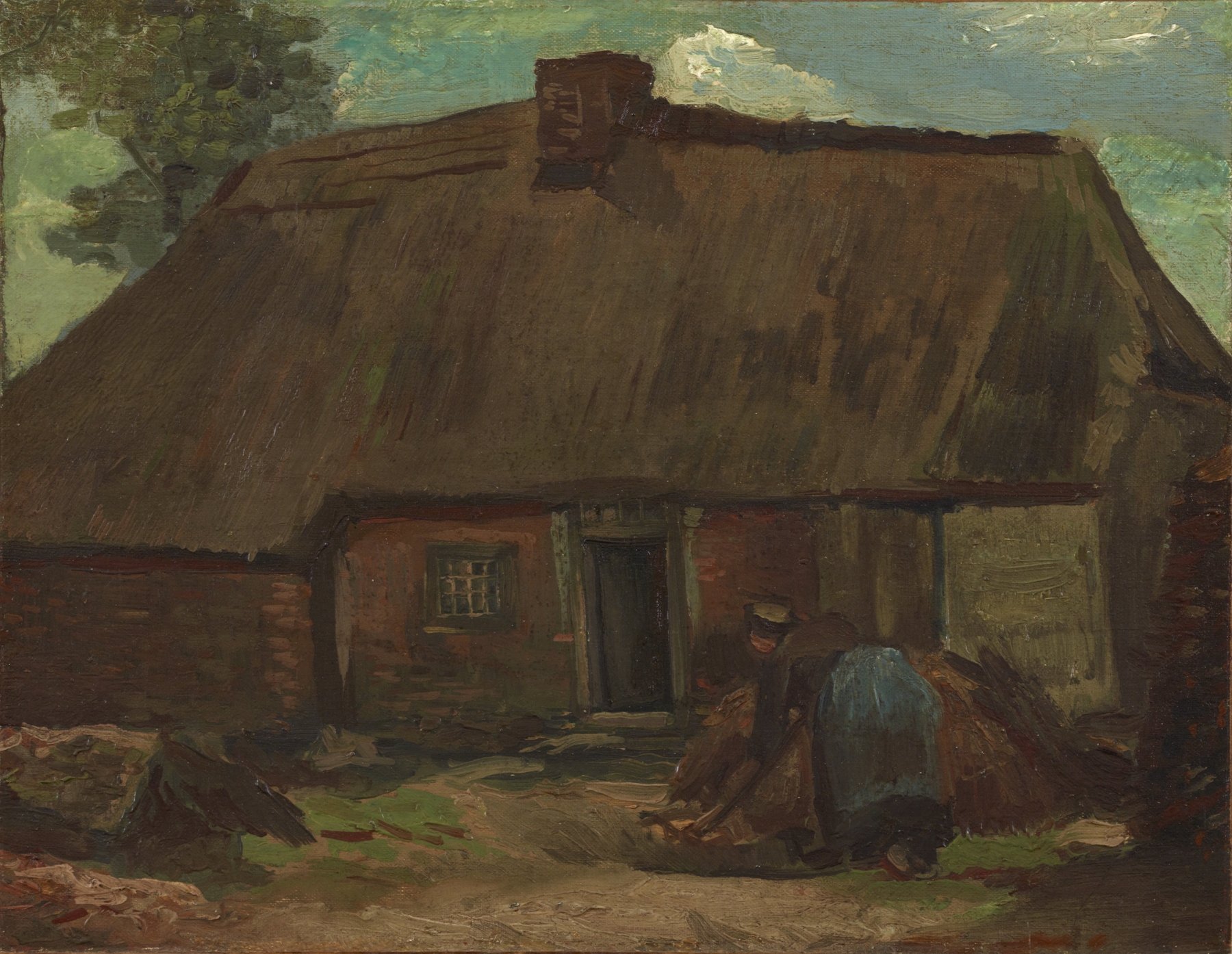
Could beauty survive in a century of chaos? In the quiet embrace of a sunlit landscape, the weight of silence speaks volumes, revealing an intimate connection between humanity and nature. Look to the left at the quaint cottage, its thatched roof nestled amidst the lush greenery. The peasant woman, hunched yet determined, captures the essence of labor, her earthy tones echoing the fertile soil she digs into. Notice how the soft, golden light bathes the scene, accentuating the textures of the crops and the gentle brushstrokes that bring life to the canvas.
The harmonious palette of greens, browns, and yellows envelops viewers, gently guiding the eye toward the delicate interplay of labor and leisure in rural life. Beneath the surface, the painting reflects a poignant contrast: the strenuous toil of the peasant juxtaposed against the serene backdrop of the cottage. It speaks to the dignity of hard work and the beauty that can emerge from humble existence. The stillness of the moment allows for introspection, inviting the viewer to ponder the unspoken stories that lie beneath the earth, connecting generations through shared endeavor.
Each brushstroke resonates with the silent strength of resilience amidst life's challenges. In 1885, Van Gogh was living in Nuenen, the Netherlands, where he immersed himself in the lives of peasants and rural labor. He was grappling with his artistic identity, seeking to express the raw essence of human experience through his work. This period marked his deepening commitment to realism, capturing the dignity of the working class against the backdrop of an ever-changing world.