
Country Boy — History & Facts
What catches the eye first in Country Boy is the sense of movement, as if the young figure has been caught mid-step, pausing between action and hesitation. The boy’s tunic, rendered in swift, confident brushstrokes, seems almost to flutter around him, while his legs—wrapped in rustic leggings—anchor him to the earth. The artist, Aleksander Kotsis, leaves much of the background bare, letting the raw canvas and loose shadows frame the child’s uncertain gesture.
His left hand reaches out, fingers splayed, while his face is turned down and away, shaded by a mop of tousled hair. The palette is earthy and restrained, focusing all attention on the boy’s posture and the unspoken story in his stance. Painted in 1870, this work belongs to a period when scenes of rural life were gaining new attention across Europe, often as a quiet form of resistance or nostalgia in times of political upheaval. In Poland, artists like Kotsis turned to the countryside not just for picturesque subjects, but to document a way of life under threat from modernization and partition.
While little is recorded about the specific journey of this painting, it now resides in the National Museum in Kraków, a fitting home for a work so rooted in the Polish landscape and spirit. The rough immediacy of the brushwork invites us to imagine the world just outside the frame—fields, chores, and the daily drama of rural childhood—waiting for the boy’s next step.
More Artworks by Aleksander Kotsis

Trip in the Tatra Mountains
Aleksander Kotsis

Fair in Nowy Targ
Aleksander Kotsis
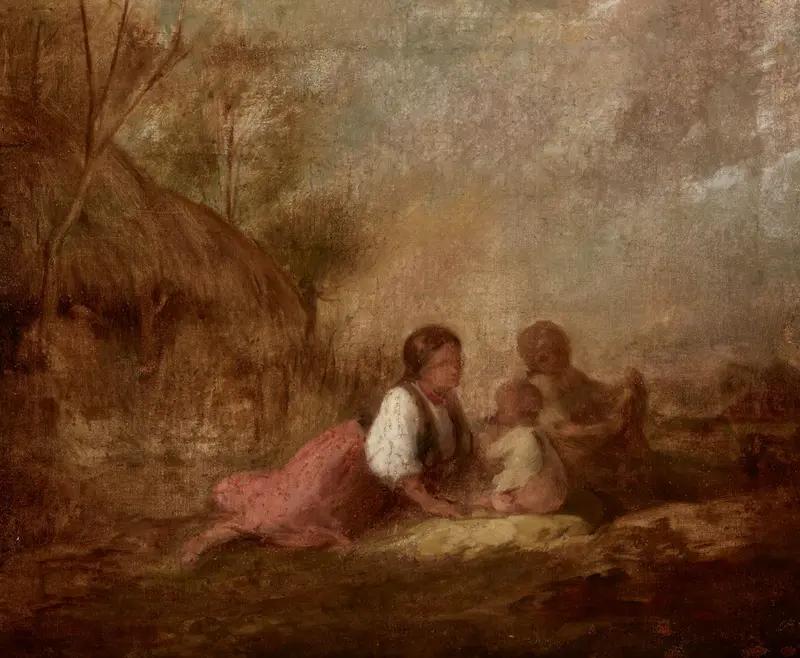
Pastoral Scene
Aleksander Kotsis
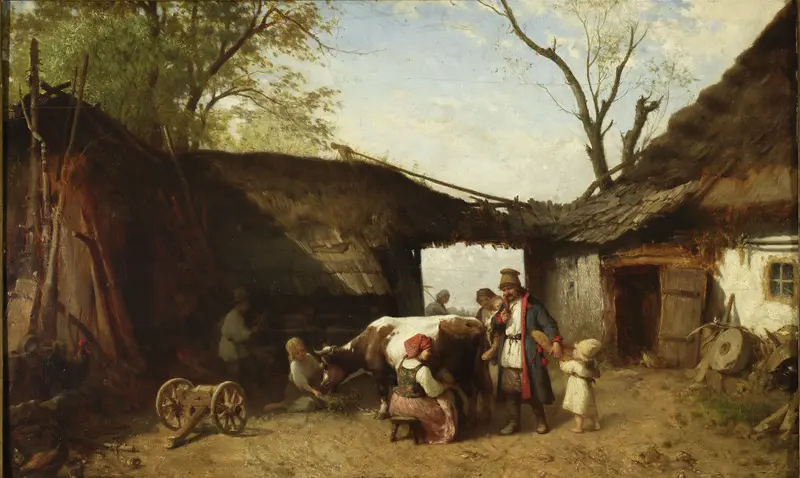
In the farmyard
Aleksander Kotsis
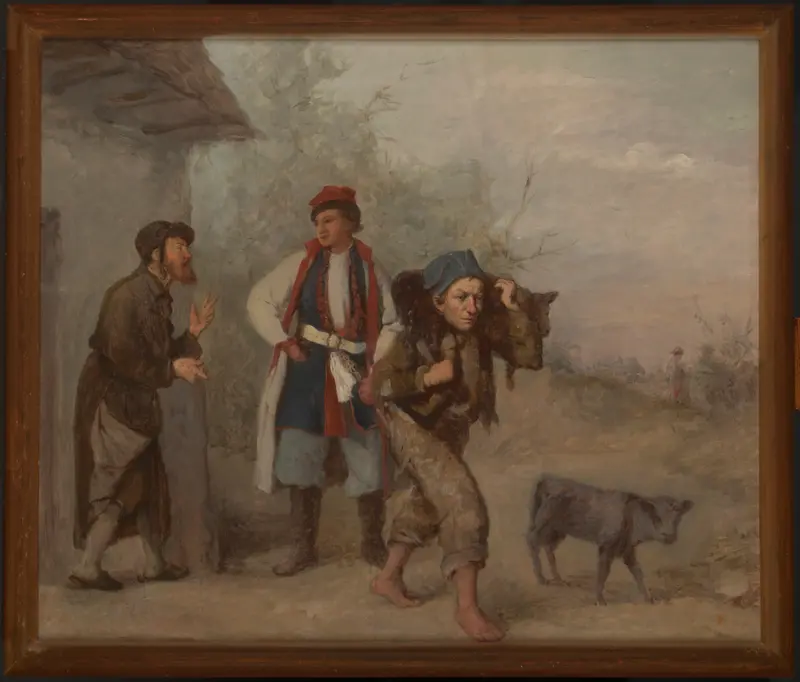
Haggling over a Calf
Aleksander Kotsis
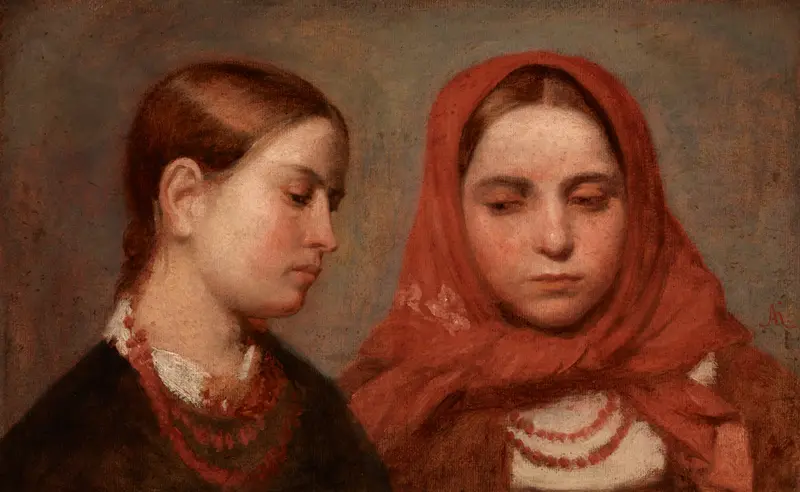
Heads of Two Young Girls
Aleksander Kotsis
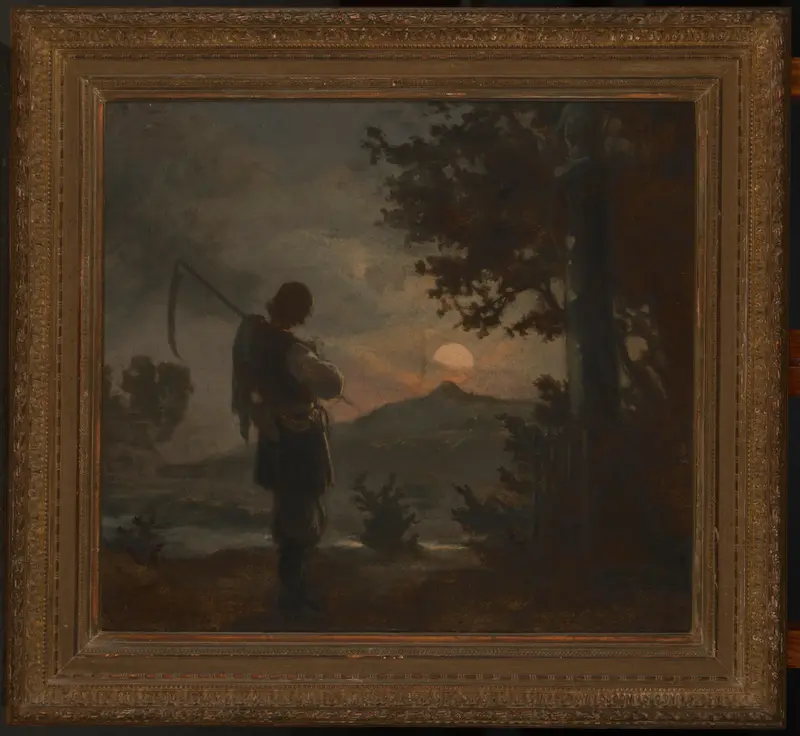
Haymaker
Aleksander Kotsis
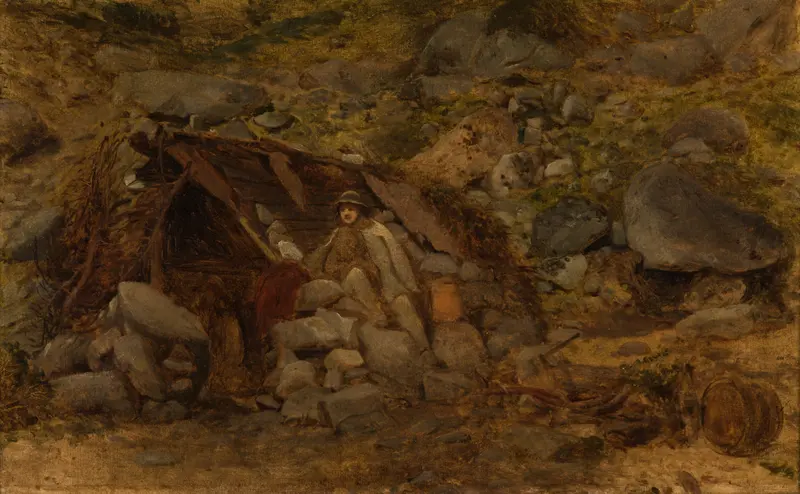
Highlander in Front of a Hut
Aleksander Kotsis
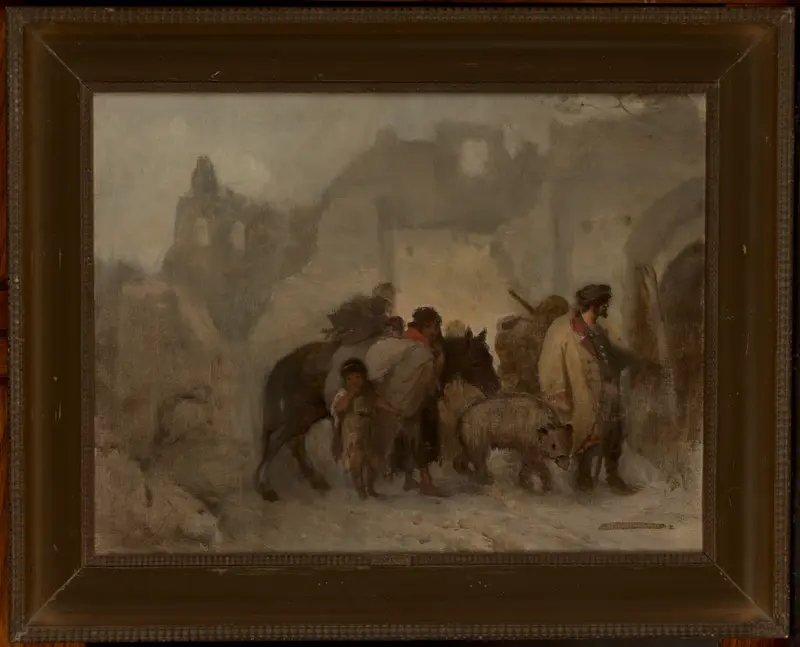
Gypsies
Aleksander Kotsis
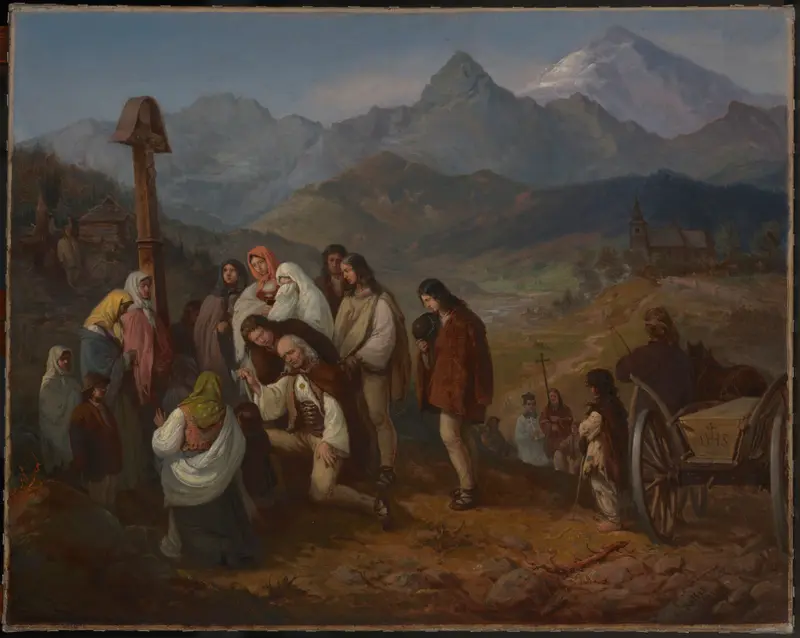
A Highlander's Funeral
Aleksander Kotsis
More Genre Scene Art

Banquet of the Officers of the St George Civic Guard
Frans Hals

Rembrandt and Saskia in the Scene of the Prodigal Son
Rembrandt van Rijn

Bal du moulin de la Galette
Pierre-Auguste Renoir

Quadrille at the Moulin Rouge
Henri de Toulouse-Lautrec

A Burial at Ornans
Gustave Courbet

When Will You Marry?
Paul Gauguin