
Cour et écurie d’un loueur — History & Facts
Cour et écurie d’un loueur shows a bustling courtyard with horses and figures interacting. The scene is filled with earthy tones and soft brushstrokes that capture the lively atmosphere. You can see people tending to the horses, creating a sense of everyday life in the 19th century.
The setting is intimate, inviting viewers to feel part of this vibrant moment. In the foreground, the horses are depicted with great attention to detail, showcasing Boudin's skill in capturing their form and movement. The figures are dressed in period clothing, which adds to the authenticity of the scene. The composition leads the eye through the courtyard, creating a sense of depth and activity.
Boudin's use of light enhances the overall warmth of the painting. Eugène Boudin painted this work around the 1860s, during a time when he was gaining recognition for his contributions to Impressionism. He often focused on outdoor scenes, capturing the essence of daily life in France. This painting reflects his love for nature and the working class, showcasing a moment that might otherwise go unnoticed.
Today, Cour et écurie d’un loueur can be found at the Musée des Beaux-Arts de Rouen, where it continues to engage audiences with its charm.
More Artworks by Eugène Boudin

Vacationers on the Beach at Trouville
Eugène Boudin
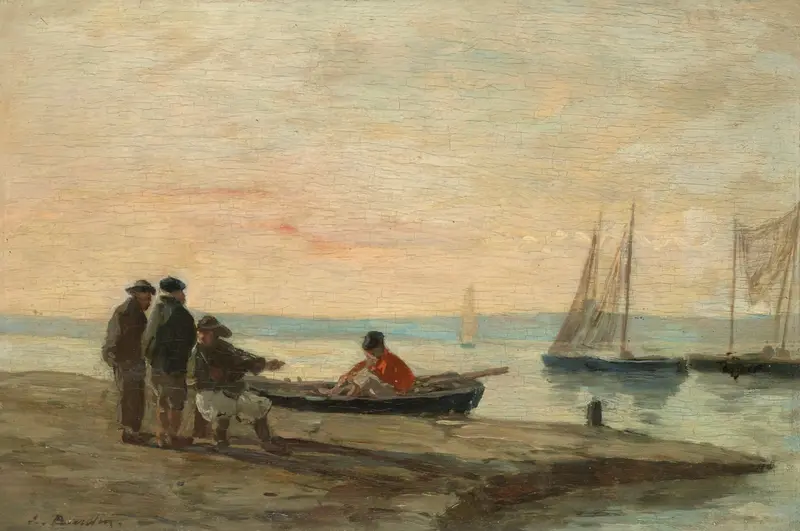
Port aux environs d’Honfleur
Eugène Boudin
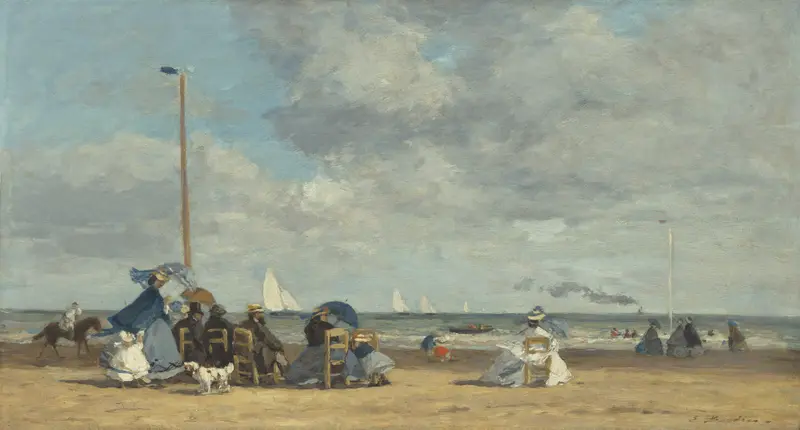
Beach at Trouville
Eugène Boudin
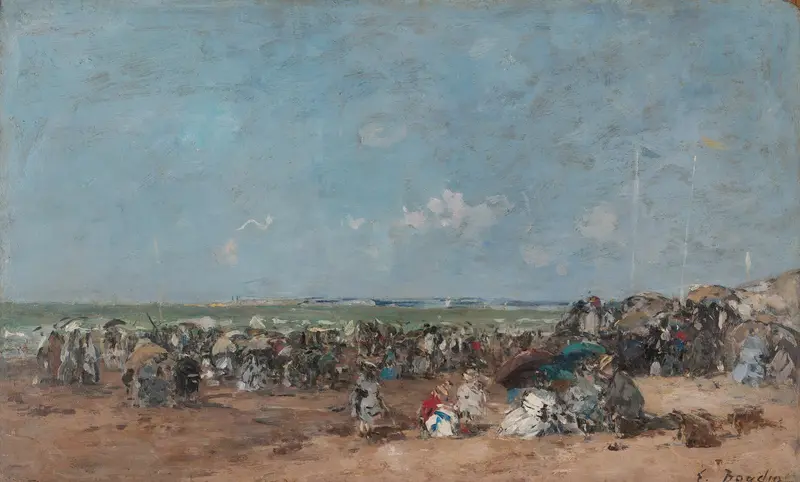
Beach Scene in Trouville
Eugène Boudin
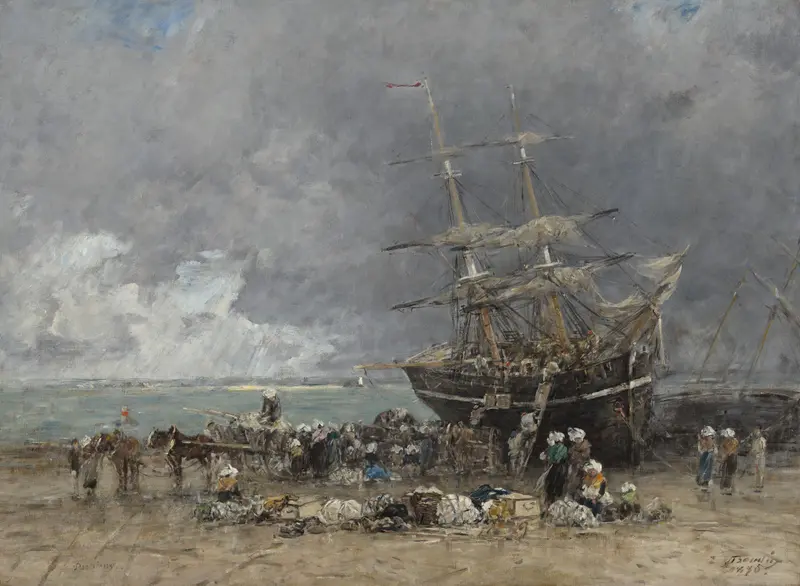
Return of the Terre-Neuvier
Eugène Boudin
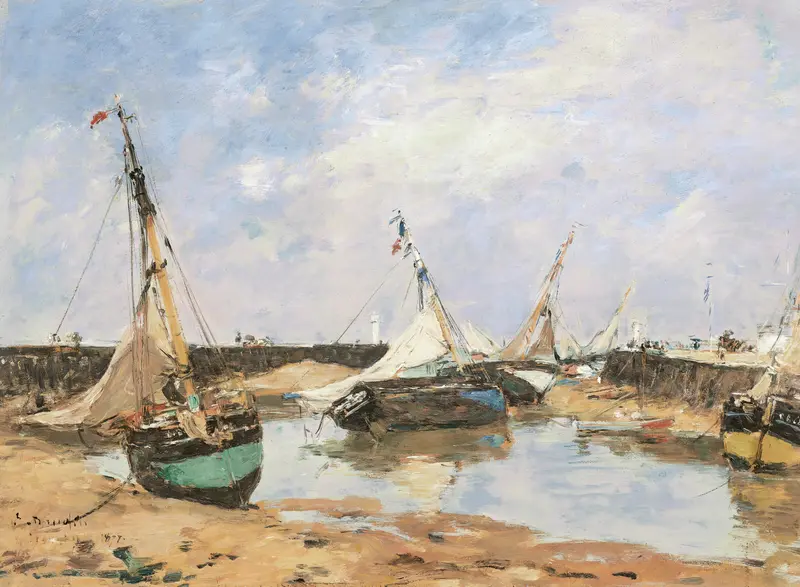
Trouville. Barques échouées entre les jetées
Eugène Boudin
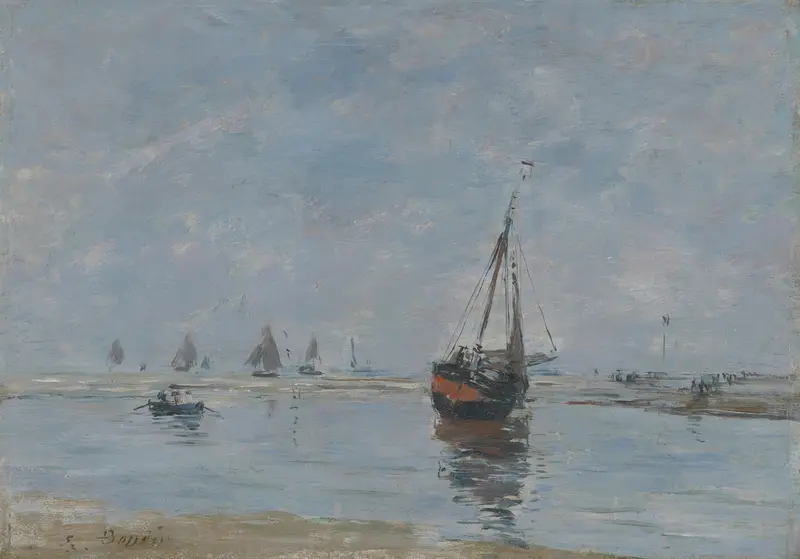
Trouville at Low Tide
Eugène Boudin
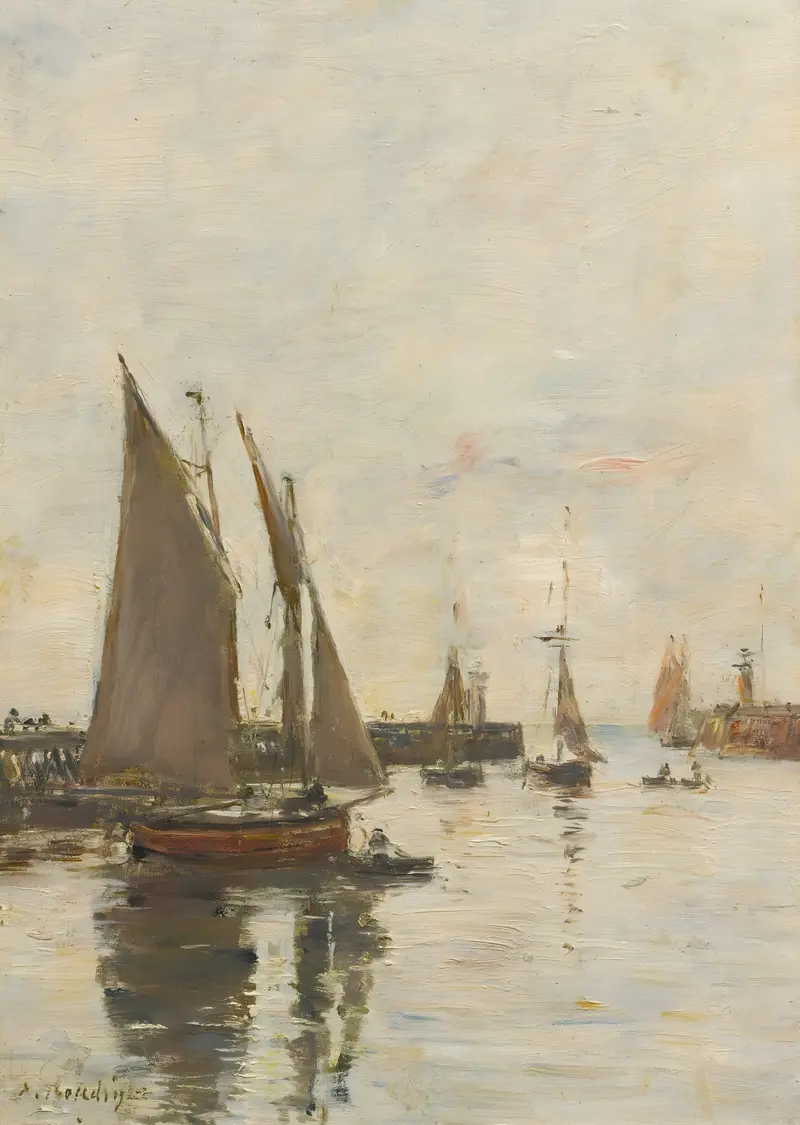
Trouville, Les Jetées Marée Haute
Eugène Boudin
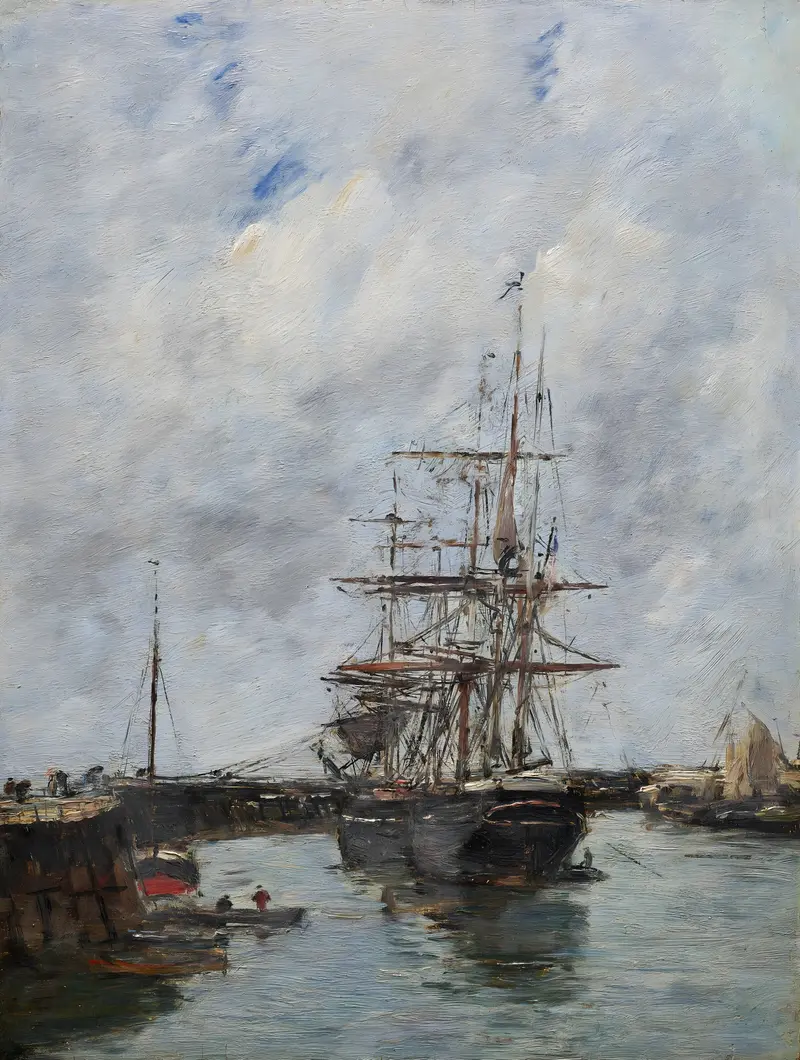
Trouville, Les jetées marée haute
Eugène Boudin
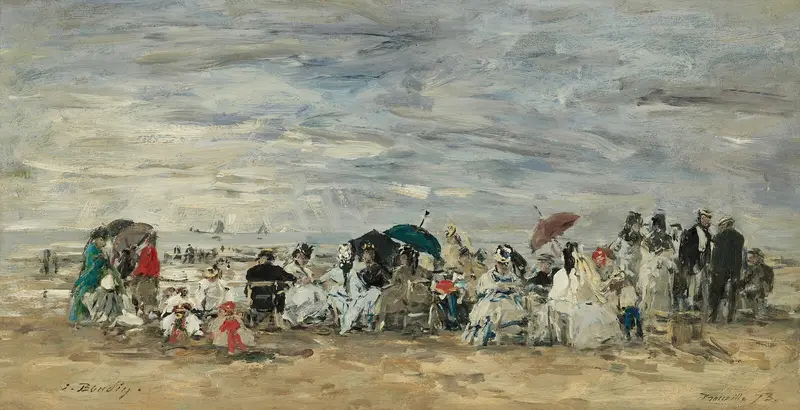
Trouville, Scène de plage
Eugène Boudin
More Genre Scene Art

Banquet of the Officers of the St George Civic Guard
Frans Hals

Rembrandt and Saskia in the Scene of the Prodigal Son
Rembrandt van Rijn

Bal du moulin de la Galette
Pierre-Auguste Renoir

Quadrille at the Moulin Rouge
Henri de Toulouse-Lautrec

A Burial at Ornans
Gustave Courbet

When Will You Marry?
Paul Gauguin