
Cows in a River, at Sunset — History & Facts
What first catches the eye in Cows in a River, at Sunset is the hush of golden light that settles over the scene, as if the day itself is pausing to watch the cattle. The river is calm, its surface reflecting the sails of distant boats that drift toward a hazy horizon. The cows, both standing and reclining, seem to bask in the fading warmth, their bodies rendered with a softness that echoes the gentle sky.
A single figure sits quietly to the right, half-hidden, suggesting the silent companionship between human and animal at the water’s edge. The low vantage point and wide sweep of sky give the landscape a sense of openness, inviting the viewer to linger in this tranquil moment. Painted in 1650, this work by Aelbert Cuyp belongs to the Dutch Golden Age, when artists found new poetry in the everyday countryside. Scenes like this were prized by prosperous burghers who wanted reminders of the land’s peace and plenty, a world away from the bustle of the city.
Cuyp’s luminous handling of light and atmosphere set him apart from his contemporaries, and his cows became almost as iconic as the ships and rivers of the Dutch Republic. Now in the Pushkin Museum, this painting stands as a quiet testament to a time when landscape was not just a backdrop, but a subject worthy of wonder—look again, and see how the last rays of sun turn even the humblest pasture into something to remember.
More Artworks by Aelbert Cuyp

The Maas at Dordrecht
Aelbert Cuyp
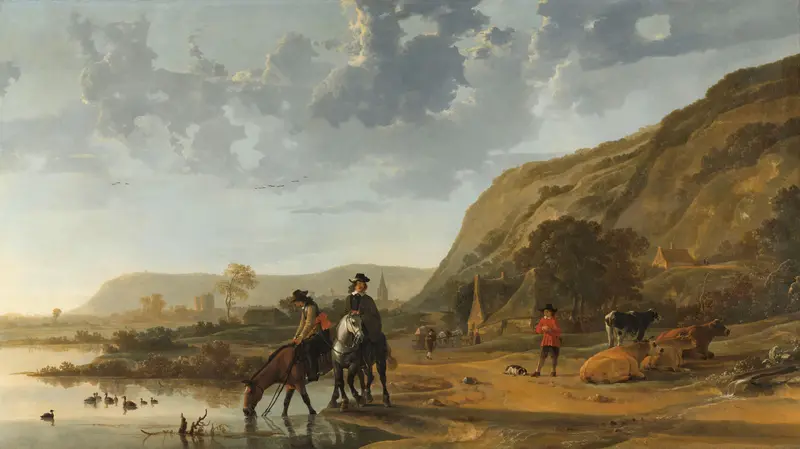
River Landscape with Riders
Aelbert Cuyp

The Maas at Dordrecht
Aelbert Cuyp
Gezicht op Dordrecht
Aelbert Cuyp
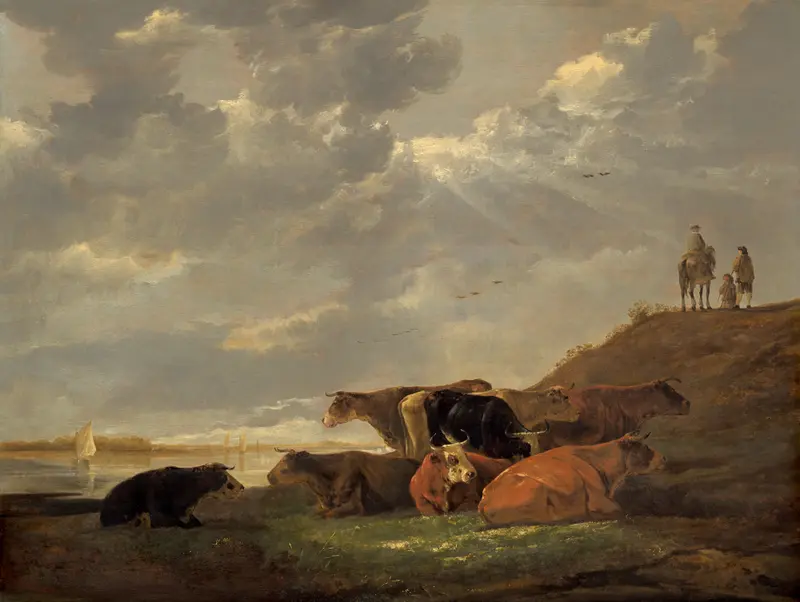
River Landscape with Cows
Aelbert Cuyp
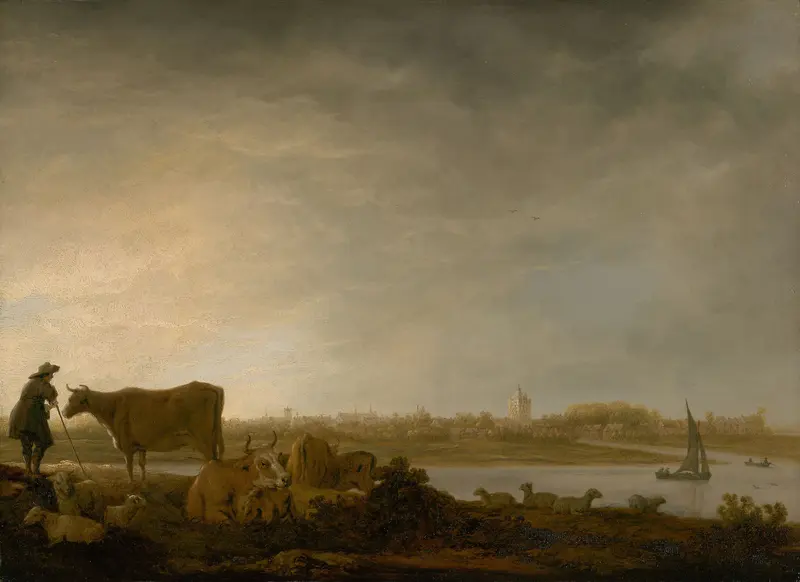
A View of Vianen with a Herdsman and Cattle by a River
Aelbert Cuyp
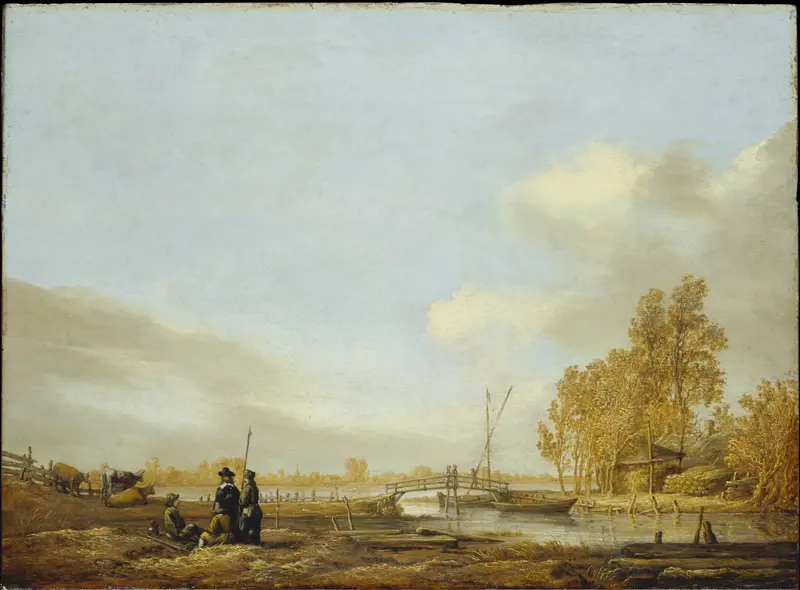
River Landscape with Footbridge
Aelbert Cuyp
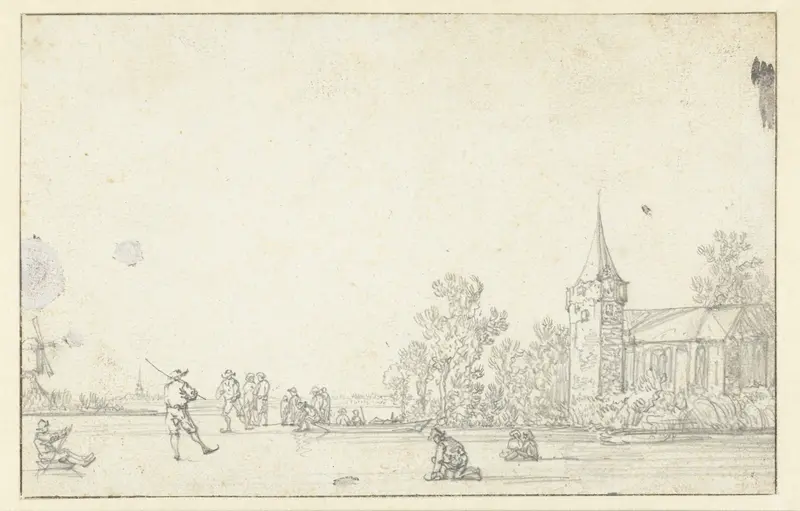
Bevroren rivier met schaatsers bij een kerk
Aelbert Cuyp

Cattle near a River
Aelbert Cuyp
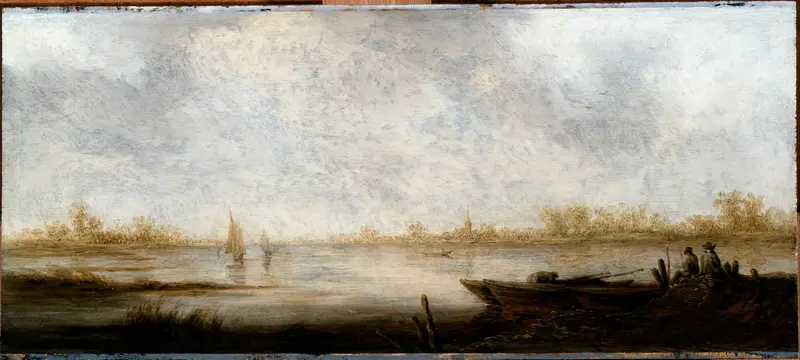
River Landscape
Aelbert Cuyp
More Landscape Art

The Starry Night
Vincent van Gogh

View of Delft
Johannes Vermeer

Water Lilies
Claude Monet

The Grand Canal, Venice, looking north-west from the Ca' Corner to the Ca' Contarini degli Scrigni, with the campanile of Santa Maria della Carità
Canaletto

Windsor Castle
Canaletto

The Grand Canal looking North-East from the Palazzo Dolfin-Manin to the Rialto Bridge
Canaletto