
Cupid And Psyche — History & Facts
When Cupid And Psyche by François Gérard was first exhibited at the Salon of 1798, it caused a sensation among Parisian audiences for its tender depiction of mythological love, and quickly established Gérard as one of the leading painters of the French Neoclassical movement. The painting’s immediate popularity led to numerous engravings and copies, spreading its fame beyond France. Critics of the day remarked on Gérard’s ability to combine classical restraint with a new emotional intimacy, a balance that set his work apart from his contemporaries.
The painting’s success also secured Gérard’s reputation at the court of Napoleon, where he would later become a favored portraitist. The moment Gérard chose to capture is the first kiss between Psyche, a mortal princess, and Cupid, the god of love—a scene from Apuleius’s ancient tale. Psyche, seated and draped in luminous white, leans gently toward Cupid, who hovers close, his wings softly catching the light. The delicate touch of their hands and the almost palpable pause before their lips meet create a sense of both innocence and longing.
The roses at Psyche’s feet and the gentle landscape behind them hint at the divine setting, while the soft modeling of flesh and fabric gives the figures a living warmth. In contrast to Antonio Canova’s marble sculpture of the same subject, Gérard’s painting emphasizes psychological connection over dramatic gesture. The exact provenance of this particular version of Cupid And Psyche is not fully documented, a common challenge with Gérard’s works, which were widely copied and reproduced in the early nineteenth century. Gérard painted several mythological subjects during his career, but this painting remains one of his most celebrated, often cited as a touchstone of French Neoclassicism.
Today, versions of the composition can be found in major museums, though the original’s location and medium are still the subject of scholarly inquiry. The enduring appeal of Gérard’s Cupid And Psyche lies in its gentle humanity, bridging the gap between classical myth and the emotional sensibilities of its own revolutionary age.
More Artworks by François Gérard

Portrait of Emperor Napoleon I
François Gérard
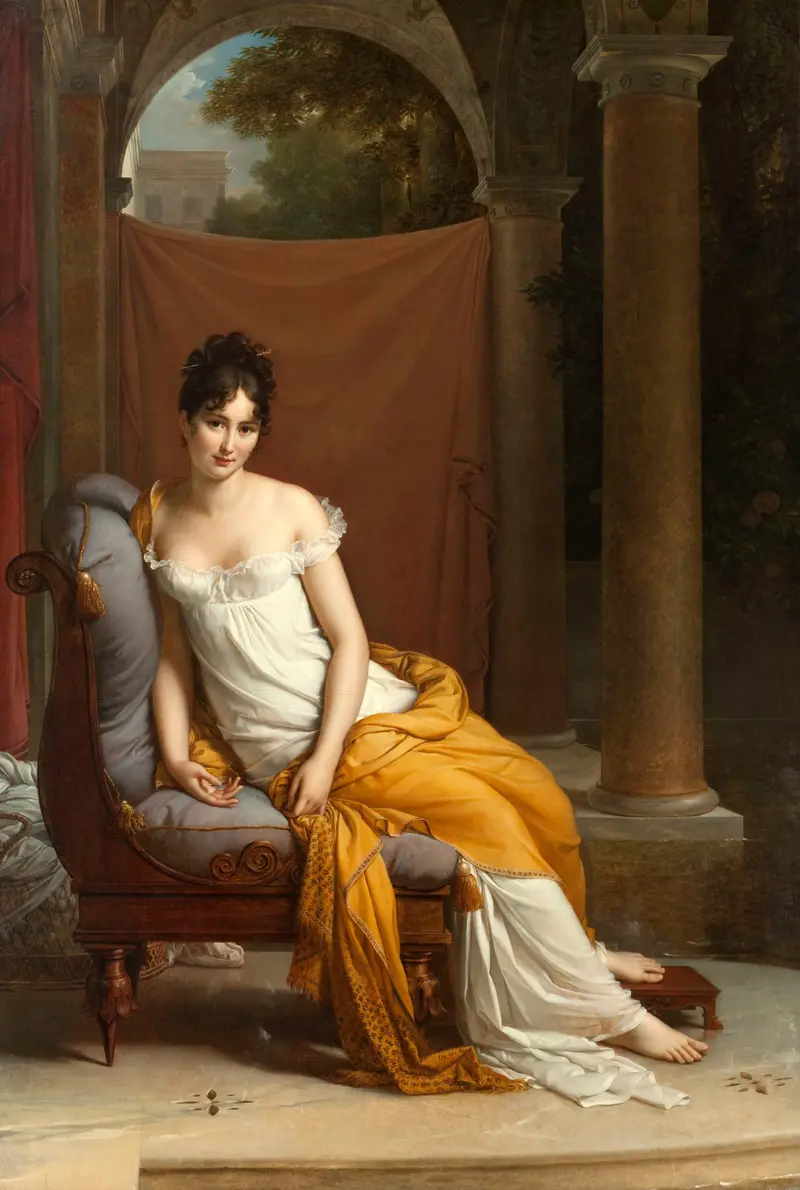
Portrait of Juliette Récamier, née Bernard
François Gérard
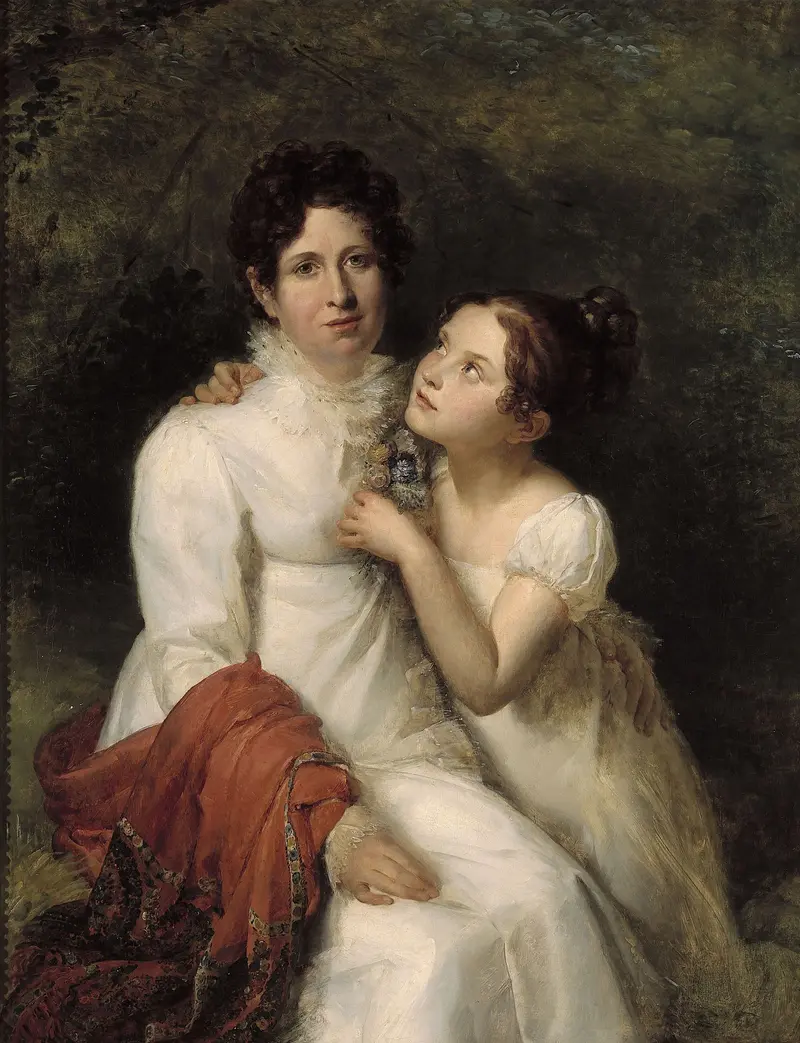
Portrait de Madame Bauquin Du Boulay et de sa nièce Mademoiselle Bauquin de La Souche
François Gérard
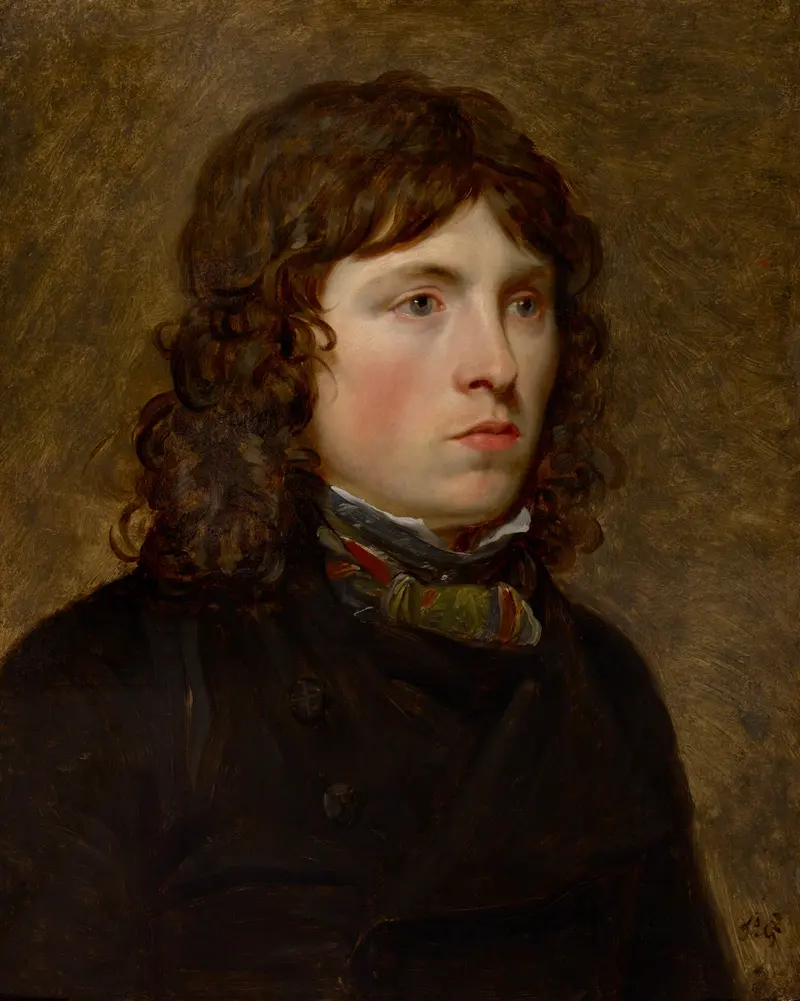
Portrait of G. F. Reverdin
François Gérard
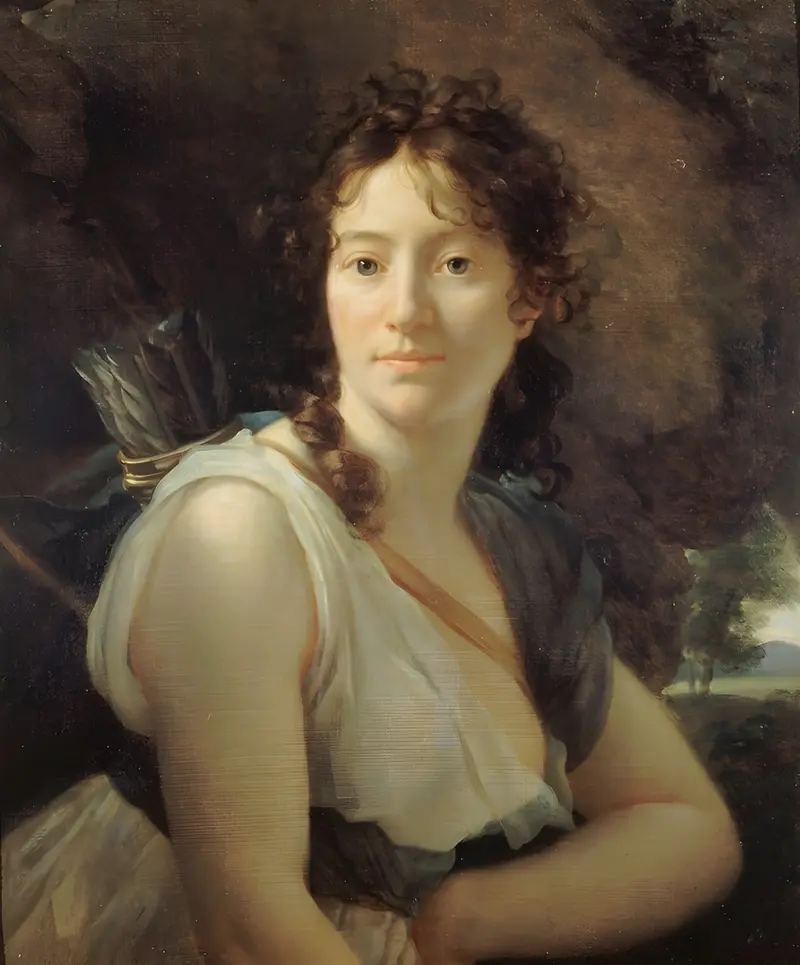
Portrait Of Mademoiselle Duchesnois (1777-1835), Member Of The Comédie-Française, In The Role Of Dido.
François Gérard
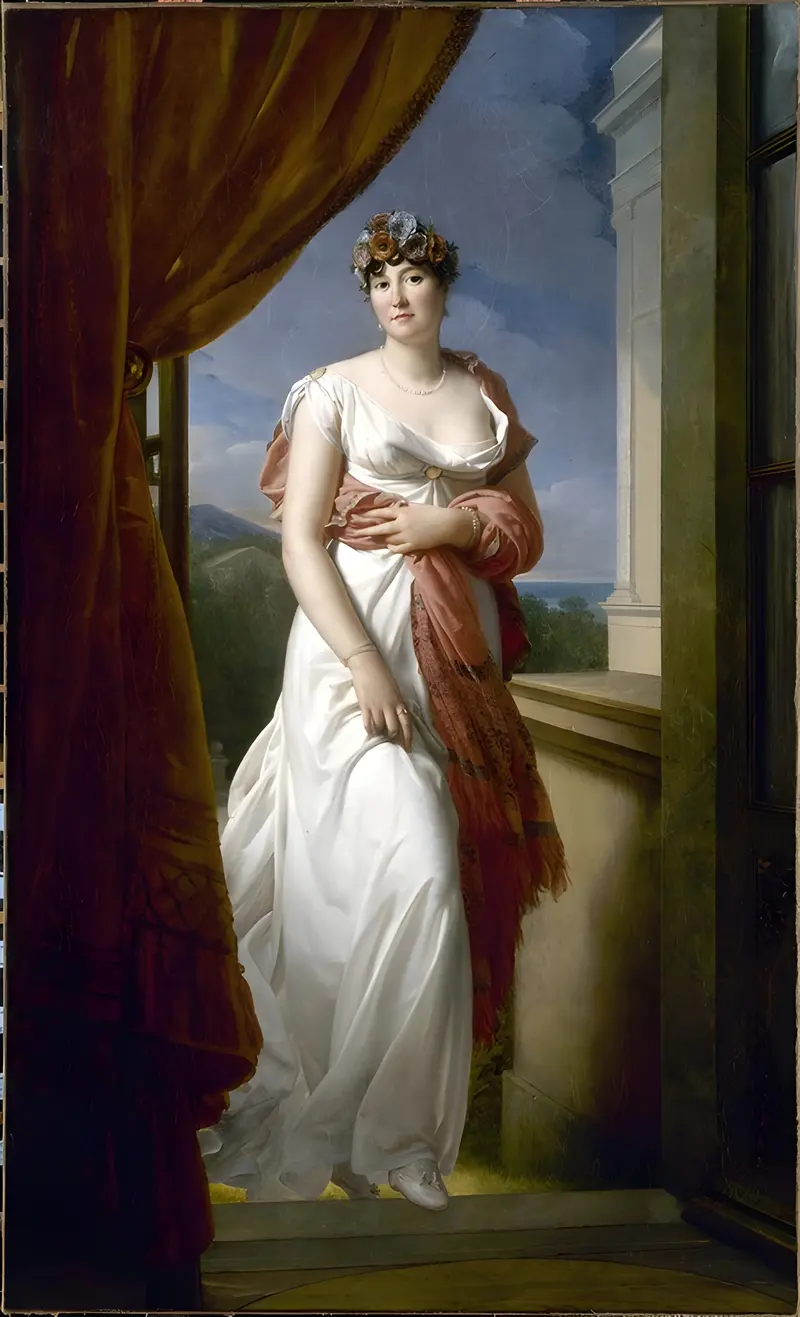
Portrait Of Theresia Cabarrus (1773-1835), Wife Tallien, Then Princess Of Caraman-Chimay
François Gérard
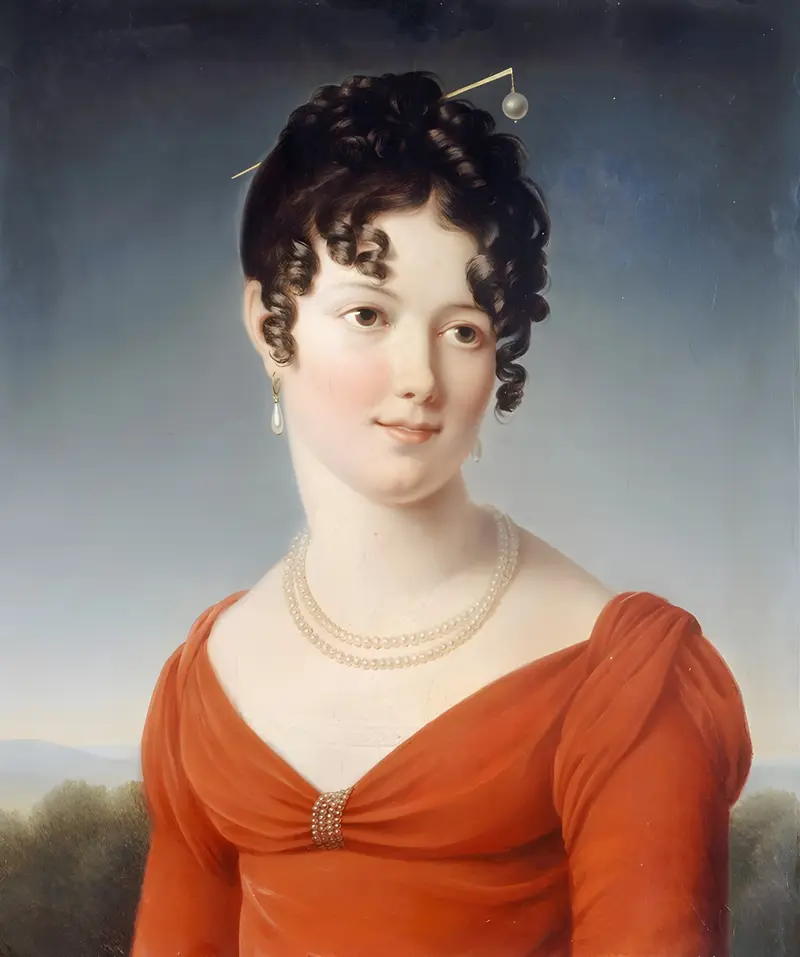
Bust Portrait Of Alexandrine-Anne De La Pallu, Marquise De Flers (1786-1832)
François Gérard
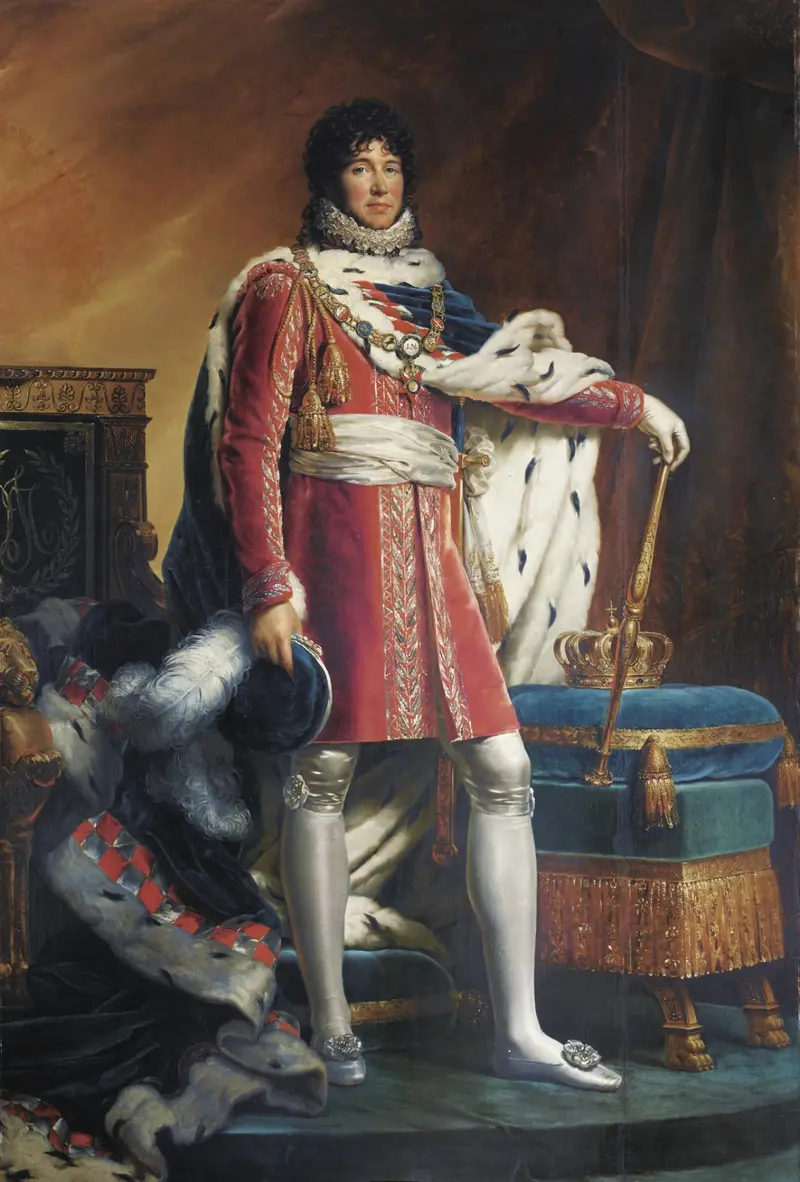
Portrait of Joachim Napoléon Murat, King of Naples and of the two Sicilies
François Gérard
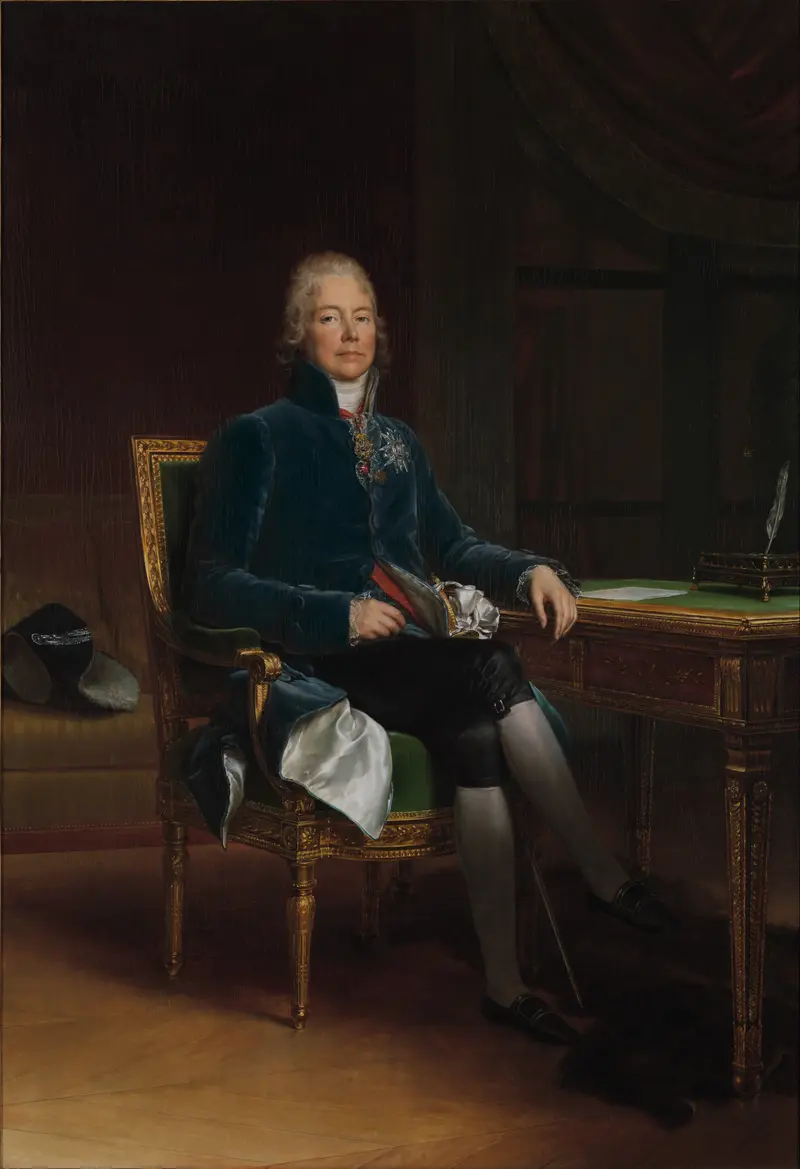
Charles Maurice de Talleyrand Périgord (1754–1838), Prince de Bénévent
François Gérard
Daphnis Running toward Chloe
François Gérard





