
Dancer in Blue Dress — History & Facts
No other painting by Jules Schmalzigaug is more frequently cited in discussions of early 20th-century movement than Dancer in Blue Dress. The work’s origins remain shrouded in mystery—neither its date nor its medium is firmly established—yet it has become emblematic of Schmalzigaug’s restless search for visual rhythm. Scholars are particularly drawn to the painting’s uncertain provenance, noting that its first public appearance was not recorded until decades after the artist’s death.
This aura of enigma has only heightened its reputation among admirers of the Futurist movement, with some even speculating that it may have been an unfinished experiment or a private study never meant for exhibition. At the heart of Dancer in Blue Dress is a single figure, caught mid-motion, her limbs blurred into arcs of color that seem to vibrate against the background. The dancer’s blue dress, rendered in sweeping, energetic strokes, becomes the focal point—its movement suggesting both the grace of ballet and the mechanical dynamism celebrated by the Futurists. Unlike Degas’s quiet, observational scenes of dancers, Schmalzigaug’s approach is kinetic and immersive: the viewer is pulled into the swirl of fabric and light, with little spatial anchoring.
The absence of a clear stage or audience further abstracts the scene, allowing the blue dress itself to embody the idea of dance as pure movement. Little is known about the painting’s early history, and no records of its commission or initial ownership survive. It is generally agreed that Dancer in Blue Dress belongs to Schmalzigaug’s later period, when he was increasingly influenced by Italian Futurism and experimenting with capturing motion on canvas. The work has passed through several private collections, surfacing at auction only in the latter half of the 20th century, and is now held in an online gallery dedicated to under-recognized European modernists.
Its uncertain status—neither fully documented nor widely exhibited—mirrors the career of its creator, whose life and work remain the subject of ongoing scholarly rediscovery.
More Artworks by Jules Schmalzigaug

A View of Scheveningen
Jules Schmalzigaug
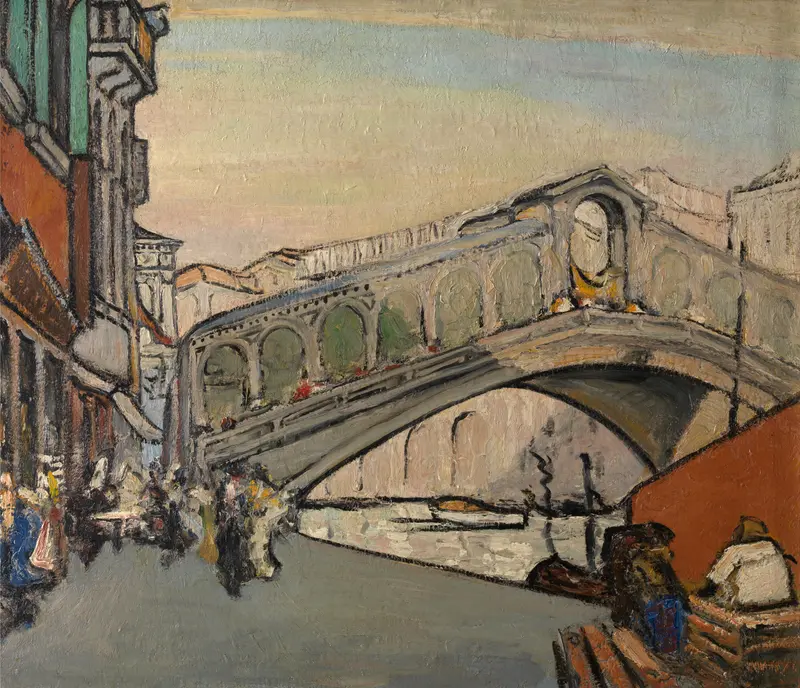
The Rialto Bridge in Venice
Jules Schmalzigaug

Abstract Bouquet
Jules Schmalzigaug
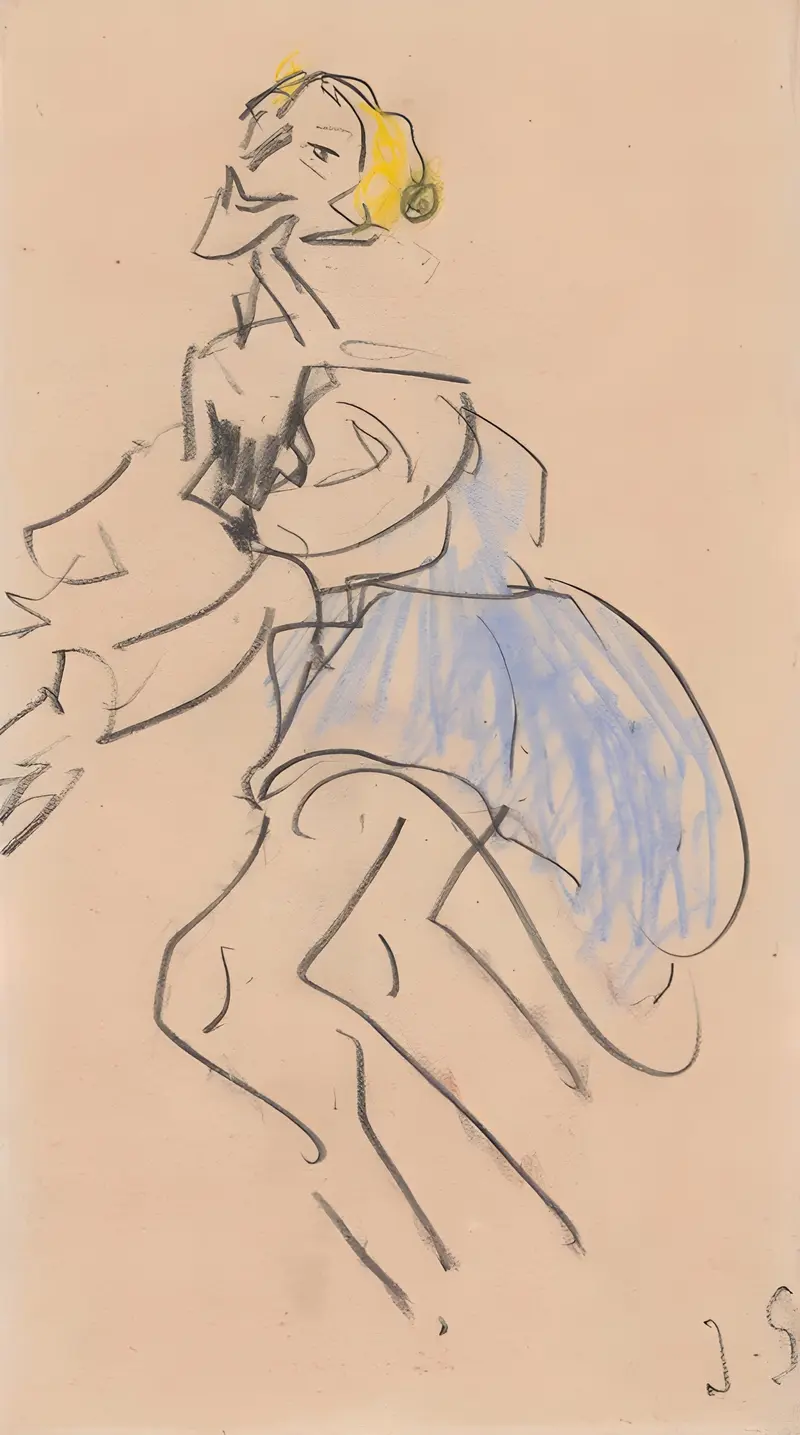
Dancer
Jules Schmalzigaug
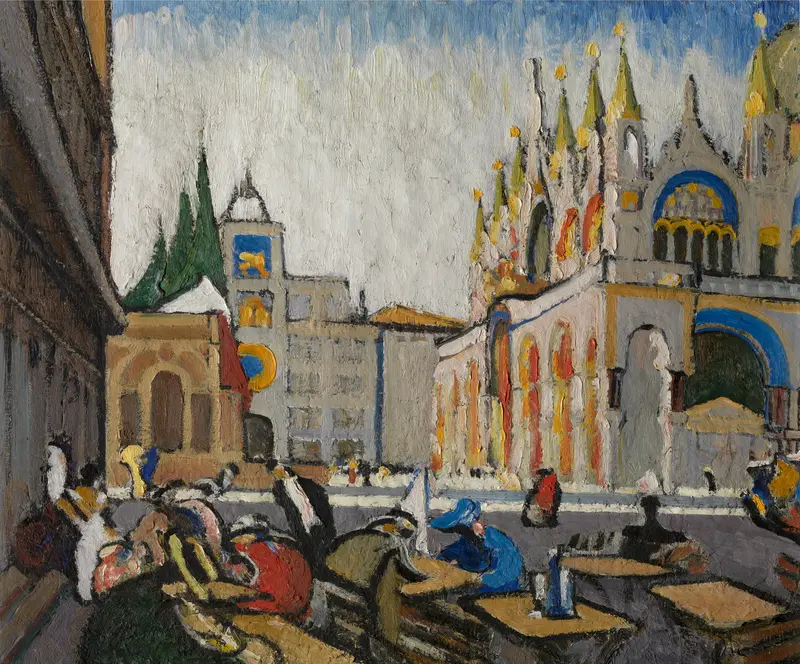
San Marco from the Piazetta
Jules Schmalzigaug
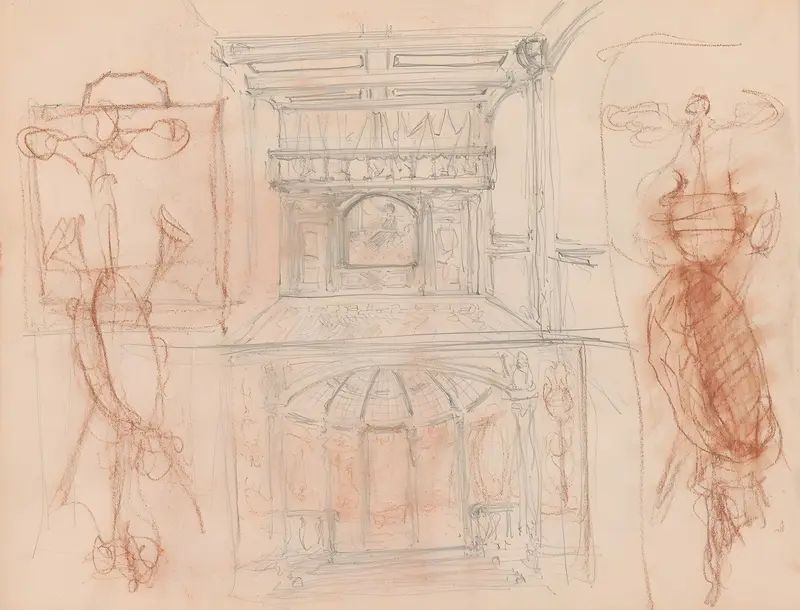
Architectural Elements
Jules Schmalzigaug
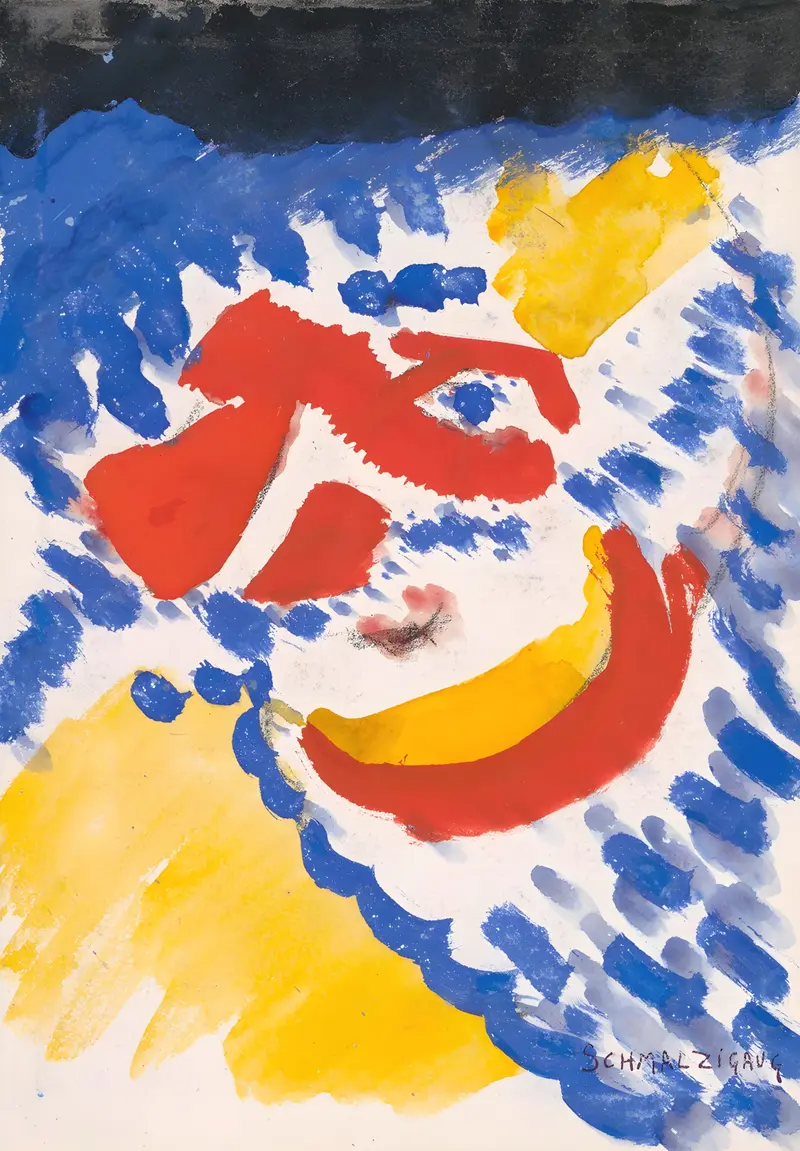
Blue, Red and Yellow Figures
Jules Schmalzigaug
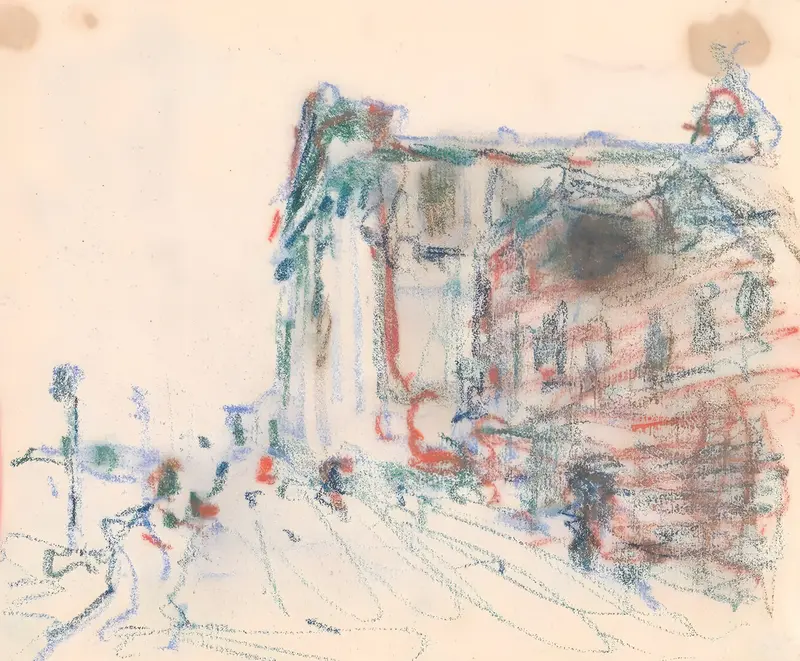
Chiesa dei Gesuati in Venice
Jules Schmalzigaug
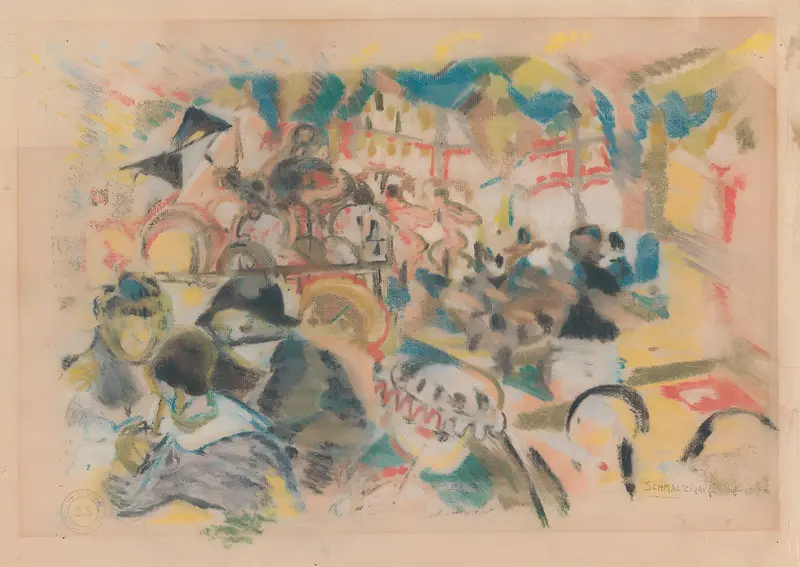
Café-chantant
Jules Schmalzigaug
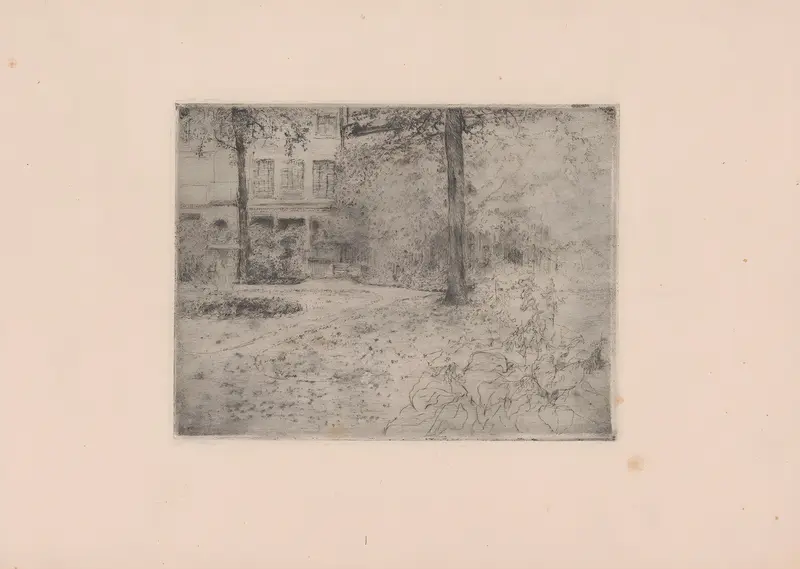
Backyard
Jules Schmalzigaug



