
dancing peasants — History & Facts
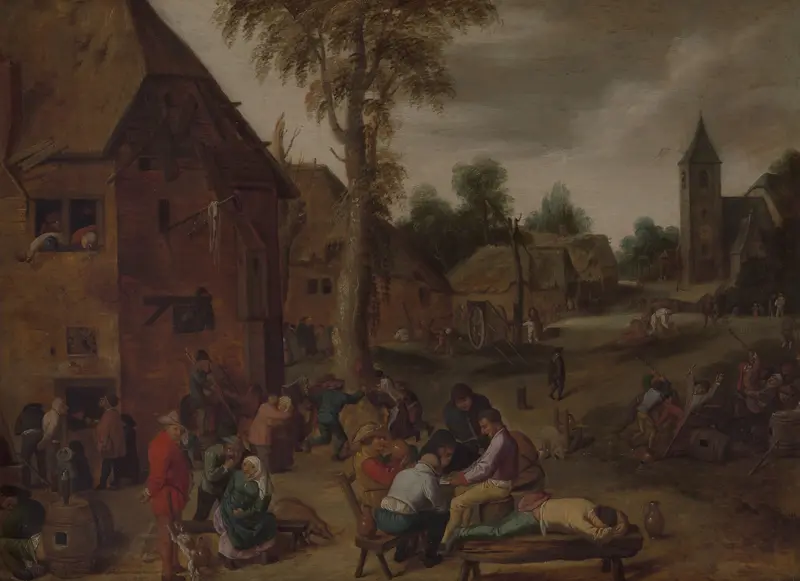
A burst of movement animates the heart of this rustic interior, where peasants whirl and stomp with infectious energy. The eye is caught first by the woman at the center, her arms flung wide as she is swept into the dance, her face alight with the kind of laughter that needs no translation. Around her, the dancers form a loose, spiraling chain, their limbs awkward yet exuberant, their bodies bending and twisting in the simple joy of the moment.
The rough timbered rafters above and the heavy shadows at the edges of the room frame this scene of communal revelry, while scattered jugs and bowls on the floor hint at the refreshments fueling the festivities. Light falls from the left, illuminating the dancers’ faces and casting the onlookers into a smoky half-gloom, drawing the viewer into the circle of celebration. Painted in 1630, dancing peasants by Adriaen Brouwer belongs to a world where scenes of everyday life—especially those of the lower classes—became a favored subject for artists and collectors alike. In the bustling towns of the Low Countries, such images were prized not only for their humor and vitality but also for their sly social commentary.
Brouwer, known for his keen observation and earthy wit, often painted tavern interiors and peasant gatherings, capturing the rawness and camaraderie of rural life. Today, this work resides in the collection of the Deutsches Historisches Museum, a reminder of a time when the dance floor was a dirt-packed room and the music was played for neighbors, not nobility. Look again at the faces: each one tells its own story within the swirl.
More Artworks by Adriaen Brouwer

The Smokers
Adriaen Brouwer
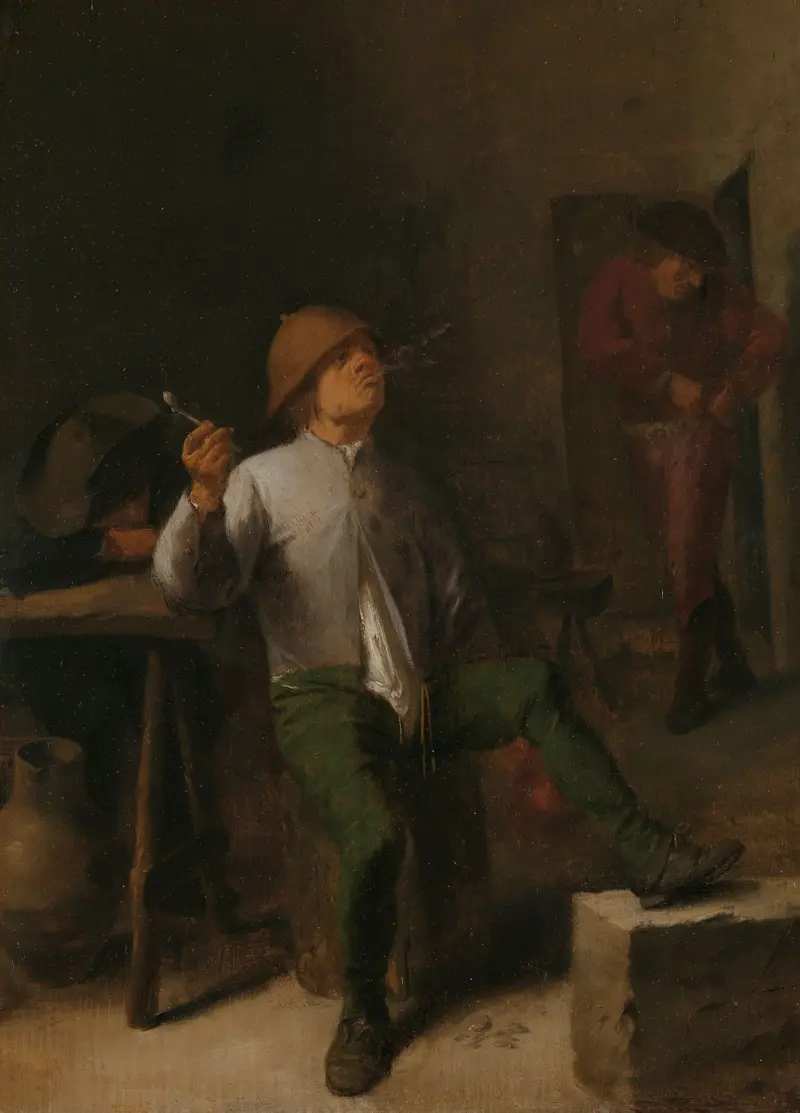
The Smoker
Adriaen Brouwer
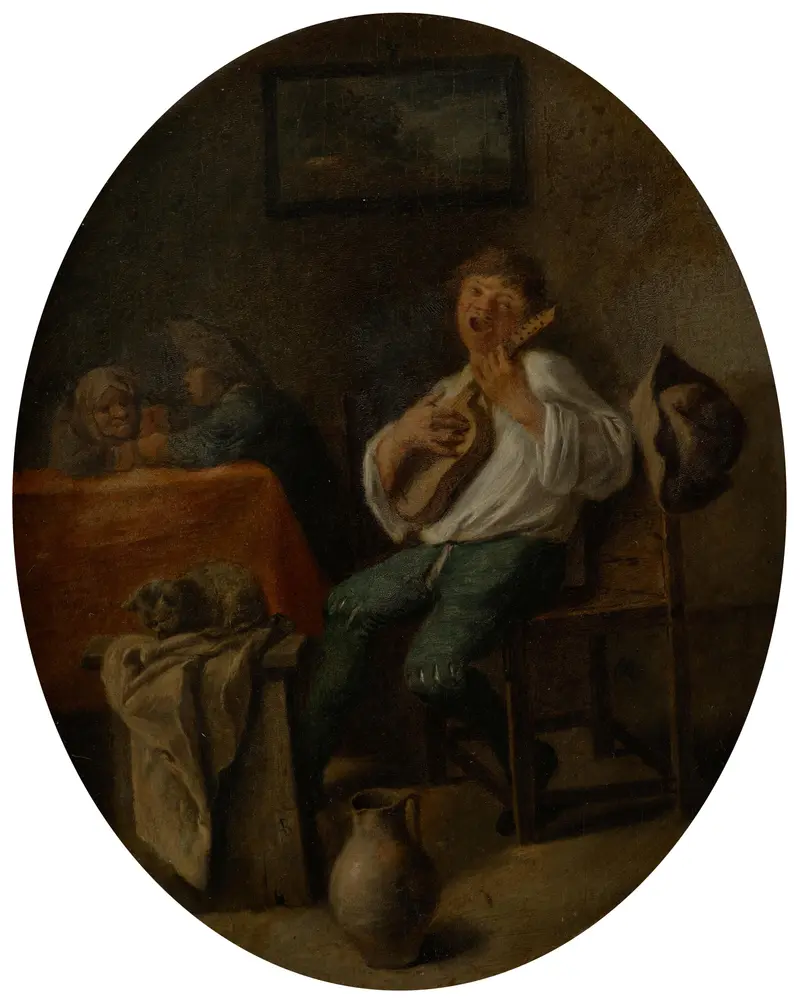
The Guitar Player
Adriaen Brouwer
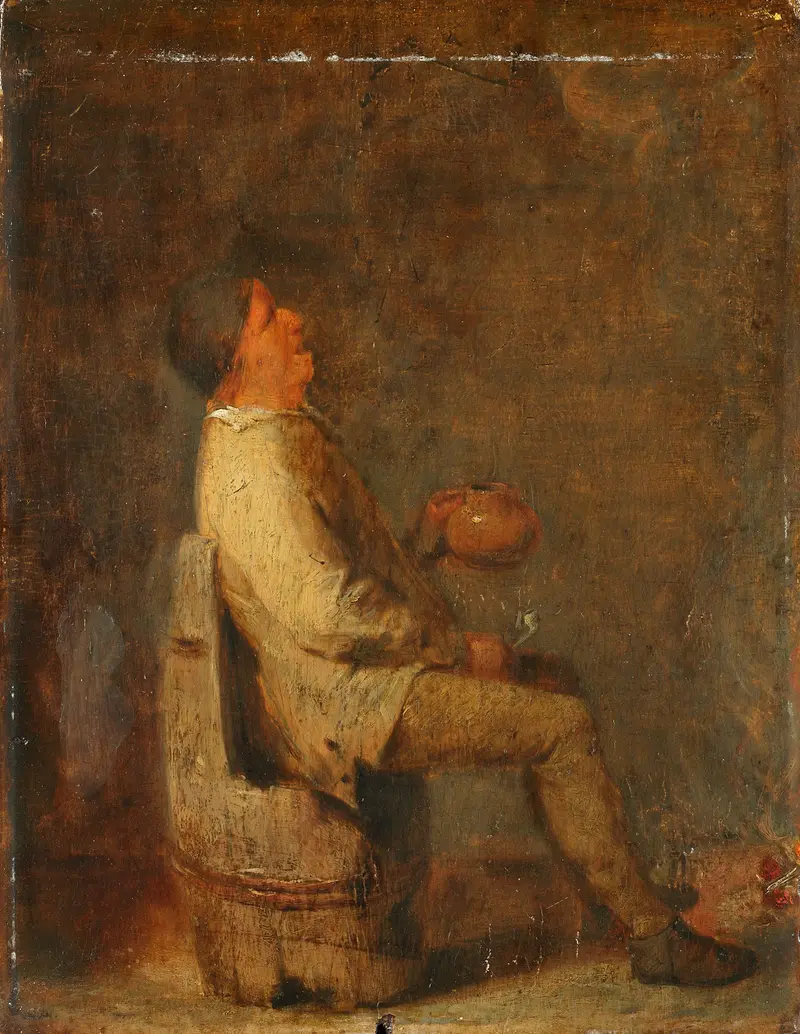
A Peasant Singing
Adriaen Brouwer
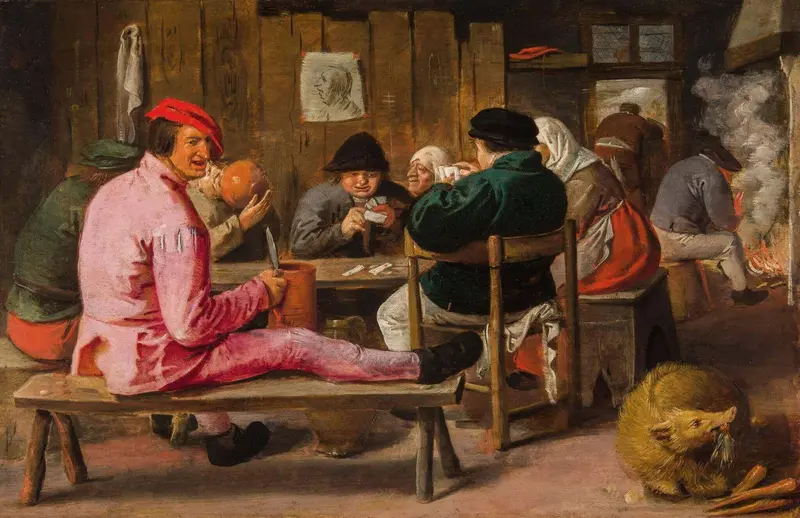
Merry Peasants in an Inn
Adriaen Brouwer
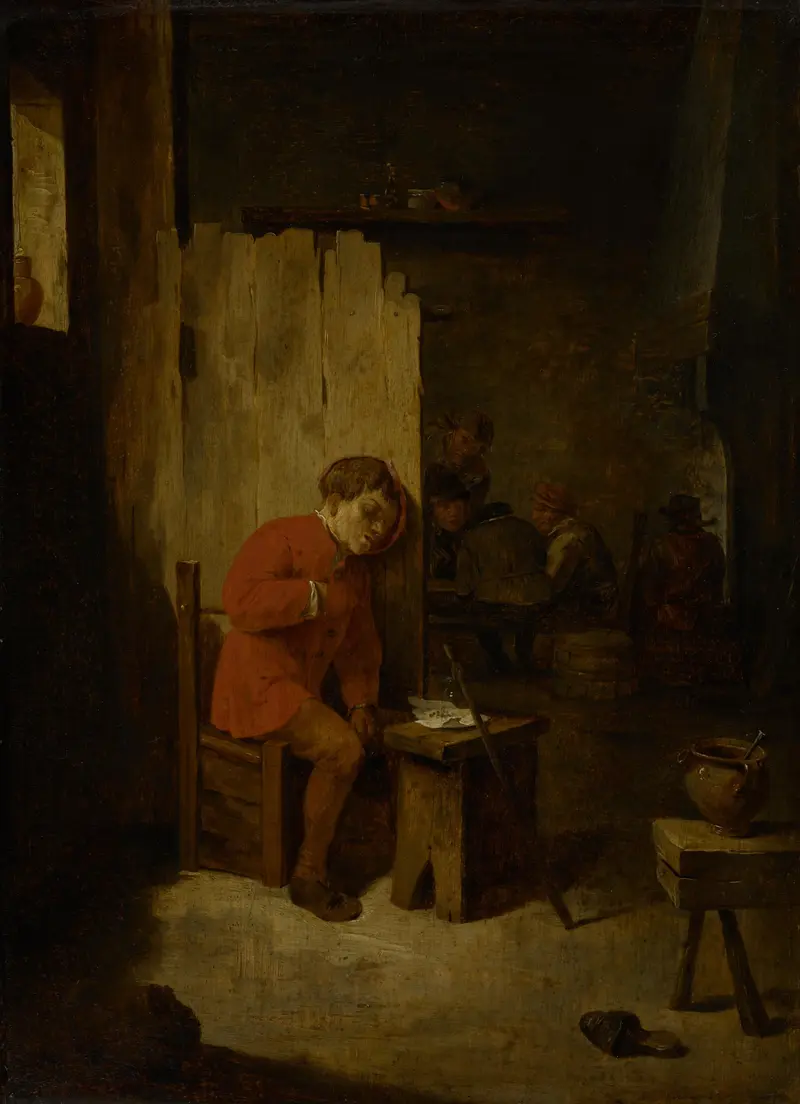
Nachahmer, Schlafender Bauer 853G Gemäldegalerie
Adriaen Brouwer
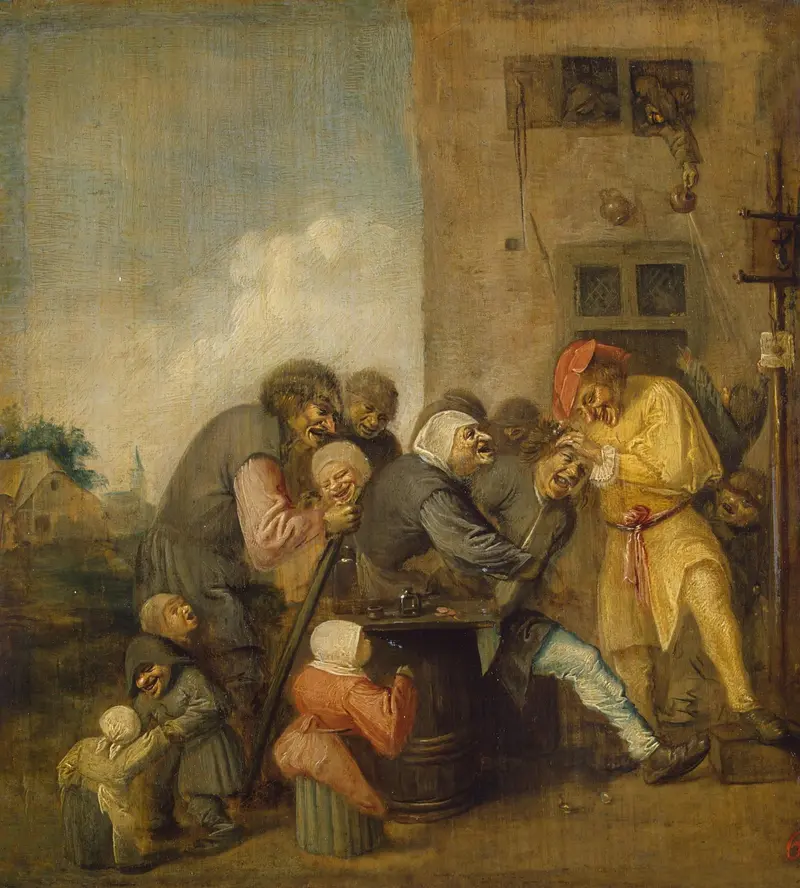
Village Charlatan (The Operation for Stone in the Head)
Adriaen Brouwer
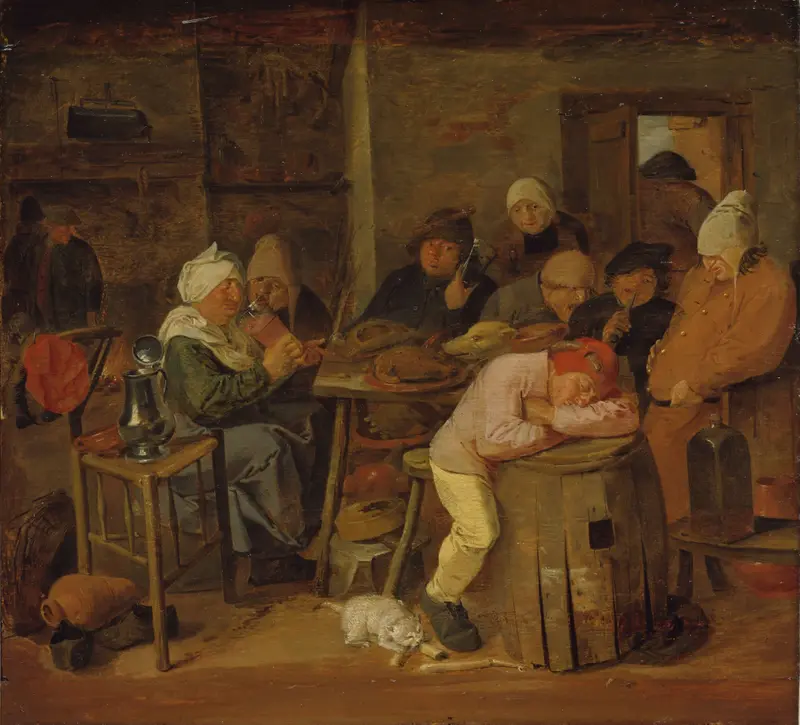
Peasants in an interior (The slaughter feast)
Adriaen Brouwer
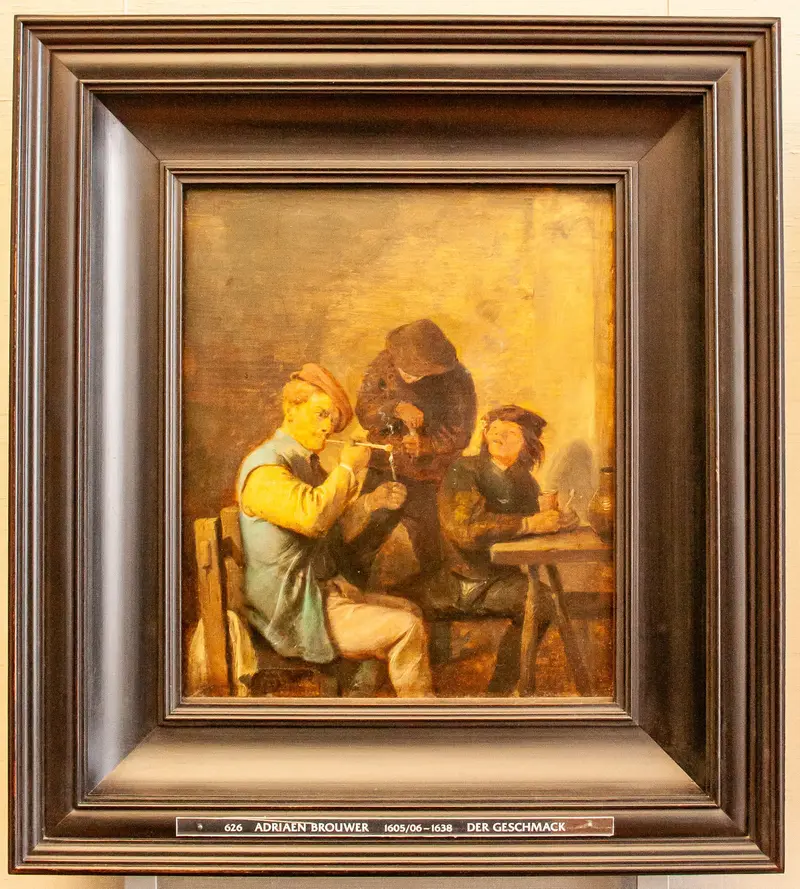
The Taste
Adriaen Brouwer
A Fair
Adriaen Brouwer
More Genre Scene Art

Banquet of the Officers of the St George Civic Guard
Frans Hals

Rembrandt and Saskia in the Scene of the Prodigal Son
Rembrandt van Rijn

Bal du moulin de la Galette
Pierre-Auguste Renoir

Quadrille at the Moulin Rouge
Henri de Toulouse-Lautrec

A Burial at Ornans
Gustave Courbet

When Will You Marry?
Paul Gauguin