
David vlucht voor Simi en Apamene neemt de kroon af van Darius — History & Facts
Did the painter know this moment would outlive them? In David vlucht voor Simi en Apamene neemt de kroon af van Darius, a dramatic tableau unfolds, capturing the ephemeral nature of power and the fragility of dreams. Focus first on the central figures, where David, agitated and desperate, stands at the left, his body taut with urgency. Notice how the artist employs a muted palette, with soft browns and greens that contrast sharply against the vivid royal blue of Darius’s regal attire, which draws the eye immediately. Look closely at the gestures: Apamene, poised in the act of removing the crown, is a study in grace and defiance, her expression revealing both compassion and determination. Delve deeper into the emotional currents that swirl around this moment.
The tension between the fleeing David and the resolute Apamene speaks volumes about loyalty and betrayal. The shadow of Darius looms large, hinting at the weight of authority and the inevitable decline of power that accompanies hubris. Each brushstroke encapsulates not just a historical incident, but the universal themes of sacrifice and ambition, creating a rich tapestry of meaning. Jacob Cornelisz van Oostsanen painted this work between 1518 and 1522, during a period of significant artistic transition in the Northern Renaissance.
Emerging from the influence of late Gothic styles, he was beginning to embrace more humanistic themes and techniques influenced by Italian masters. This work reflects not only his personal evolution as an artist but also the broader shifts in society and art at the dawn of the Reformation, where narratives of moral complexity became increasingly relevant.
More Artworks by Jacob Cornelisz van Oostsanen
Browse all →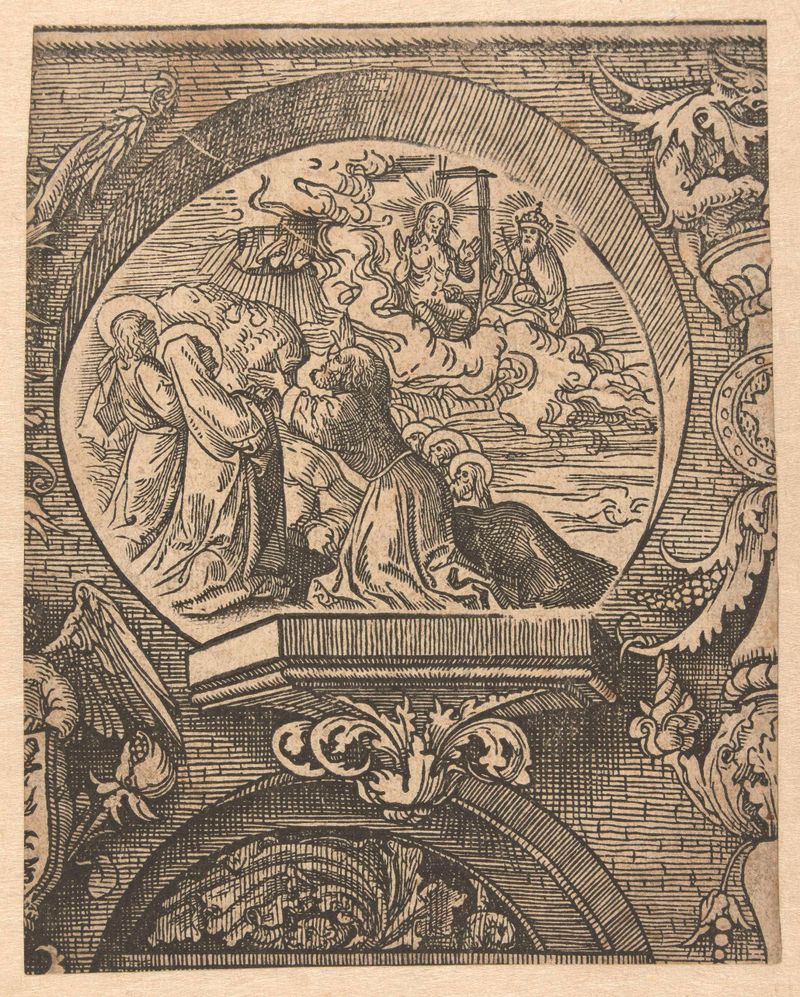
De hemelvaart en Christus voor God de Vader
Jacob Cornelisz van Oostsanen
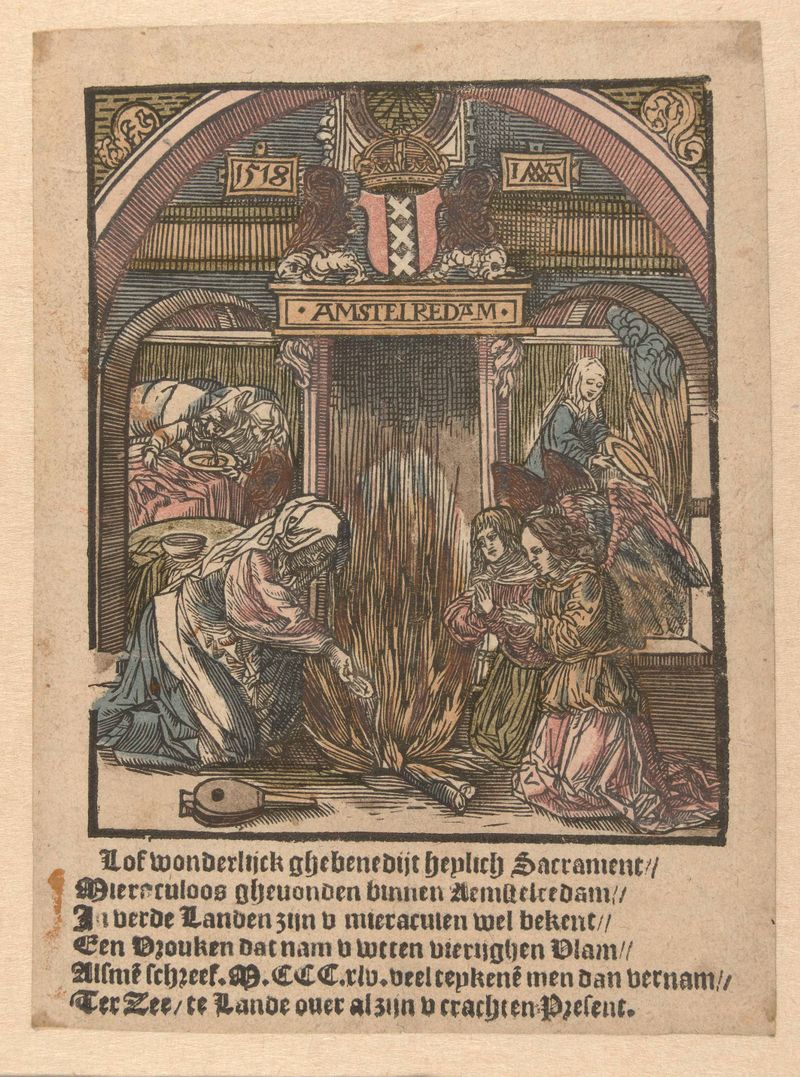
Het hostiewonder van Amsterdam
Jacob Cornelisz van Oostsanen
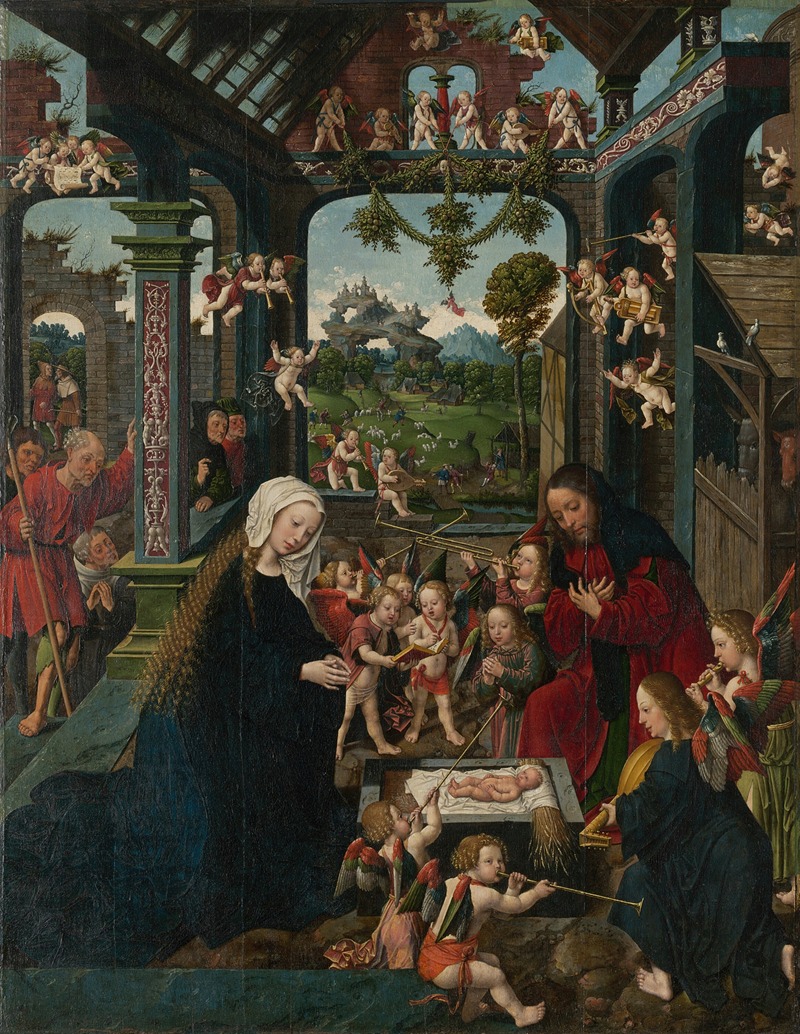
The Adoration of the Christ Child
Jacob Cornelisz van Oostsanen
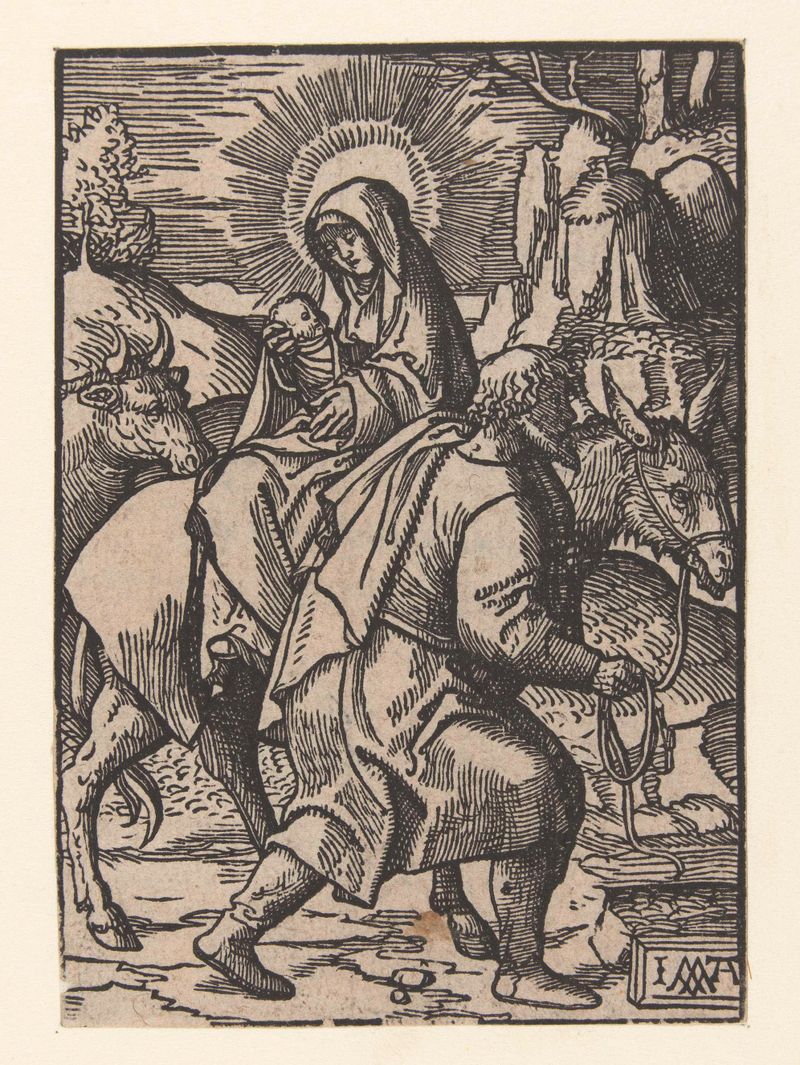
Vlucht naar Egypte
Jacob Cornelisz van Oostsanen
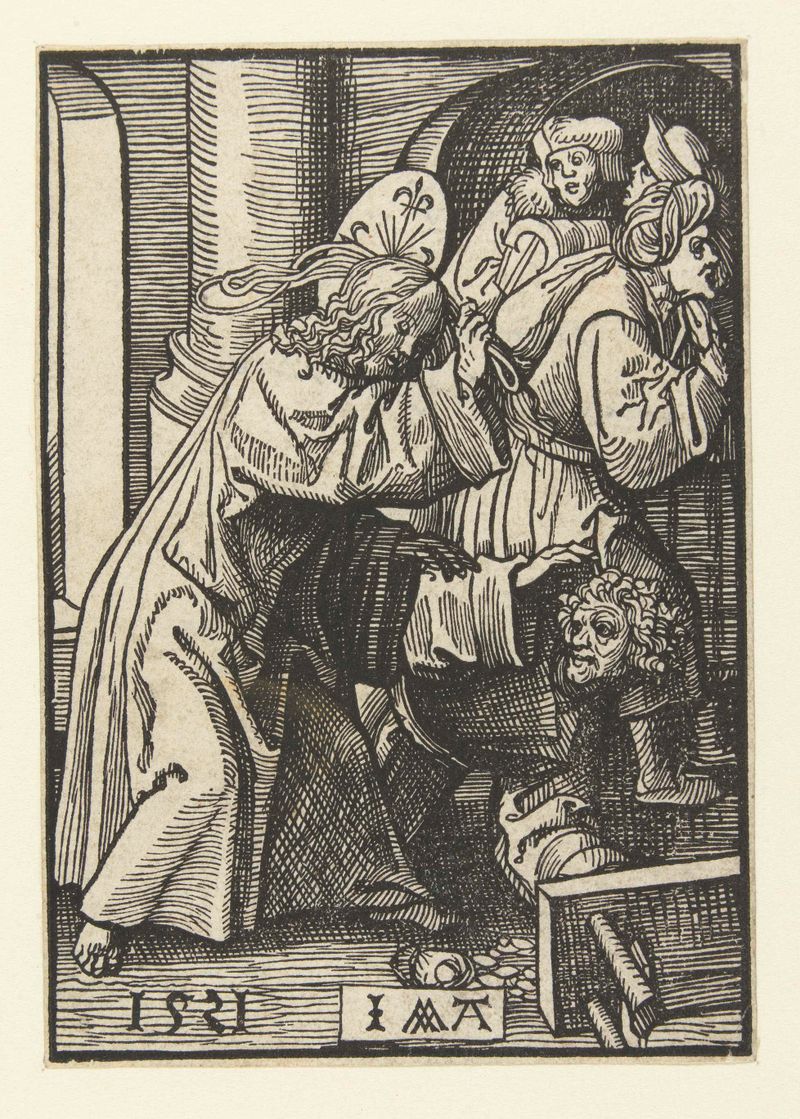
Verdrijving van de handelaren uit de tempel
Jacob Cornelisz van Oostsanen
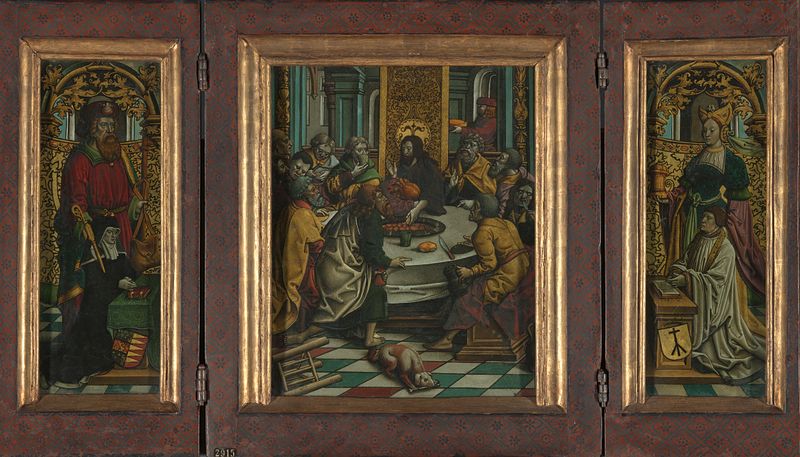
Triptych with the Last Supper and Donors
Jacob Cornelisz van Oostsanen
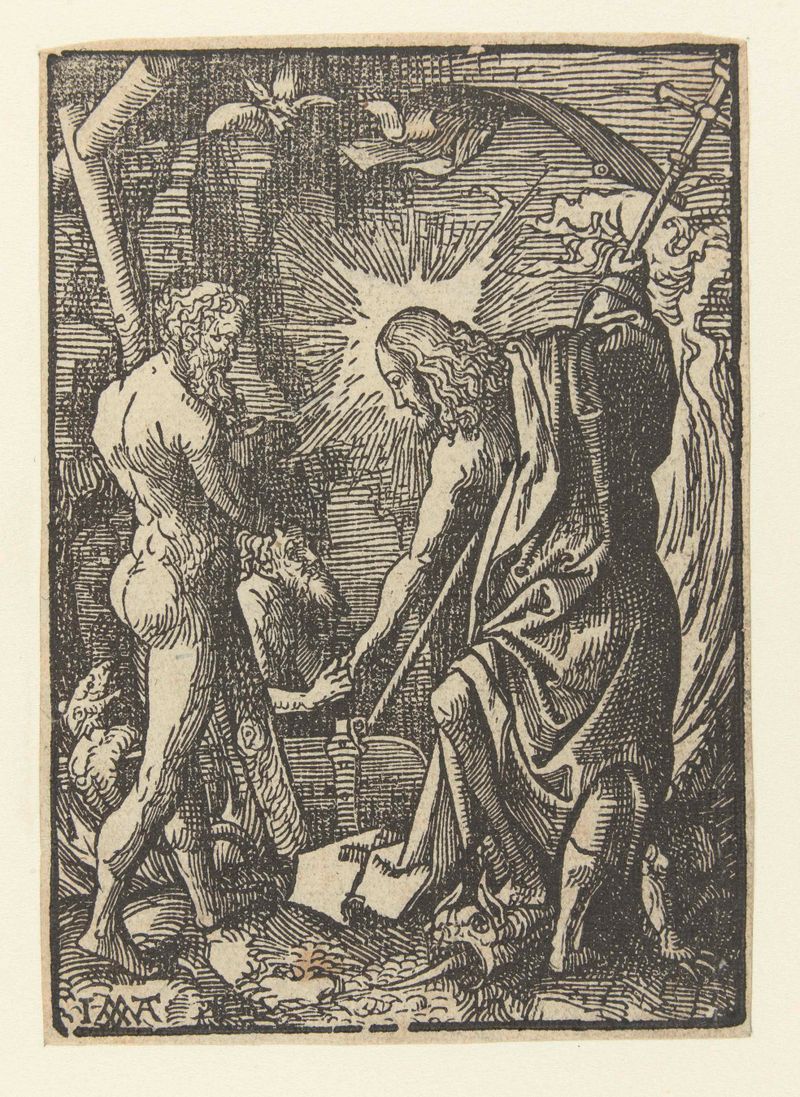
Christus in het voorgeborchte
Jacob Cornelisz van Oostsanen
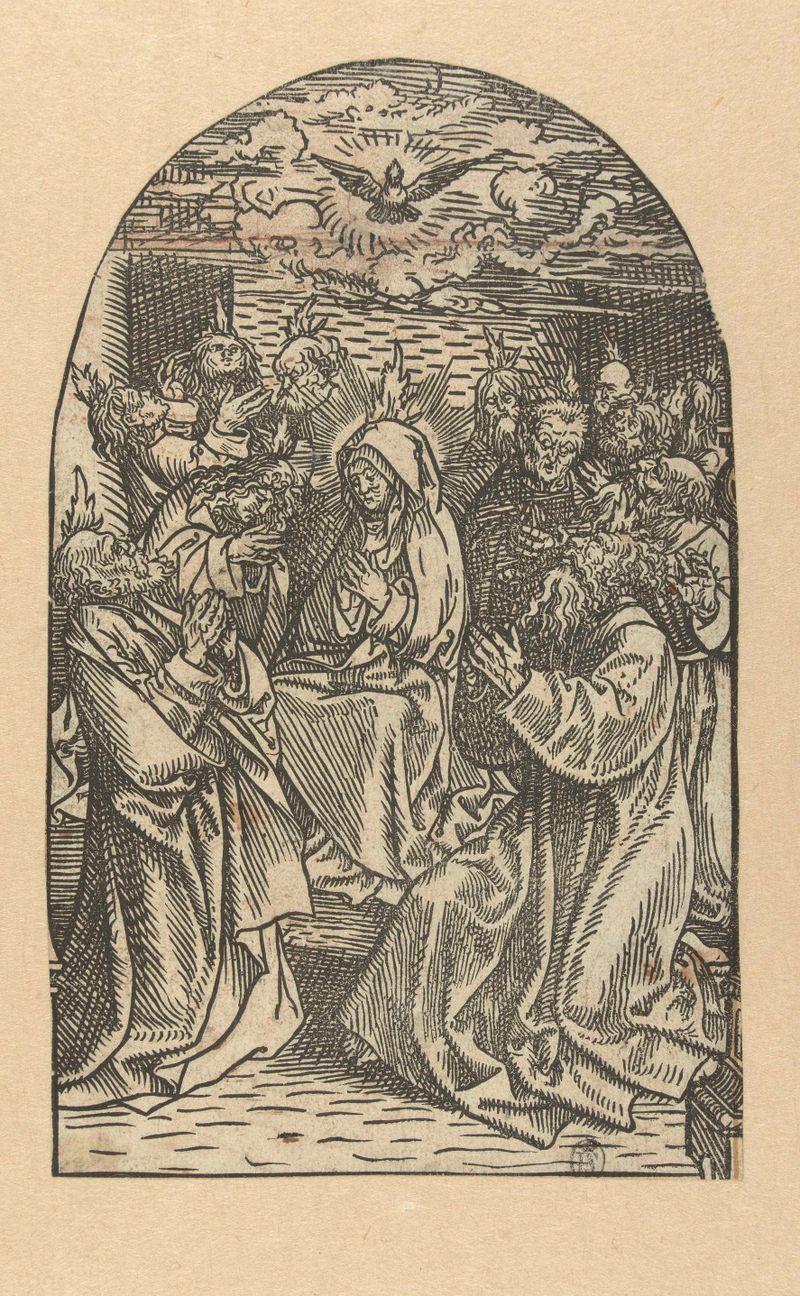
Uitstorting van de Heilige Geest
Jacob Cornelisz van Oostsanen
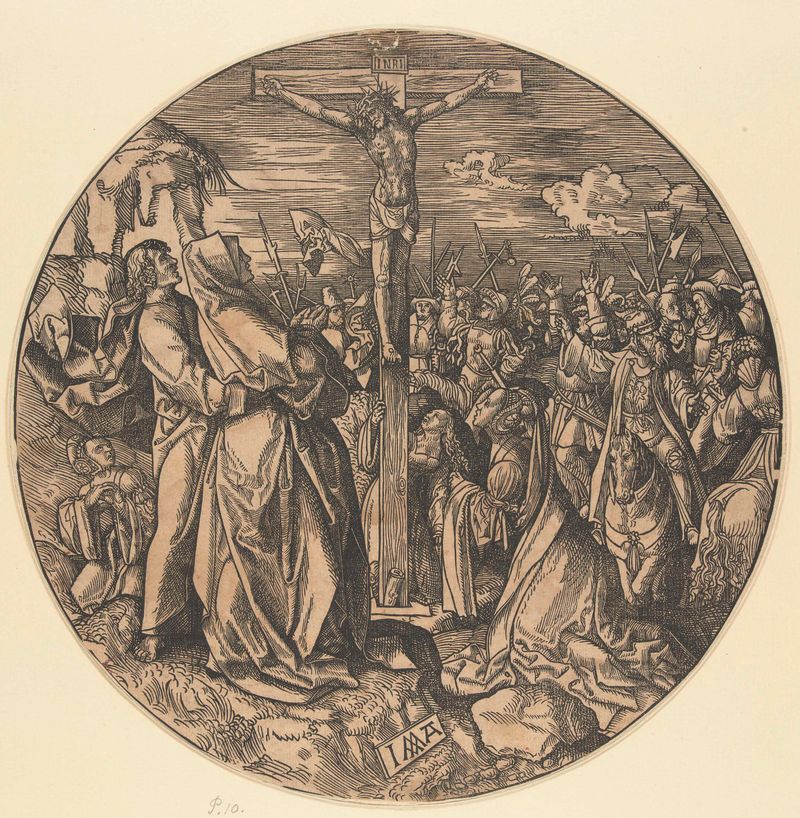
Christus aan het kruis
Jacob Cornelisz van Oostsanen

De kruisiging en de graflegging van Christus
Jacob Cornelisz van Oostsanen
More Historical Art
Browse all →
The Night Watch Militia Company of District II under the Command of Captain Frans Banninck Cocq
Rembrandt van Rijn
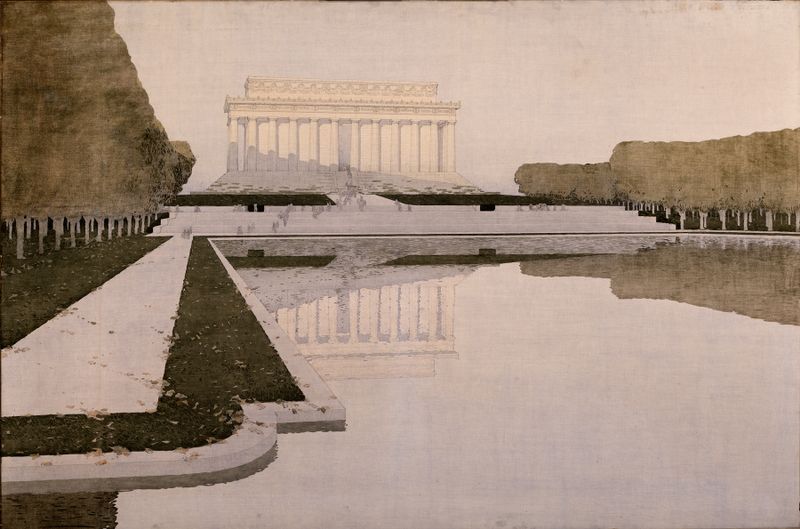
Lincoln Memorial
Henry Bacon
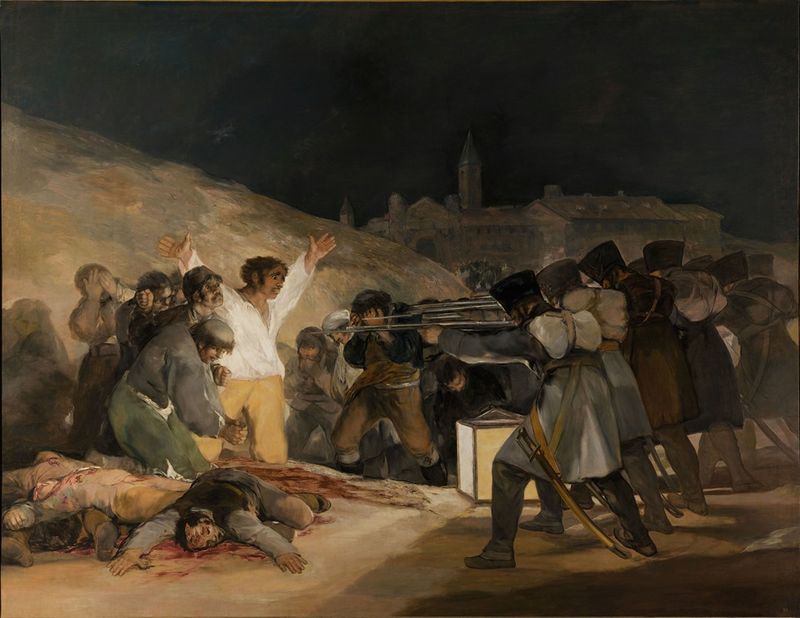
The Third of May 1808
Francisco de Goya

Isaac and Rebecca, Known as ‘The Jewish Bride’
Rembrandt van Rijn
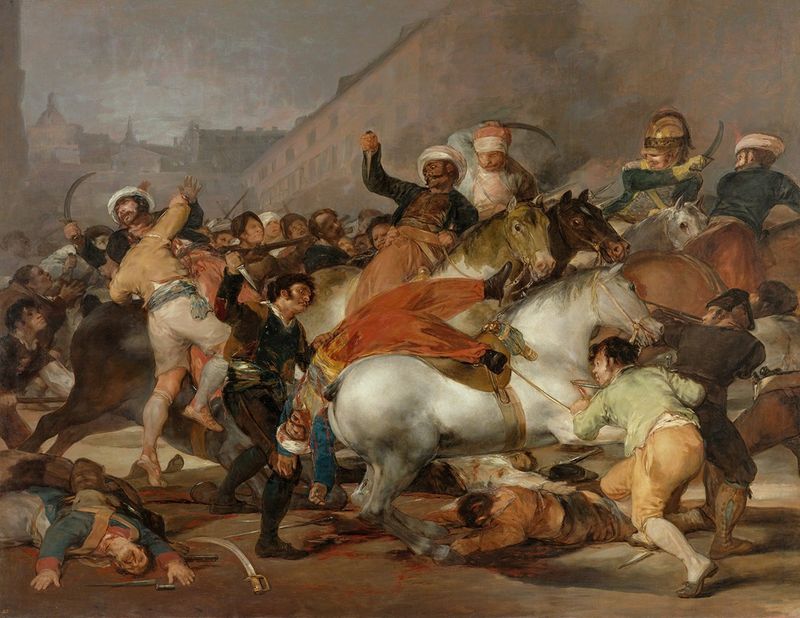
The Charge of the Mamelukes (1814)
Francisco de Goya

De vier ruiters van de apocalyps
Albrecht Dürer