
Day Dreams — History & Facts
What draws the eye first in Day Dreams is the quiet gravity of the girl’s gaze, poised between presence and absence, as if she is both here and elsewhere at once. She sits alone on a stone bench, wrapped in a blue-green shawl, her white dress pooling softly at her feet. The peacock fan she holds is no mere ornament: its vibrant, watchful eyes seem to echo her own, inviting the viewer to wonder what thoughts or stories fill the silence around her.
The sun-bleached wall behind her, cracked and patched with age, frames her solitude and sets off the jewel tones of the feathers and fabric. Even the sparse vine climbing the wall feels like a gesture toward longing or memory, a subtle counterpoint to her stillness. Painted circa 1879, Day Dreams belongs to a world fascinated by antiquity and the poetry of the everyday. The late nineteenth century saw artists like John William Waterhouse revive classical themes, not for grand myth or history, but to find beauty in introspection and quiet moments.
Works of this kind, often destined for private collectors or the burgeoning middle-class market, offered viewers a window into imagined ancient lives—serene, contemplative, touched by the romance of the past. This painting’s recent appearance at Christie’s in 2014 reminds us how many such pieces have slipped quietly through history, their stories half-told, waiting for new eyes to rediscover them. The longer you look, the more the silence in the scene seems to speak.
More Artworks by John William Waterhouse
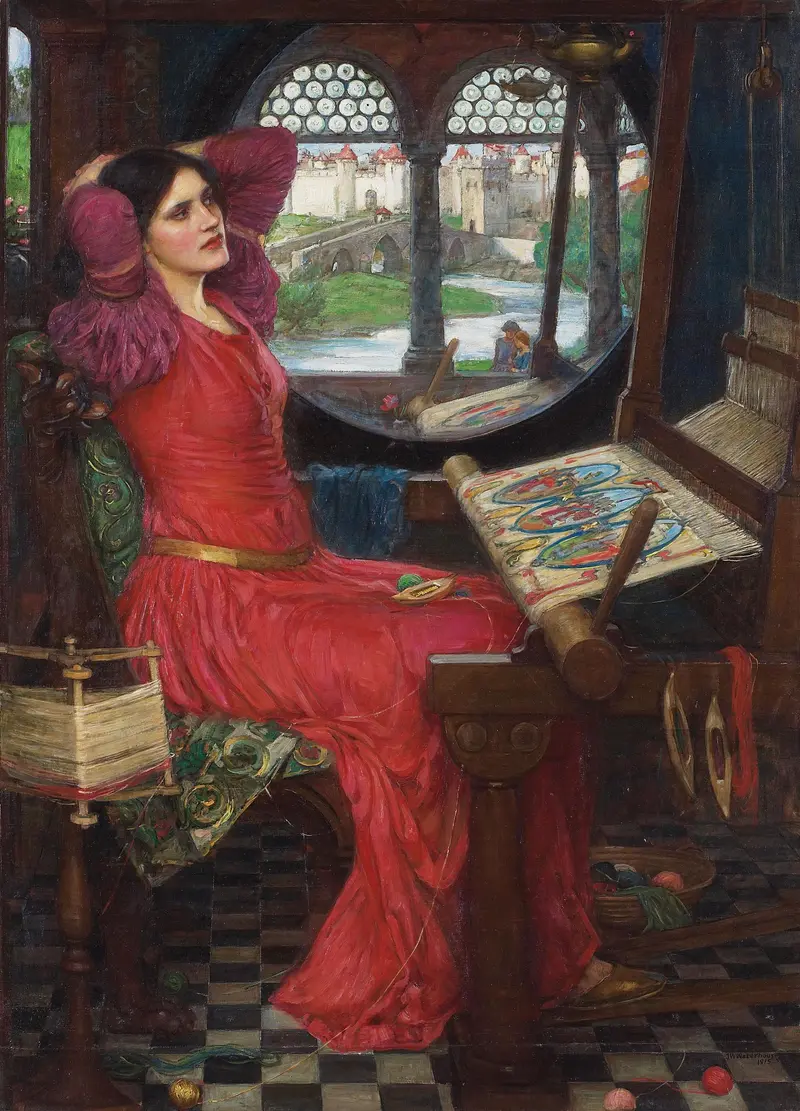
'I Am Half-Sick of Shadows,' Said the Lady of Shalott
John William Waterhouse

The Favourites of the Emperor Honorius, 1883
John William Waterhouse
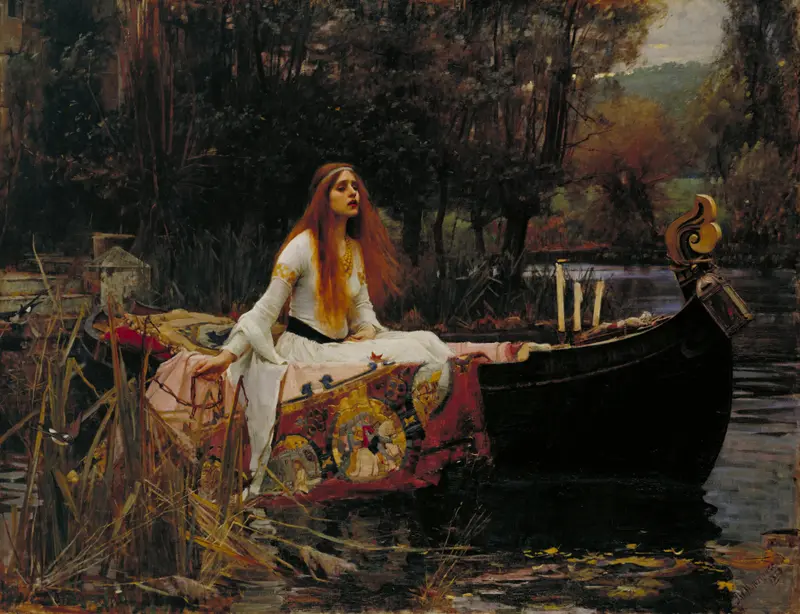
The Lady of Shalott
John William Waterhouse
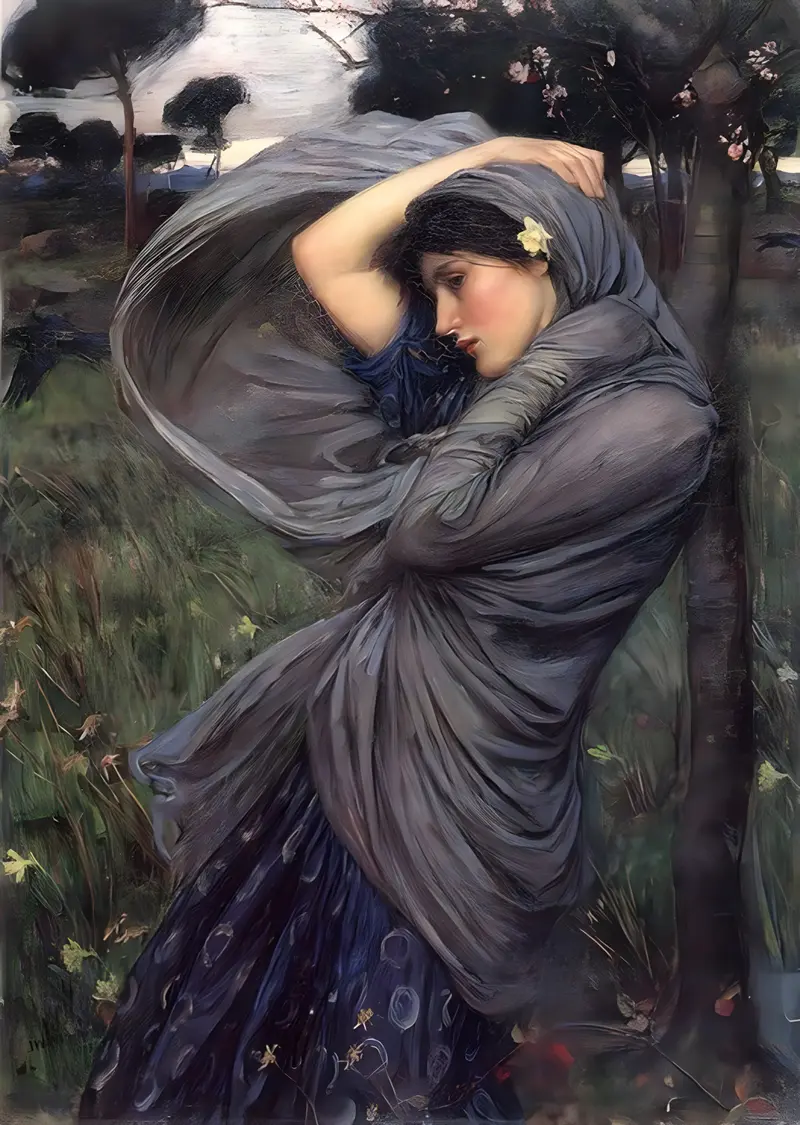
Boreas
John William Waterhouse
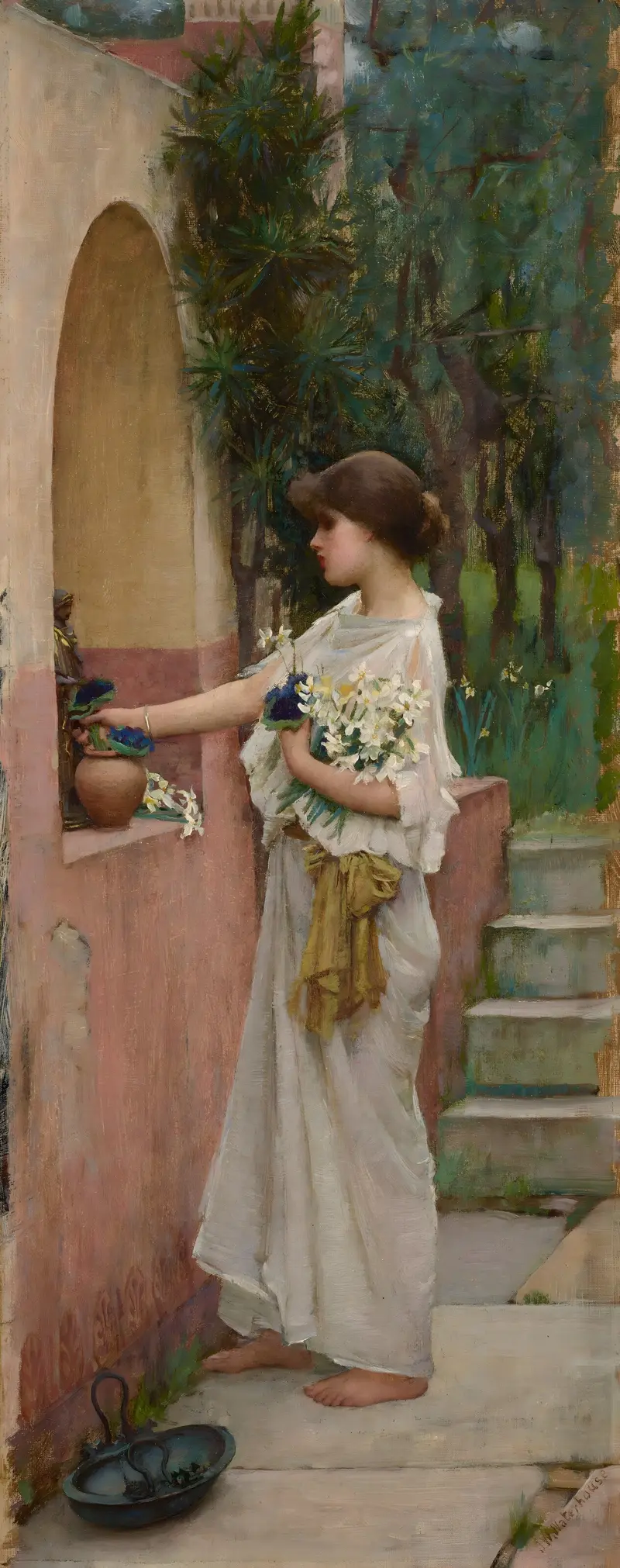
A Roman Offering
John William Waterhouse
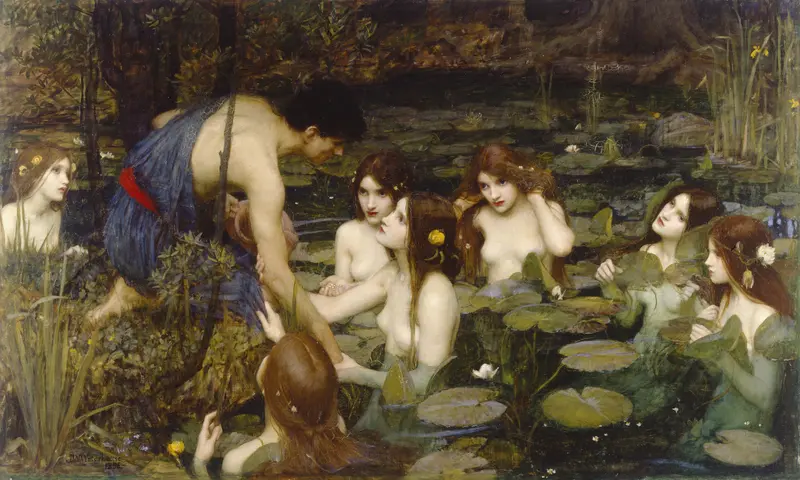
Hylas and the Nymphs
John William Waterhouse
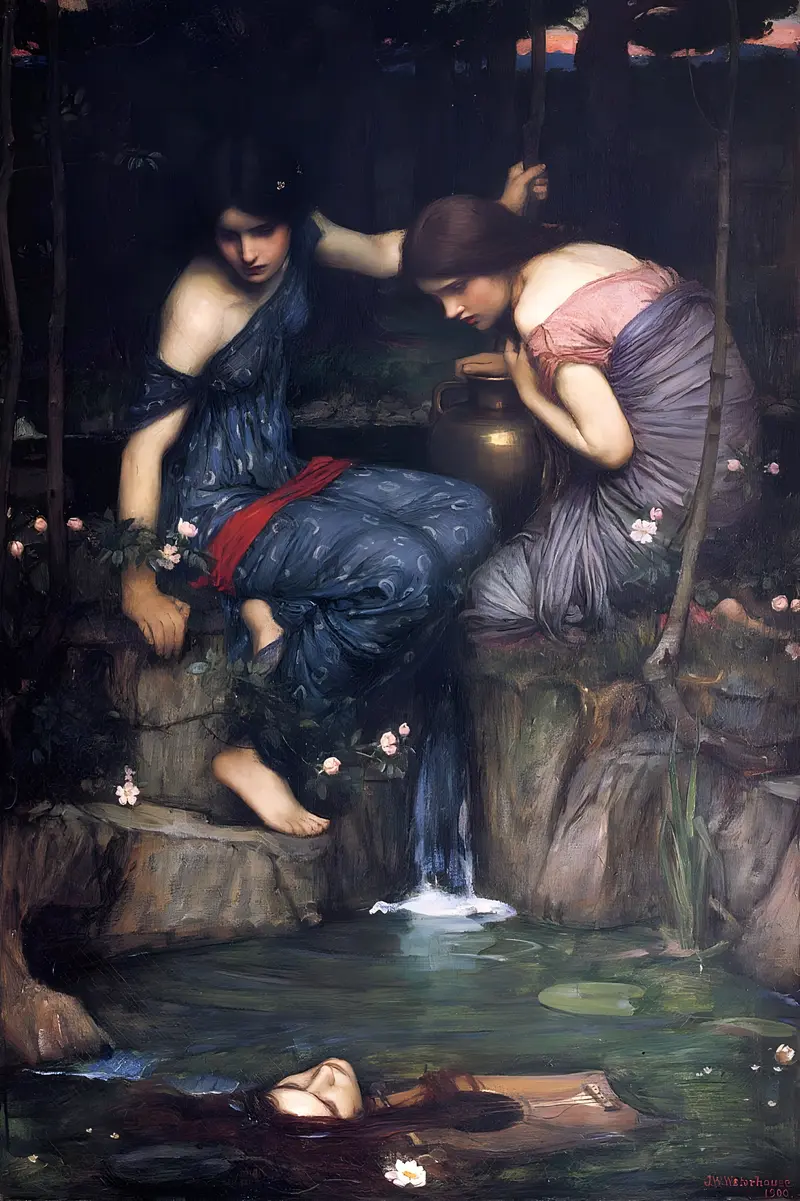
Nymphs Finding the Head of Orpheus
John William Waterhouse
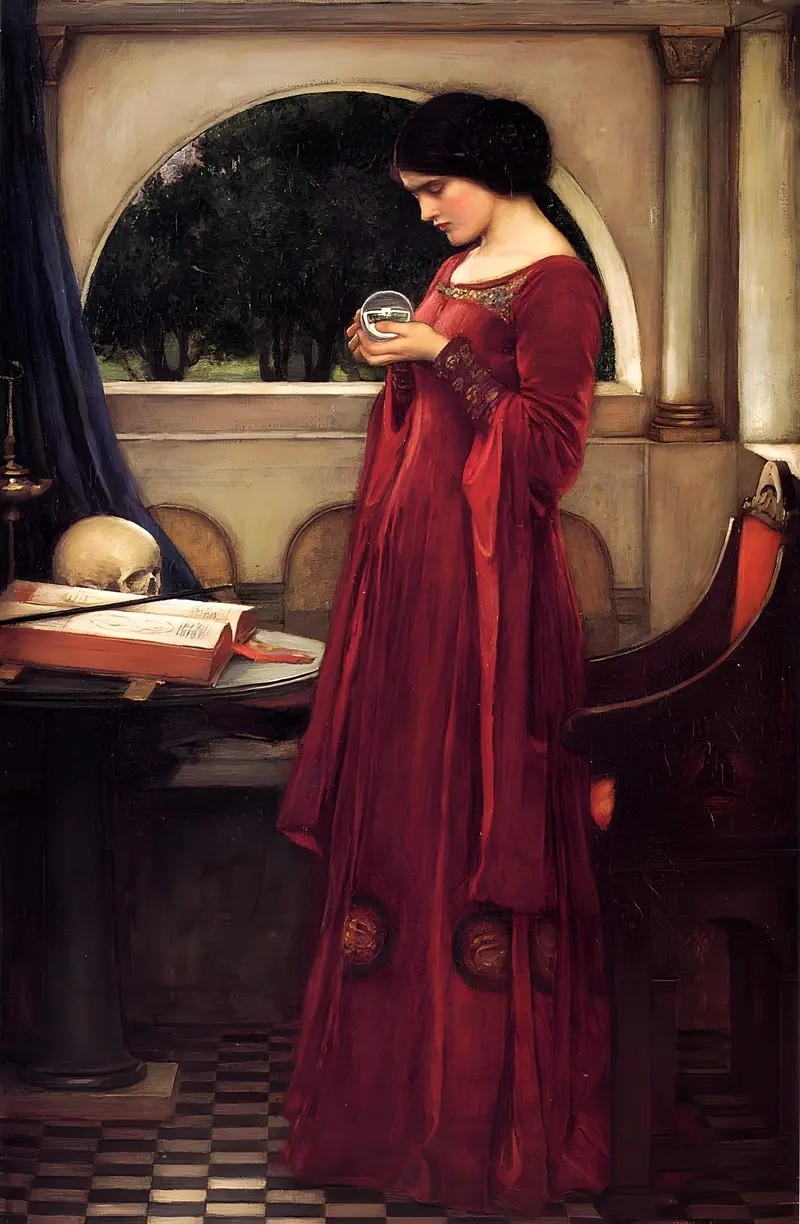
The Crystal Ball
John William Waterhouse
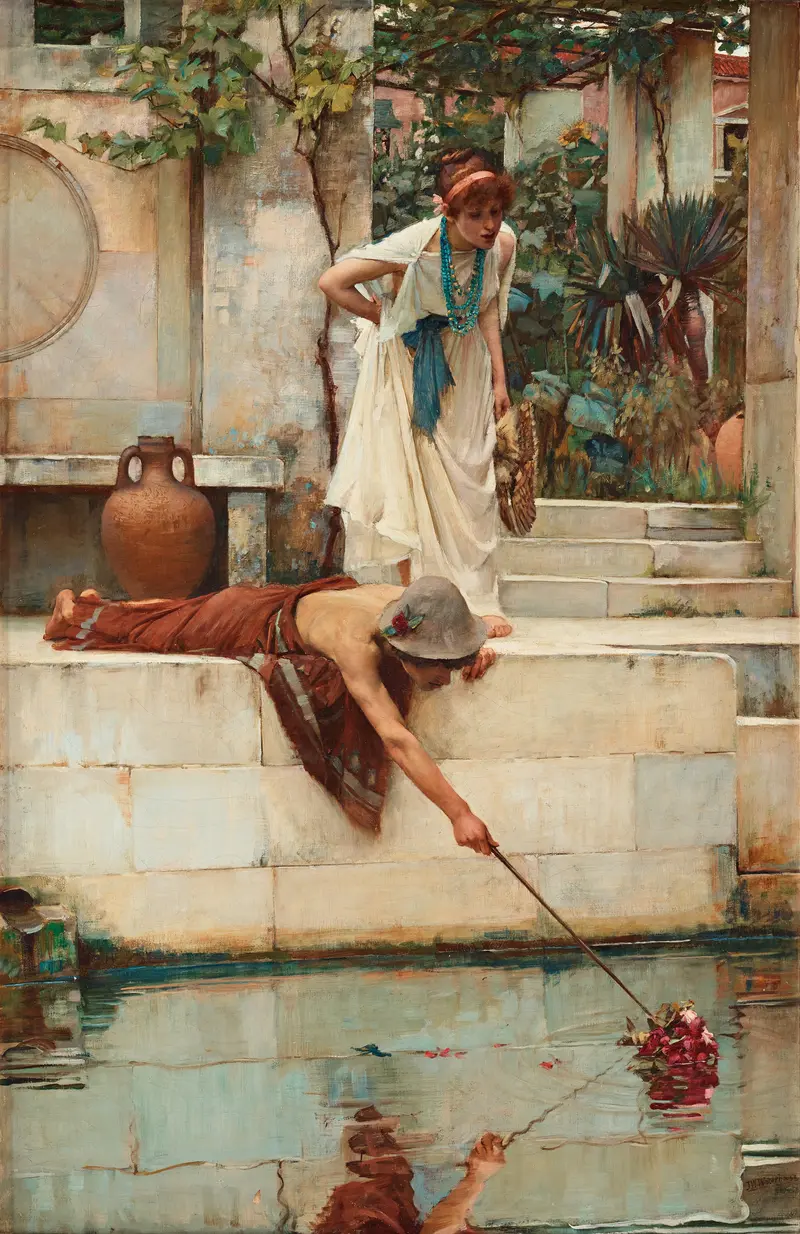
The Rescue
John William Waterhouse
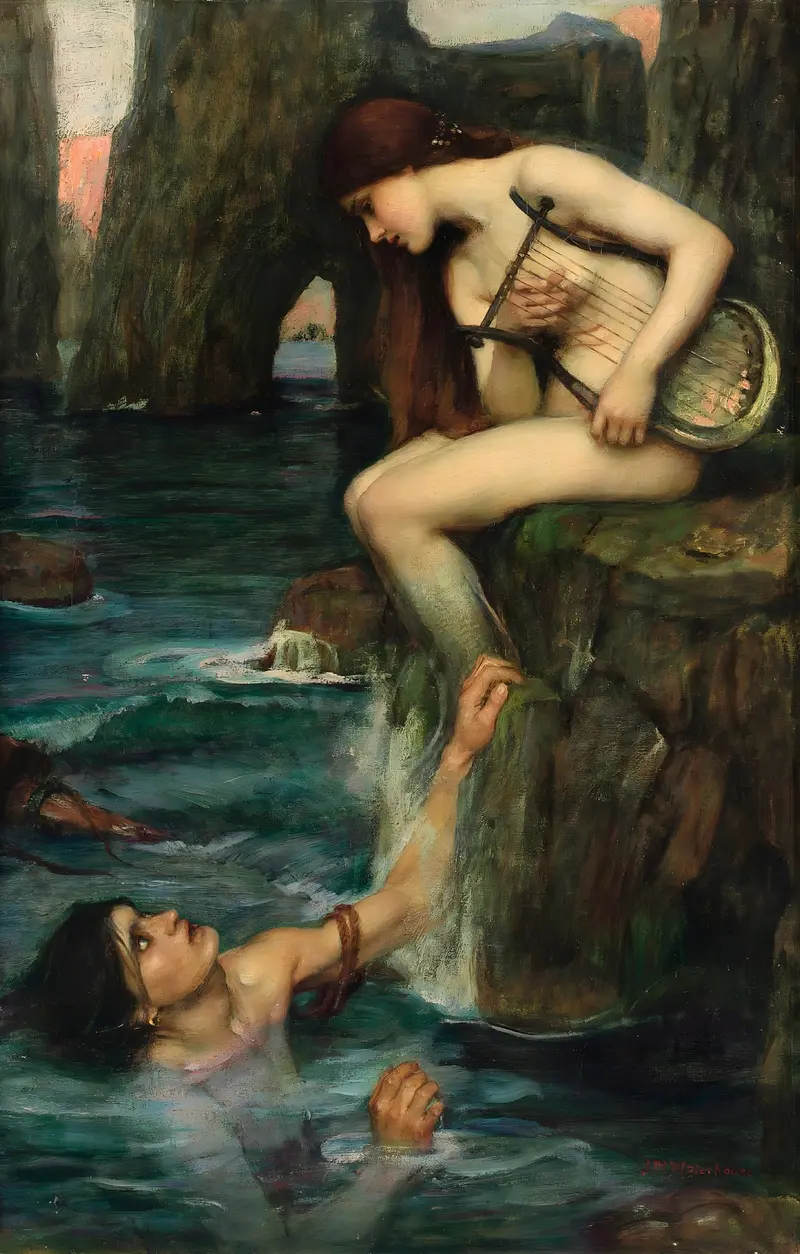
The Siren, 1900
John William Waterhouse



