
De doornkroning, David vlucht voor Simi en Apamene neemt de kroon af van Darius — History & Facts
Can beauty exist without sorrow? In the hands of Jacob Cornelisz van Oostsanen, the answer resonates through the intricate narrative of De doornkroning. The painting captures a poignant moment steeped in both loss and hope, where the delicate balance between triumph and tragedy unfurls. Look to the center of the composition, where Darius, crowned in struggle, is met with the resolute gaze of Apamene, who begins to remove the crown. Notice how the rich, muted colors envelop each figure, highlighting their expressions while creating a somber yet tender atmosphere.
The intricate details in their garments and the careful rendering of flesh show an artist dedicated to both realism and emotional depth. The play of light casts shadows across their faces, suggesting the weight of their actions and choices, while the background remains intricately detailed yet unobtrusive, allowing the emotional exchange to take center stage. Within this striking tableau lies a narrative of conflict and redemption. The crown, a symbol of authority and suffering, is cradled between desire and resignation.
Apamene's gesture of removing the crown evokes themes of liberation amidst despair, as Darius's vulnerability is laid bare. Here, the thorns of the crown serve as a reminder of the pain inherent in greatness, while the subtle expressions exchanged between characters speak to a deeper camaraderie, hinting at the possibility of hope even in the darkest of moments. Created between 1525 and 1530, this work emerged during a transformative period for the artist, as the Dutch Renaissance witnessed a blend of religious and secular themes in art. Van Oostsanen's skillful hand crafted a visual language that responded to both the tumultuous political landscape of the time and the burgeoning interest in human emotion.
His exploration of complex narratives within a single frame positioned him as a significant figure in the evolution of Northern Renaissance painting.
More Artworks by Jacob Cornelisz van Oostsanen
Browse all →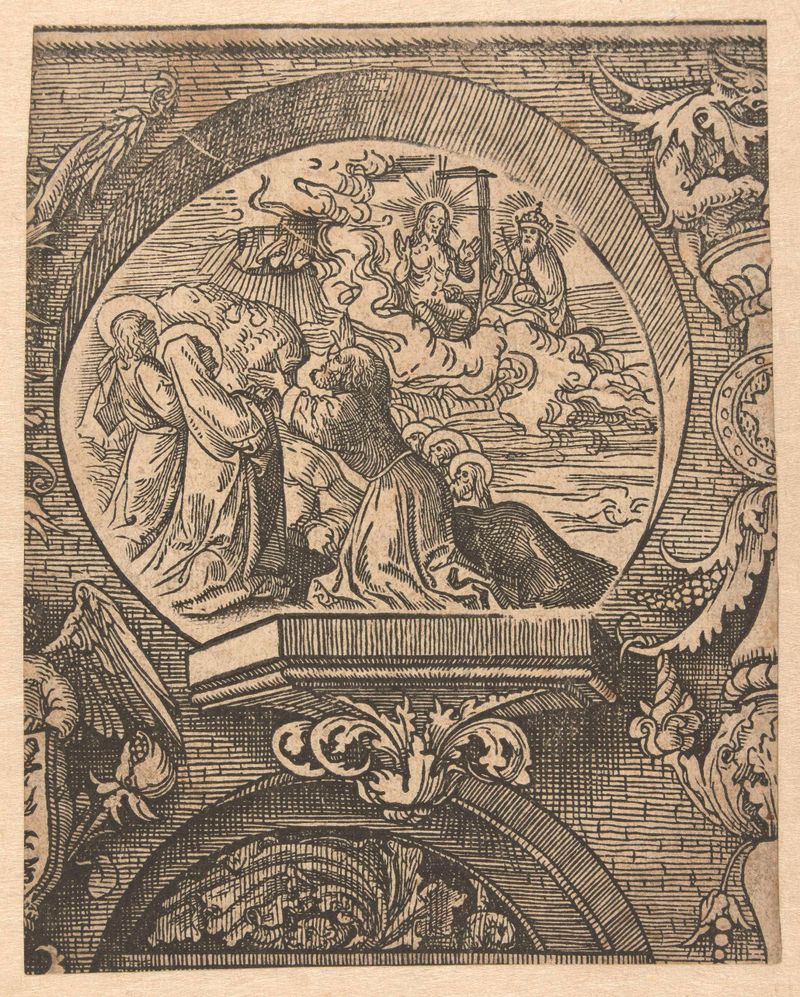
De hemelvaart en Christus voor God de Vader
Jacob Cornelisz van Oostsanen
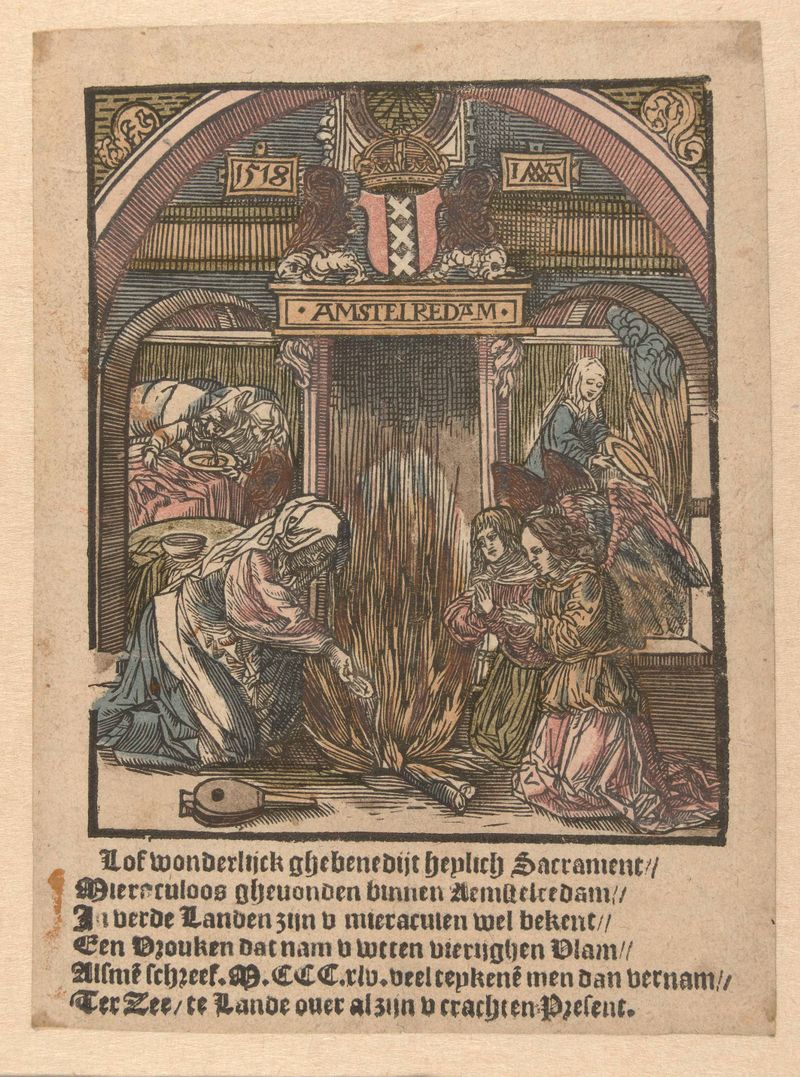
Het hostiewonder van Amsterdam
Jacob Cornelisz van Oostsanen
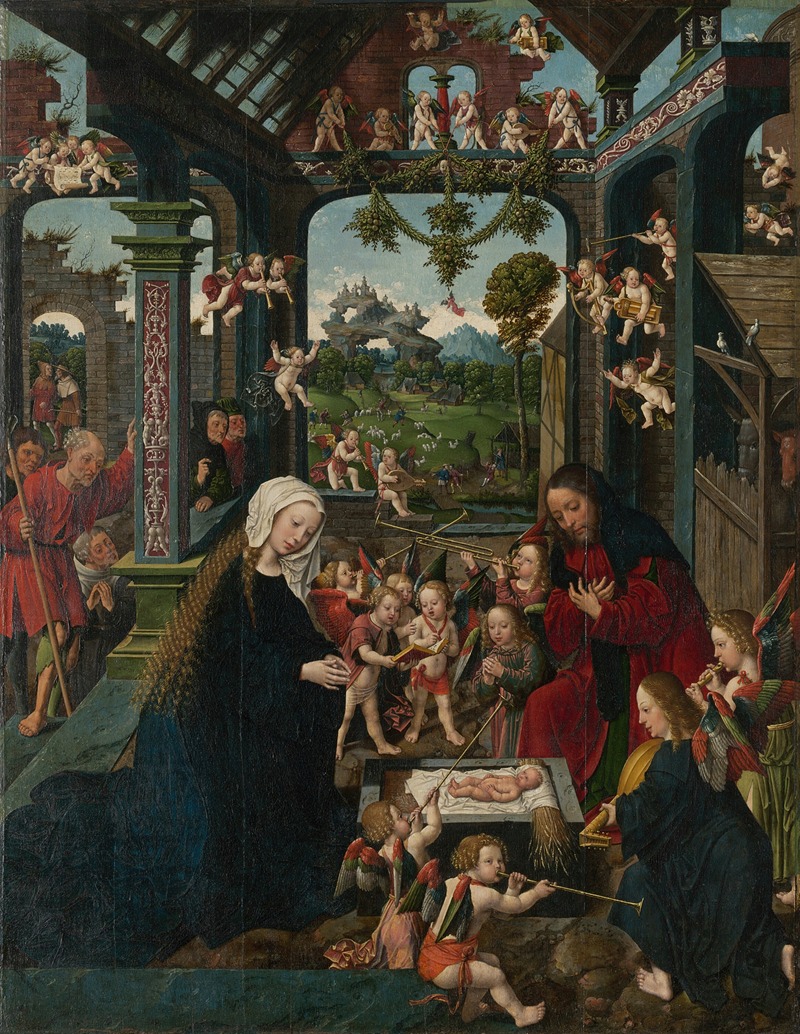
The Adoration of the Christ Child
Jacob Cornelisz van Oostsanen
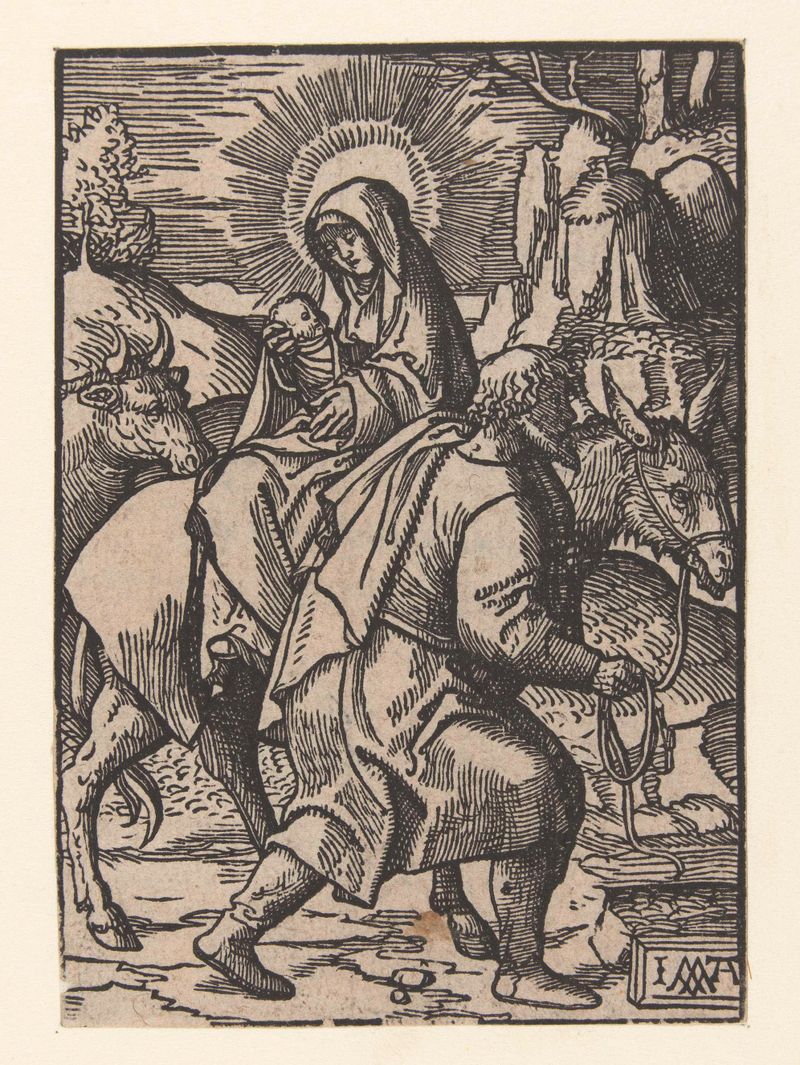
Vlucht naar Egypte
Jacob Cornelisz van Oostsanen
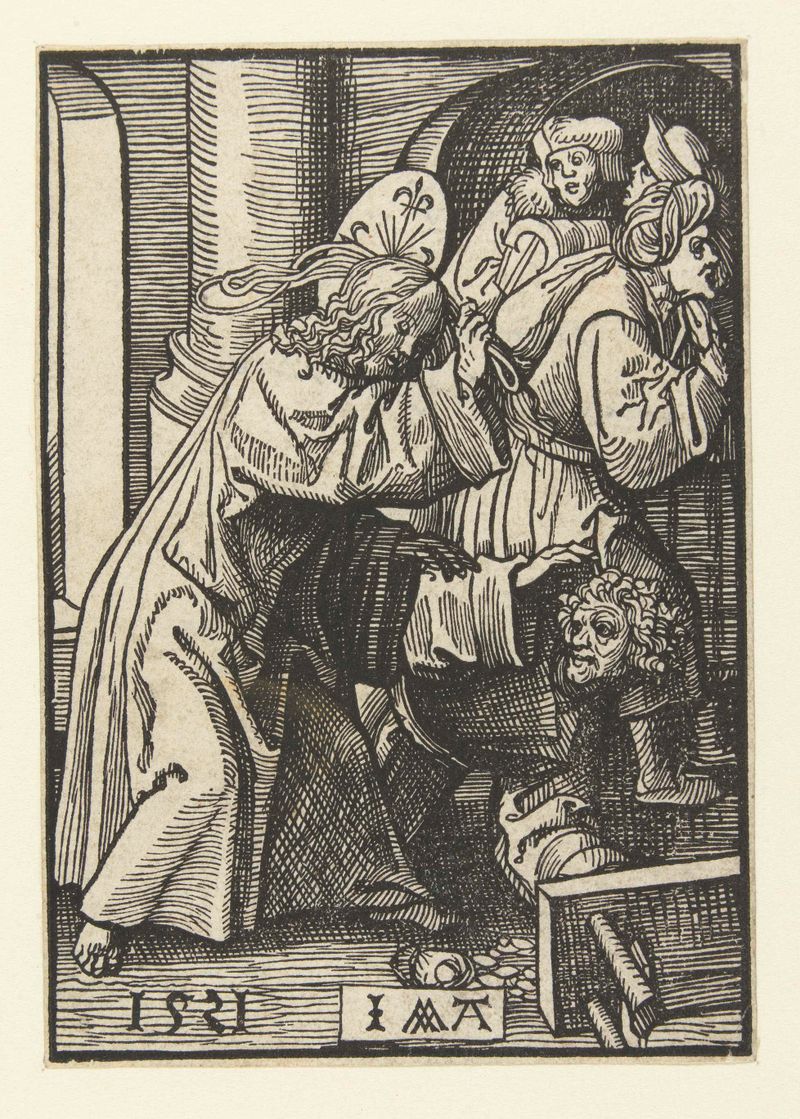
Verdrijving van de handelaren uit de tempel
Jacob Cornelisz van Oostsanen
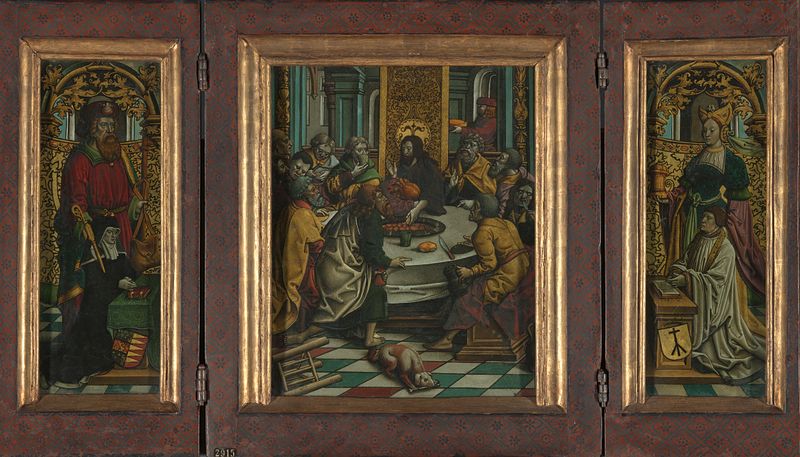
Triptych with the Last Supper and Donors
Jacob Cornelisz van Oostsanen
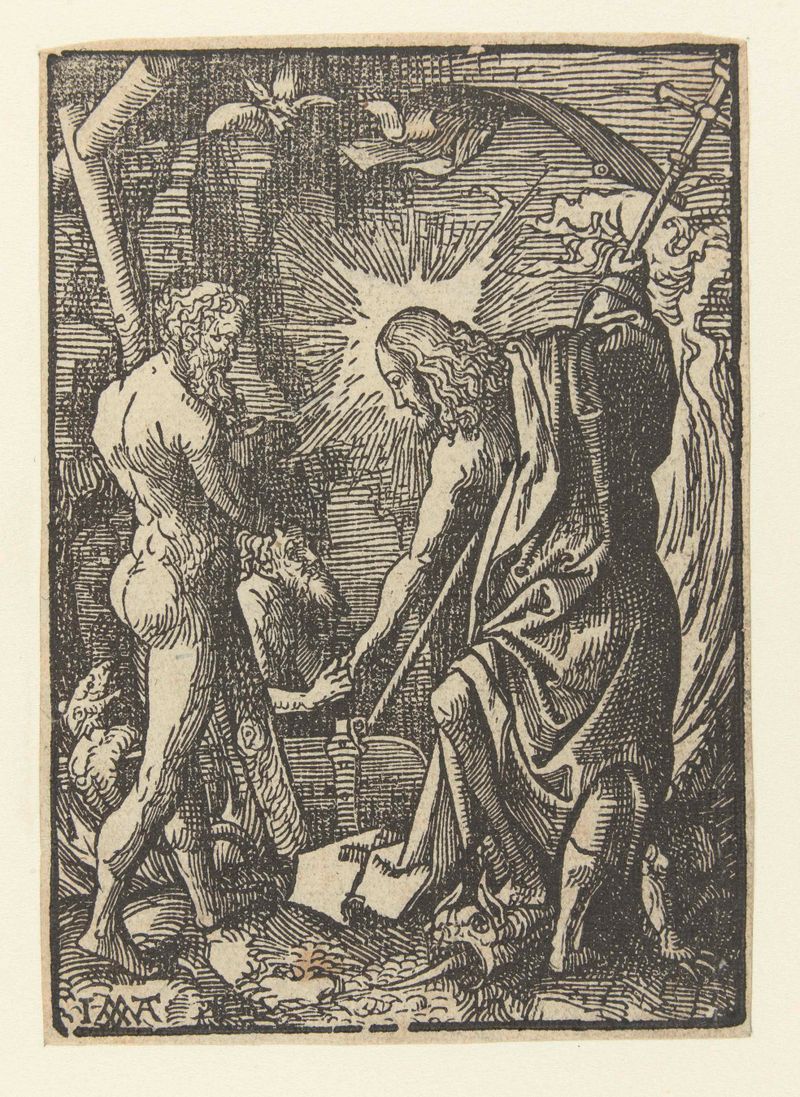
Christus in het voorgeborchte
Jacob Cornelisz van Oostsanen
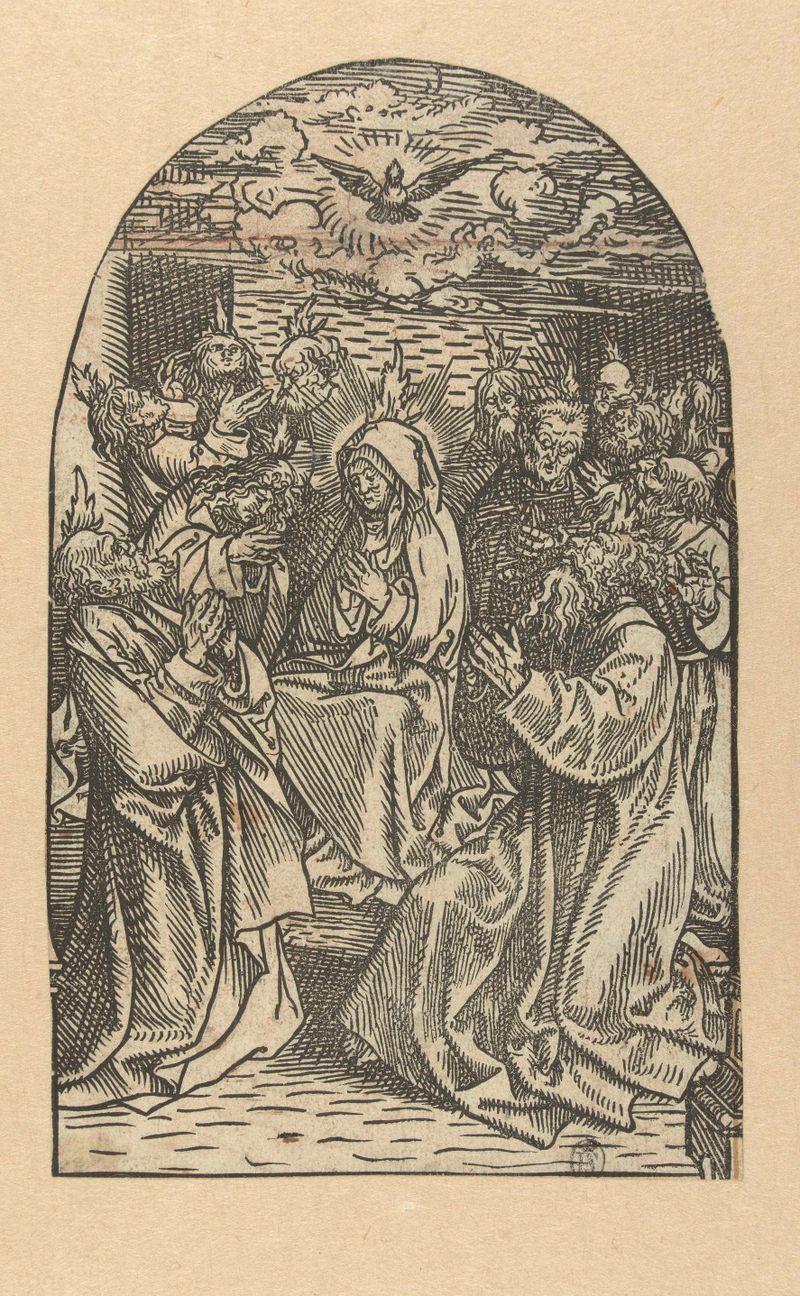
Uitstorting van de Heilige Geest
Jacob Cornelisz van Oostsanen
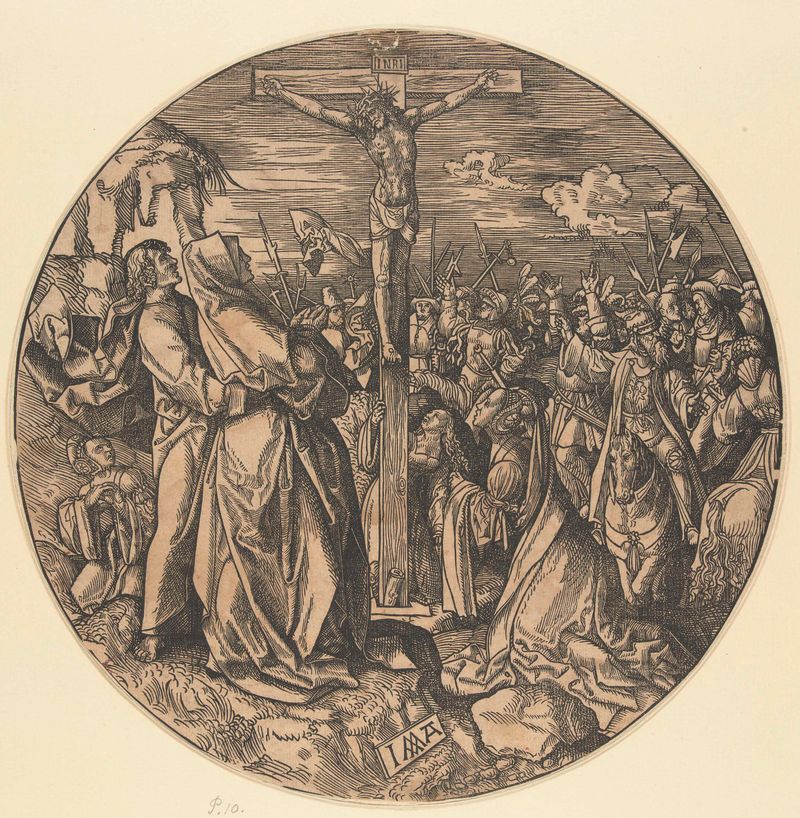
Christus aan het kruis
Jacob Cornelisz van Oostsanen

De kruisiging en de graflegging van Christus
Jacob Cornelisz van Oostsanen
More Historical Art
Browse all →
The Night Watch Militia Company of District II under the Command of Captain Frans Banninck Cocq
Rembrandt van Rijn

Lincoln Memorial
Henry Bacon

The Third of May 1808
Francisco de Goya

Isaac and Rebecca, Known as ‘The Jewish Bride’
Rembrandt van Rijn

The Charge of the Mamelukes (1814)
Francisco de Goya

De vier ruiters van de apocalyps
Albrecht Dürer