
De Judaskus, Joab verraadt Amasa en Tryfon verraadt Jonathan — History & Facts
Can beauty exist without sorrow? In Jacob Cornelisz van Oostsanen’s haunting De Judaskus, Joab verraadt Amasa en Tryfon verraadt Jonathan, the intricate interplay of betrayal and loneliness emerges as a poignant tableau, inviting the viewer to ponder the weight of human connections. Look closely at the foreground, where Joab’s piercing gaze meets Amasa’s confused expression, poised at the moment of treachery. The artist employs rich, muted colors, bathing the scene in a golden glow, which enhances the emotional gravity of this fateful encounter. Notice the subtle contrast between the lush, vibrant attire of the figures and the dark, looming shadows that suggest a foreboding atmosphere, ingeniously crafted to evoke an unsettling tension. The gestures of the characters speak volumes: Amasa, oblivious to his impending doom, symbolizes trust, while Joab’s tightly clasped hands conceal the treachery he is about to unleash.
The background figures, standing as silent witnesses, deepen the theme of isolation amid chaos. This duality of beauty and betrayal resonates powerfully, revealing the loneliness inherent in human relationships when trust is shattered. Painted between 1525 and 1530, this work emerged during a time when the Northern Renaissance was experiencing a shift towards more complex emotional narratives in art. Van Oostsanen, based in Amsterdam, was deeply influenced by religious and historical themes, often exploring moral dilemmas.
The societal upheaval of the period, marked by religious conflict and uncertain loyalties, likely inspired the artist to confront these weighty issues through his expressive imagery.
More Artworks by Jacob Cornelisz van Oostsanen
Browse all →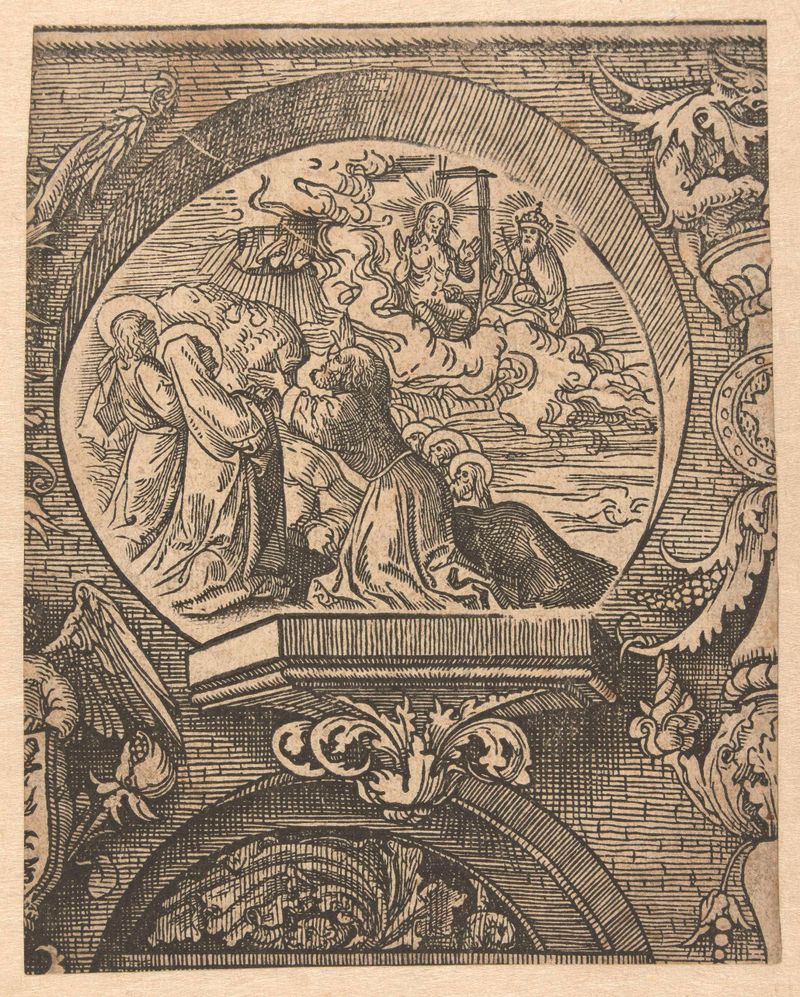
De hemelvaart en Christus voor God de Vader
Jacob Cornelisz van Oostsanen
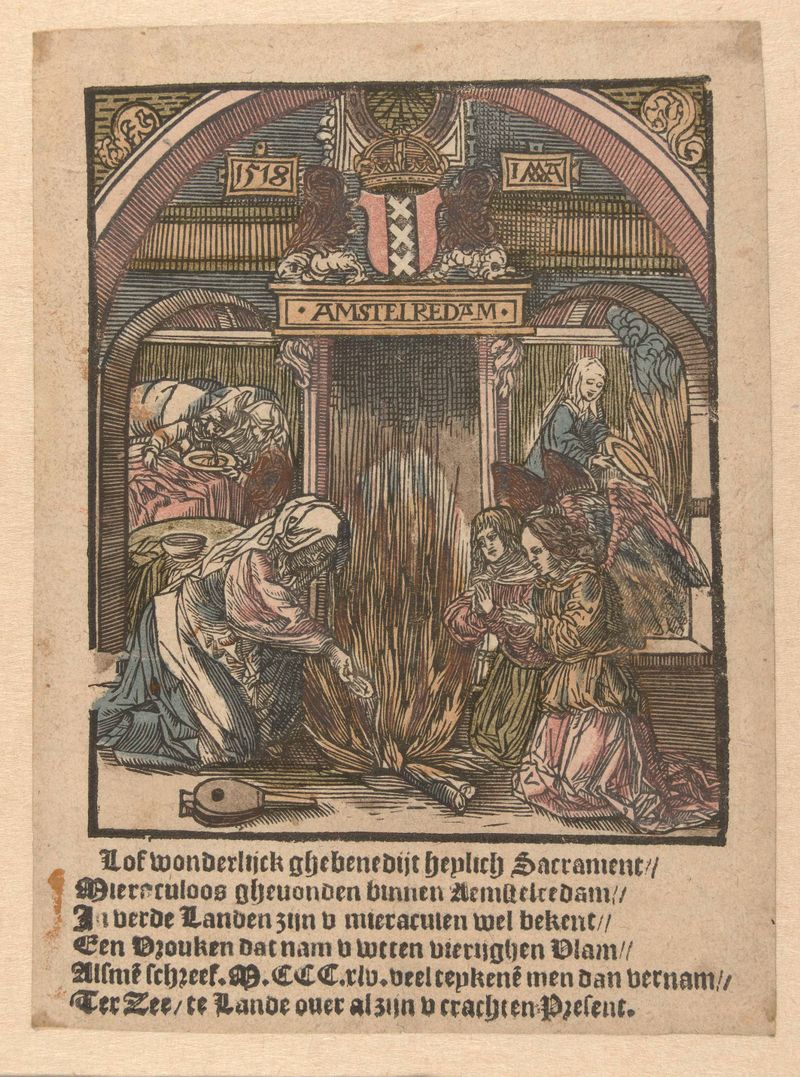
Het hostiewonder van Amsterdam
Jacob Cornelisz van Oostsanen
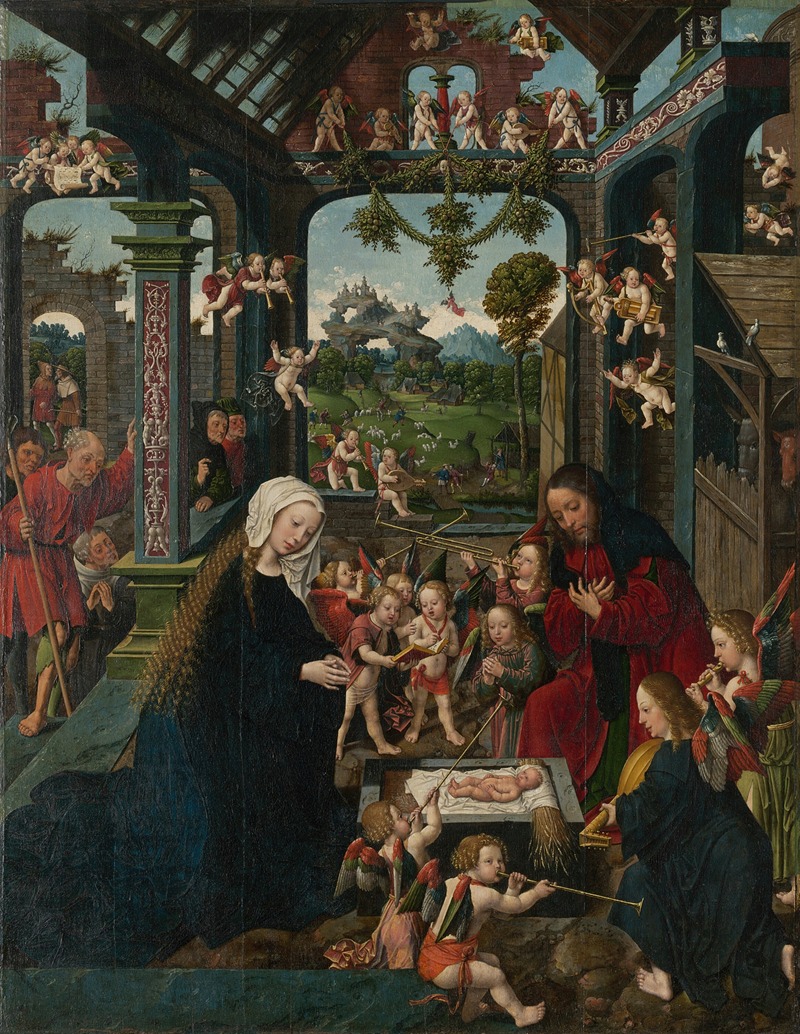
The Adoration of the Christ Child
Jacob Cornelisz van Oostsanen
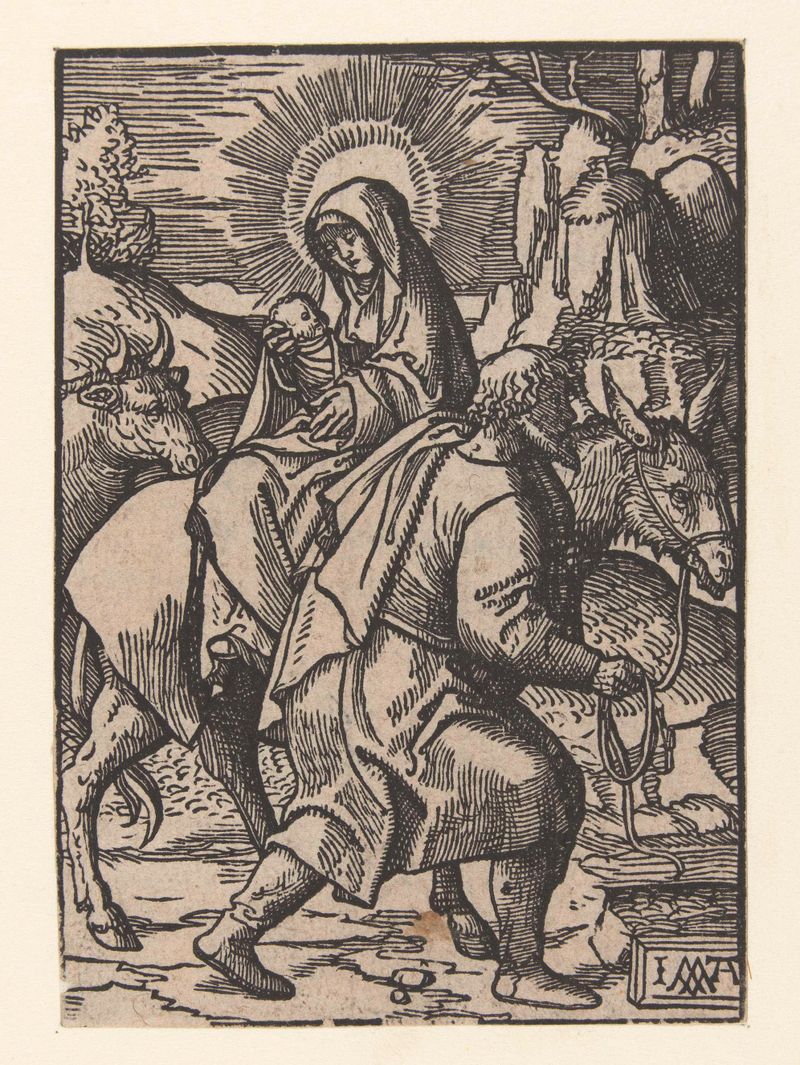
Vlucht naar Egypte
Jacob Cornelisz van Oostsanen
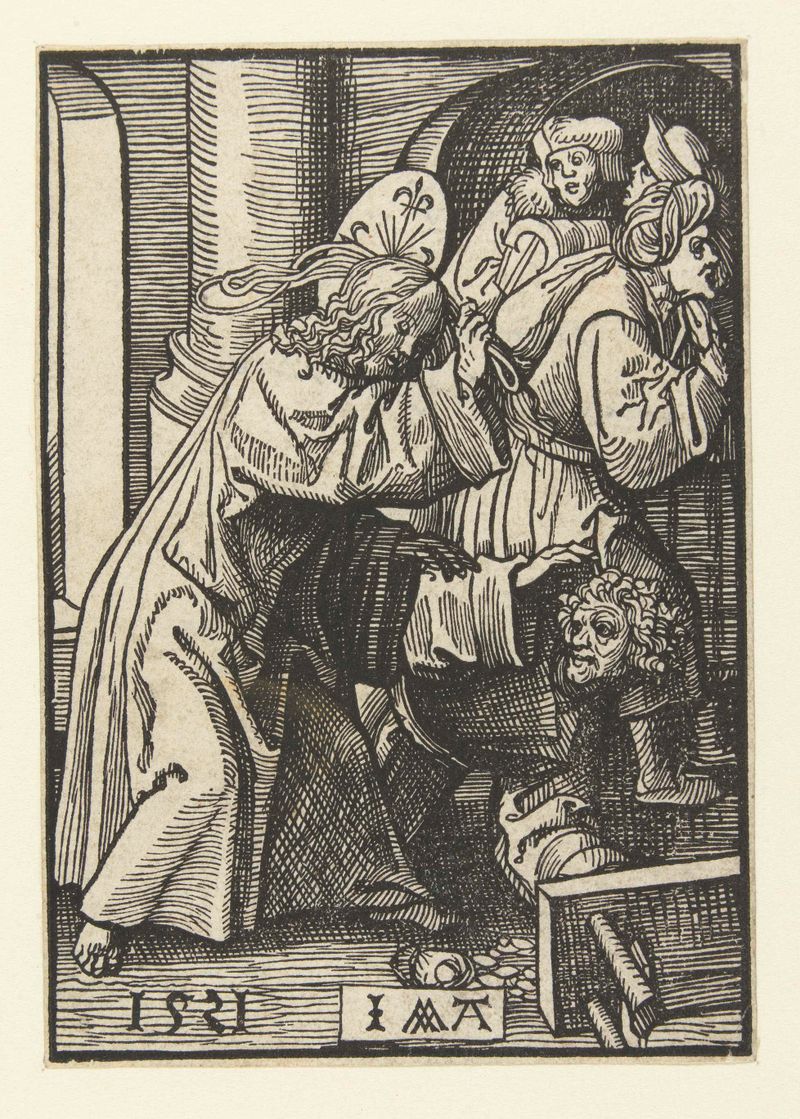
Verdrijving van de handelaren uit de tempel
Jacob Cornelisz van Oostsanen
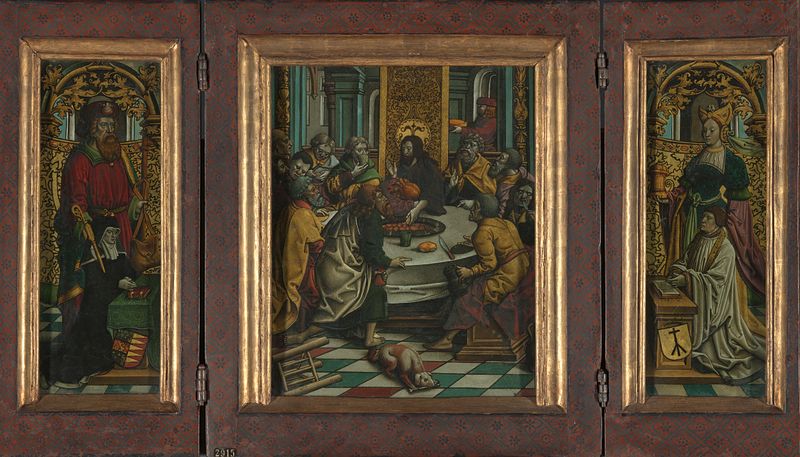
Triptych with the Last Supper and Donors
Jacob Cornelisz van Oostsanen
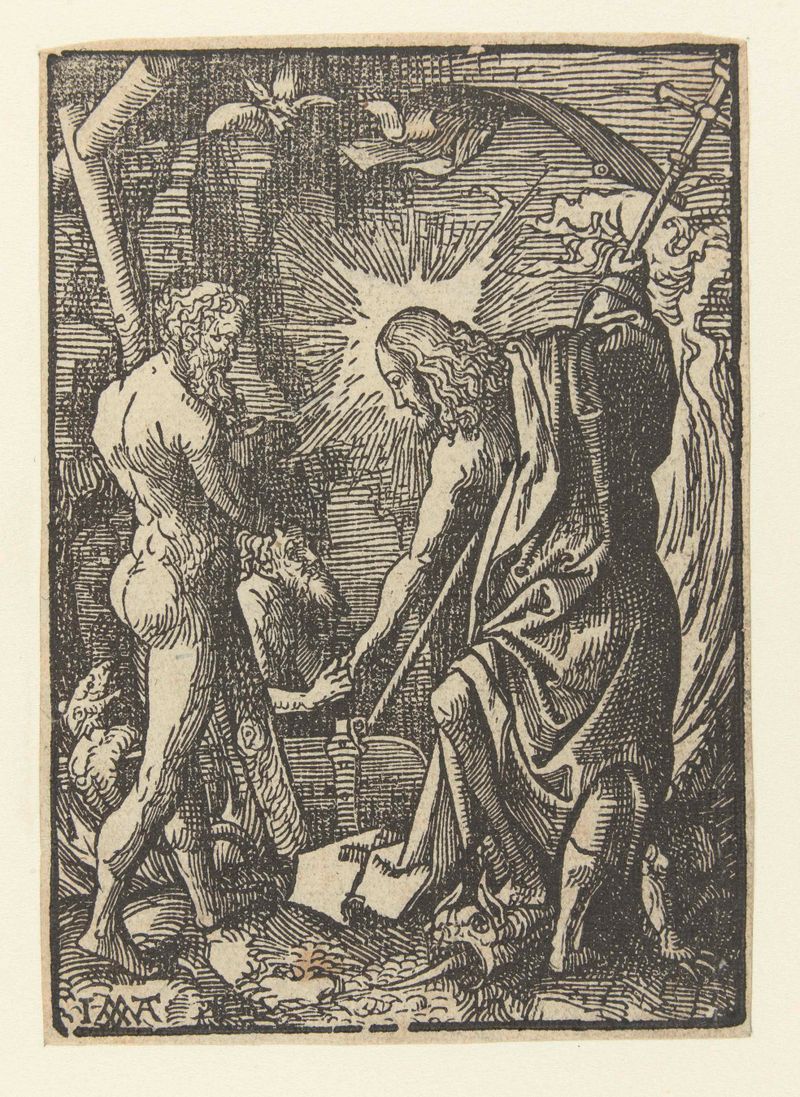
Christus in het voorgeborchte
Jacob Cornelisz van Oostsanen
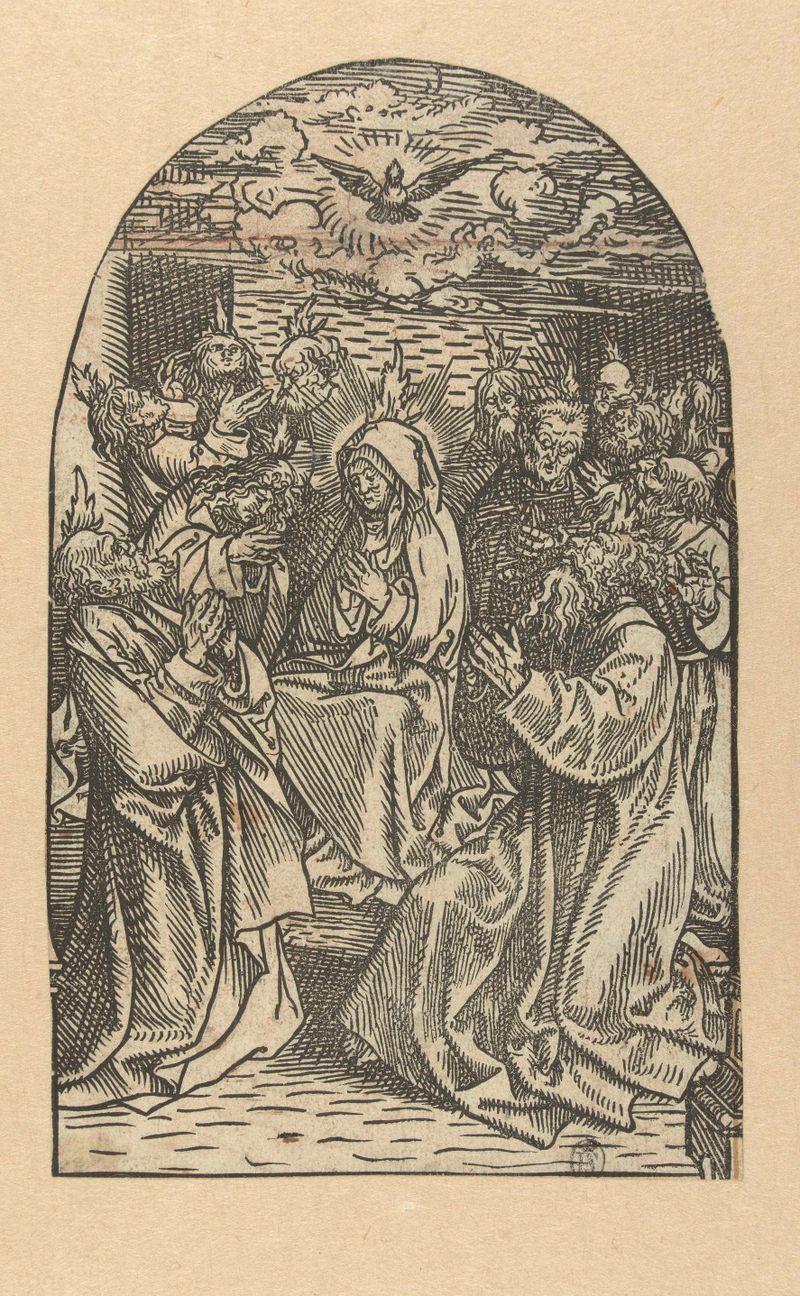
Uitstorting van de Heilige Geest
Jacob Cornelisz van Oostsanen
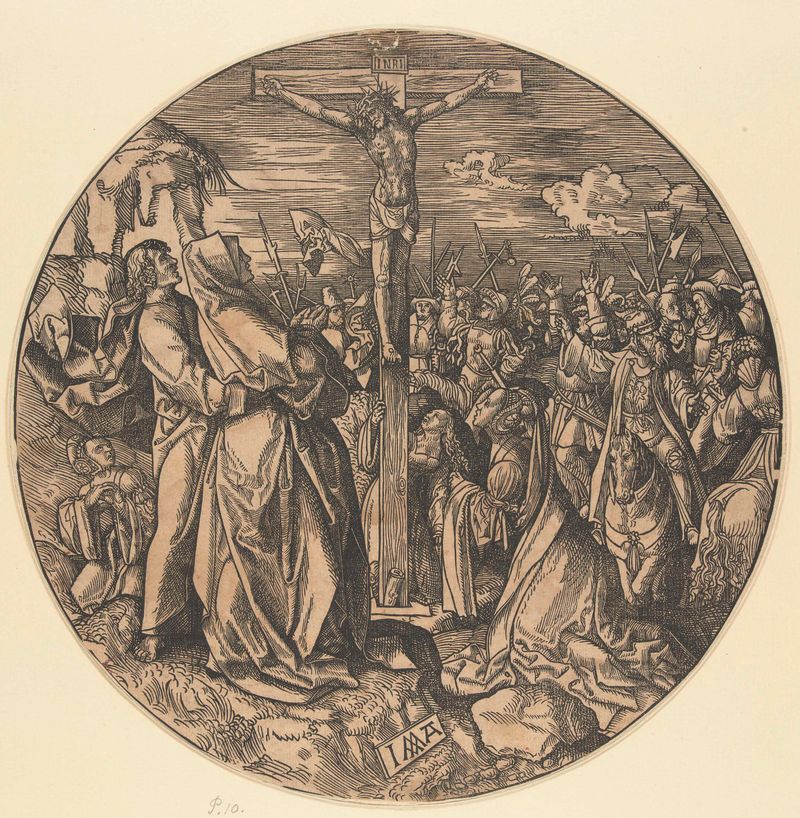
Christus aan het kruis
Jacob Cornelisz van Oostsanen

De kruisiging en de graflegging van Christus
Jacob Cornelisz van Oostsanen
More Historical Art
Browse all →
The Night Watch Militia Company of District II under the Command of Captain Frans Banninck Cocq
Rembrandt van Rijn

Lincoln Memorial
Henry Bacon

The Third of May 1808
Francisco de Goya

Isaac and Rebecca, Known as ‘The Jewish Bride’
Rembrandt van Rijn

The Charge of the Mamelukes (1814)
Francisco de Goya

De vier ruiters van de apocalyps
Albrecht Dürer