
Desdemona — History & Facts
When Desdemona was first shown in 1896, viewers were struck by the painting’s haunting mood and the way Albert Pinkham Ryder seemed to dissolve his subject into shadows and dreams. Ryder, a reclusive figure in American art, was known for his slow, obsessive working methods—sometimes reworking canvases for years. Desdemona emerged during a period when Ryder was deeply engaged with Shakespearean themes, and this painting is often cited as one of his most mysterious interpretations.
Unlike many of his literary scenes, the medium Ryder used here is uncertain, as he frequently experimented with unconventional mixtures of oils and resins, which has left the surface of his works unpredictable and fragile. The scene Ryder chose is the fateful moment from Shakespeare’s Othello, when Desdemona, innocent and doomed, waits in her chamber on the night of her murder. The painting’s darkness presses in, with only Desdemona’s pale figure illuminated, her face turned in quiet resignation. Her white gown and the faint glimmer of bed linens stand out against the murky background, suggesting both purity and vulnerability.
Ryder’s brushwork is thick and almost abstract, blurring the boundaries of the room and heightening the sense of isolation. Unlike John Everett Millais’s precise and detailed Ophelia, Ryder’s Desdemona is less a portrait than a vision, suspended between life and tragedy. The physical history of Desdemona is as enigmatic as its atmosphere. Ryder rarely exhibited his works, and many remained in his New York studio until his death in 1917.
Over time, the unstable materials he favored have caused the surface to darken and crack, making conservation a challenge for museums and collectors. Today, Desdemona is recognized as a key work in Ryder’s late career, embodying his fascination with literary heroines and his restless search for emotional depth through paint. The painting’s current home is in a major American museum, where it continues to invite debate about Ryder’s methods and intentions.
More Artworks by Albert Pinkham Ryder

The Toilers of the Sea
Albert Pinkham Ryder
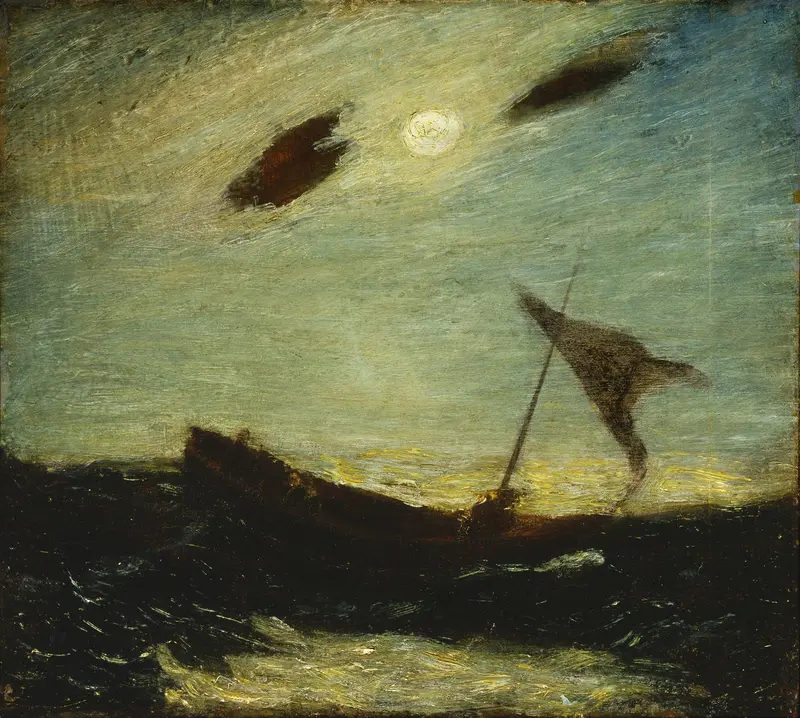
Moonlight
Albert Pinkham Ryder
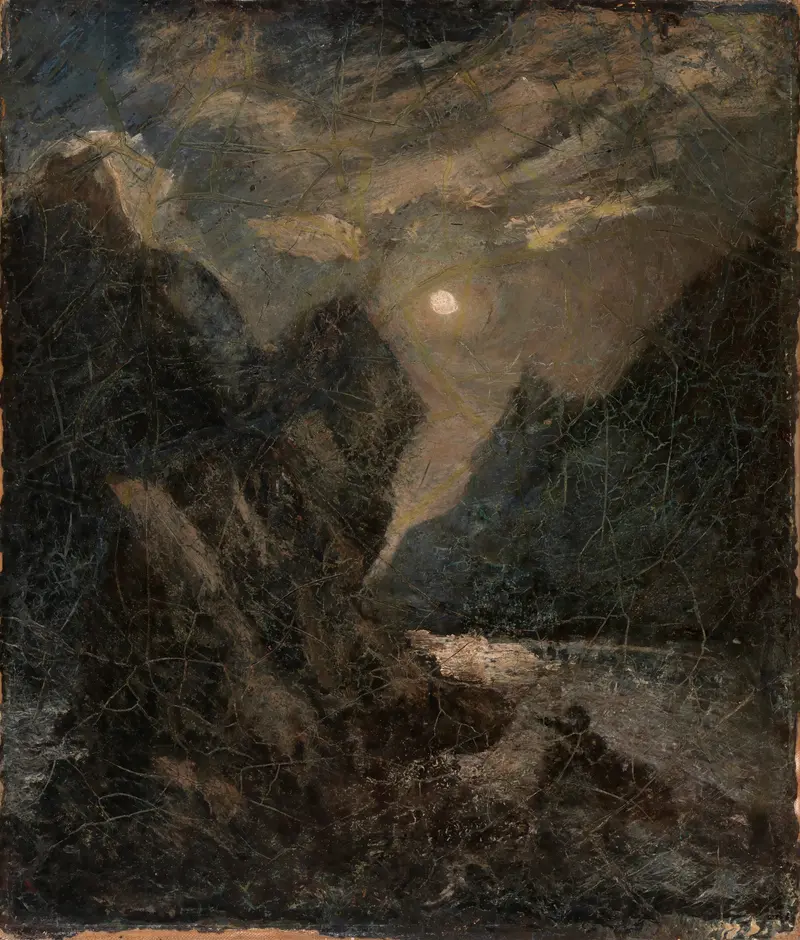
The Lorelei
Albert Pinkham Ryder
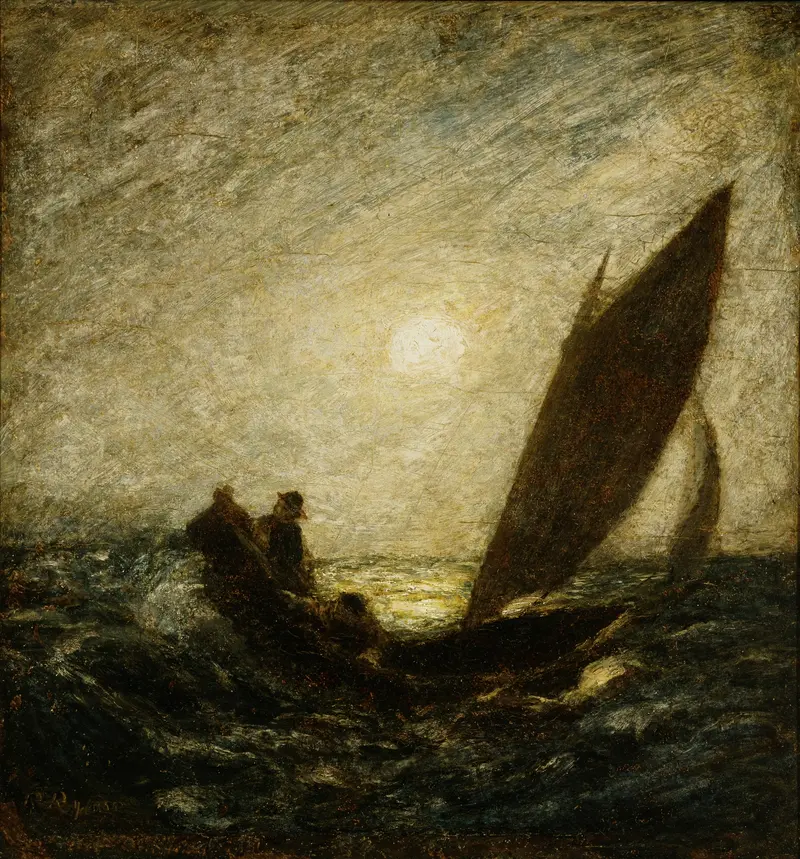
With Sloping Mast And Dipping Prow
Albert Pinkham Ryder
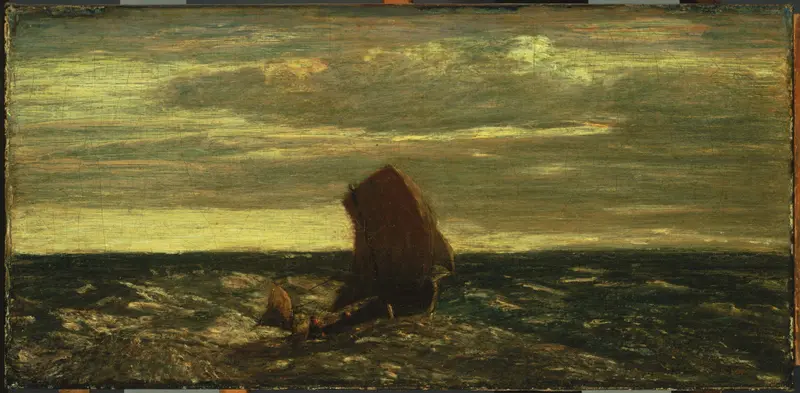
Homeward Bound
Albert Pinkham Ryder
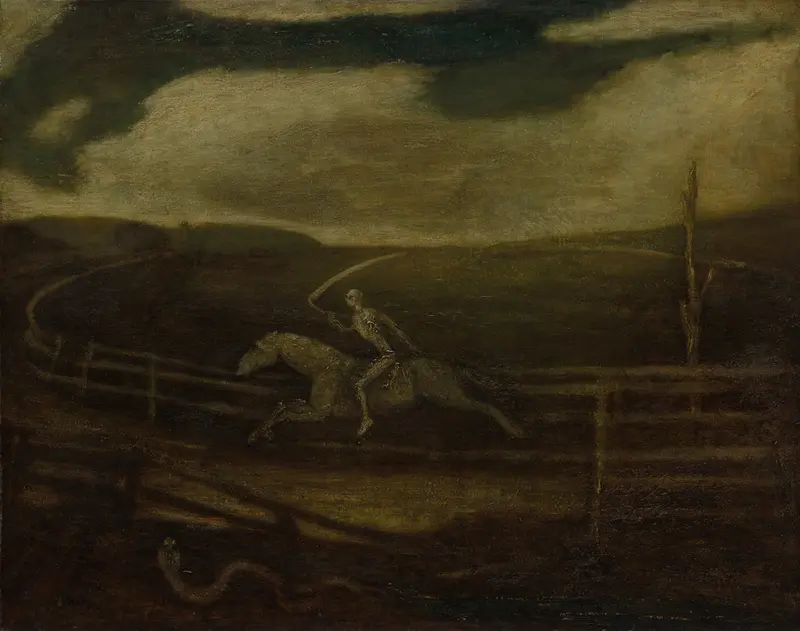
The Race Track (Death on a Pale Horse)
Albert Pinkham Ryder
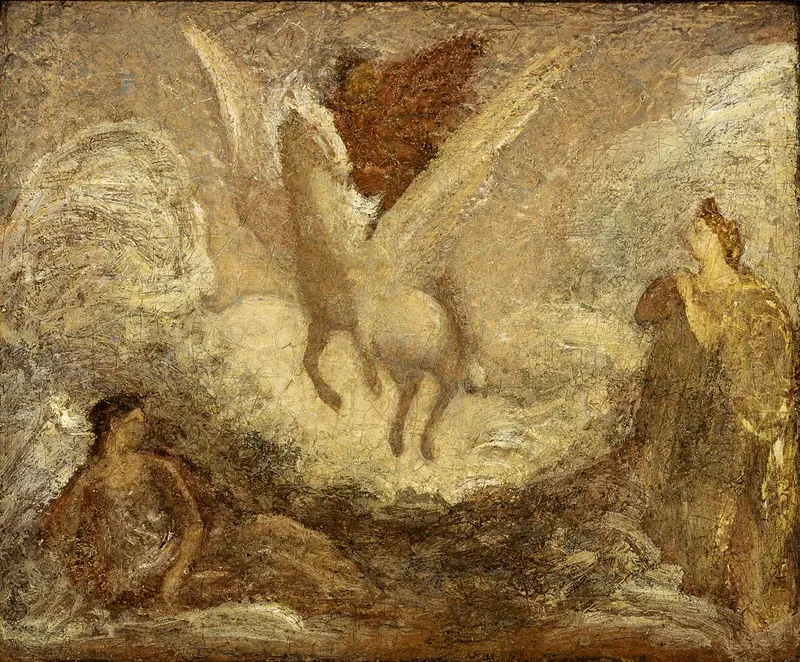
Pegasus Departing
Albert Pinkham Ryder
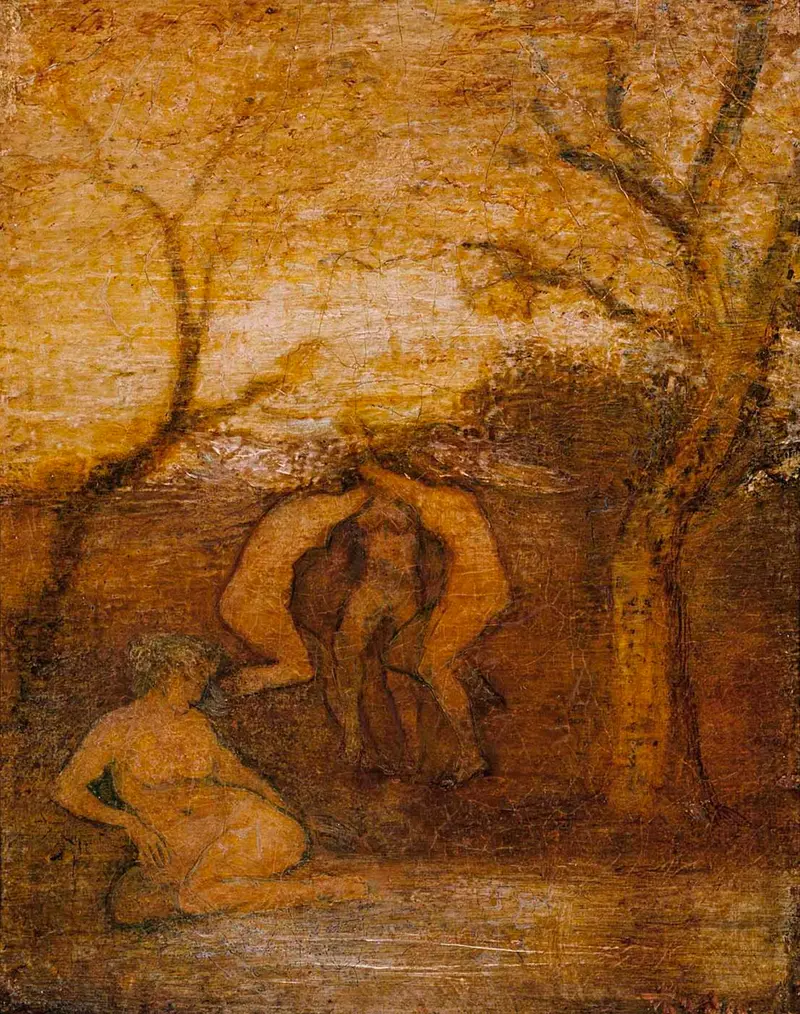
Dancing Dryads
Albert Pinkham Ryder
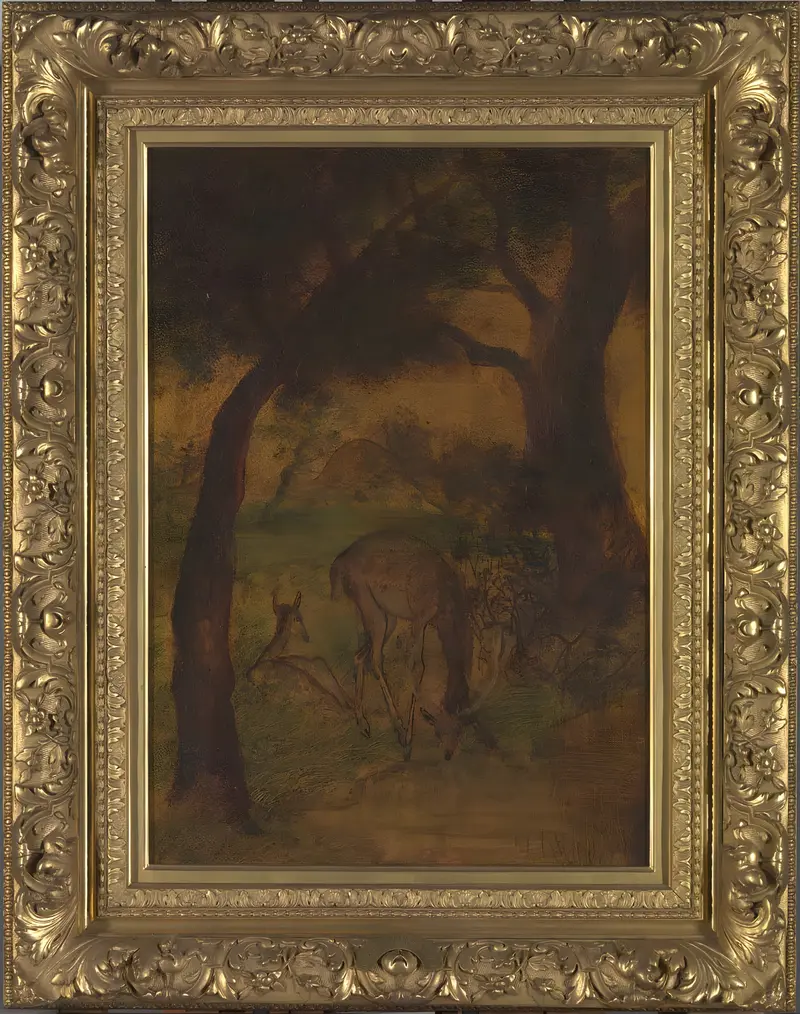
A Stag Drinking
Albert Pinkham Ryder
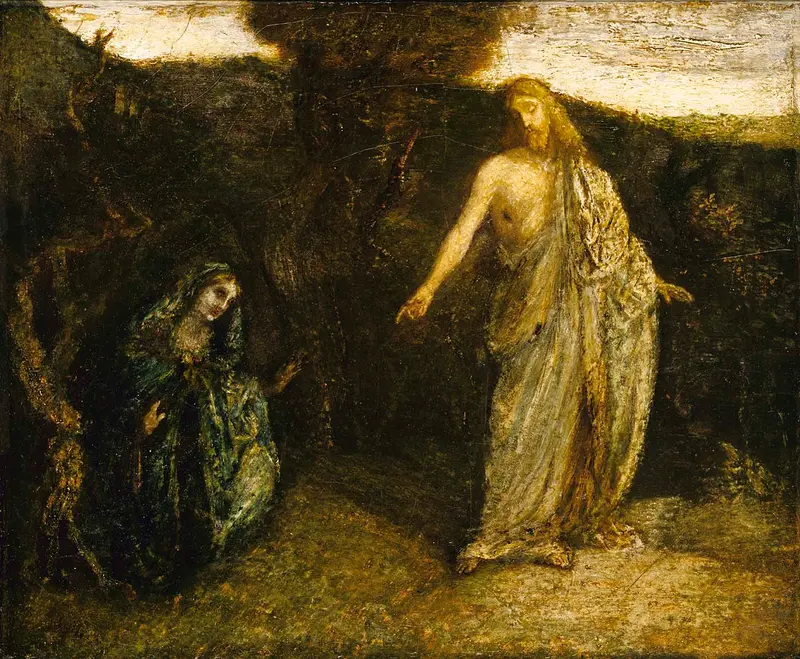
Christ Appearing to Mary
Albert Pinkham Ryder



