Design for the Carpet ‘The Hunter’ — History & Facts
No one knows for certain whether Design for the Carpet ‘The Hunter’ by Gustave Van de Woestijne was ever woven into wool and silk, or if it remained forever on paper, a vision of domestic grandeur that never left the artist’s studio. The absence of a date and medium only deepens the mystery, leaving scholars to speculate about its place in Van de Woestijne’s career and the intentions behind its creation. What is clear is that this design stands as a rare example of the artist’s engagement with applied arts, a field he seldom entered, despite the decorative arts revival sweeping Belgium in the early twentieth century. The scene itself captures a hunter poised at the edge of a stylized woodland, his posture tense, eyes fixed on unseen prey.
Van de Woestijne’s characteristic use of elongated forms and flattened perspective transforms the figure into a symbol rather than a portrait, echoing the spiritualized figures of his Symbolist contemporaries. The geometric foliage and rhythmic lines suggest both the order of nature and the human urge to master it, while subtle motifs—perhaps a hound at the hunter’s feet or a distant stag—hint at the eternal drama of pursuit and escape. Unlike the grand hunting tapestries of the Renaissance, such as those at the Château de Chambord, Van de Woestijne’s design is intimate, almost meditative, focusing on the psychological tension of the moment rather than its spectacle. Little is known about the commission or early history of Design for the Carpet ‘The Hunter’.
It may have been conceived for a private patron or as part of an exhibition of decorative arts, reflecting the period’s renewed interest in integrating art with everyday life. The work’s current whereabouts are uncertain; it survives primarily through reproductions and exhibition records. Within Gustave Van de Woestijne’s oeuvre, it stands apart from his more familiar portraits and religious scenes, offering a glimpse of his versatility and his fascination with the symbolic potential of design.
More Artworks by Gustave Van de Woestijne
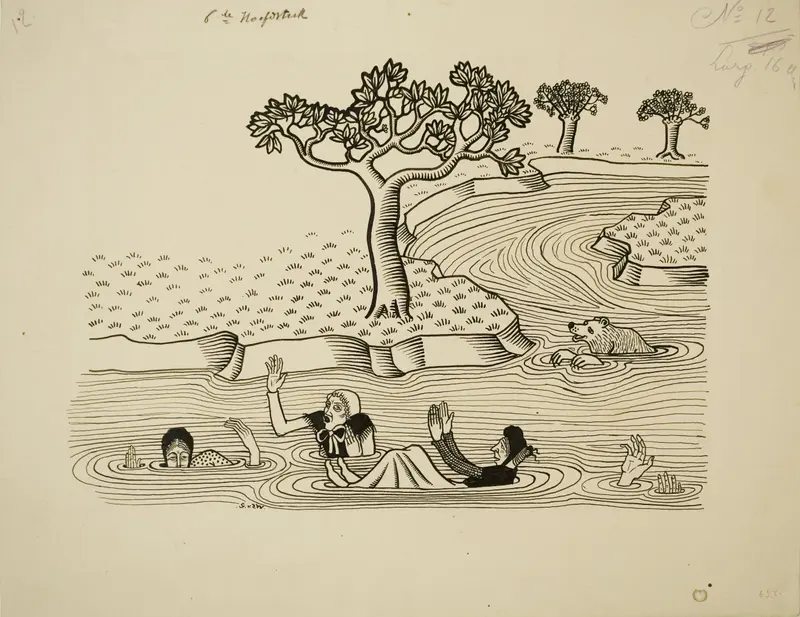
How Brown went out with Reynard where he thought he was eating honey and how he was caught by head and feet and suffered further misfortune
Gustave Van de Woestijne
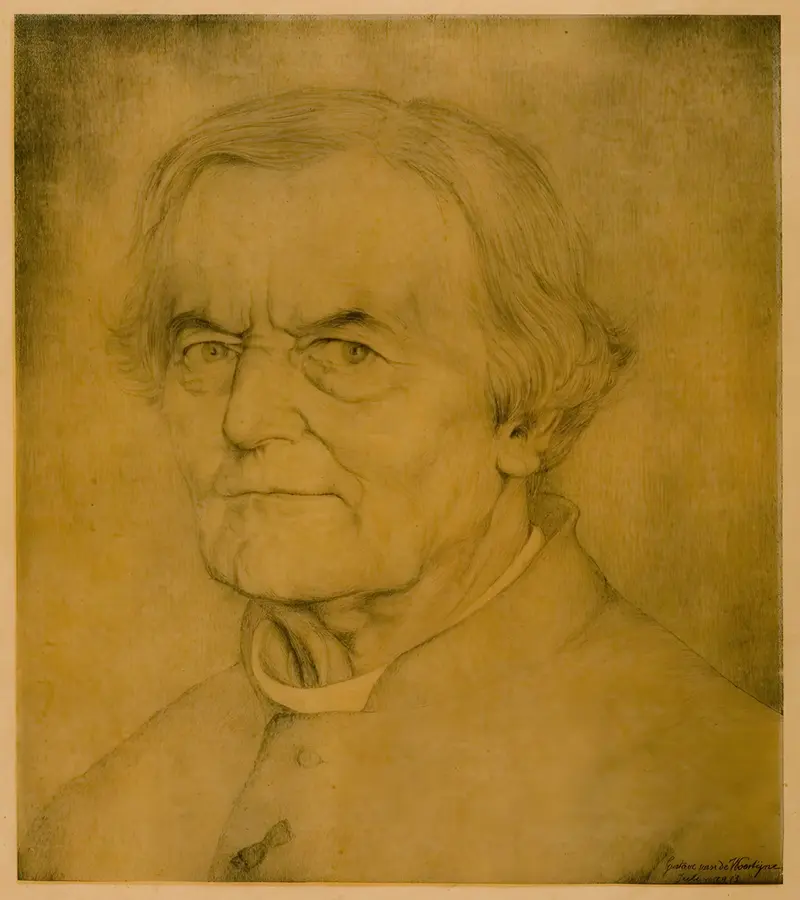
Portrait of Hugo Verriest
Gustave Van de Woestijne
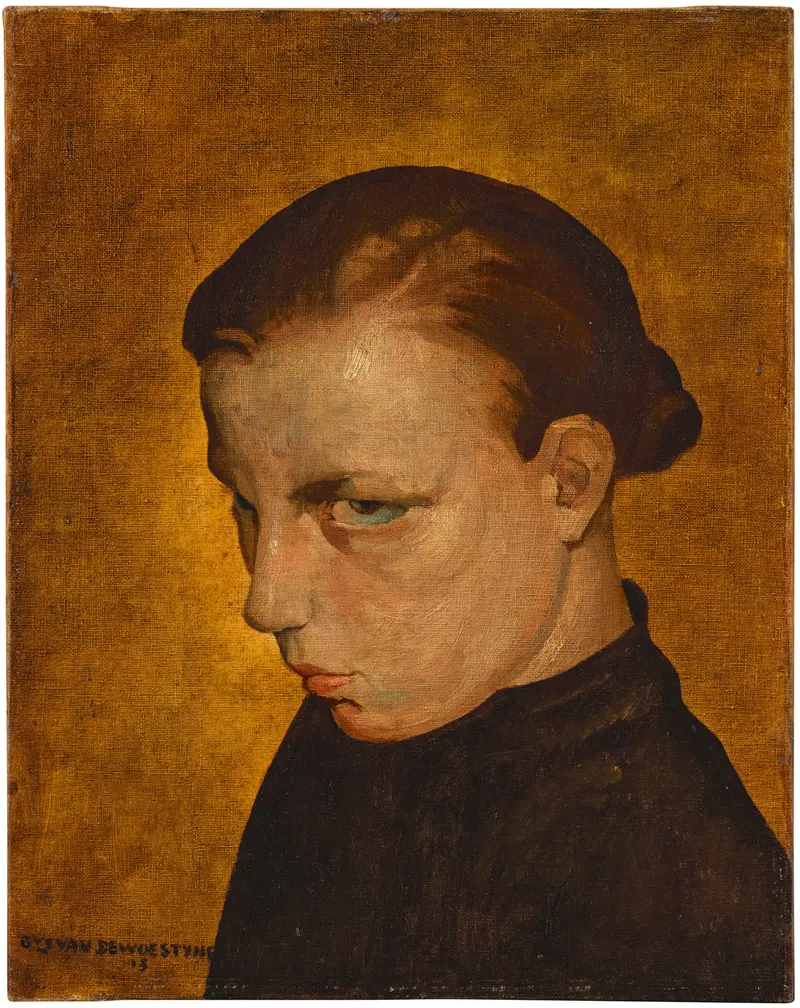
Angèle
Gustave Van de Woestijne
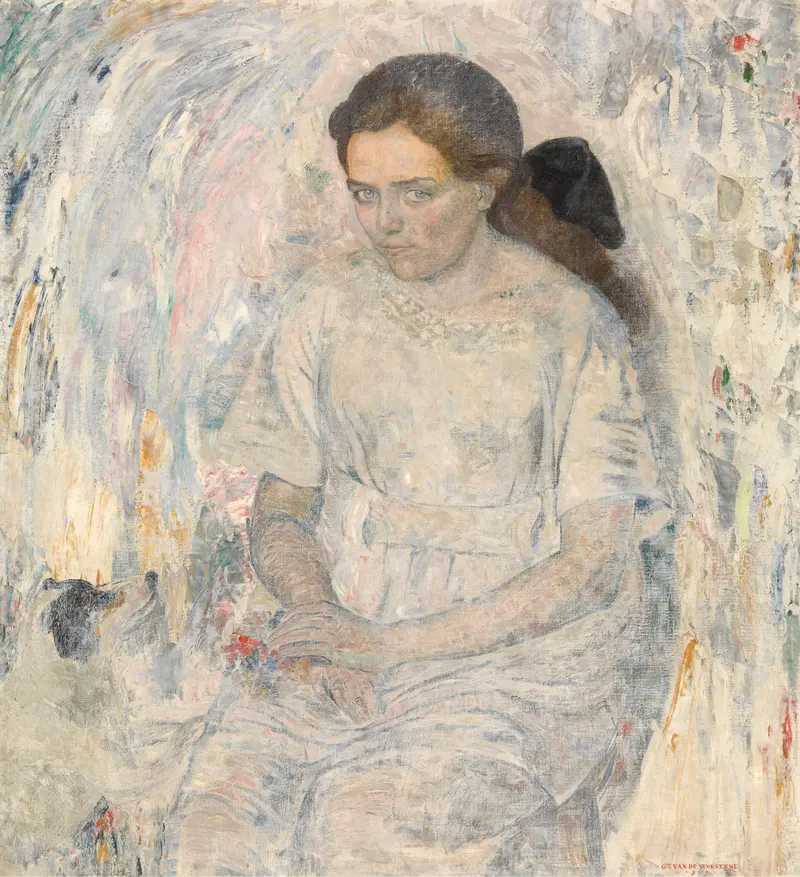
Adrienne
Gustave Van de Woestijne
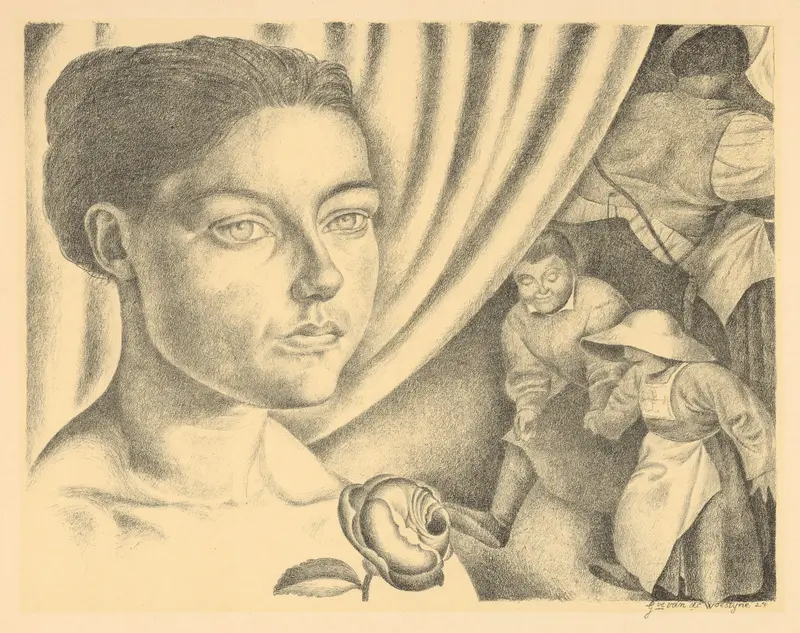
Jeune Femme
Gustave Van de Woestijne
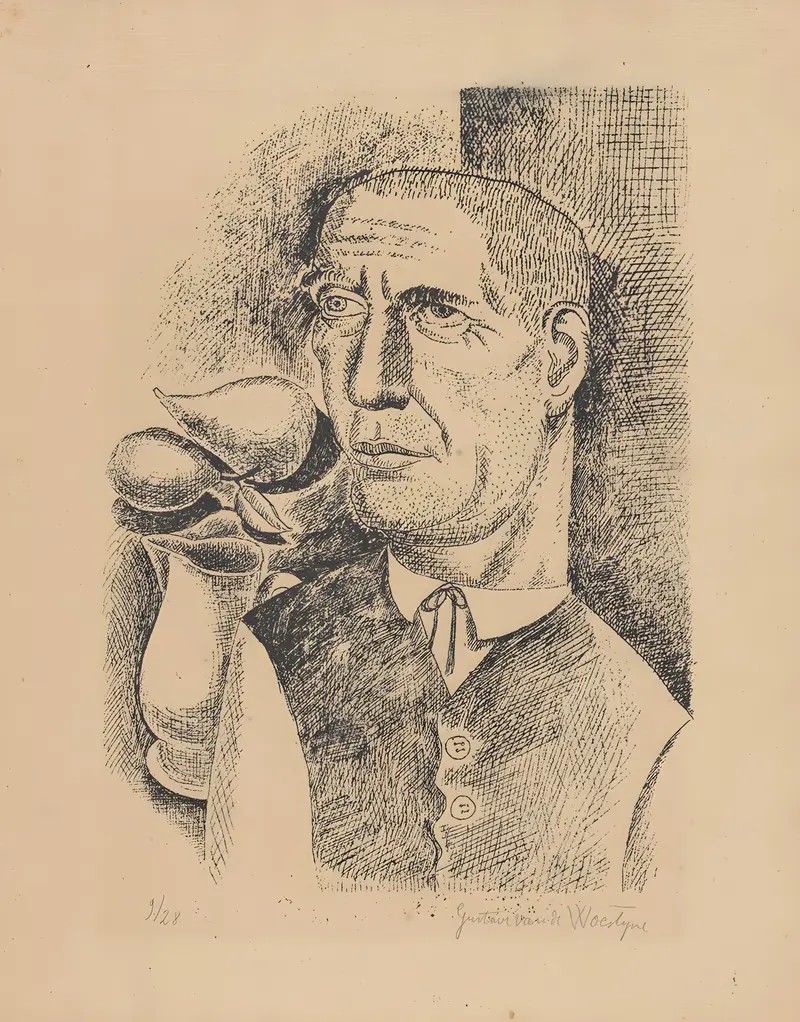
Boer op zijn zondags (Paysan endimanché)
Gustave Van de Woestijne
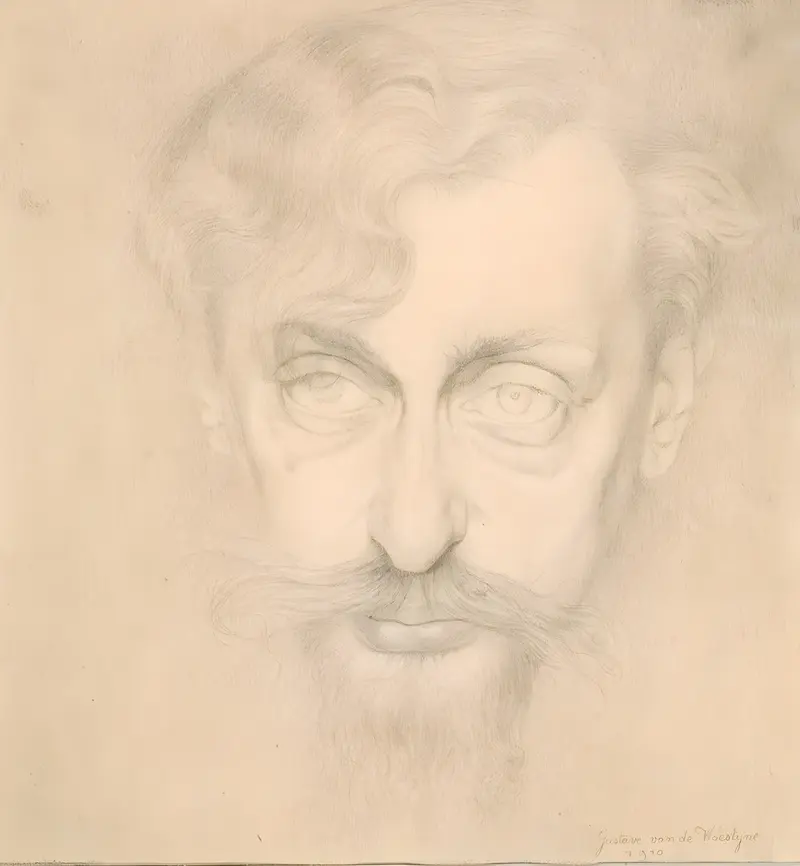
Portrait of the Writer Karel van de Woestijne
Gustave Van de Woestijne
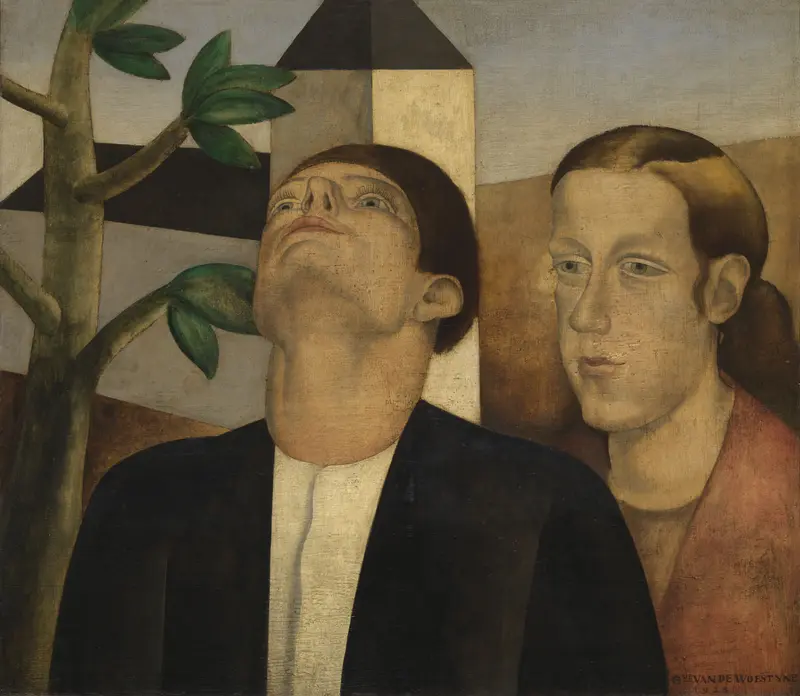
Azure
Gustave Van de Woestijne
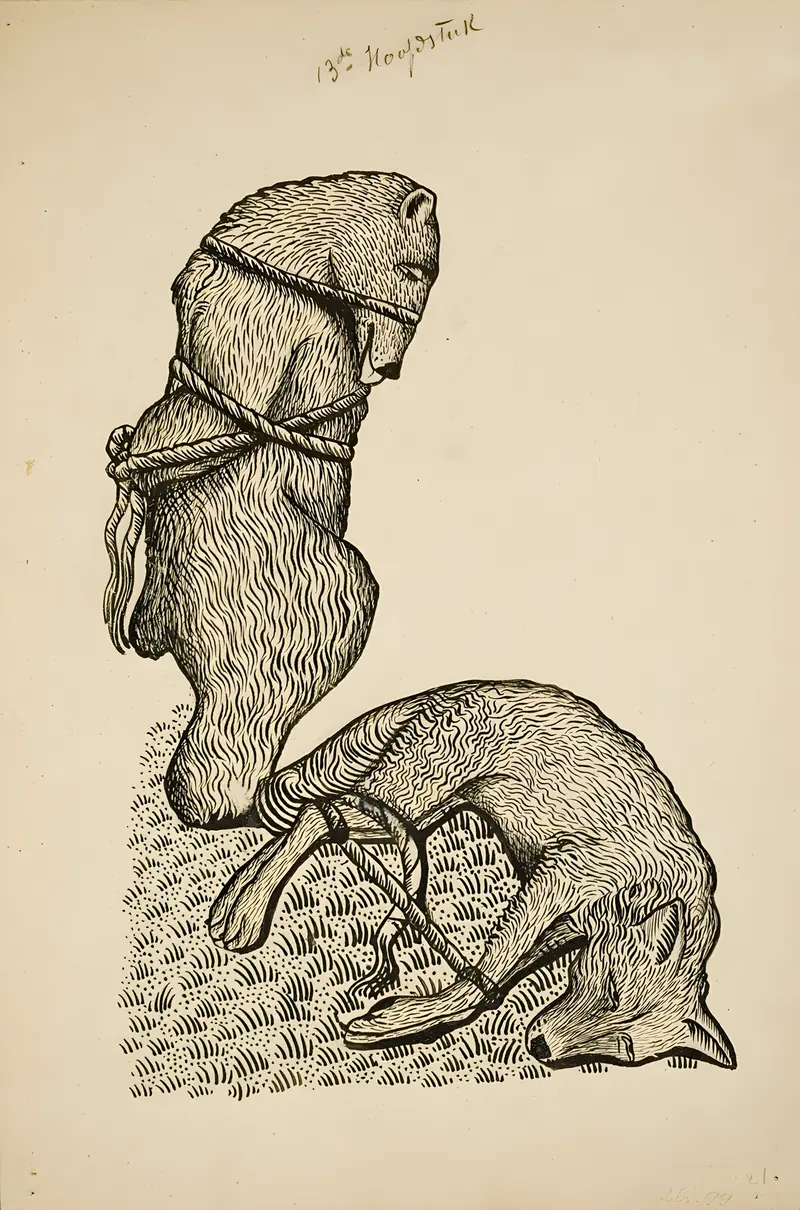
How Reinaert devises a new trick to get free and exterminate his enemies
Gustave Van de Woestijne
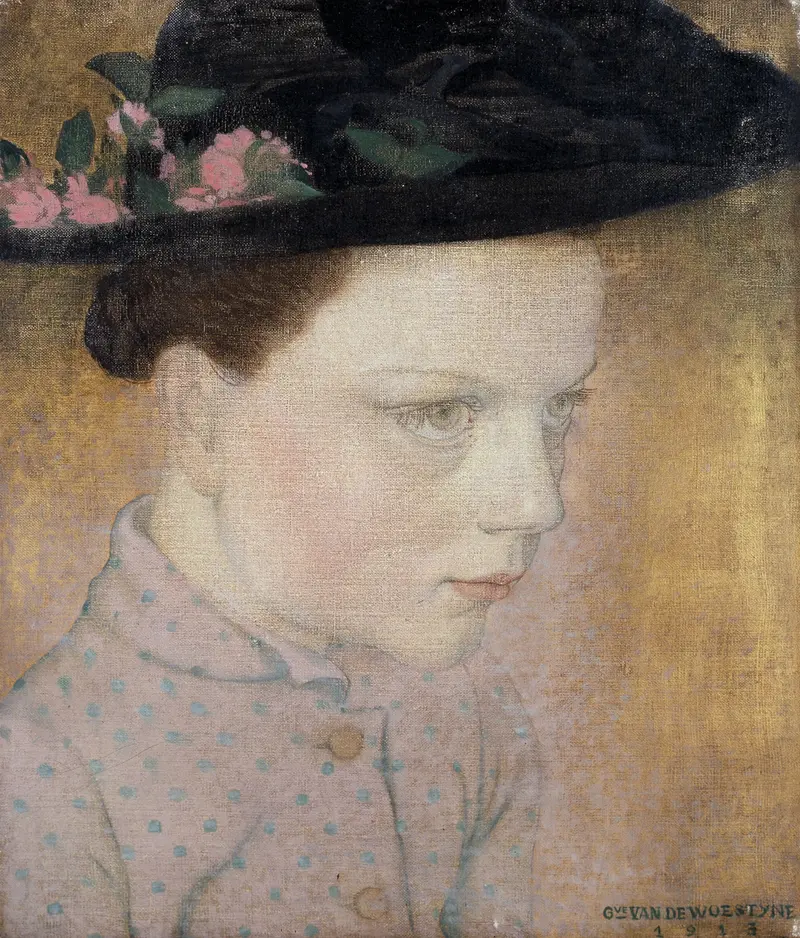
Country Girl
Gustave Van de Woestijne