
Diana and Actaeon — History & Facts
What first grips the viewer in Diana and Actaeon by Abraham Govaerts is the sense of a secret world, half-hidden in the shadows of a dense, ancient forest. The artist draws the eye into a sun-dappled glade, where a cluster of figures—goddesses and nymphs—gather around a pool, their pale bodies luminous against the deep greens and browns of the woodland. The drama unfolds quietly at first: a startled figure in red, Actaeon, stumbles upon the sacred scene, his intrusion marked by the sudden turn of heads, the startled gestures, and the tension in the air.
The composition uses the thick, arching trees to frame this moment, their branches both protecting and exposing the mythic encounter. This painting belongs to the early seventeenth century, a time when Flemish artists reveled in mythological themes and the lush possibilities of landscape. Works like this, produced around 1620, were often destined for private collectors who prized both the moral lesson of the myth and the painter’s skill in conjuring nature’s depths. Abraham Govaerts was known for his woodland scenes, and here he crafts a setting that feels both enchanted and ominous, a fitting stage for the tale of Actaeon’s fateful curiosity.
The painting now resides in a Russian collection, a reminder of how such images traveled far from their origins, carrying with them the stories and ambitions of their age. Every detail—the glint of water, the play of light on skin, the enveloping trees—invites the viewer to linger and imagine what happens next.
More Artworks by Abraham Govaerts

Forest landscape
Abraham Govaerts
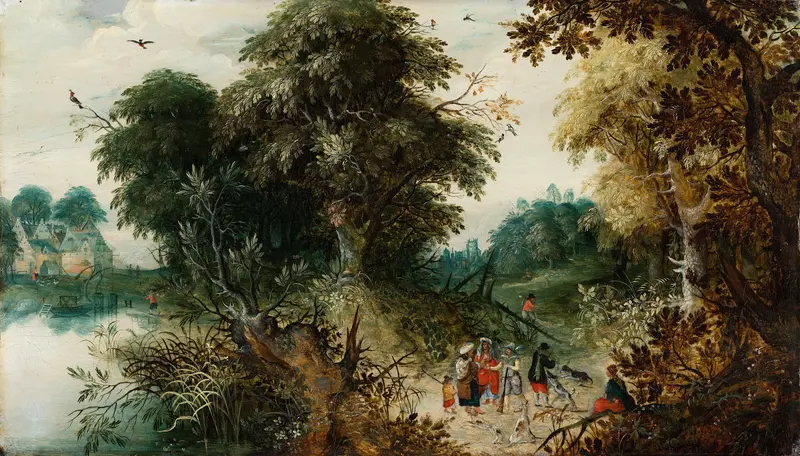
Forest View with Travellers
Abraham Govaerts
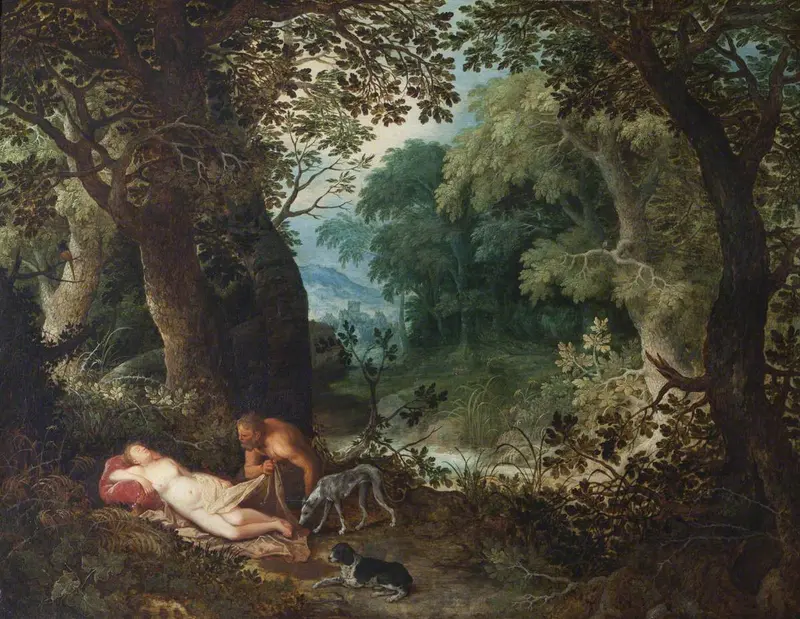
A Nymph and a Satyr
Abraham Govaerts
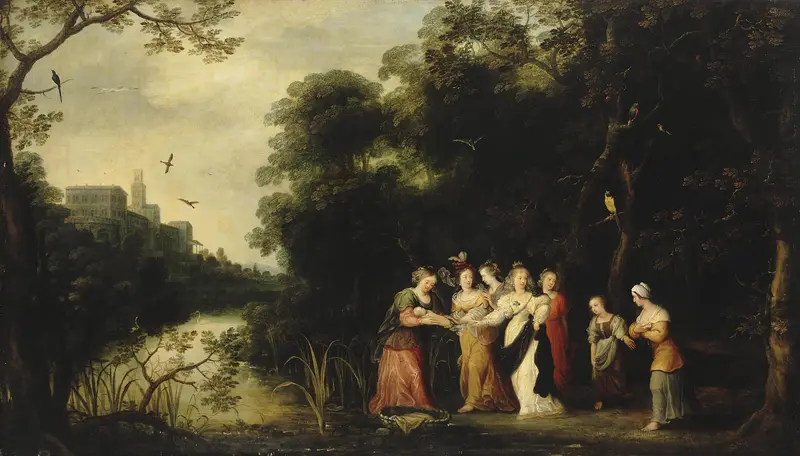
Finding of Moses
Abraham Govaerts
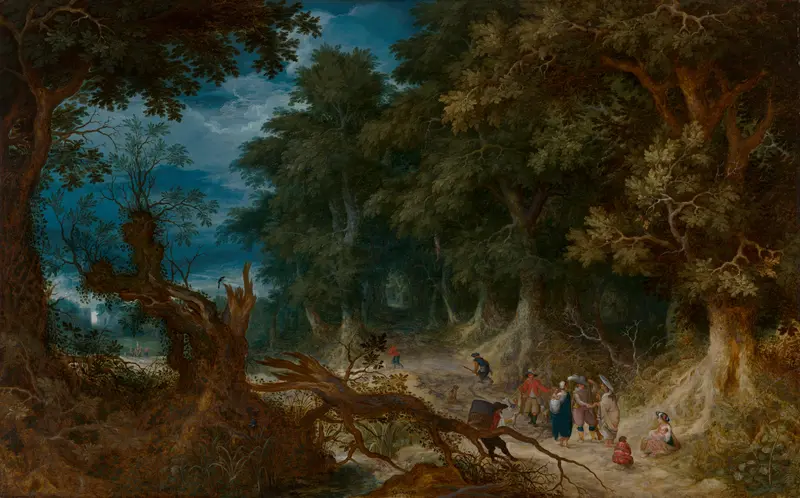
Wooded Landscape with Gipsy Women
Abraham Govaerts
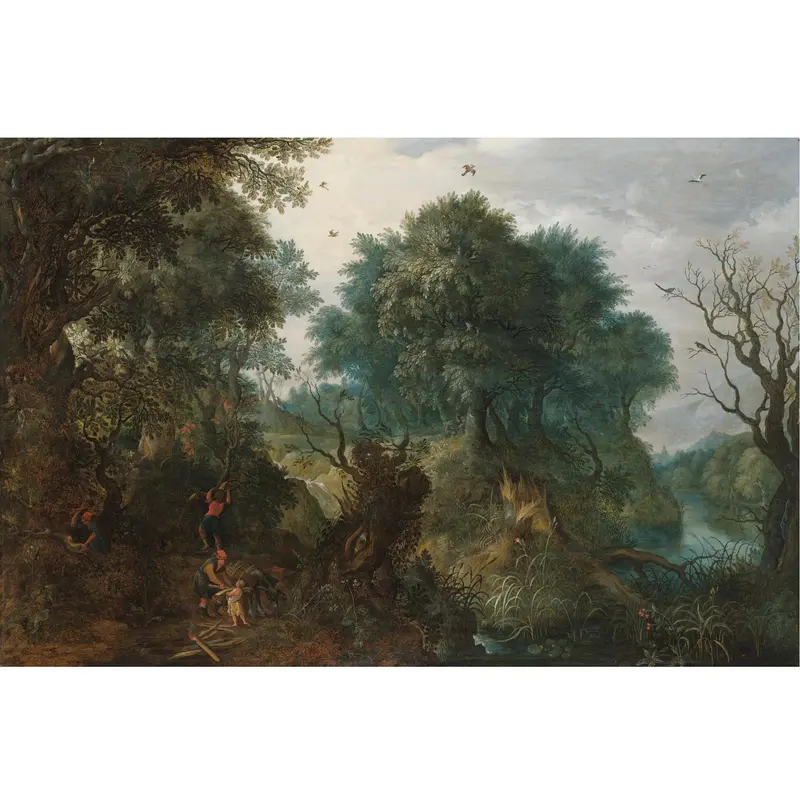
A Wooded Landscape with Woodcutters near a River
Abraham Govaerts
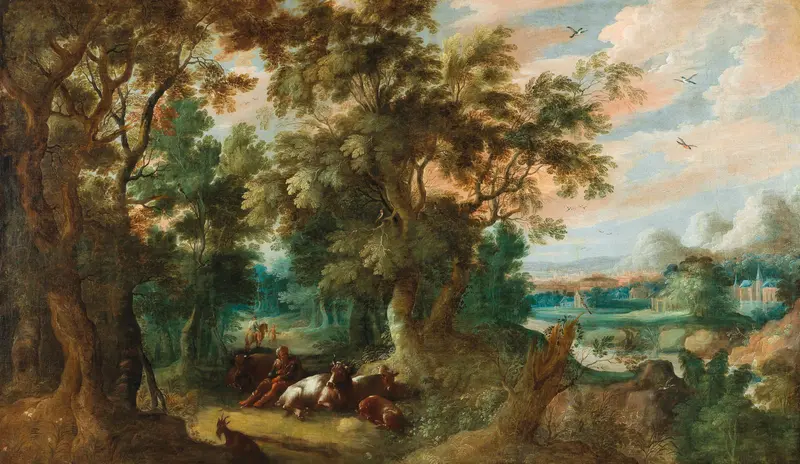
Wooded landscape with shepherds and their flock
Abraham Govaerts
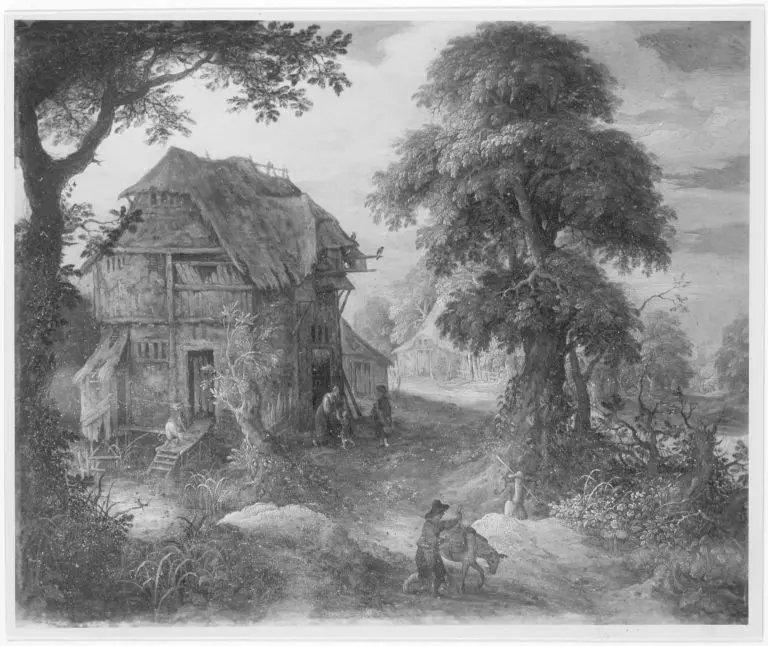
Dorf unter Bäumen
Abraham Govaerts
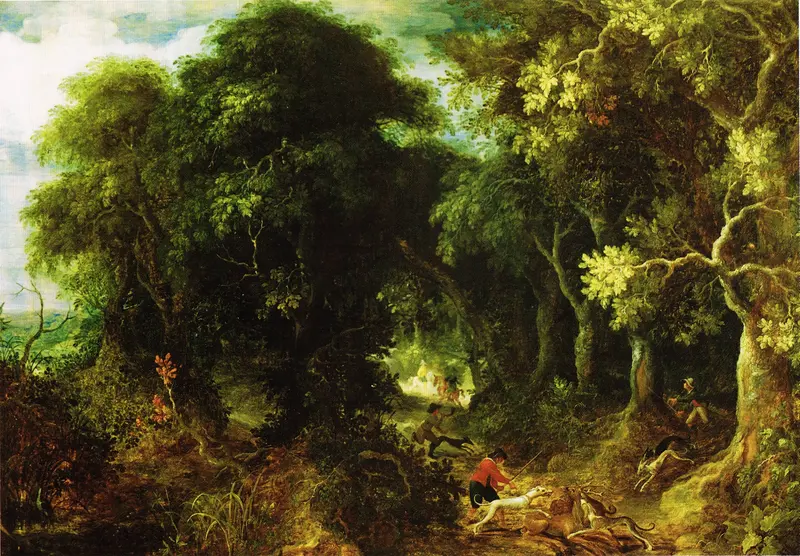
The Eternal Forest / Deer hunting
Abraham Govaerts
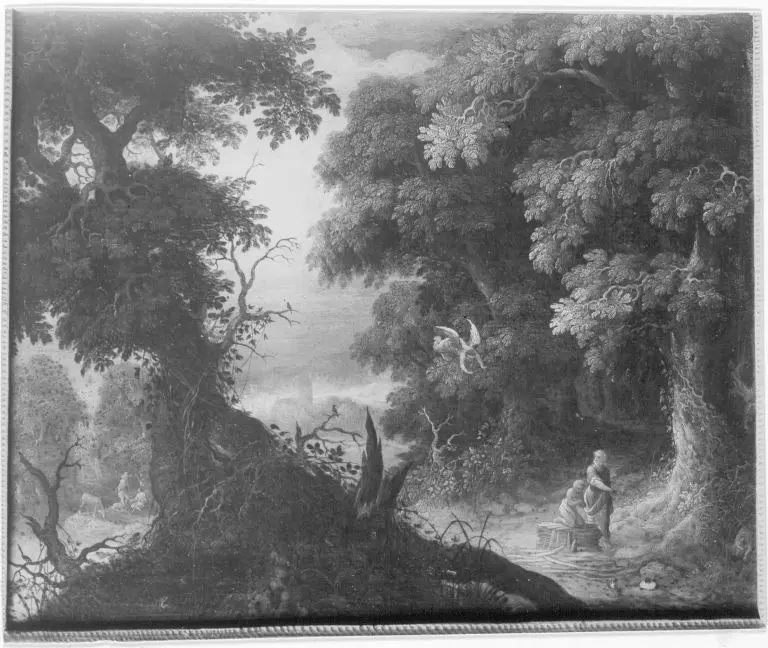
Wooded landscape with the sacrifice of Isaac (Genesis 22)
Abraham Govaerts





