
Diogenes — History & Facts
The first thing that catches the eye in Diogenes is the sharp contrast between the sunlit elegance of the women above and the shadowed, almost hidden figure of the philosopher below. The artist draws us down the marble steps, past baskets of flowers and parasols, to the mouth of a great clay jar where Diogenes sits, half in darkness, clutching a scroll. The women’s postures—curious, amused, a little hesitant—frame the encounter as one of worlds colliding: the comfort of society meeting the radical simplicity of a man who chose to live apart from it.
Every detail—the discarded lantern, the rough straw, the cool stone—serves to highlight the philosopher’s deliberate poverty and the self-sufficiency he claimed as virtue. The palette, all sun-washed stone and gentle pastels, gives the scene a sense of calm, but the composition keeps us circling back to the silent exchange at its heart. Painted in 1882, this work belongs to the late Victorian fascination with the ancient world, when artists like John William Waterhouse turned to Greek and Roman subjects to explore timeless questions of virtue, beauty, and society. Such paintings were often commissioned for private homes or public institutions, intended to both educate and delight, and their classical settings offered a safe space for reflecting on contemporary values.
The choice of Diogenes—a figure famous for rejecting convention—would have resonated in an era negotiating the boundaries of tradition and modernity. While little is recorded about the specific journey of this canvas, its survival in a digital collection today lets us return, again and again, to that sunlit stair and the philosopher’s stubborn solitude.
More Artworks by John William Waterhouse
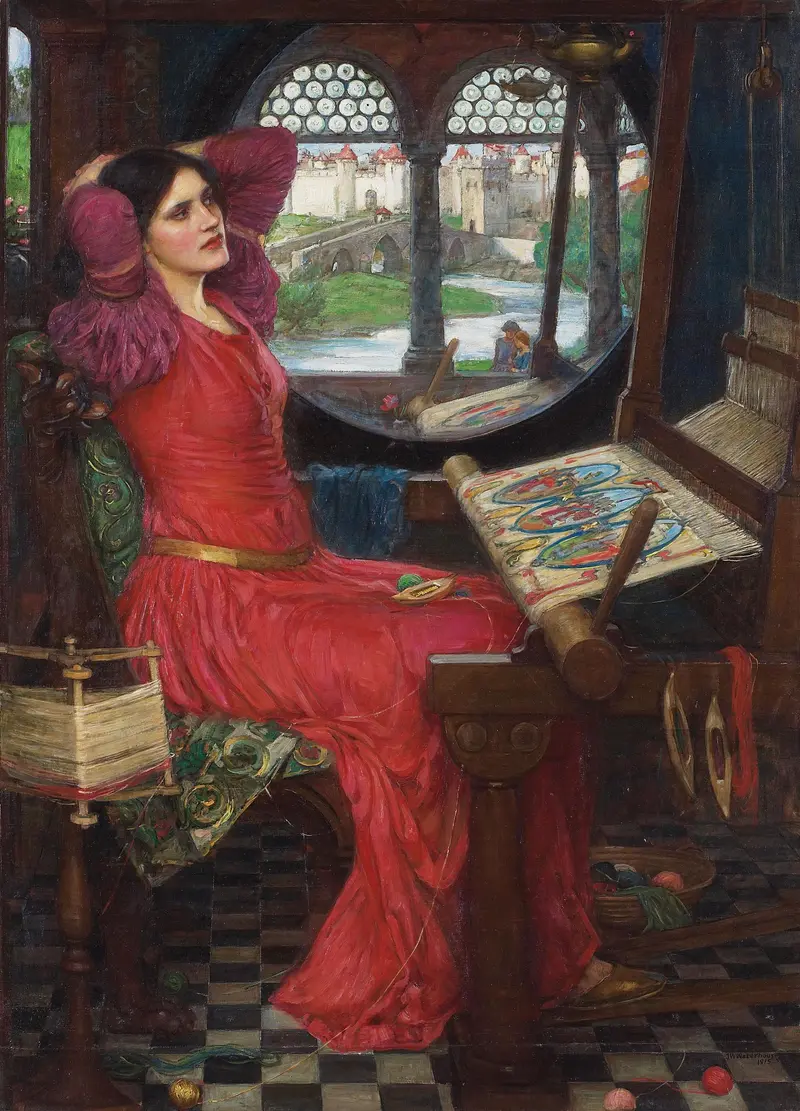
'I Am Half-Sick of Shadows,' Said the Lady of Shalott
John William Waterhouse

The Favourites of the Emperor Honorius, 1883
John William Waterhouse
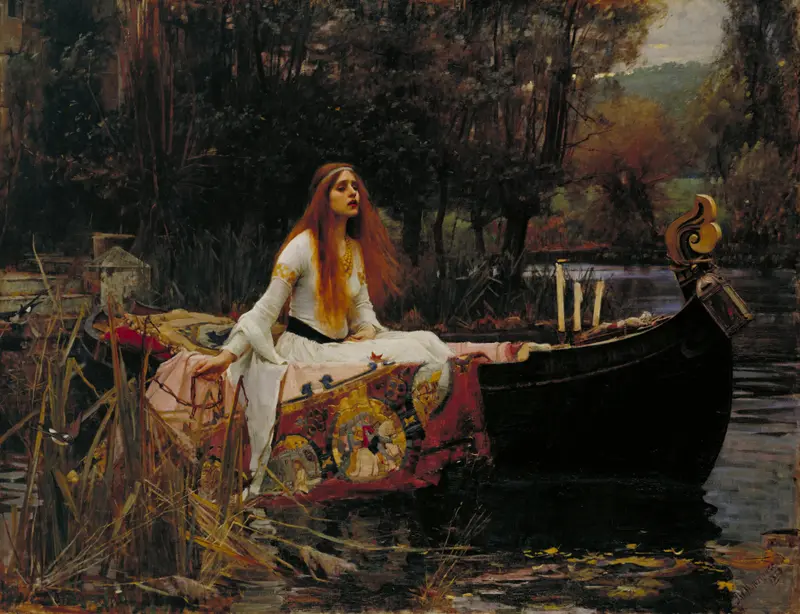
The Lady of Shalott
John William Waterhouse
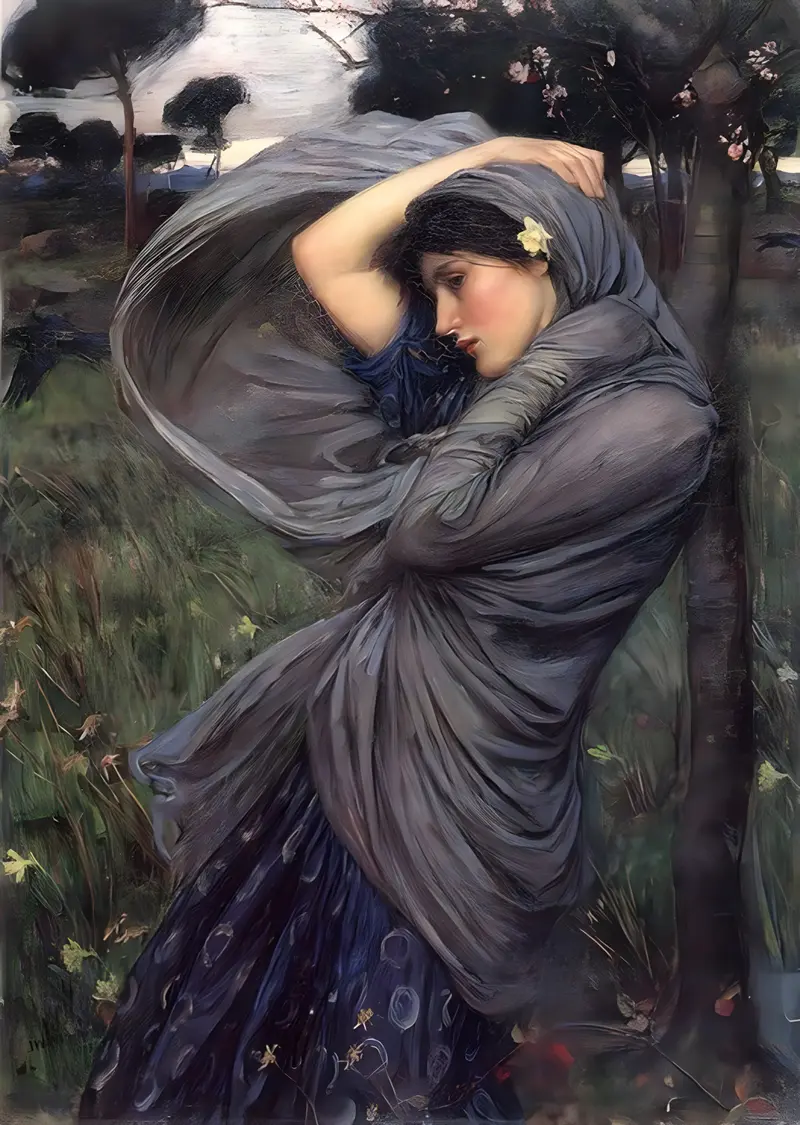
Boreas
John William Waterhouse
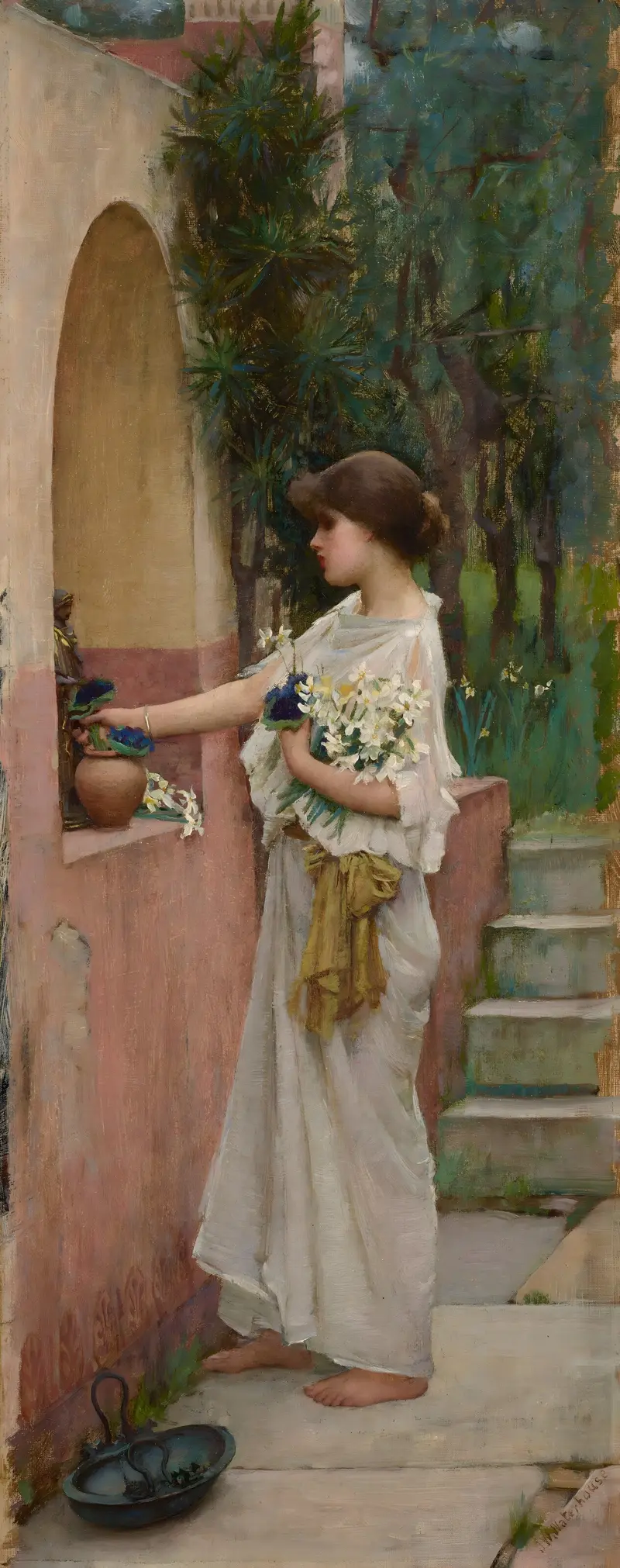
A Roman Offering
John William Waterhouse
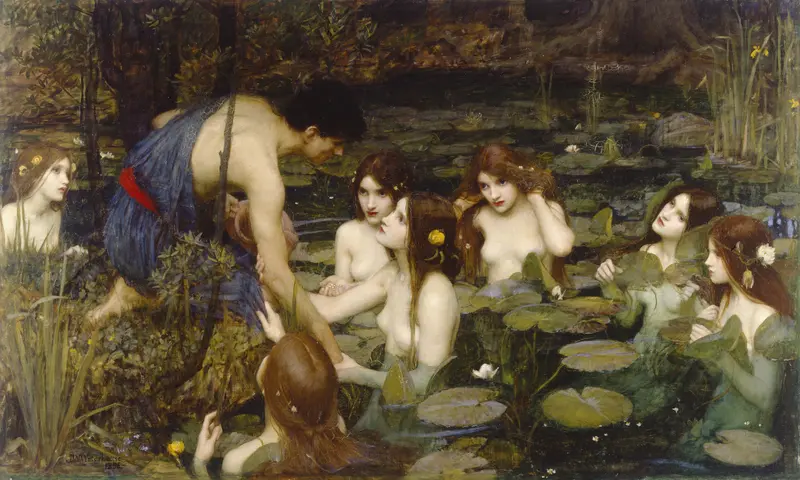
Hylas and the Nymphs
John William Waterhouse
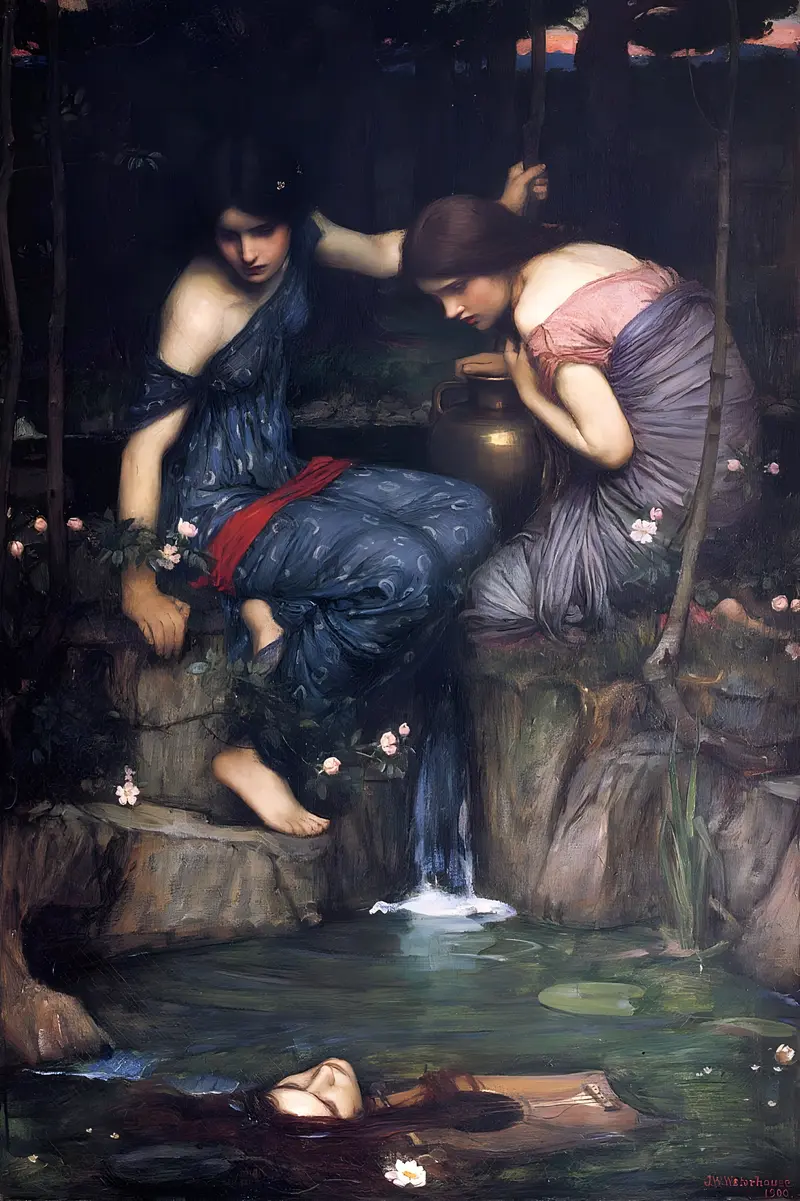
Nymphs Finding the Head of Orpheus
John William Waterhouse
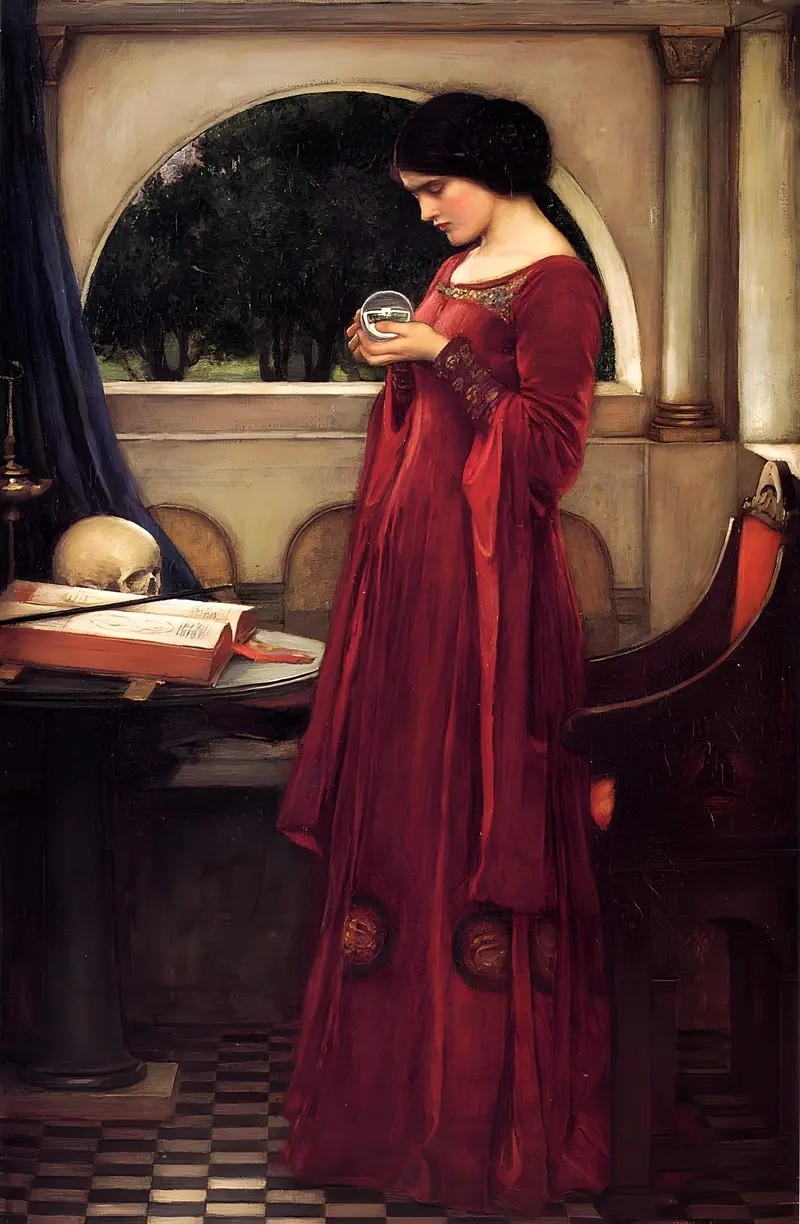
The Crystal Ball
John William Waterhouse
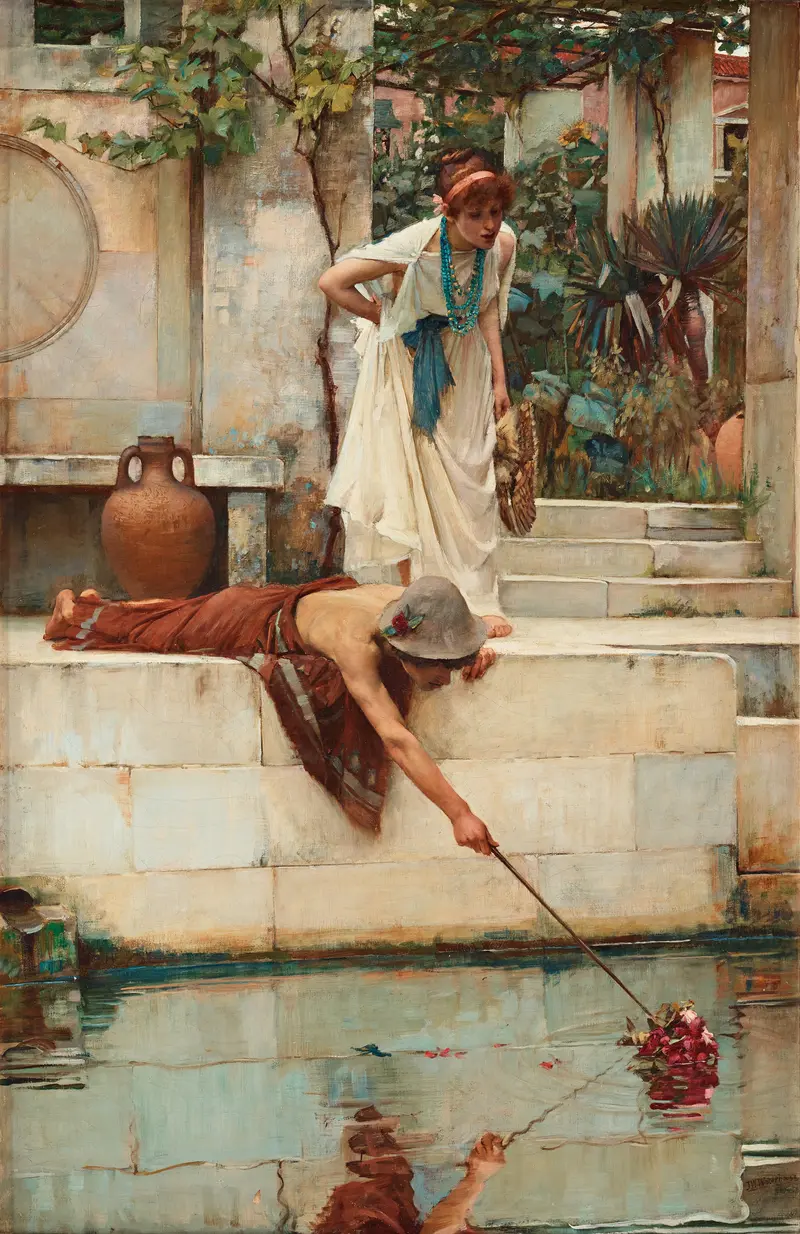
The Rescue
John William Waterhouse
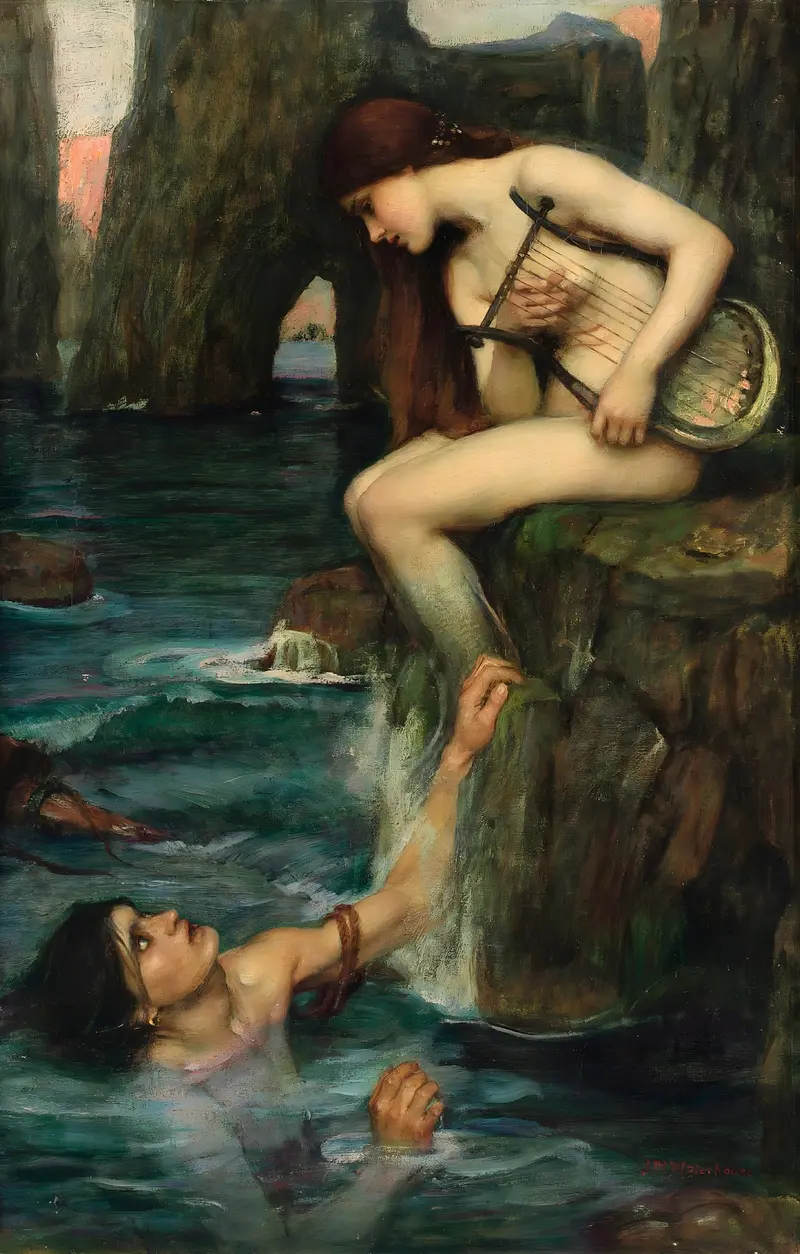
The Siren, 1900
John William Waterhouse



