
Dirk I en Dirk II — History & Facts
In the delicate interplay of hues and muted tones, a world of nostalgia emerges, rich with stories begging to be told. To fully appreciate this work, look closely at the figures on the left. The soft, earthy palette envelops them, creating an intimate moment that resonates with warmth. Notice how the lines of their garments flow into one another, blurring the boundaries between individual identities and suggesting a deeper connection.
The composition, carefully balanced, draws your eye toward their serene expressions, which convey a sense of contemplation, inviting reflection on both the past and the present. Yet, beneath this surface calm lies a tension between the familiar and the ephemeral. The juxtaposition of light and shadow creates a whisper of longing, suggesting memories that linger just out of reach. The presence of subtle symbols within the details—like the gentle positioning of hands or the meticulous rendering of fabrics—speaks to the fragility of relationships and the bittersweet nature of nostalgia.
Here, time seems to pause, and what was once vibrant may now be tinged with yearning. In 1518, Jacob Cornelisz van Oostsanen found himself at the heart of a burgeoning artistic movement in the Netherlands, where Northern Renaissance ideals were shaping a new language of expression. As he painted this piece, the art world was evolving, embracing humanism and the emotional depth captured in portraits. His work reflects a synthesis of traditional techniques and emerging styles, as he navigated personal and societal changes while establishing himself in the vibrant milieu of Dutch art.
More Artworks by Jacob Cornelisz van Oostsanen
Browse all →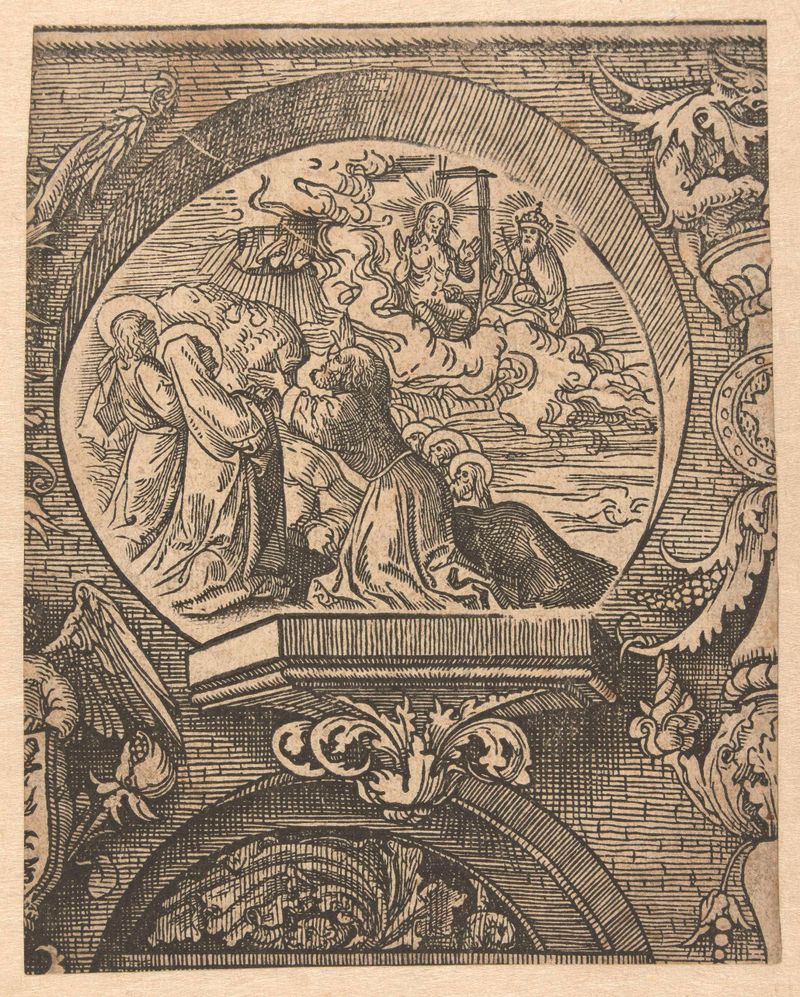
De hemelvaart en Christus voor God de Vader
Jacob Cornelisz van Oostsanen
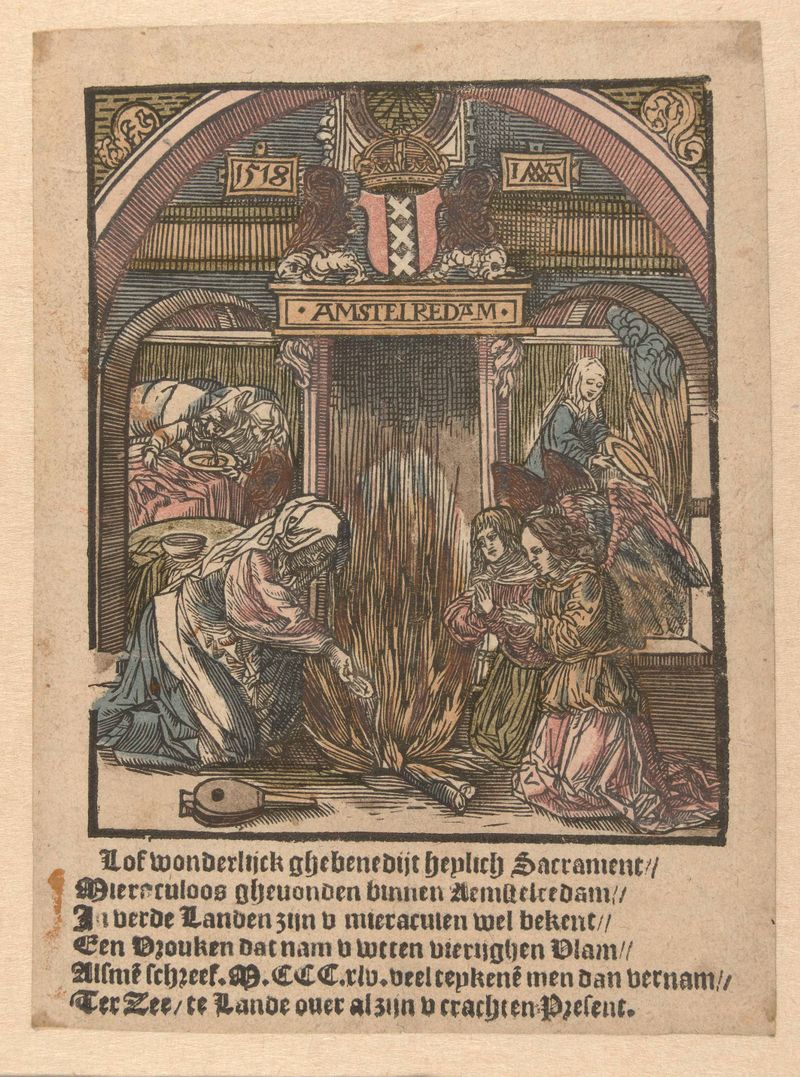
Het hostiewonder van Amsterdam
Jacob Cornelisz van Oostsanen
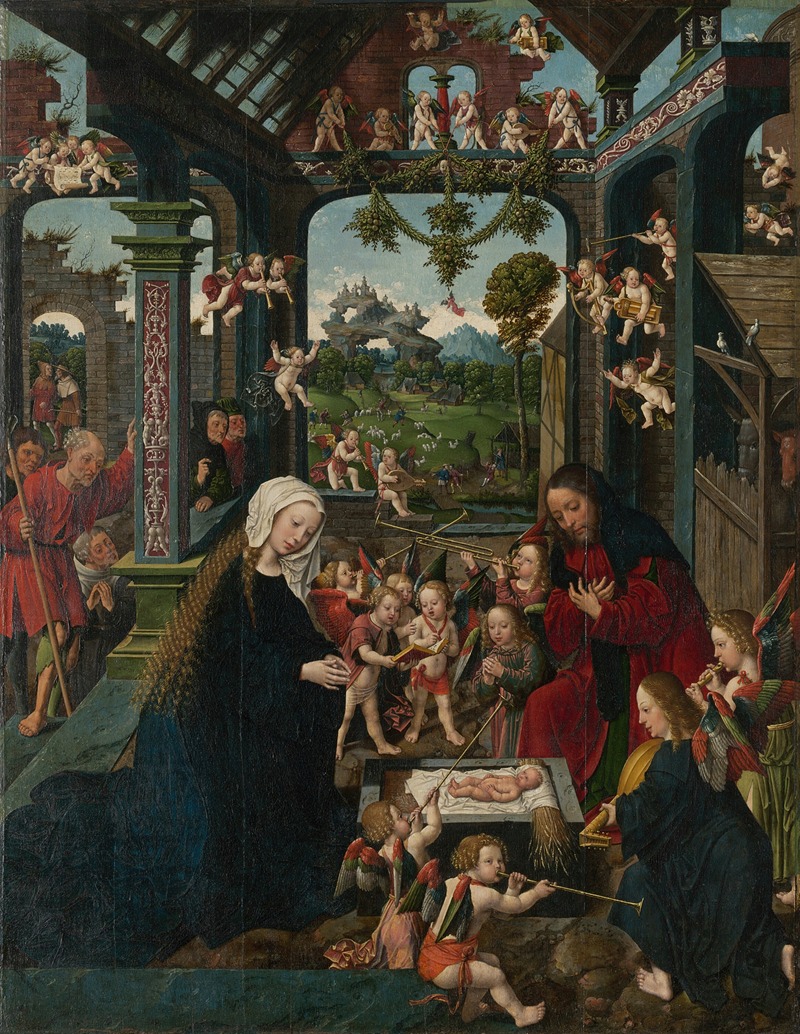
The Adoration of the Christ Child
Jacob Cornelisz van Oostsanen
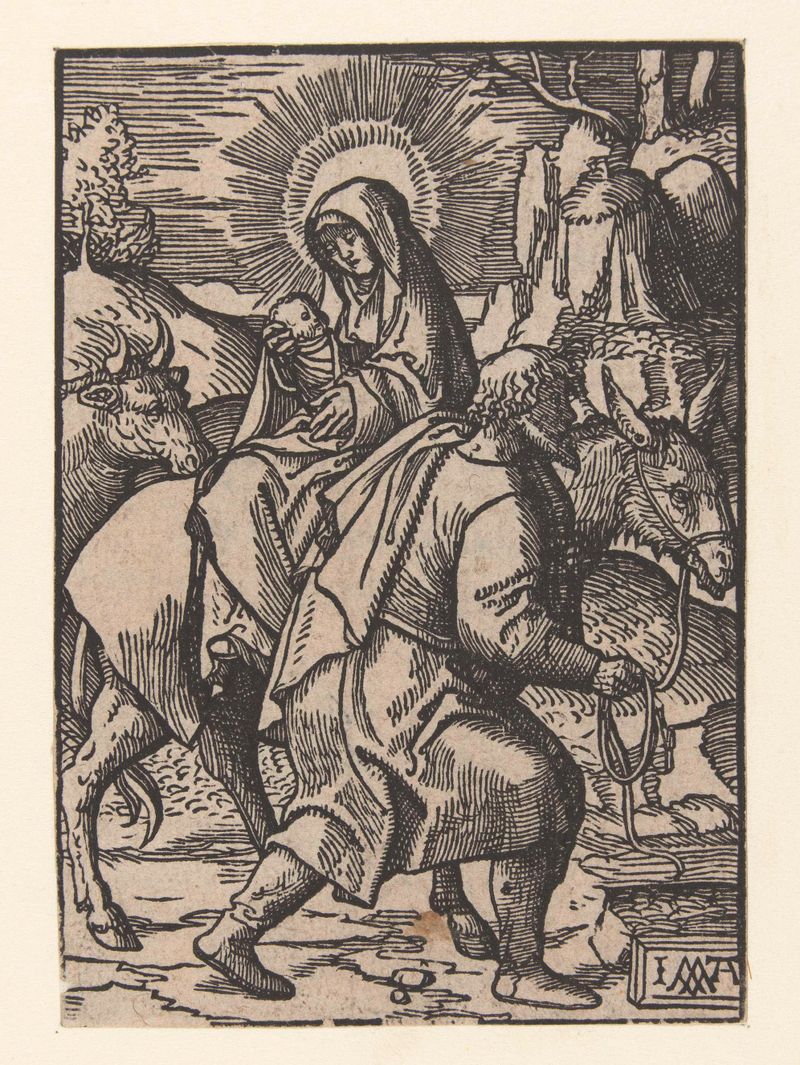
Vlucht naar Egypte
Jacob Cornelisz van Oostsanen
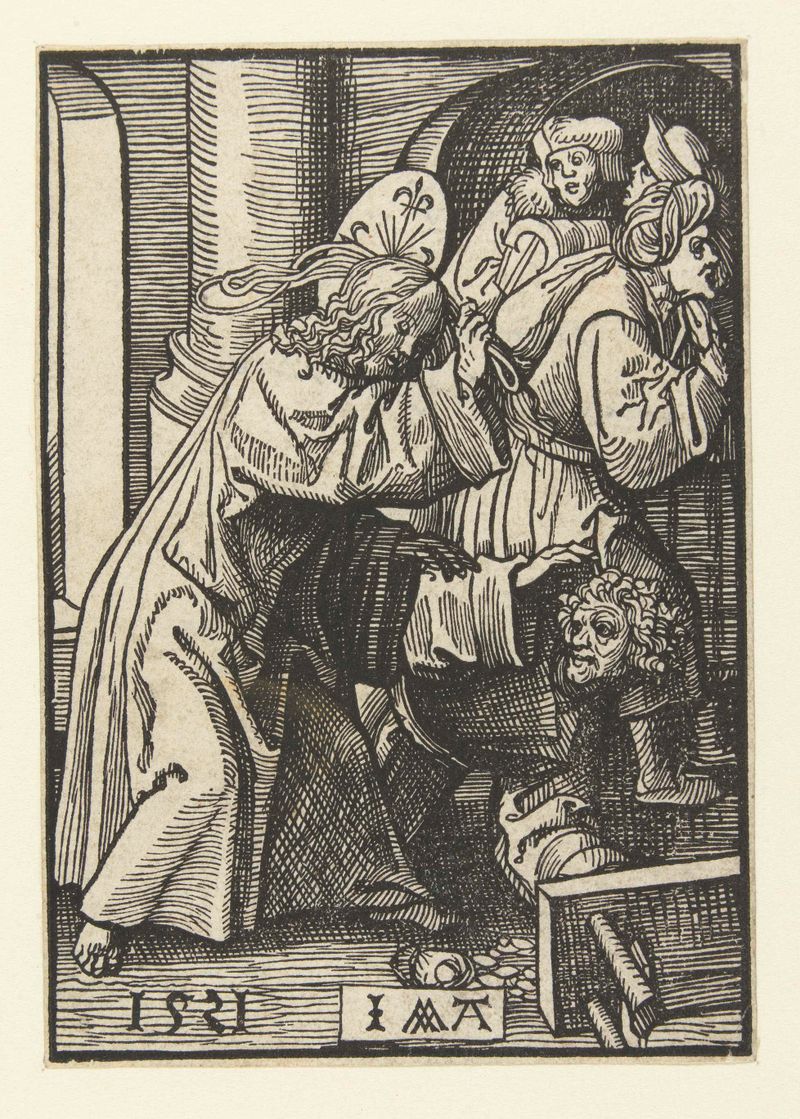
Verdrijving van de handelaren uit de tempel
Jacob Cornelisz van Oostsanen
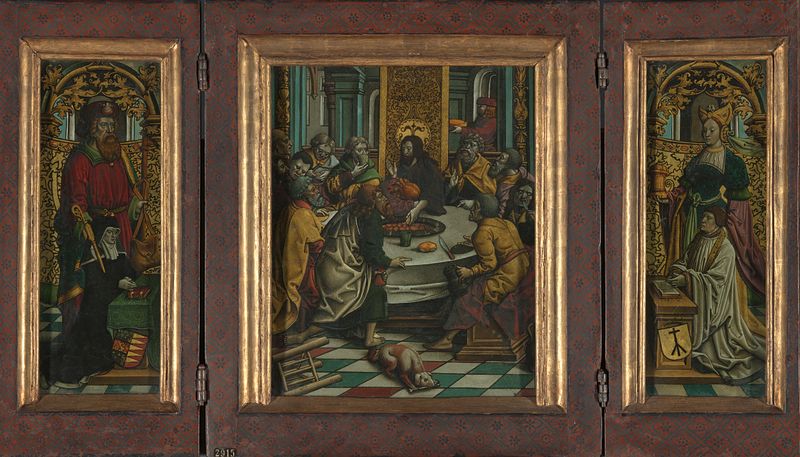
Triptych with the Last Supper and Donors
Jacob Cornelisz van Oostsanen
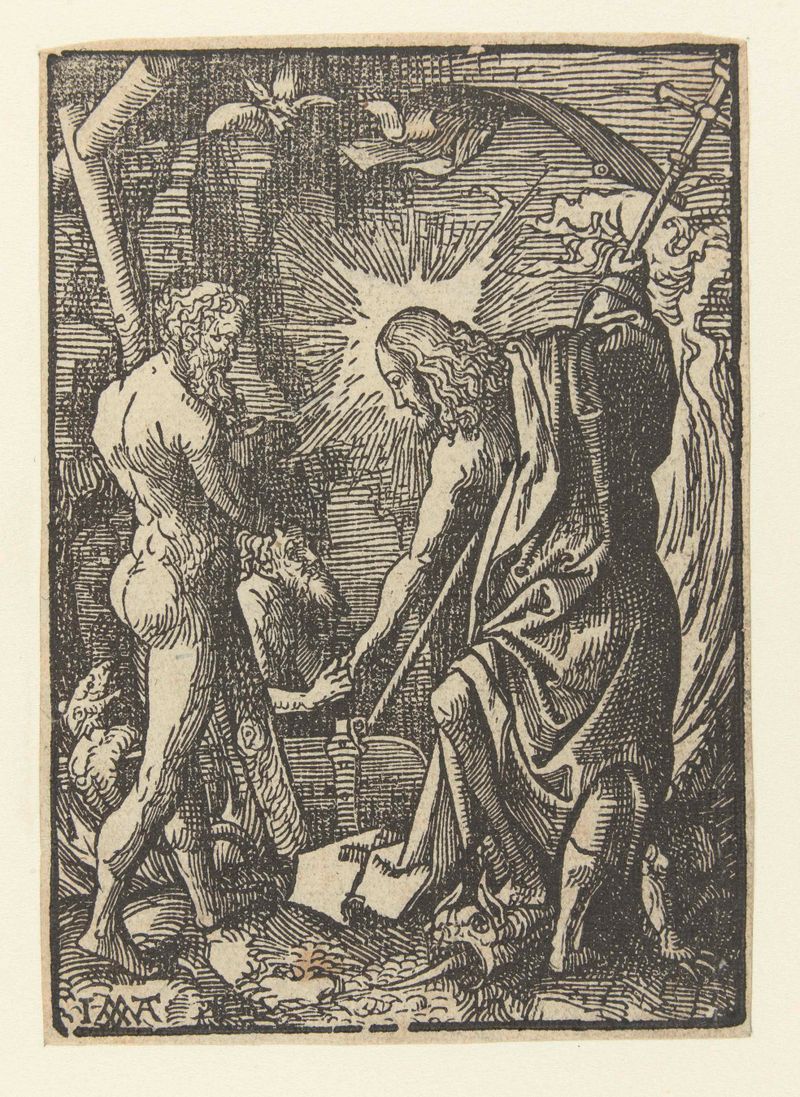
Christus in het voorgeborchte
Jacob Cornelisz van Oostsanen
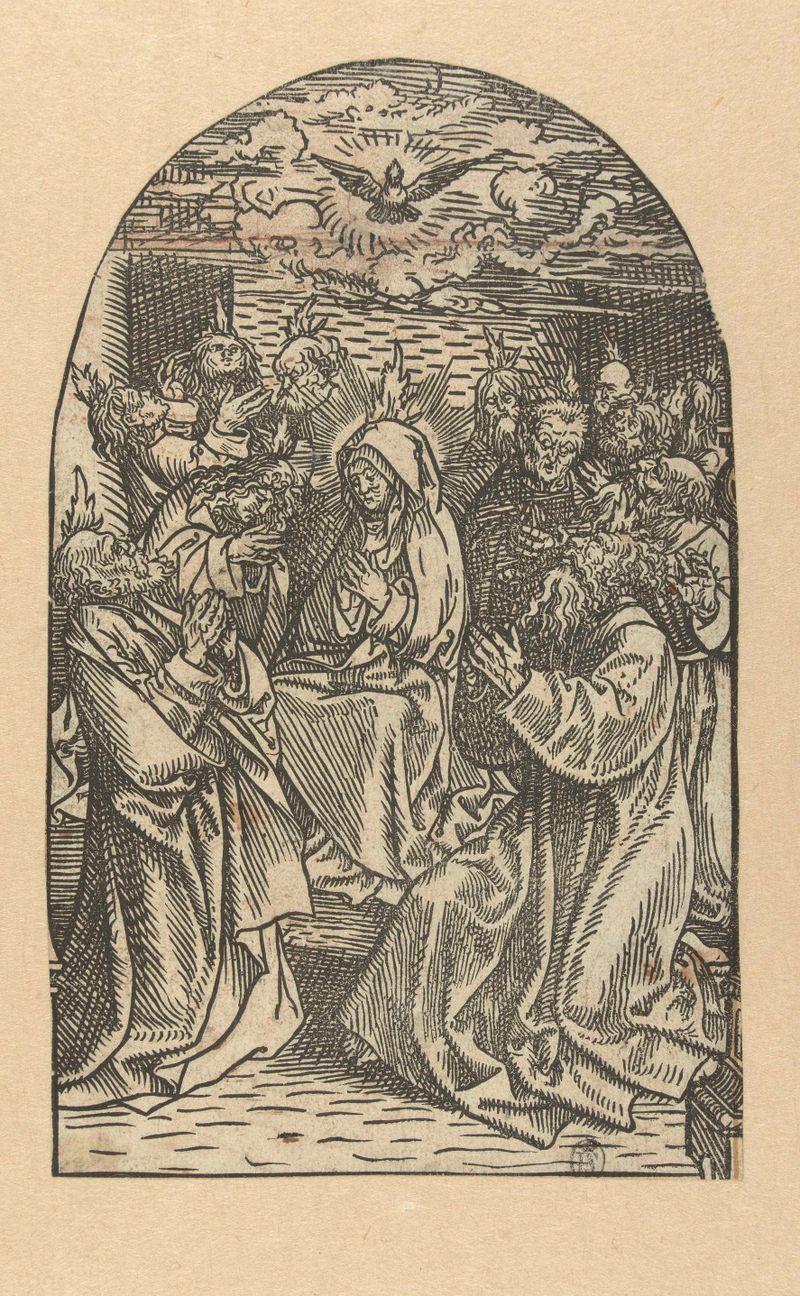
Uitstorting van de Heilige Geest
Jacob Cornelisz van Oostsanen
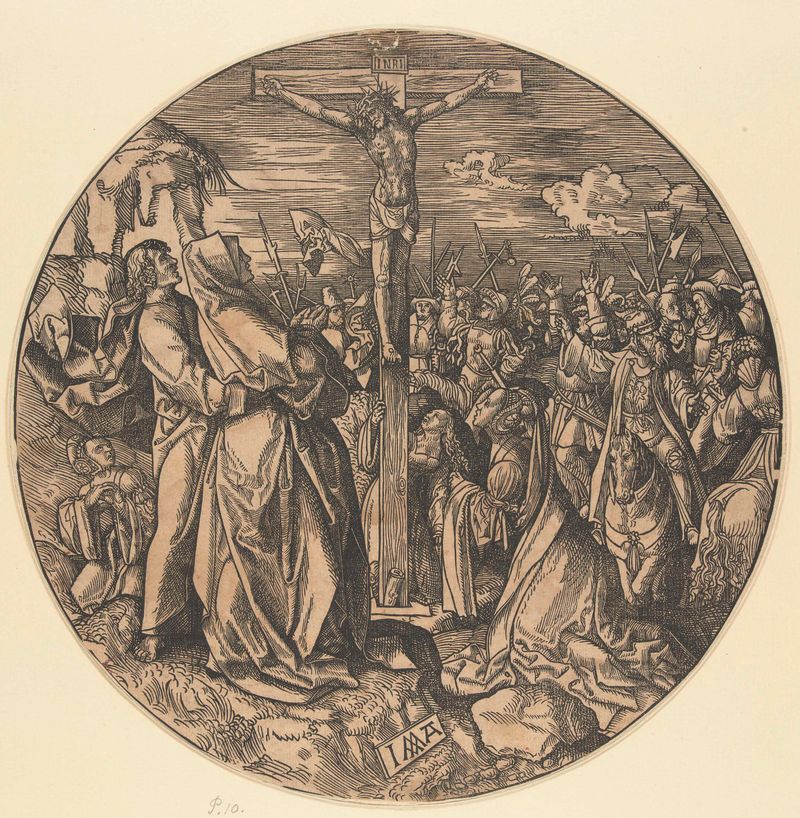
Christus aan het kruis
Jacob Cornelisz van Oostsanen

De kruisiging en de graflegging van Christus
Jacob Cornelisz van Oostsanen





