
Disrobement of Christ — History & Facts
No other painter of the early Renaissance was so closely associated with the sacred as Fra Angelico, a Dominican friar whose works were praised even in his own lifetime for their "angelic" purity. Among his most moving subjects is the Disrobement of Christ, a scene rarely given center stage in Italian art before the fifteenth century. While the exact date and commission of this panel remain uncertain, it stands out as one of the few treatments of this moment before the Crucifixion, when Christ is stripped of his garments by Roman soldiers—an episode described in the Gospels but seldom visualized with such focus and restraint. The painting captures the charged instant when Christ, surrounded by hostile figures, is about to be robbed of his last earthly possession: his robe.
His calm acceptance is set against the rough gestures of his tormentors, whose hands clutch at the garment and point accusingly. The gold ground, a hallmark of Fra Angelico's early work, isolates the figures in a timeless space, while the delicate handling of Christ’s face and the gentle fall of his hands recall the artist's deep empathy for suffering. Unlike Hieronymus Bosch’s later, more chaotic Ecce Homo, Fra Angelico’s composition is spare, meditative, and focused on Christ’s dignity amid humiliation. Little is known about the journey of this particular Disrobement of Christ panel.
It likely formed part of a larger altarpiece or predella, intended for private devotion or a monastic setting, as was common in Fra Angelico’s practice. The lack of documentation has left scholars debating its original location and purpose, though its style and technique place it firmly within the artist’s early Florentine period. Today, panels attributed to this theme by Fra Angelico are held in several collections, but the precise provenance of this version remains unclear—a reminder of how many treasures from the early Renaissance still guard their secrets.
More Artworks by Fra Angelico

Condemnation of St Lawrence by the Emperor Valerian
Fra Angelico
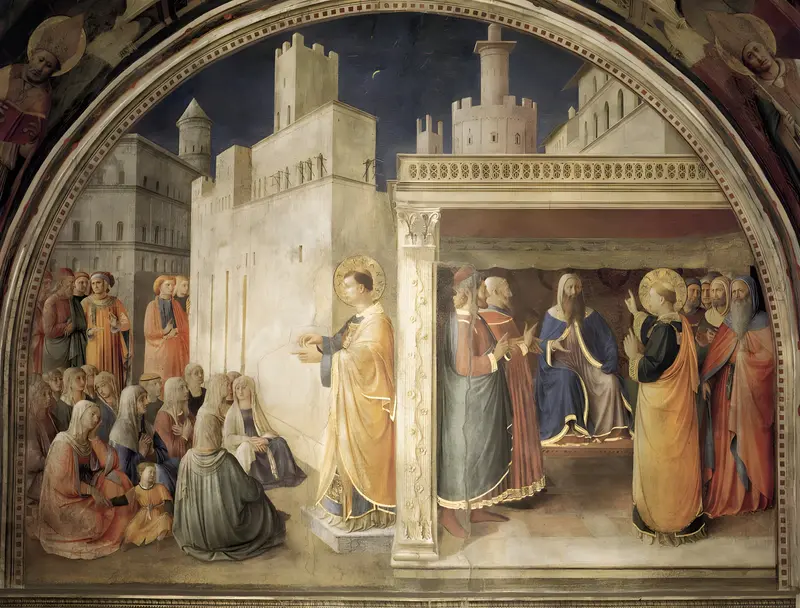
Lunette of the north wall
Fra Angelico
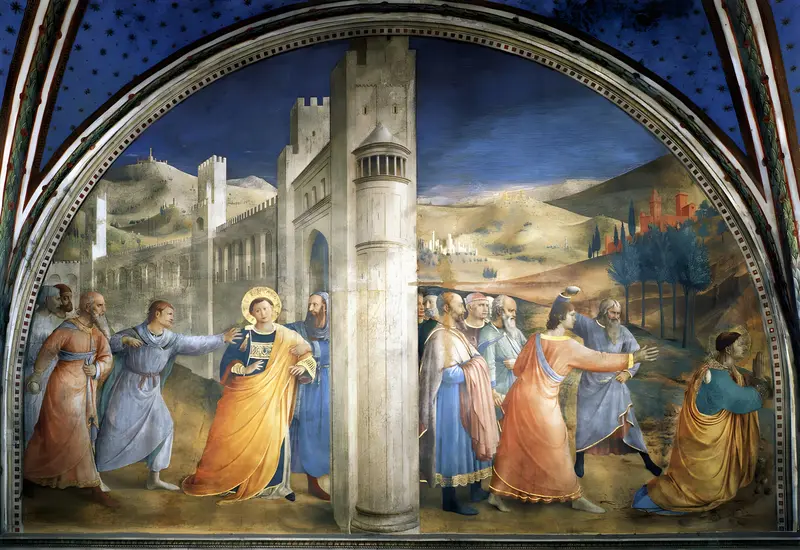
Lunette of the east wall in Niccoline Chapel
Fra Angelico
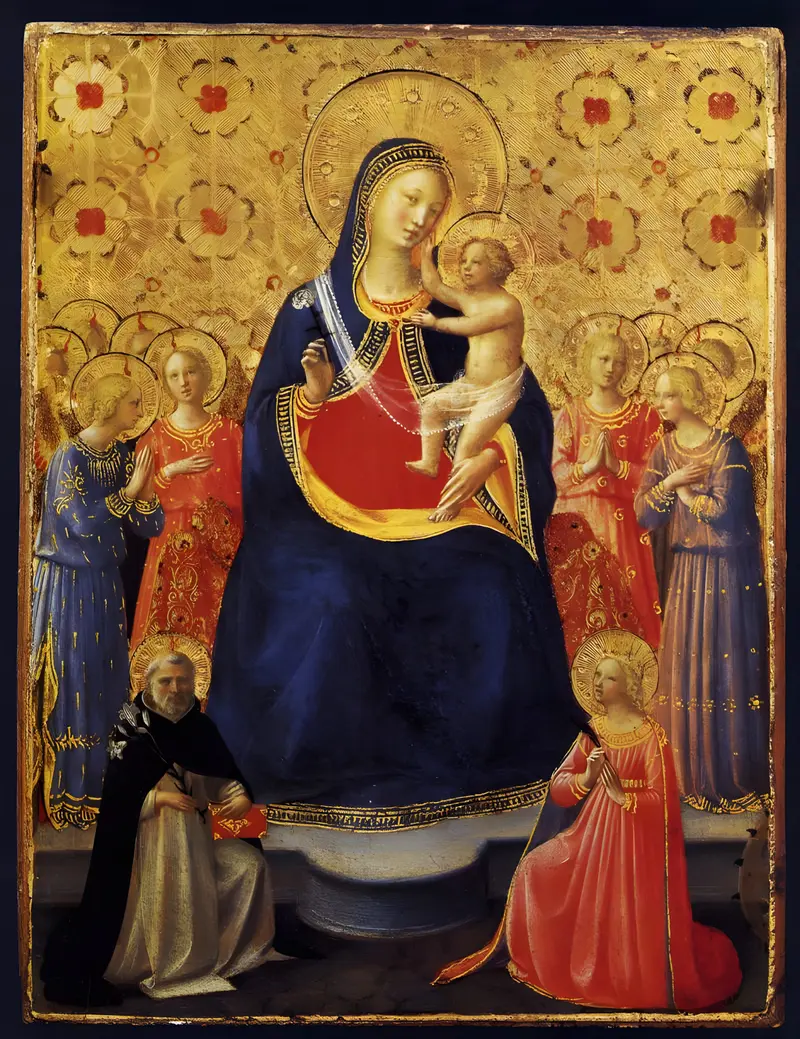
Madonna and Child Enthroned with Nine Angels and Saints Dominic and Catherine of Alexandria
Fra Angelico
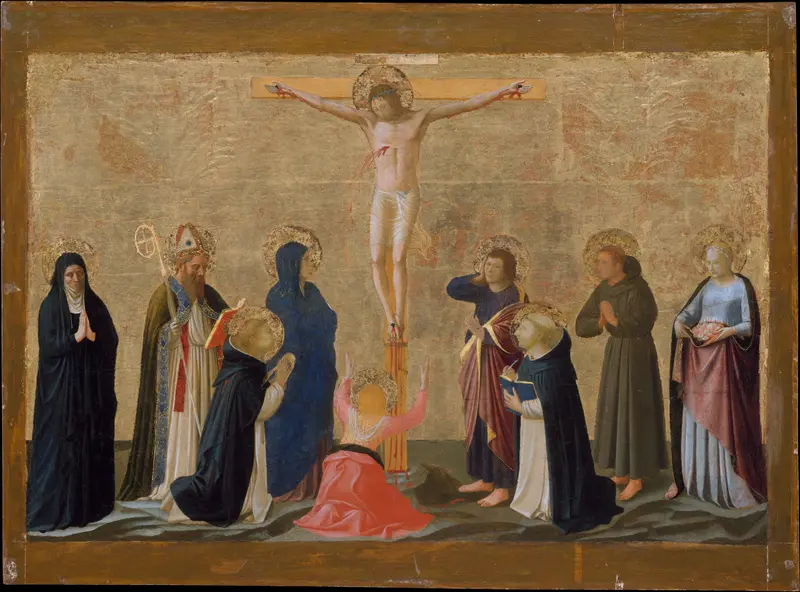
The Crucifixion
Fra Angelico
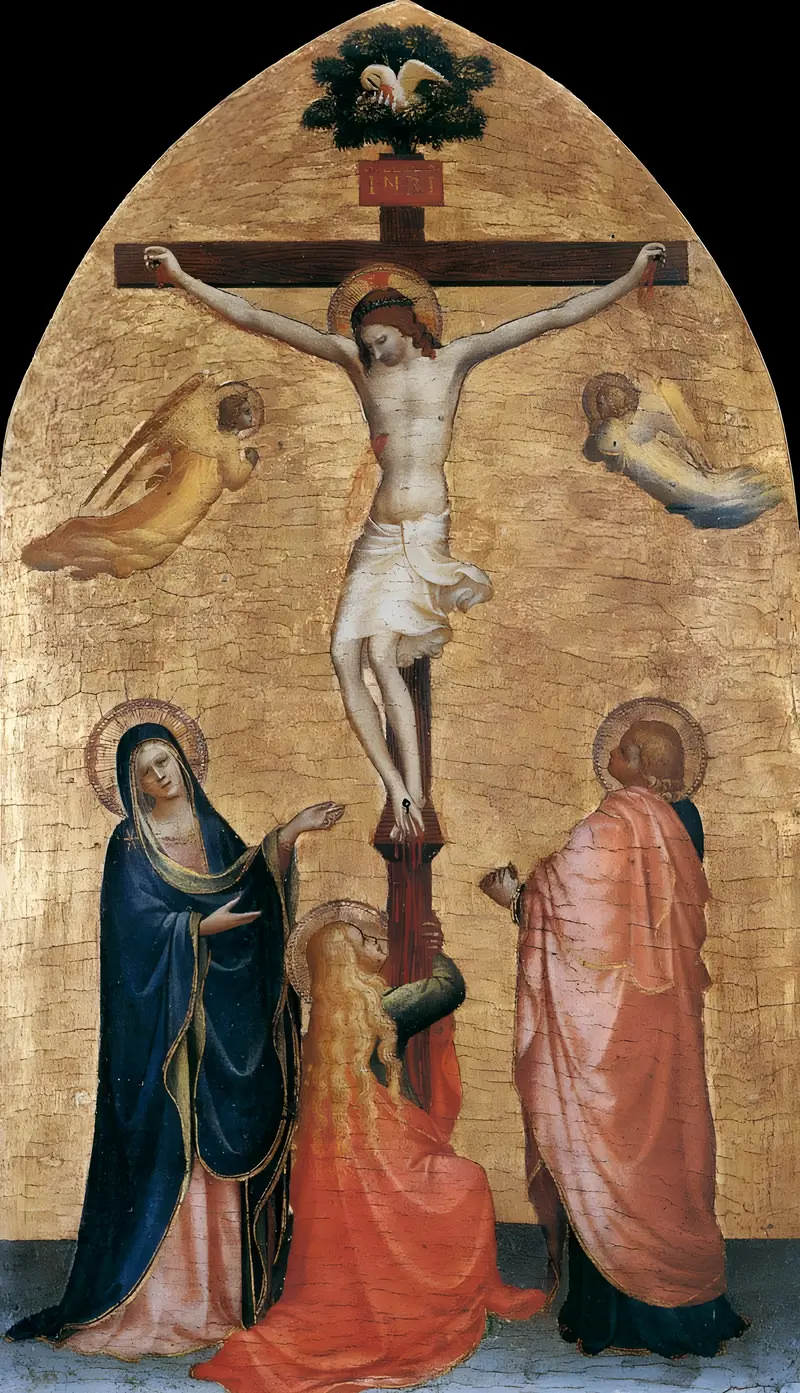
Crucifixion with the Virgin, John the Evangelist, and Mary Magdelene
Fra Angelico
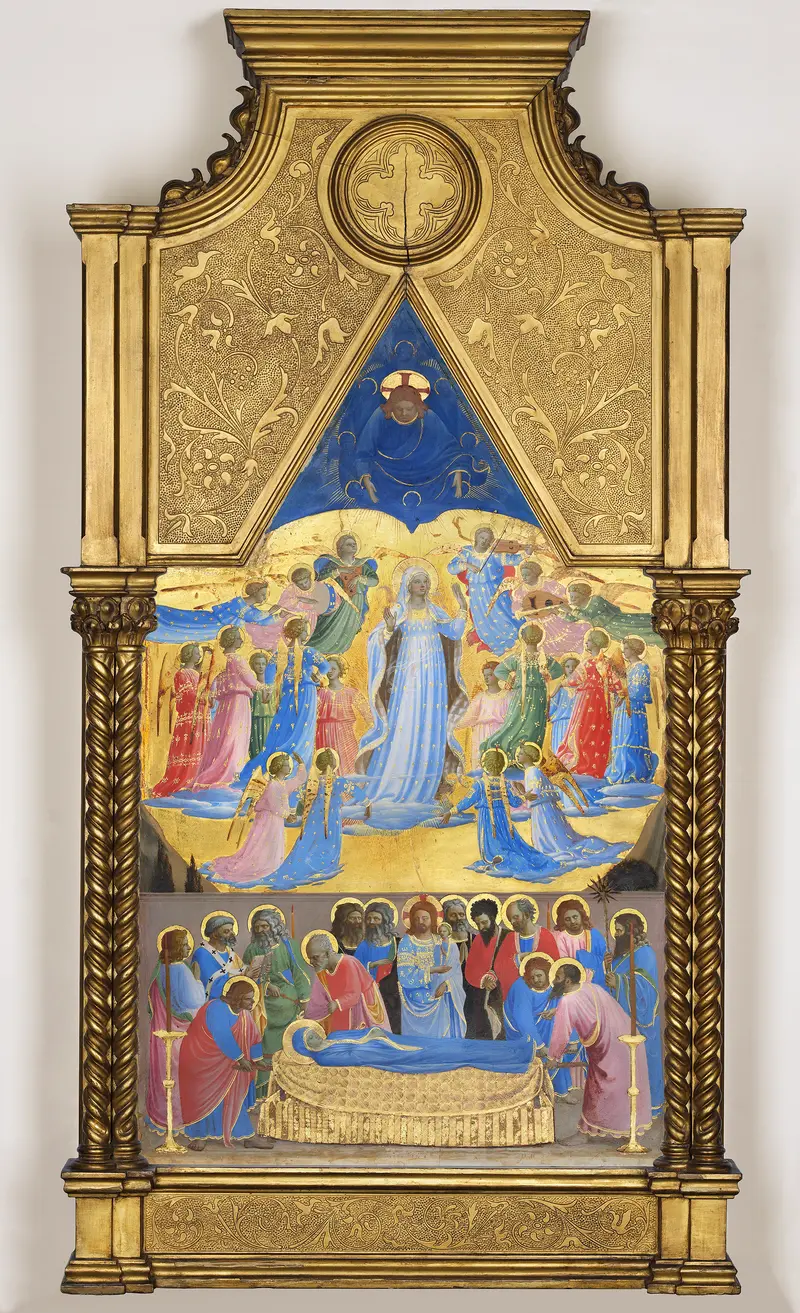
Dormition and Assumption of the Virgin
Fra Angelico
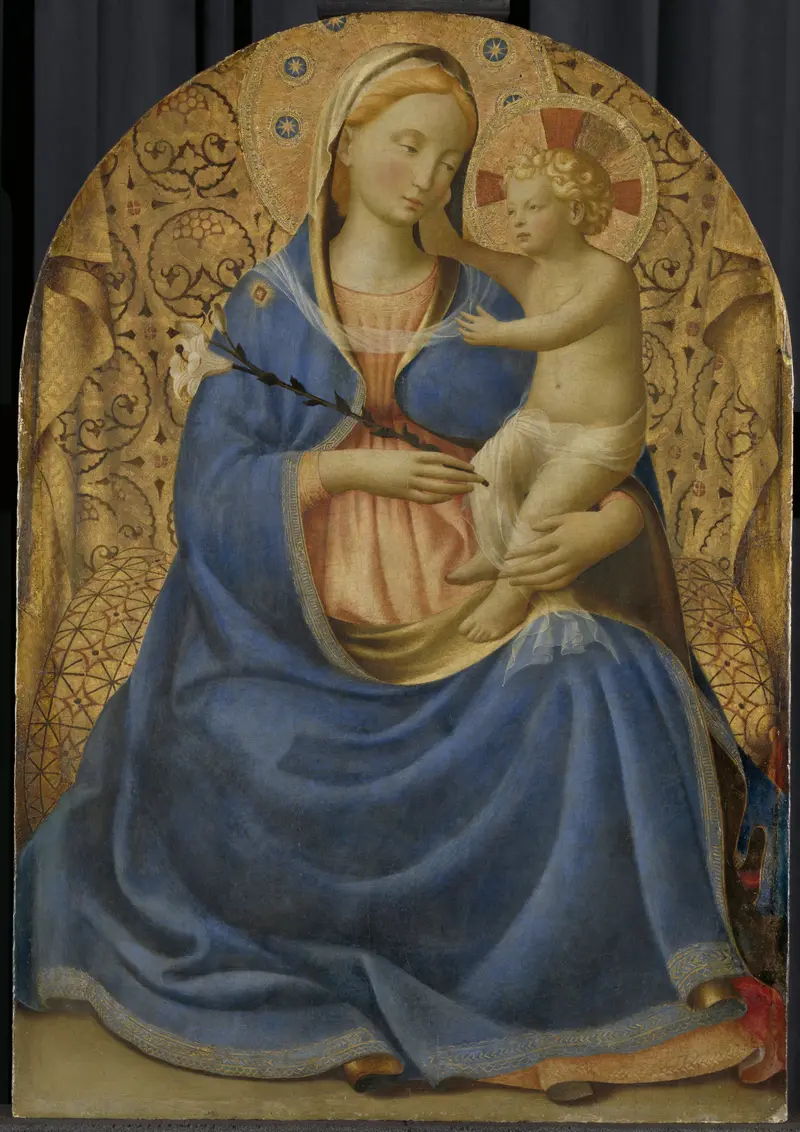
Madonna of Humility
Fra Angelico
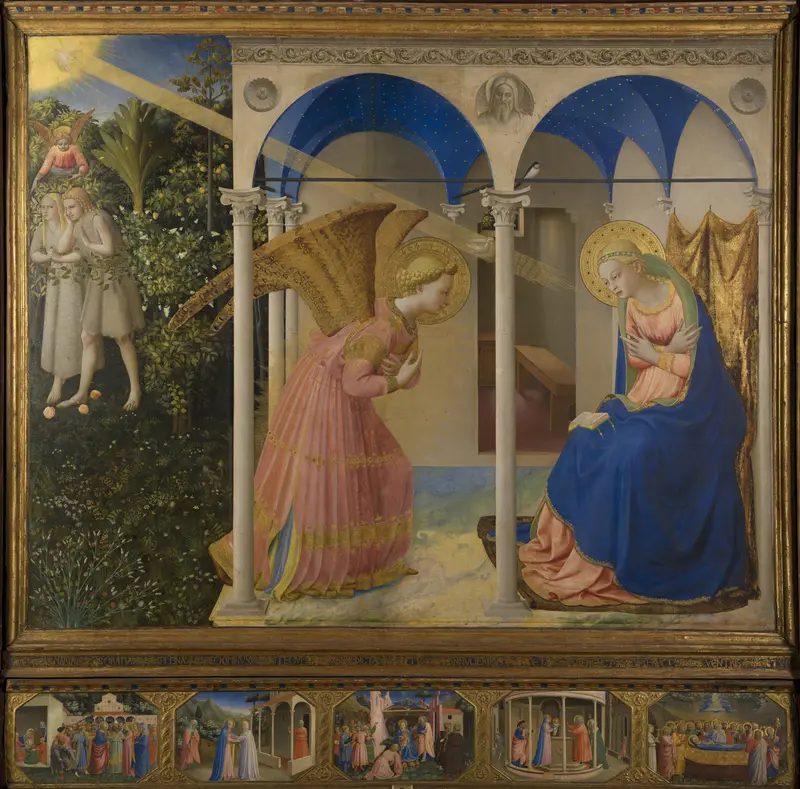
The Annunciation
Fra Angelico

Saint Anthony Abbot
Fra Angelico





