
Dix lithographies au lavis (01) : Femme nue assise sur un divan — History & Facts
What first catches the eye in Dix lithographies au lavis (01) : Femme nue assise sur un divan by Armand Apol is the way the figure’s form emerges from darkness, her body modeled in soft washes that seem to flicker between presence and absence. The woman’s gaze is turned downward, her features caught in a moment of introspection or perhaps shyness, while her torso is bathed in a gentle light that draws attention to the curve of her shoulder and the subtle tension in her arm. The background, rendered in sweeping, almost calligraphic strokes, frames her in a private world, as if the viewer has stumbled upon an intimate pause.
The patterned fabric at her waist adds a flourish of ornament, its swirling lines echoing the organic rhythms of her pose. Works like this lithograph belong to a long tradition of the nude in European art—a subject both celebrated and controversial, shifting with the tides of taste and morality. In the early twentieth century, artists such as Apol explored the expressive possibilities of printmaking, using the lithographic wash to capture fleeting effects of light and shadow, and to suggest mood rather than detail. Little is recorded about this particular print’s origins, but it now resides in the Royal Library of Belgium, a reminder of how even lesser-known works can speak volumes about their era’s fascination with the human form.
The anonymity of the sitter and the uncertainty of the date only deepen the sense of mystery, inviting us to linger over the play of ink and paper, and to imagine the world that shaped her quiet moment.
More Artworks by Armand Apol
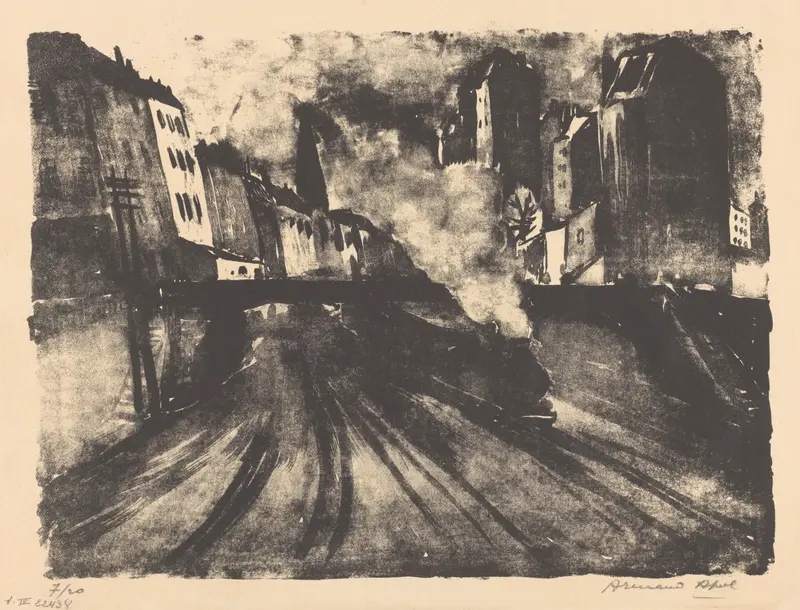
Chemin de fer de ceinture à Paris
Armand Apol
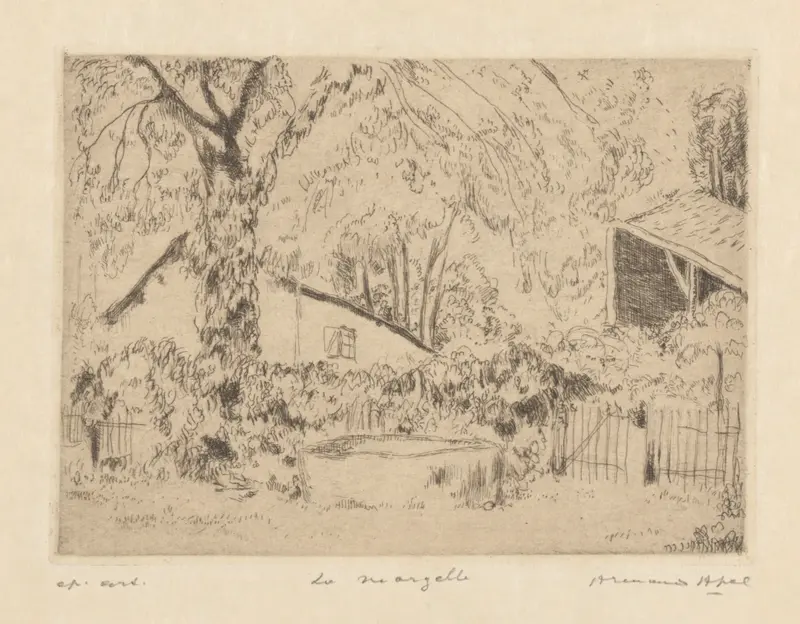
La margelle
Armand Apol
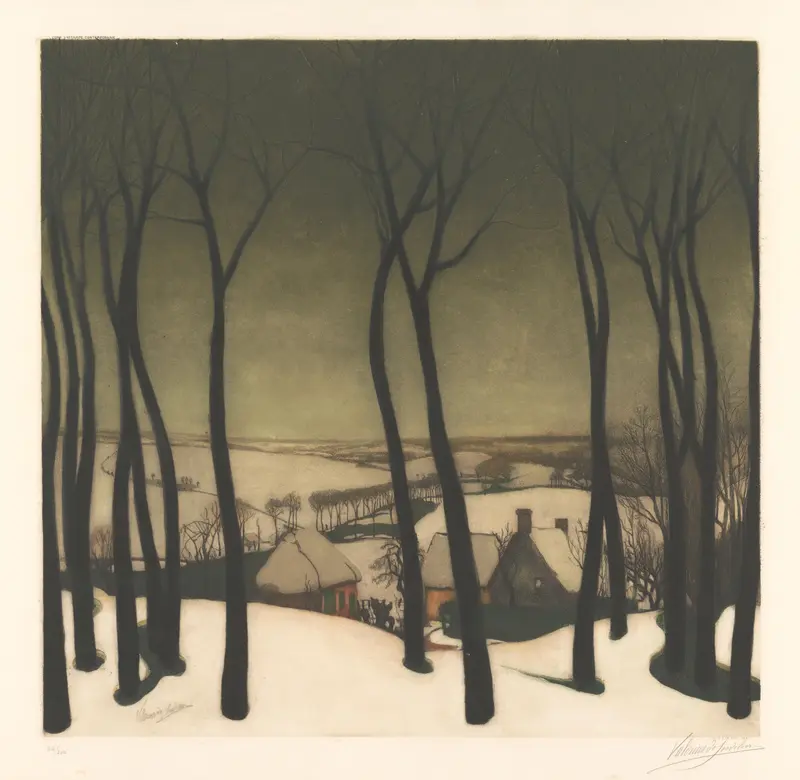
Album 8 estampes (en couleurs) (05) : Paysage
Armand Apol
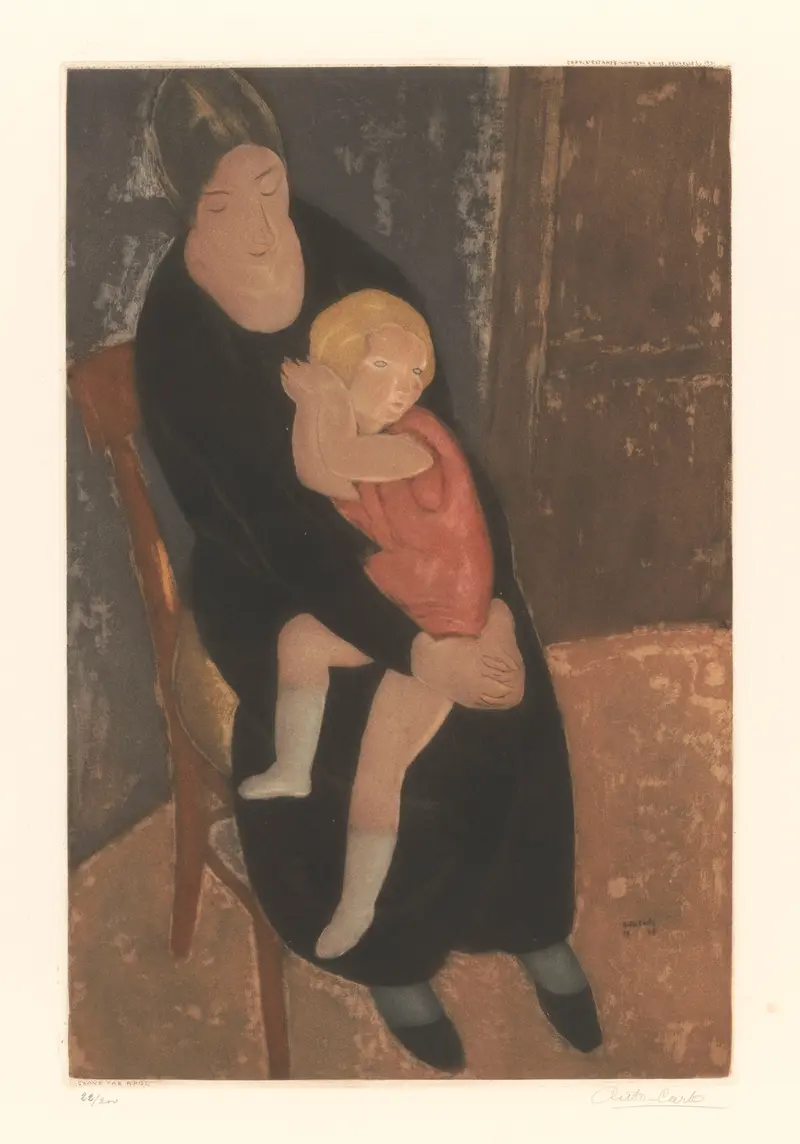
Album 8 estampes (en couleurs) (08) : Mère et enfant
Armand Apol
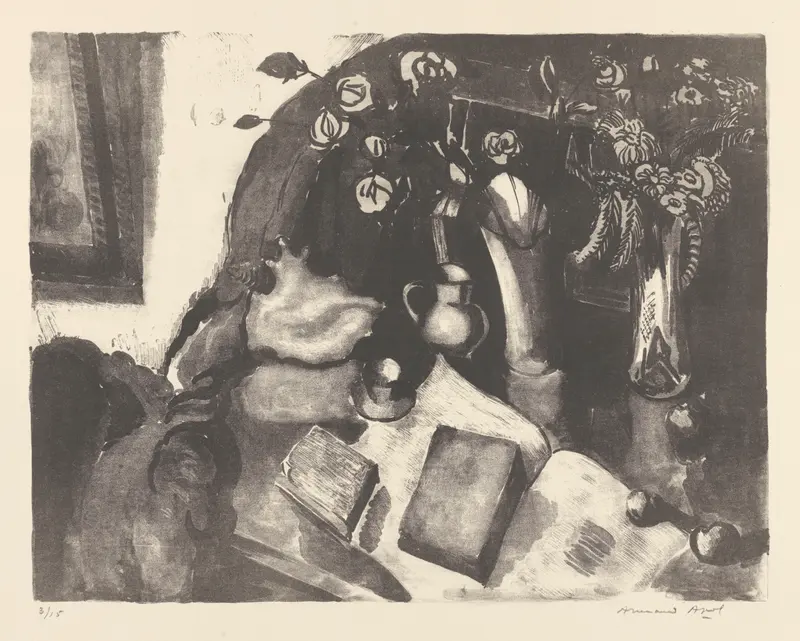
Dix lithographies au lavis (02) : Nature morte
Armand Apol

Dix planches (06) : La loge
Armand Apol
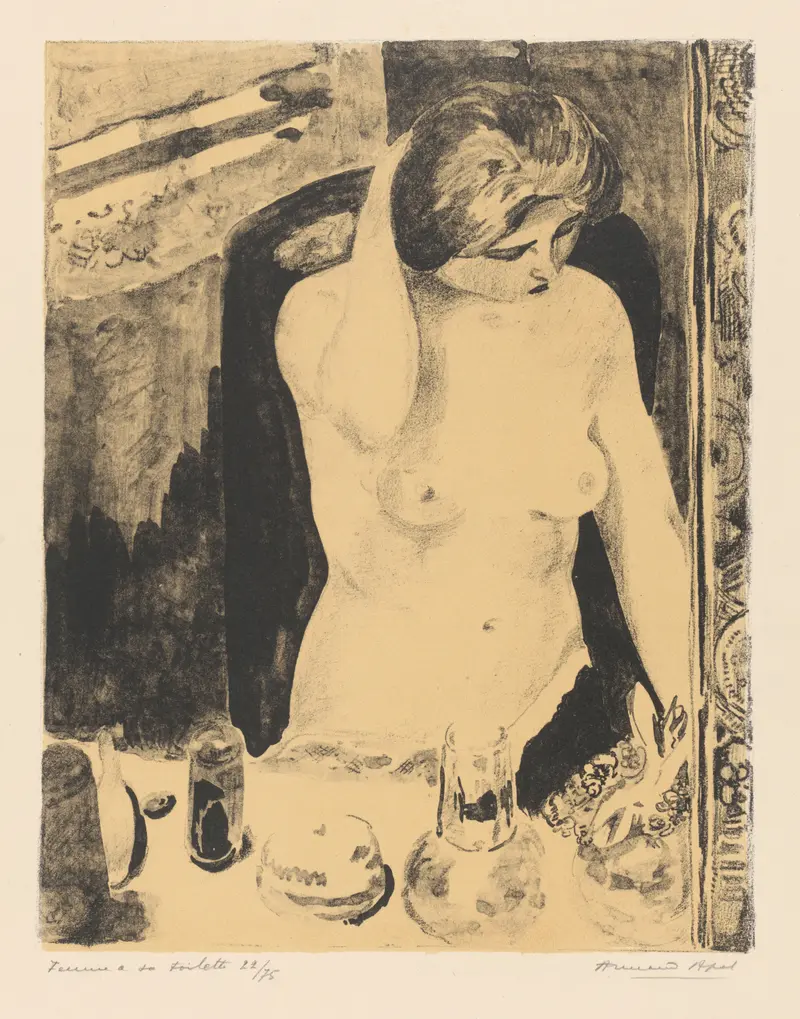
Dix planches (10) : Femme à sa toilette
Armand Apol
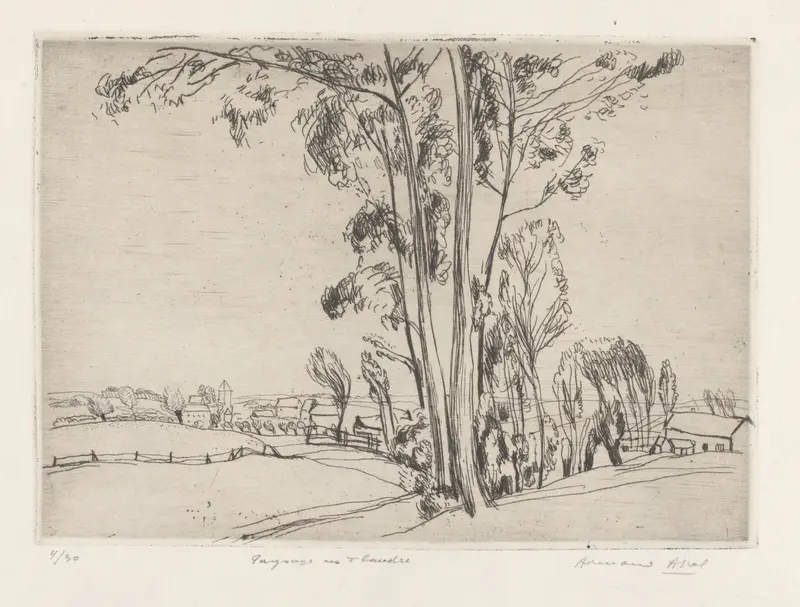
Paysage en Flandre (Etichove)
Armand Apol
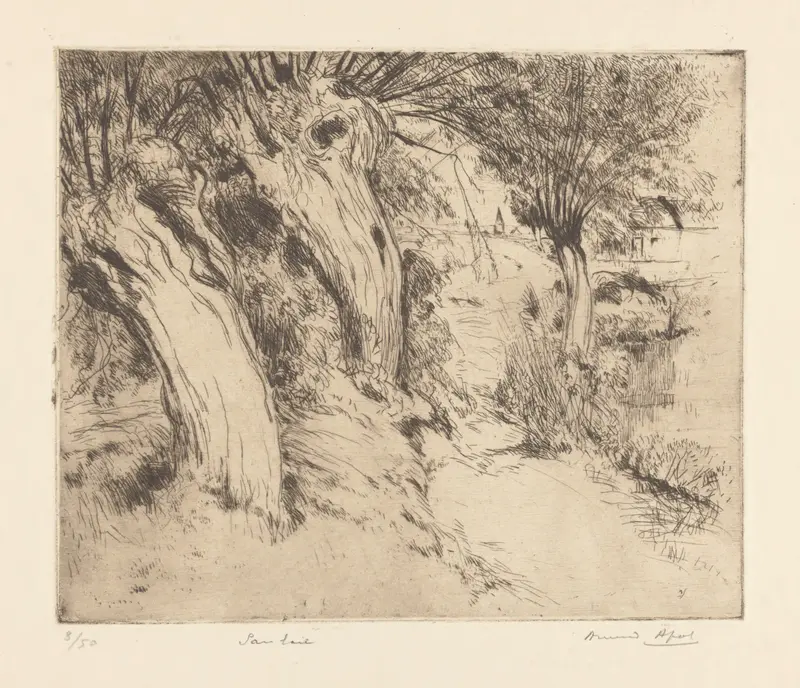
Saulaie
Armand Apol
Zeebrugge
Armand Apol



