
Dix lithographies au lavis (03) : Bateaux à quai à Anvers — History & Facts
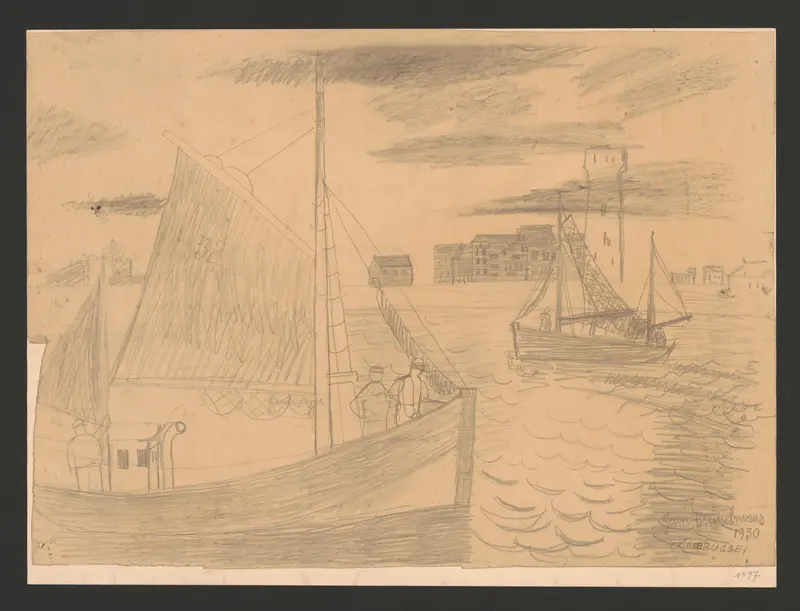
What first arrests the eye in Dix lithographies au lavis (03) : Bateaux à quai à Anvers is the way the city’s skyline rises like a memory out of the haze, its cathedral spire a lone sentinel above the low, blocky forms of docked barges. The boats themselves are rendered with broad, confident sweeps, anchoring the foreground and guiding the viewer’s gaze along the gentle arc of the quay. The water is suggested rather than described, its surface broken by quick, restless marks that echo the movement of the sky above.
There is a tension here between solidity and flux: the boats are heavy and still, but the city behind them seems to hover, half-formed, as if recalled from a dream. The monochrome palette heightens this impression, stripping Antwerp down to its essentials—shape, shadow, and the promise of industry. This lithograph belongs to a tradition that flourished in late nineteenth- and early twentieth-century Belgium, when artists like Armand Apol turned to the port city as both subject and symbol. Antwerp, with its bustling docks and spires, was a crossroads of commerce and culture, and images like this one were often made for collectors who prized scenes of modern life.
Lithography, especially the wash technique seen here, allowed artists to work quickly and capture fleeting effects of light and atmosphere, much as their Impressionist contemporaries did in paint. Today, this print is preserved in the Royal Library of Belgium, a quiet testament to a moment when the industrial cityscape was still new, and artists were learning how to see it. Let your eyes linger on the horizon—the city’s silhouette still holds its secrets.
More Artworks by Armand Apol
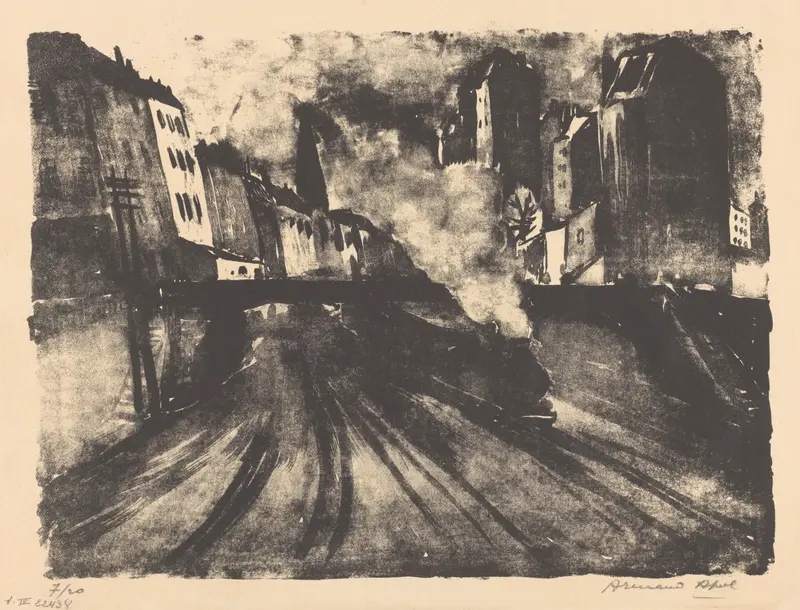
Chemin de fer de ceinture à Paris
Armand Apol
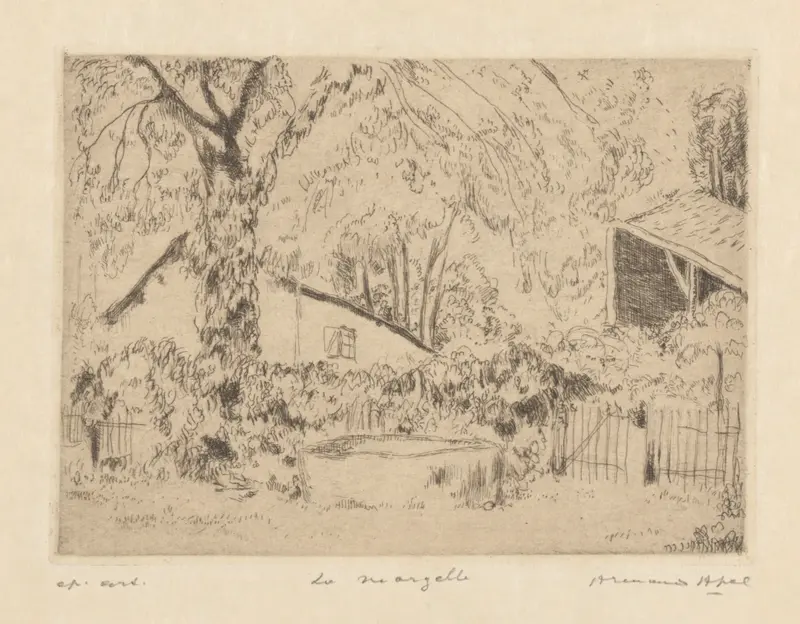
La margelle
Armand Apol
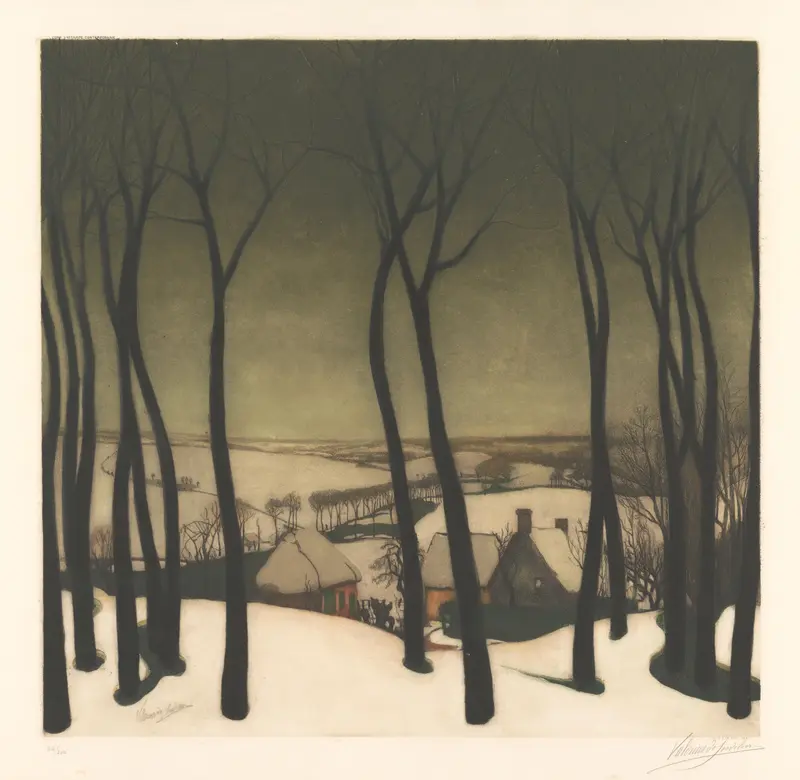
Album 8 estampes (en couleurs) (05) : Paysage
Armand Apol
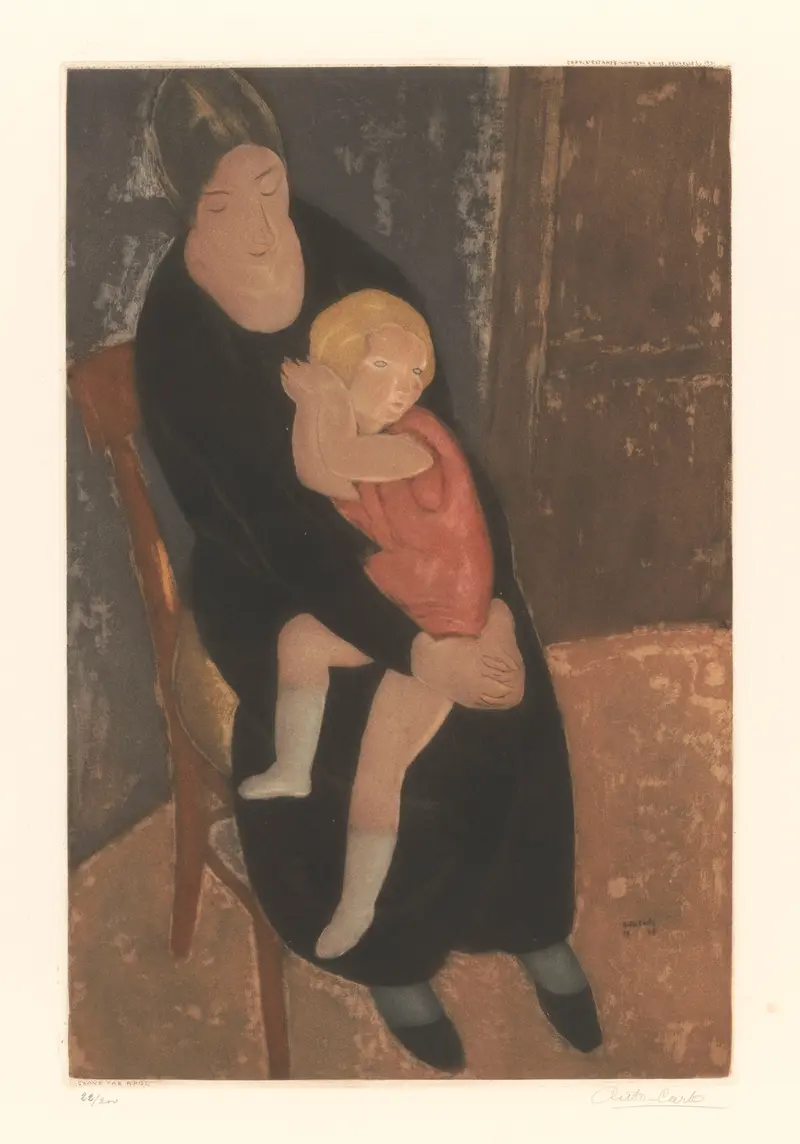
Album 8 estampes (en couleurs) (08) : Mère et enfant
Armand Apol
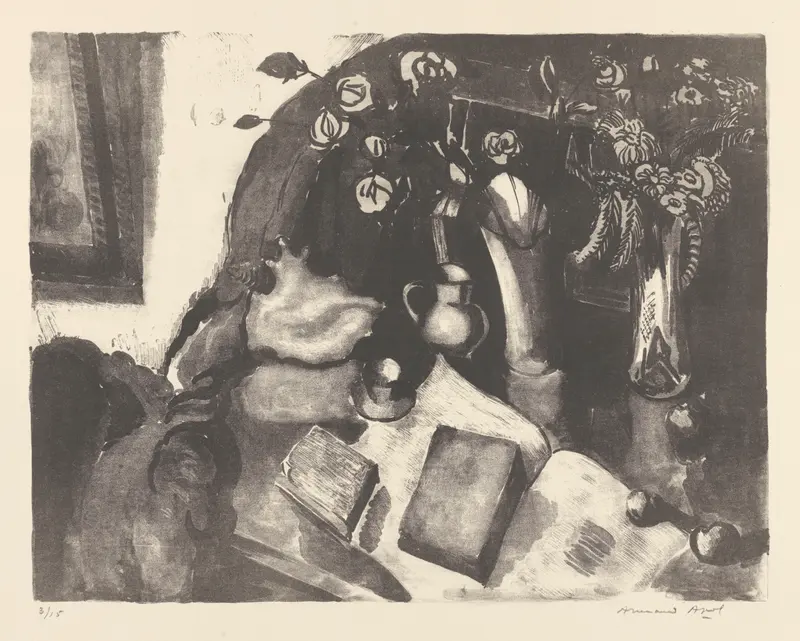
Dix lithographies au lavis (02) : Nature morte
Armand Apol

Dix planches (06) : La loge
Armand Apol
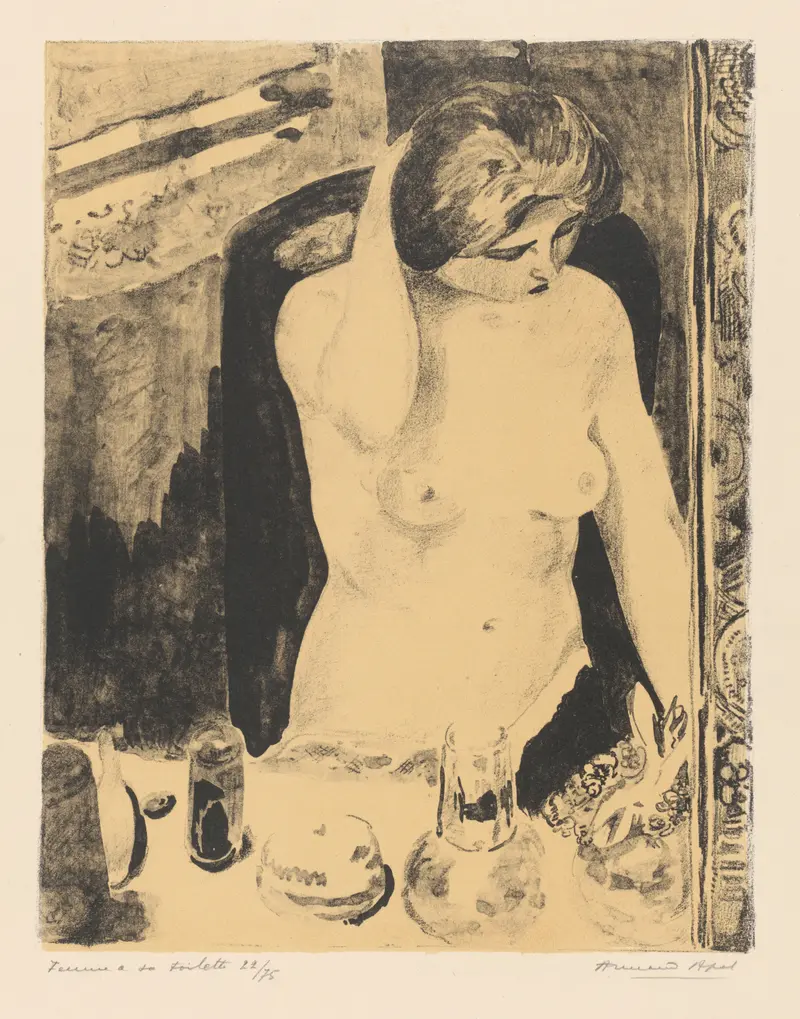
Dix planches (10) : Femme à sa toilette
Armand Apol
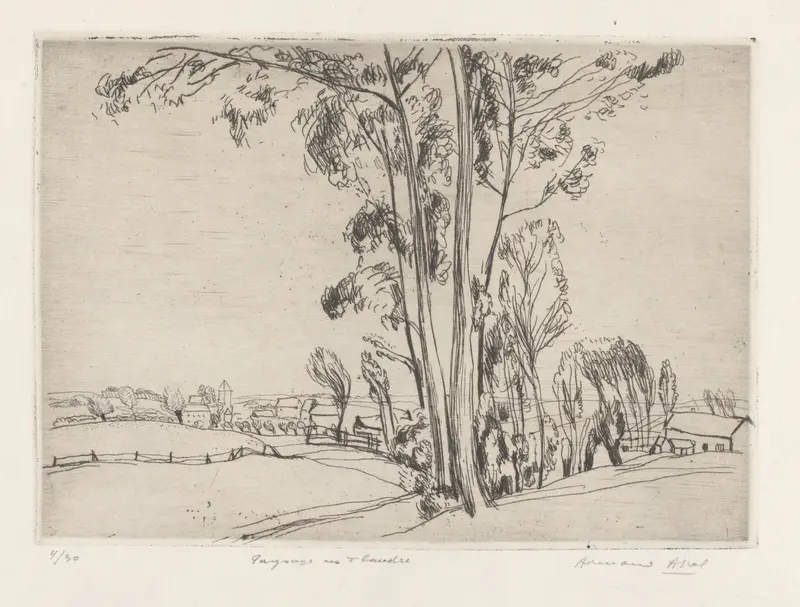
Paysage en Flandre (Etichove)
Armand Apol
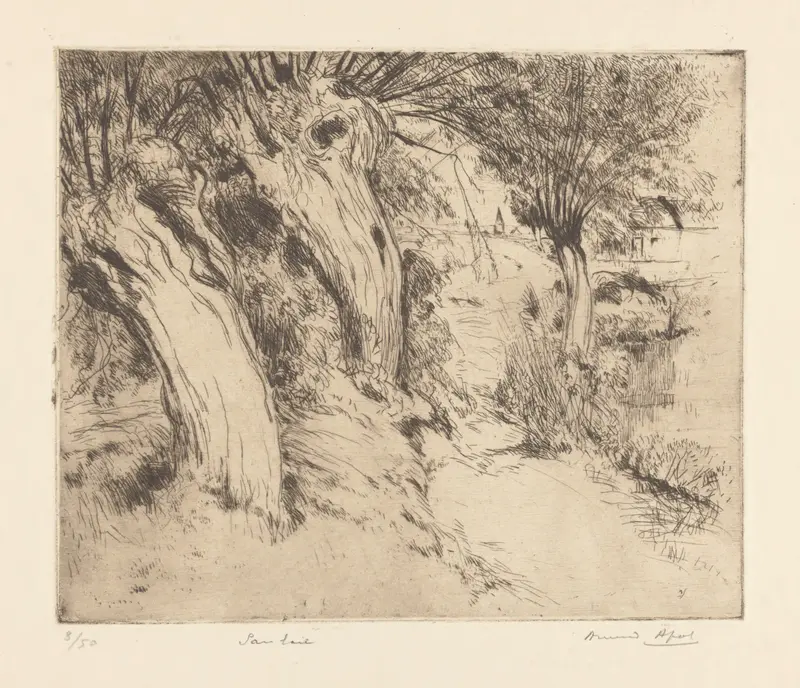
Saulaie
Armand Apol
Zeebrugge
Armand Apol





