
Dix lithographies au lavis (04) : Canal et village — History & Facts
What draws the eye first in Dix lithographies au lavis (04) : Canal et village is the way the canal’s dark, glassy surface slices through the quiet geometry of the village, mirroring the houses and trees in a restless, liquid double. The tall, slender trunks in the foreground act almost like a curtain, inviting the viewer to peer through, as if glimpsing a private world. The houses cluster together, their windows blank and silent, while the church steeple rises modestly above the rooftops—a signal of the village’s heart.
The play of black and white, with its bold shadows and soft washes, creates a sense of stillness tinged with movement, as if the clouds and water might shift at any moment. Apol’s hand is evident in the expressive, almost calligraphic marks that give the landscape its pulse. Works like this lithograph belong to a tradition of early twentieth-century Belgian printmaking, when artists turned to rural and small-town subjects to capture a world on the edge of change. Lithography, with its ability to evoke both texture and atmosphere, was especially prized for scenes of everyday life and landscape, often intended for collectors or limited-edition portfolios.
Armand Apol is known for his sensitive portrayals of the Belgian countryside, and this piece, now in the Royal Library of Belgium, is a testament to that quiet observation. History has kept few traces of the individual stories behind such scenes, but the image invites us to linger in its calm, to imagine the life that once moved along this canal.
More Artworks by Armand Apol
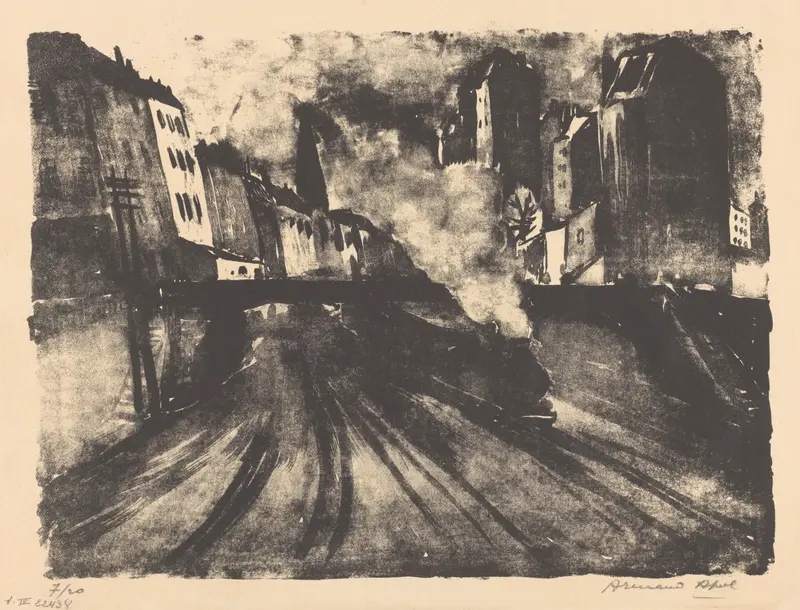
Chemin de fer de ceinture à Paris
Armand Apol
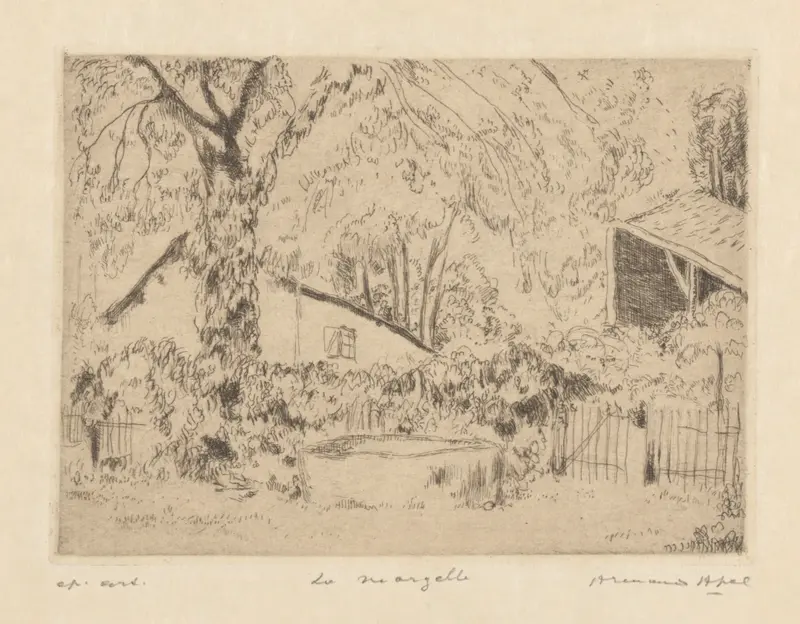
La margelle
Armand Apol
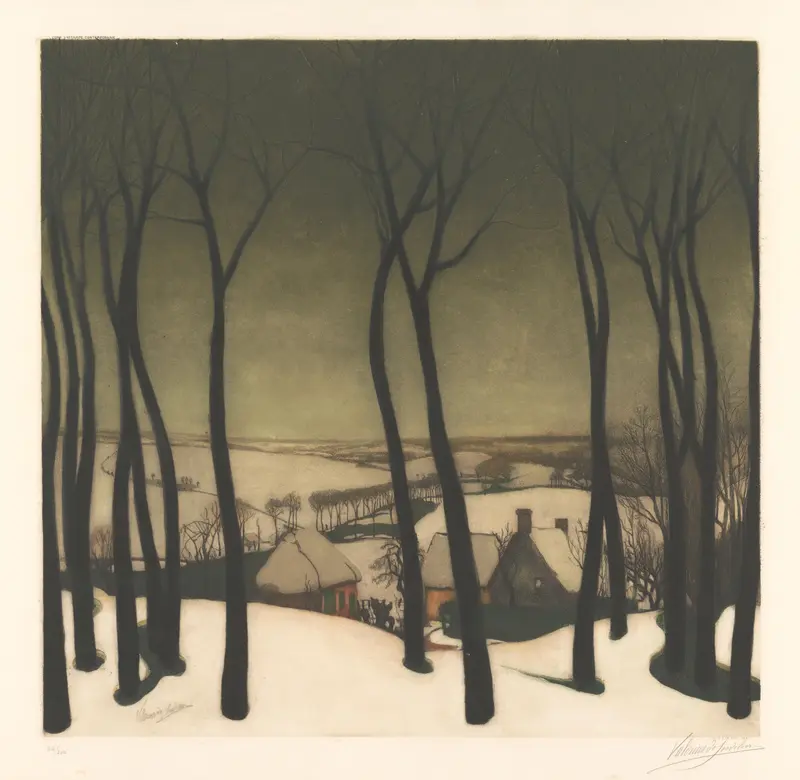
Album 8 estampes (en couleurs) (05) : Paysage
Armand Apol
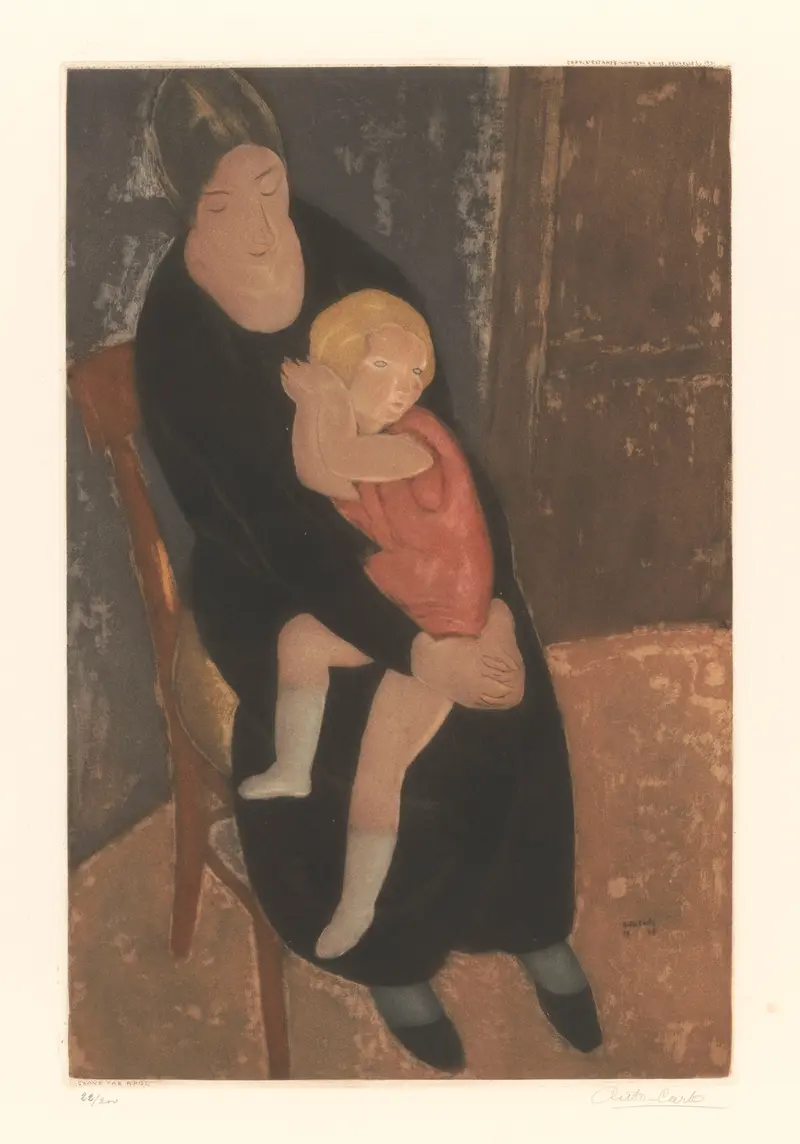
Album 8 estampes (en couleurs) (08) : Mère et enfant
Armand Apol
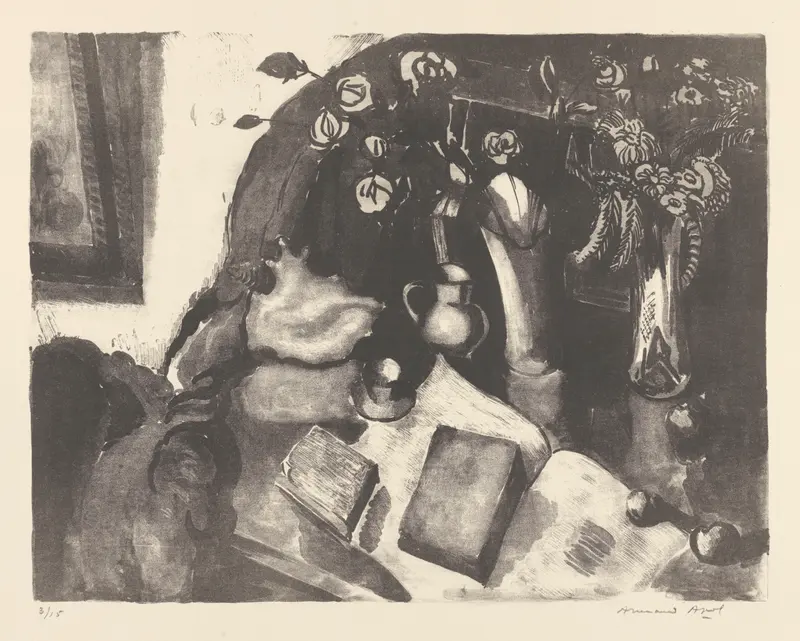
Dix lithographies au lavis (02) : Nature morte
Armand Apol

Dix planches (06) : La loge
Armand Apol
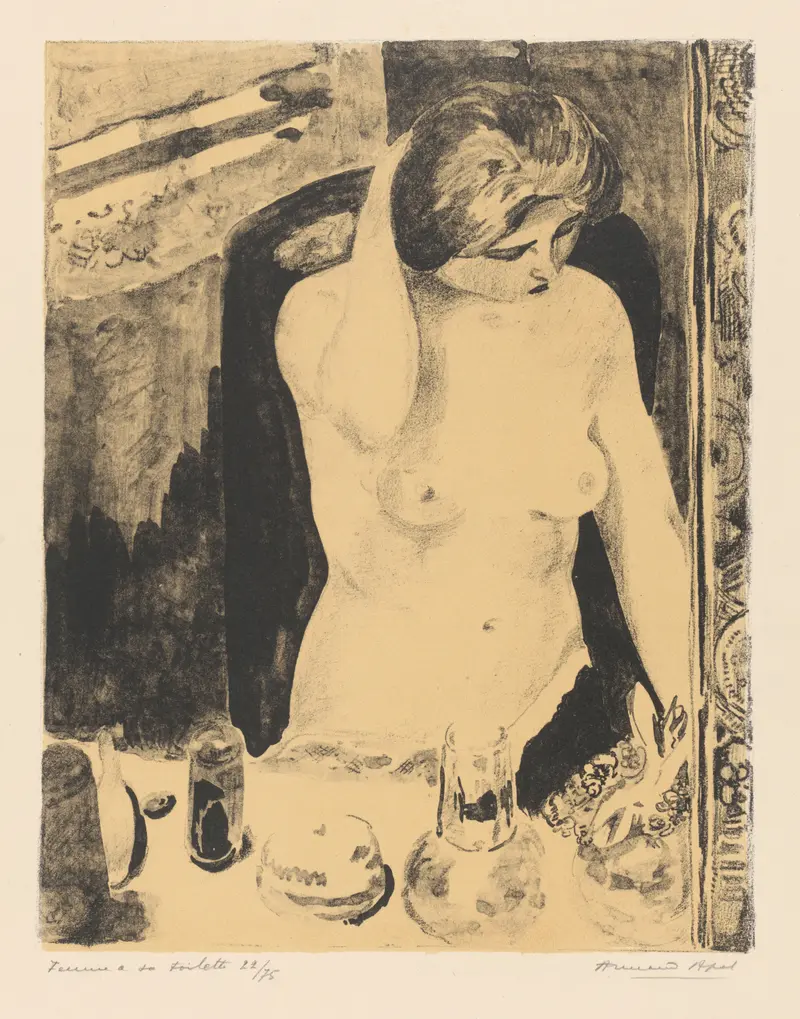
Dix planches (10) : Femme à sa toilette
Armand Apol
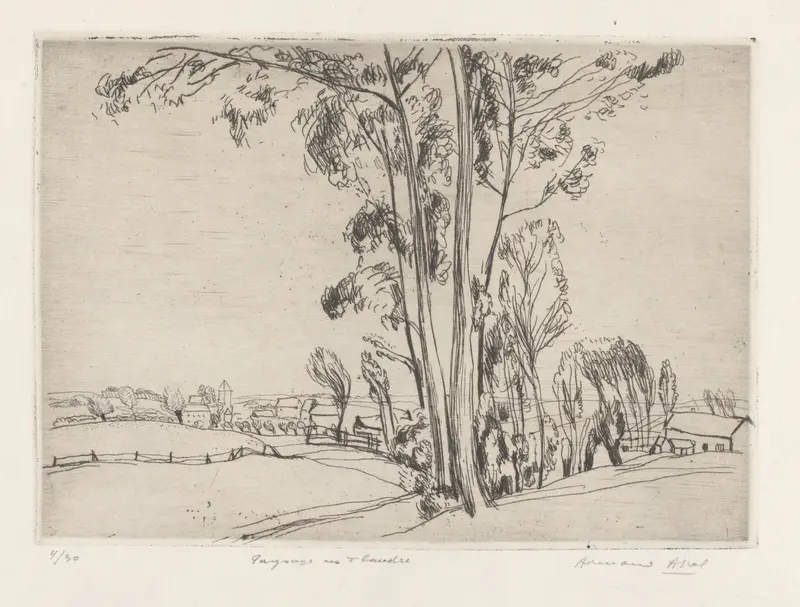
Paysage en Flandre (Etichove)
Armand Apol
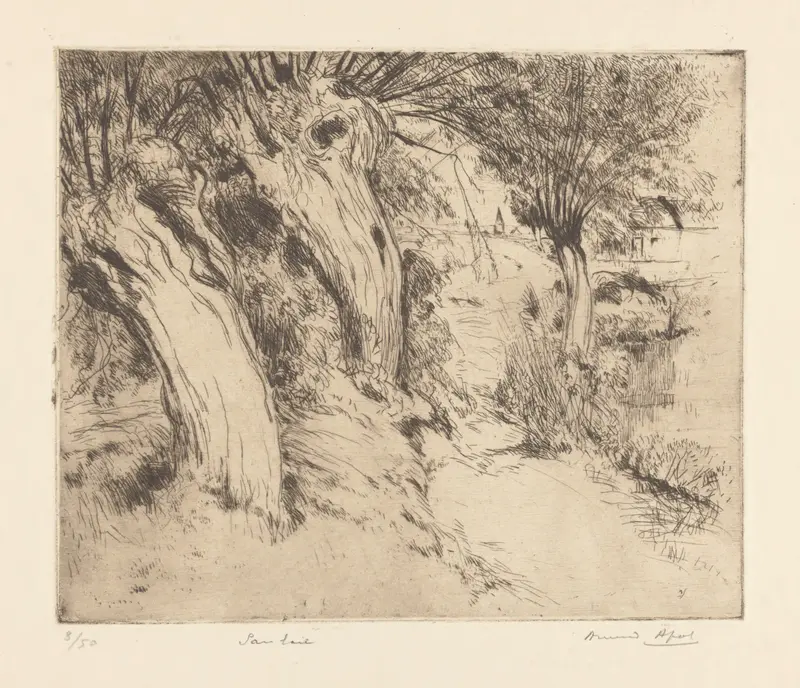
Saulaie
Armand Apol
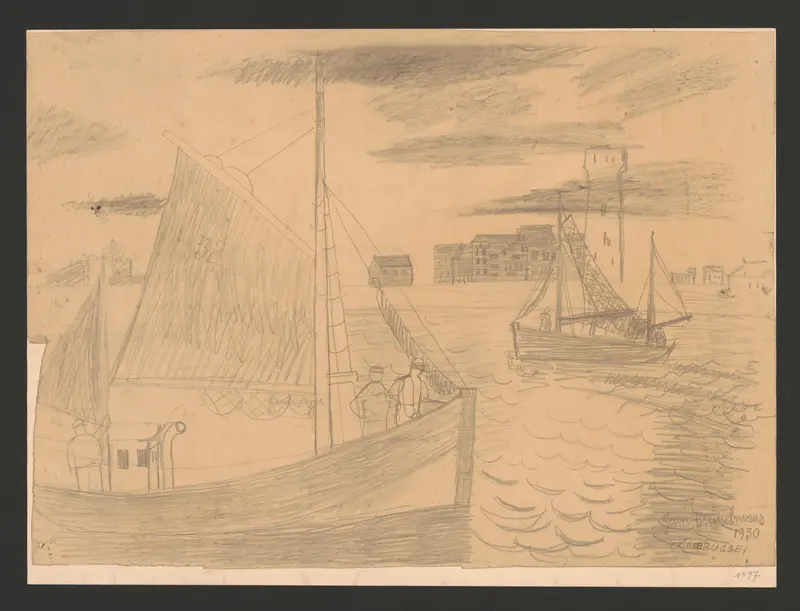
Zeebrugge
Armand Apol
More Landscape Art

The Starry Night
Vincent van Gogh

View of Delft
Johannes Vermeer

Water Lilies
Claude Monet

The Grand Canal, Venice, looking north-west from the Ca' Corner to the Ca' Contarini degli Scrigni, with the campanile of Santa Maria della Carità
Canaletto

Windsor Castle
Canaletto

The Grand Canal looking North-East from the Palazzo Dolfin-Manin to the Rialto Bridge
Canaletto