
Dix lithographies au lavis (06) : Vue de ville avec canal — History & Facts
What first seizes the eye in Dix lithographies au lavis (06) : Vue de ville avec canal is the brooding weight of shadow pressing against the quiet gleam of water. The buildings crowd together in dense, blocky silhouettes, their forms softened at the edges by the lithographic wash, as if the city itself is dissolving into memory. The canal slices through the composition, pulling the gaze toward the lighter distance, where the forms thin out and the sky opens.
Details emerge slowly: a small structure perched at the water’s edge, a boat moored in stillness, the faint suggestion of trees on the far bank. The image is less a record of place than a meditation on atmosphere, where the interplay of darkness and light hints at stories just out of reach. Works like this, produced by Armand Apol and now held in the Royal Library of Belgium, belong to a moment when artists embraced the expressive possibilities of printmaking to capture the changing face of European cities. Lithography, with its ability to conjure both sharp contrasts and delicate washes, became a favored medium for artists depicting urban transformation and the encroaching modern age.
In the early twentieth century, such scenes were often commissioned by collectors eager to document the vanishing corners of old towns, or simply to bring the poetry of the everyday into domestic interiors. History has kept few traces of the specific journeys of this print, but its moody presence invites us to linger, searching for the life that flickers in its shadows and reflections.
More Artworks by Armand Apol
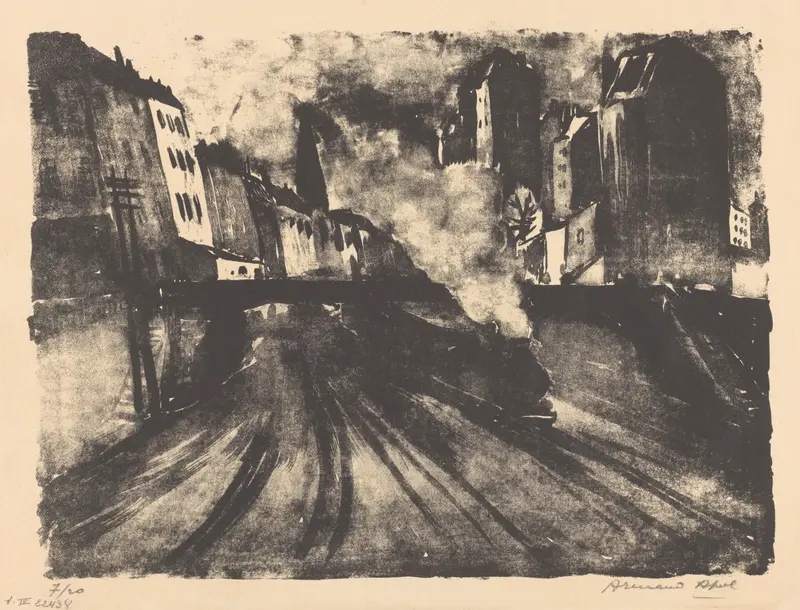
Chemin de fer de ceinture à Paris
Armand Apol
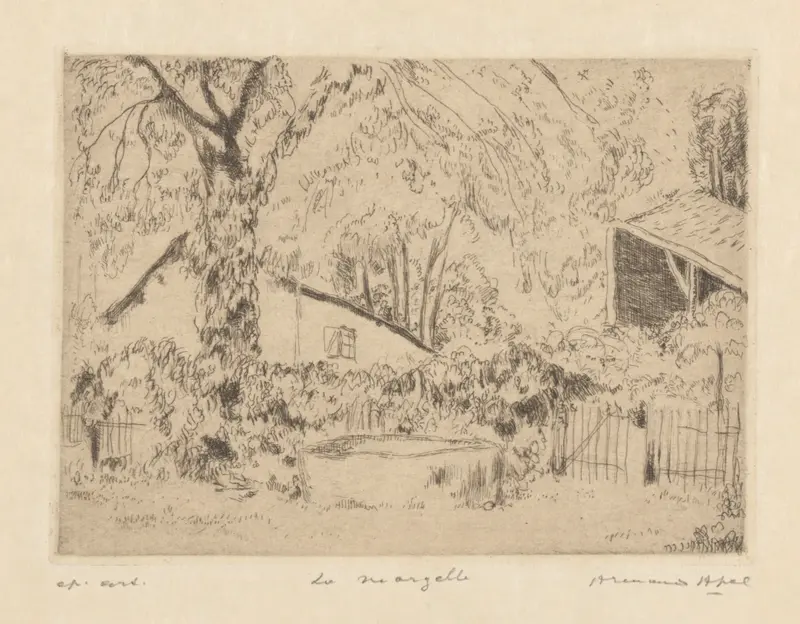
La margelle
Armand Apol
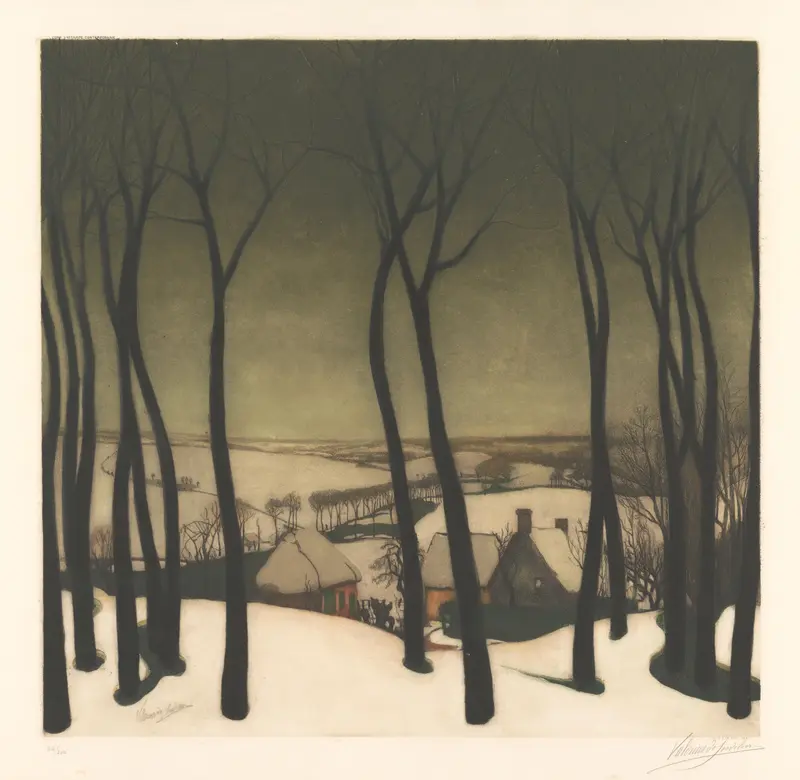
Album 8 estampes (en couleurs) (05) : Paysage
Armand Apol
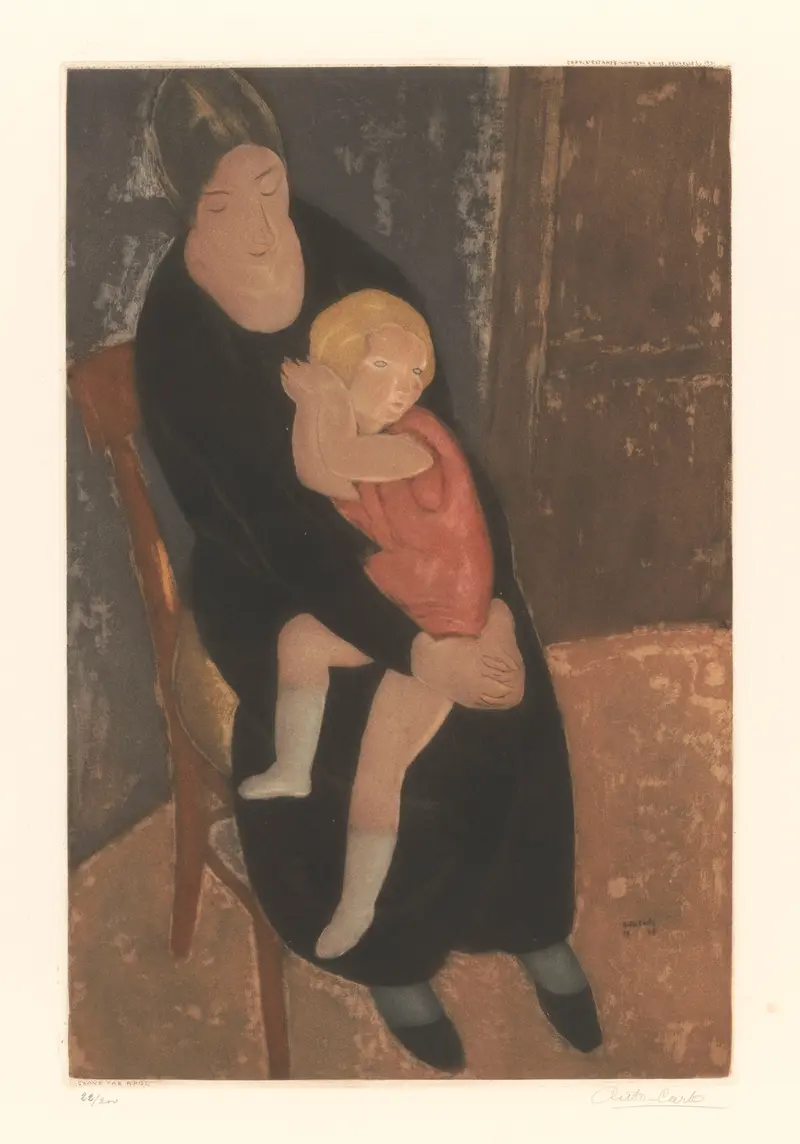
Album 8 estampes (en couleurs) (08) : Mère et enfant
Armand Apol
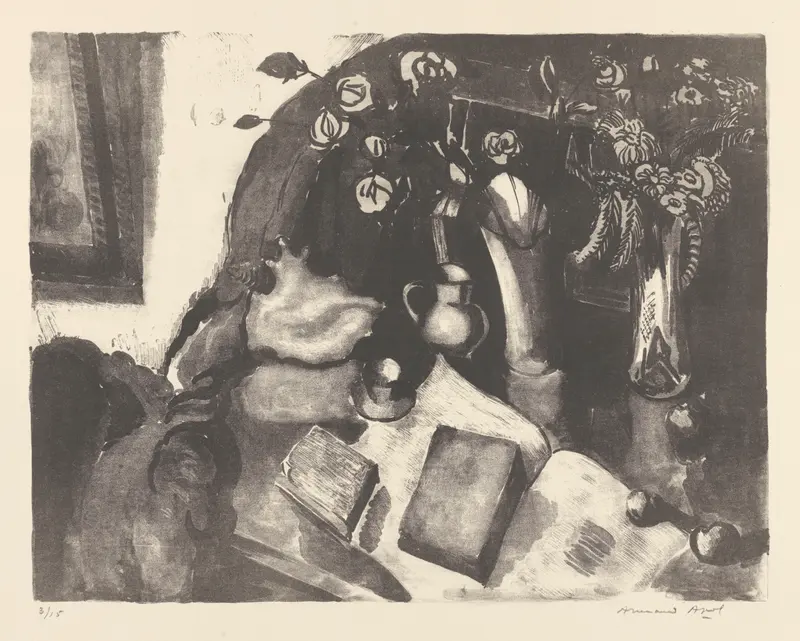
Dix lithographies au lavis (02) : Nature morte
Armand Apol

Dix planches (06) : La loge
Armand Apol
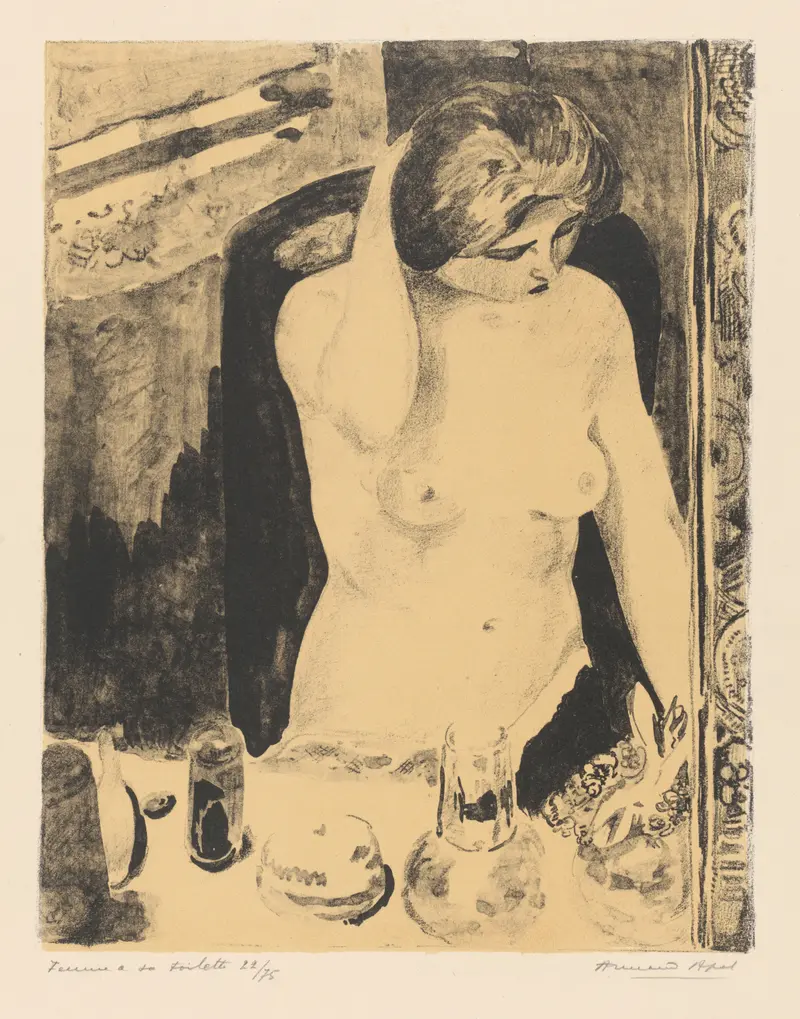
Dix planches (10) : Femme à sa toilette
Armand Apol
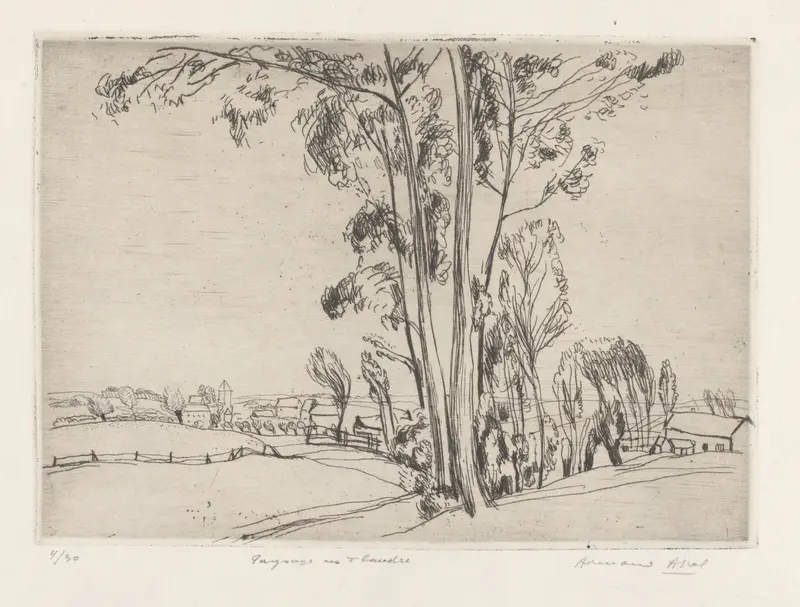
Paysage en Flandre (Etichove)
Armand Apol
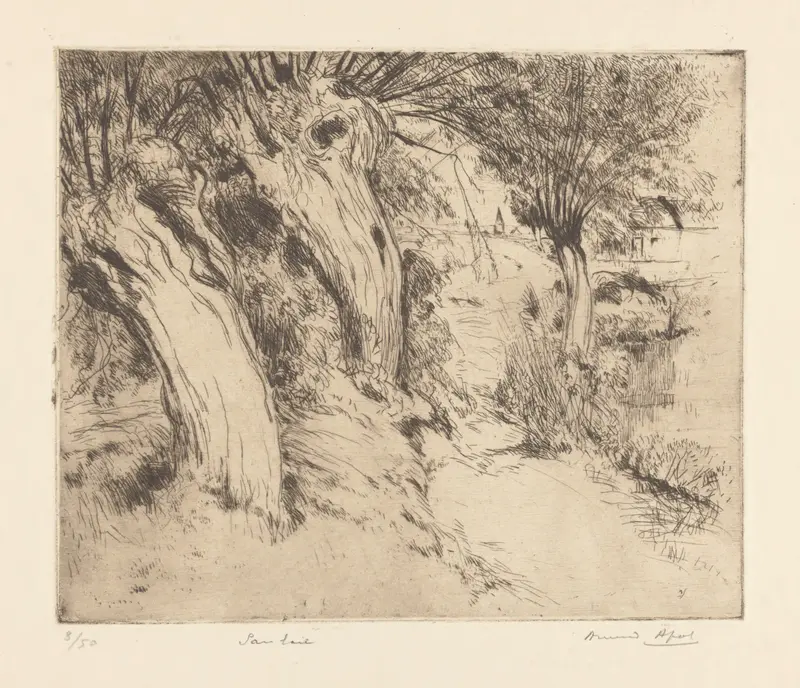
Saulaie
Armand Apol
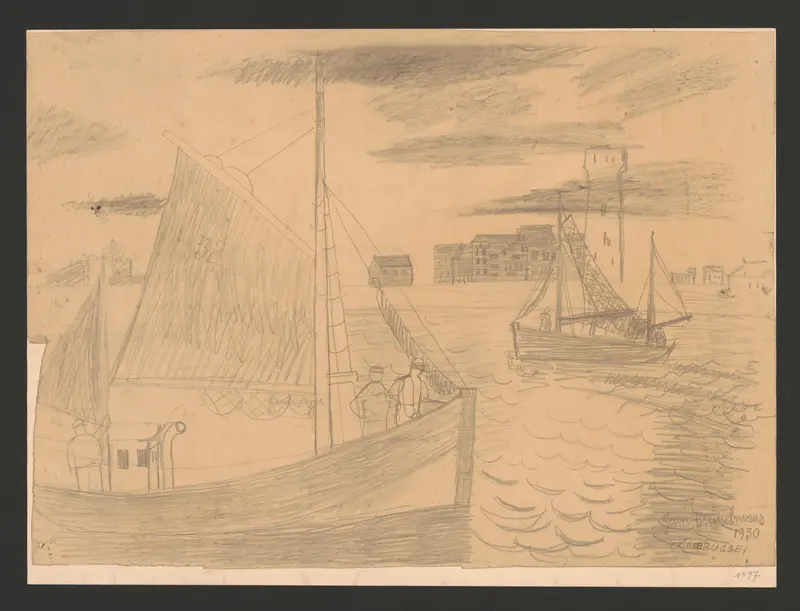
Zeebrugge
Armand Apol
More Landscape Art

The Starry Night
Vincent van Gogh

View of Delft
Johannes Vermeer

Water Lilies
Claude Monet

The Grand Canal, Venice, looking north-west from the Ca' Corner to the Ca' Contarini degli Scrigni, with the campanile of Santa Maria della Carità
Canaletto

Windsor Castle
Canaletto

The Grand Canal looking North-East from the Palazzo Dolfin-Manin to the Rialto Bridge
Canaletto