
Dix planches (01) : Bord de canal — History & Facts
A hush settles over the canal, where the water’s dark surface mirrors the facades of old houses, their windows shuttered and silent. The eye is drawn first to the looming hull of a moored boat, its prow cutting into the foreground like a silent witness to the city’s slow rhythms. Three bollards anchor the lower edge, suggesting a place of pause, a moment between arrivals and departures.
The palette is pared down to shadow and light, every line and hatch mark coaxing out the weight of dusk or early morning. There is a stillness here, but not emptiness—the blurred reflections and softened forms hint at life just beyond the frame, behind the curtained windows and along the unseen streets. Works like Dix planches (01) : Bord de canal by Armand Apol belong to a world where the city’s quieter corners found their way onto paper through the hands of printmakers and painters alike. In the late nineteenth and early twentieth centuries, Belgian artists often turned to the everyday—canals, backstreets, and working boats—seeking poetry in the ordinary.
The Royal Library of Belgium, where this print now resides, holds many such glimpses into the urban soul, though history has kept few traces of the individual stories behind each image. This anonymity only sharpens the viewer’s focus, inviting us to linger on the textures and shadows that once defined a city’s edge.
More Artworks by Armand Apol
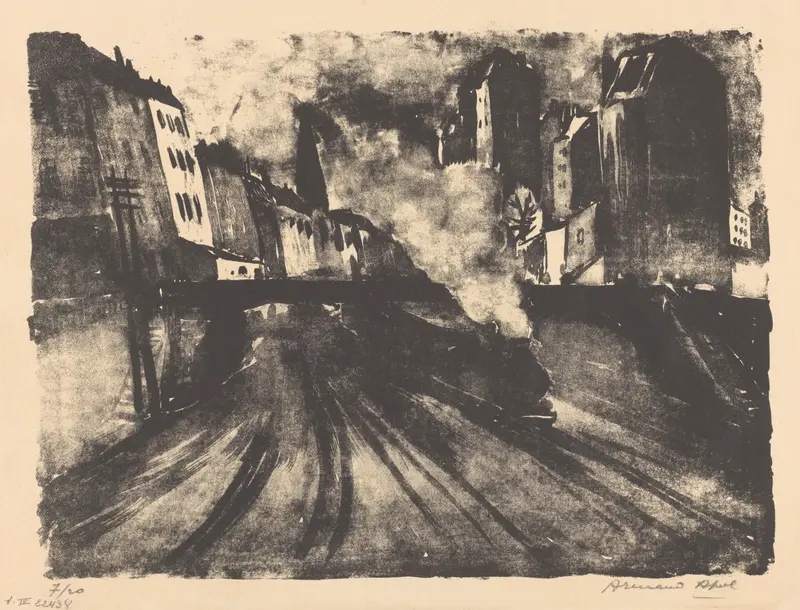
Chemin de fer de ceinture à Paris
Armand Apol
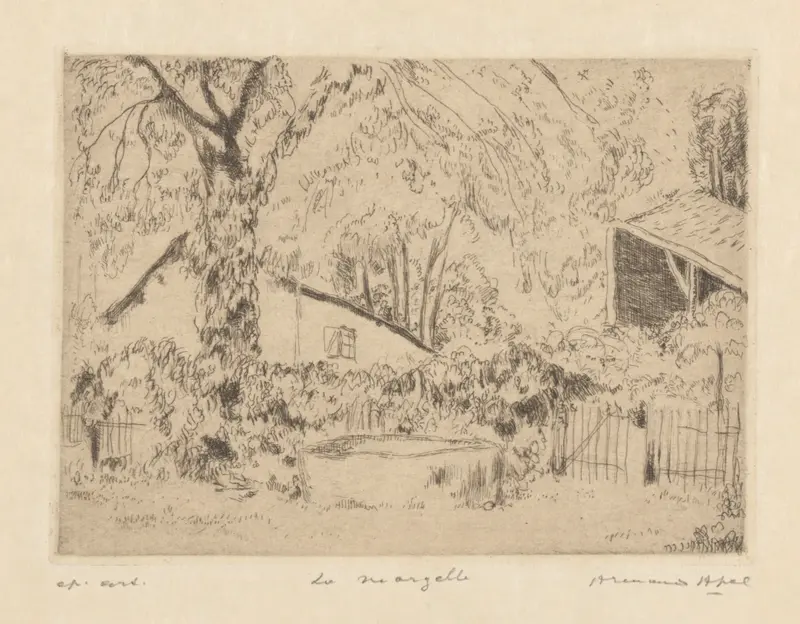
La margelle
Armand Apol
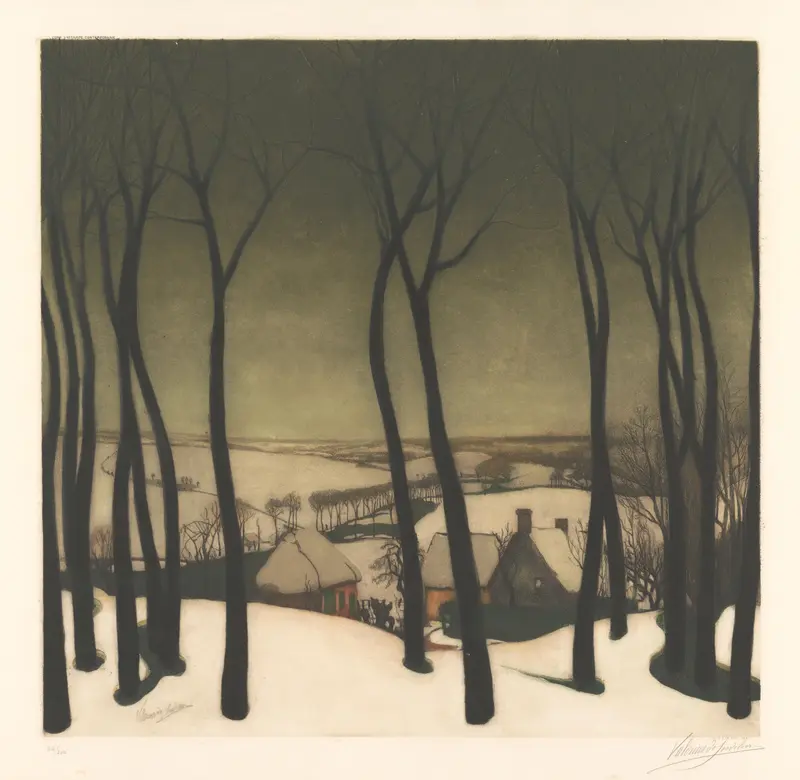
Album 8 estampes (en couleurs) (05) : Paysage
Armand Apol
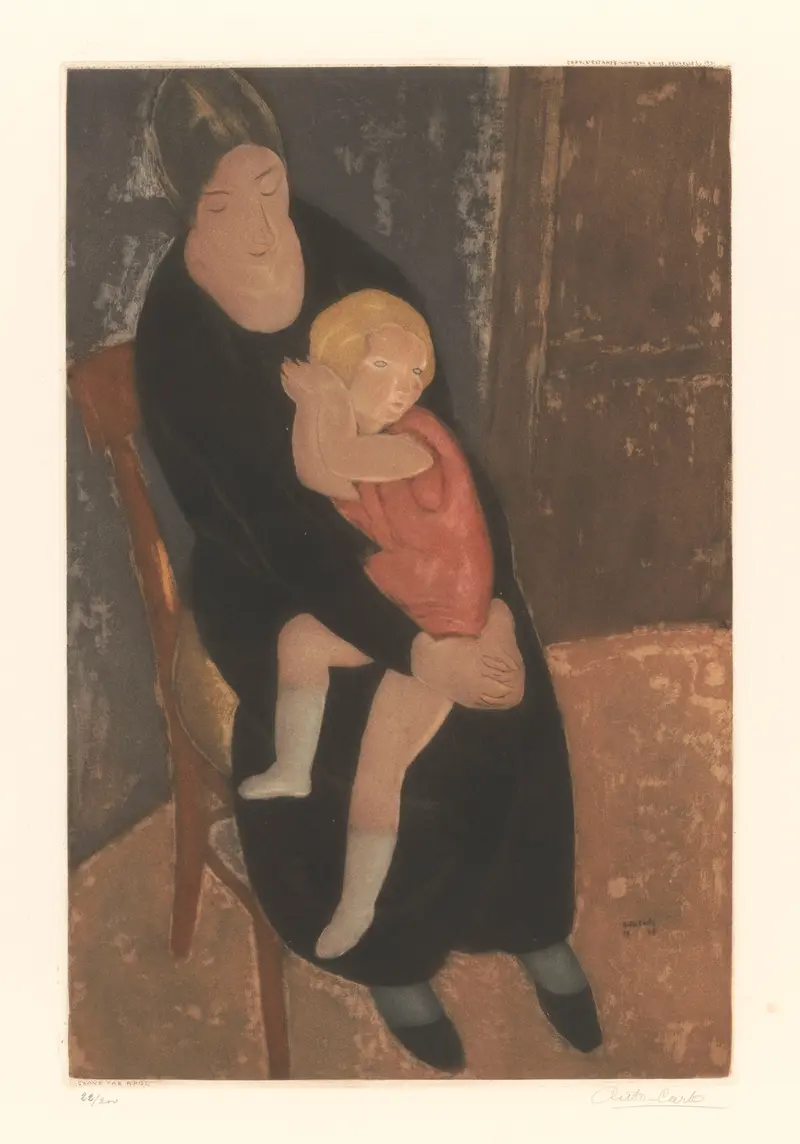
Album 8 estampes (en couleurs) (08) : Mère et enfant
Armand Apol
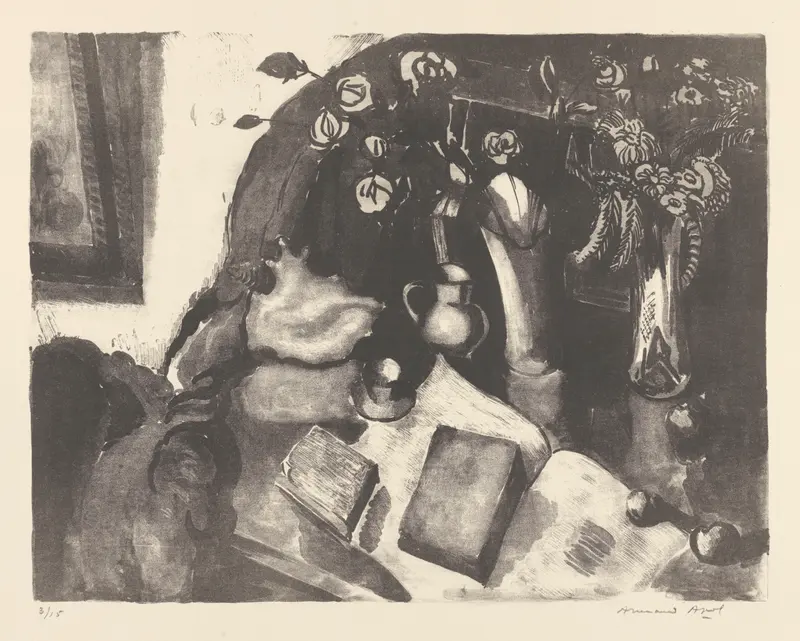
Dix lithographies au lavis (02) : Nature morte
Armand Apol

Dix planches (06) : La loge
Armand Apol
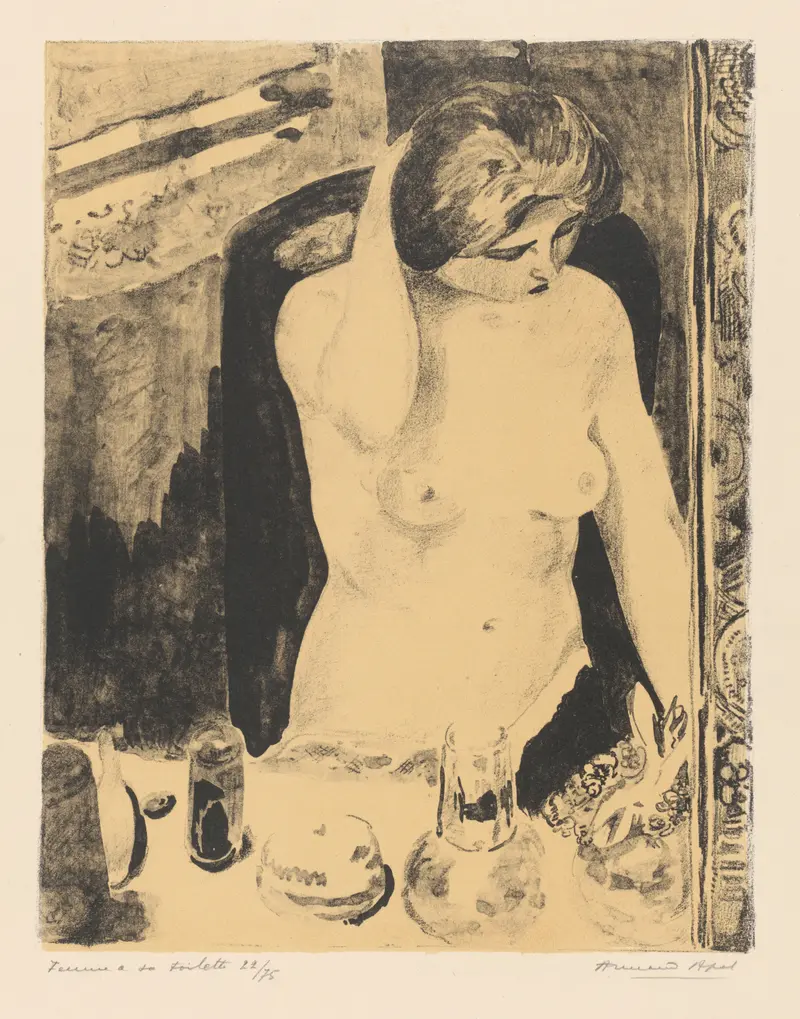
Dix planches (10) : Femme à sa toilette
Armand Apol
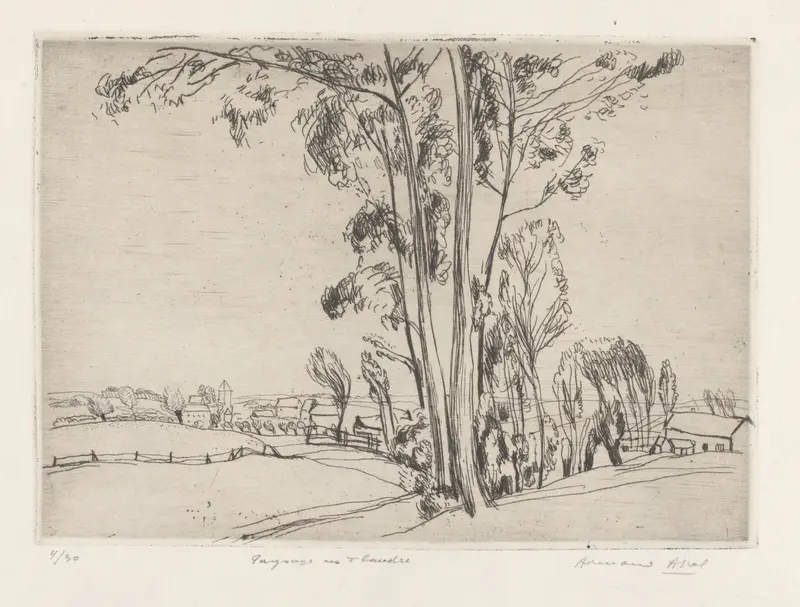
Paysage en Flandre (Etichove)
Armand Apol
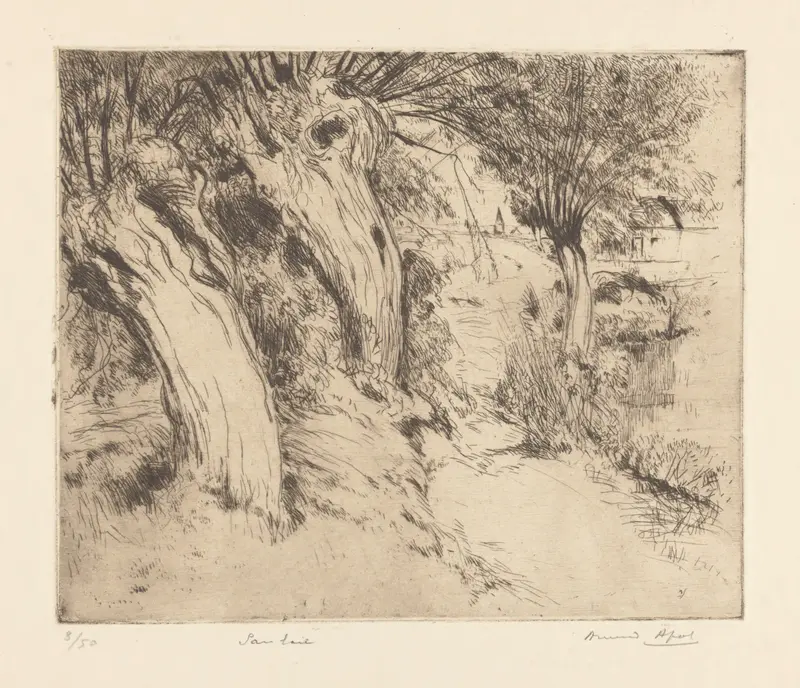
Saulaie
Armand Apol
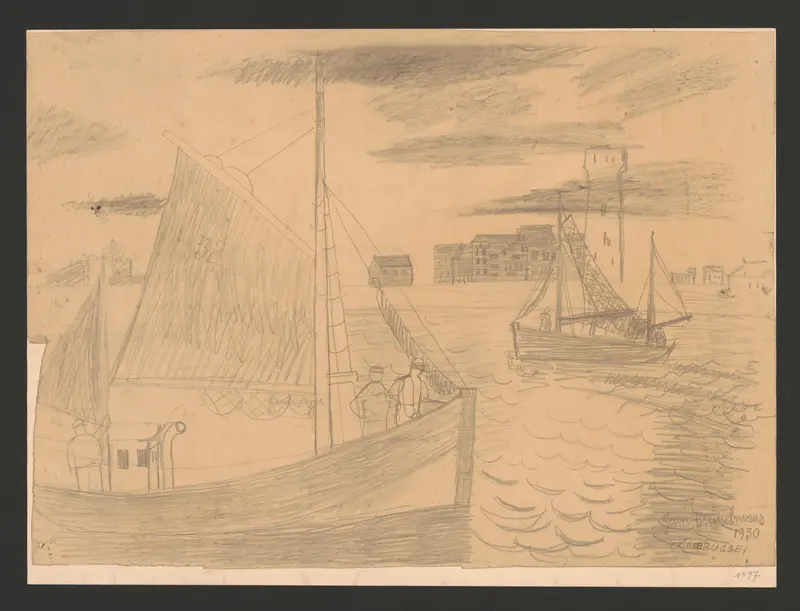
Zeebrugge
Armand Apol
More Landscape Art

The Starry Night
Vincent van Gogh

View of Delft
Johannes Vermeer

Water Lilies
Claude Monet

The Grand Canal, Venice, looking north-west from the Ca' Corner to the Ca' Contarini degli Scrigni, with the campanile of Santa Maria della Carità
Canaletto

Windsor Castle
Canaletto

The Grand Canal looking North-East from the Palazzo Dolfin-Manin to the Rialto Bridge
Canaletto