East Slovak Landscape — History & Analysis
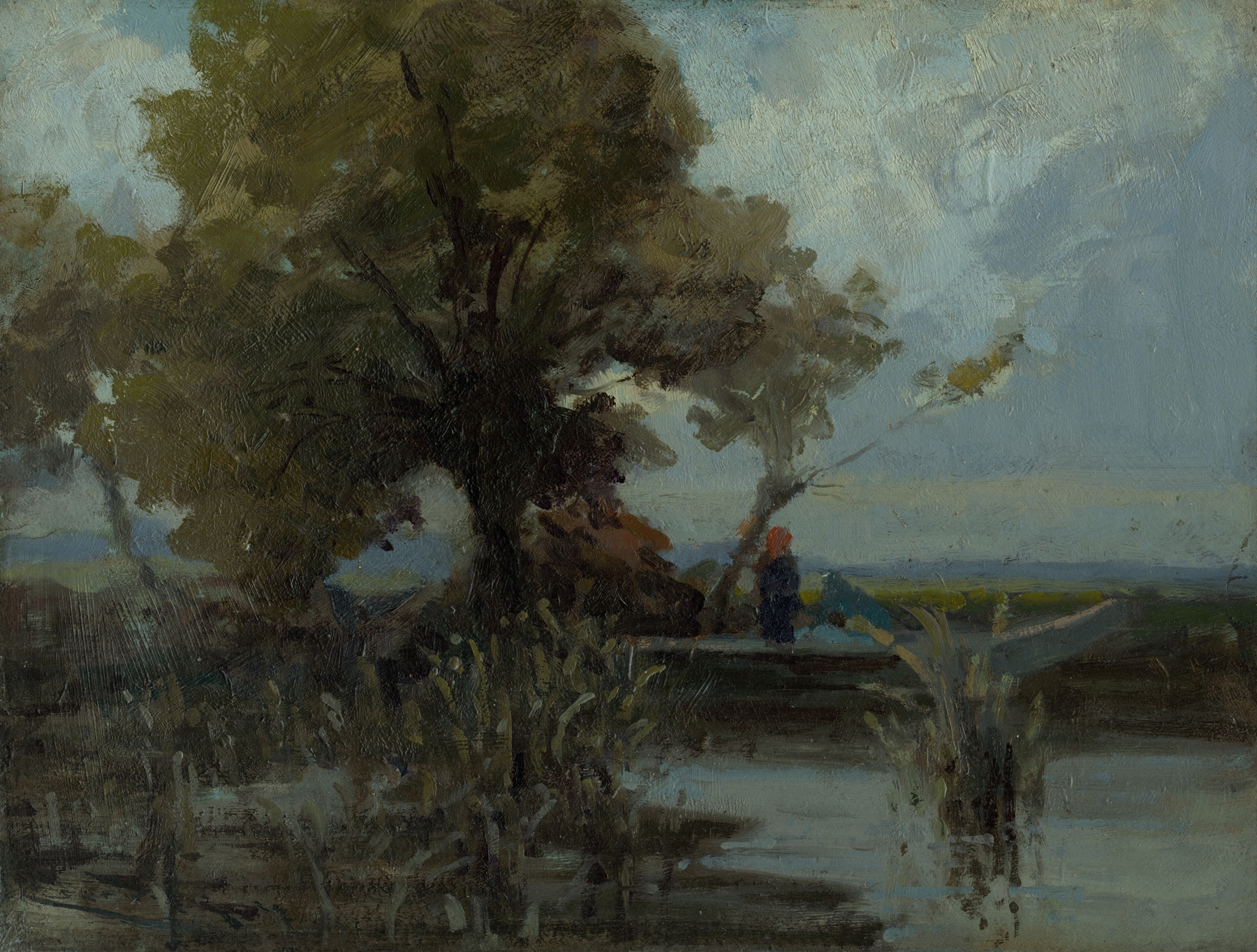
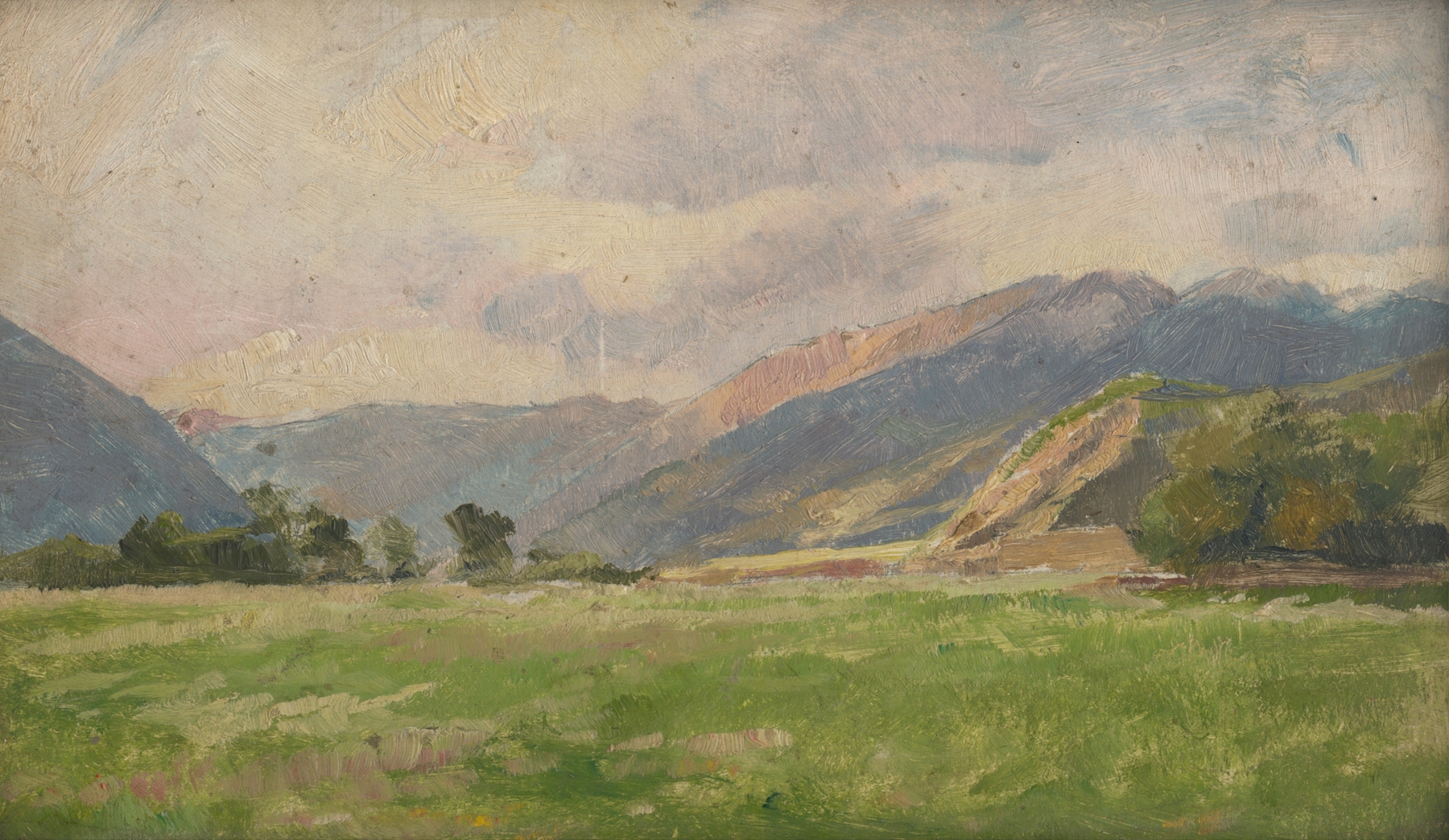
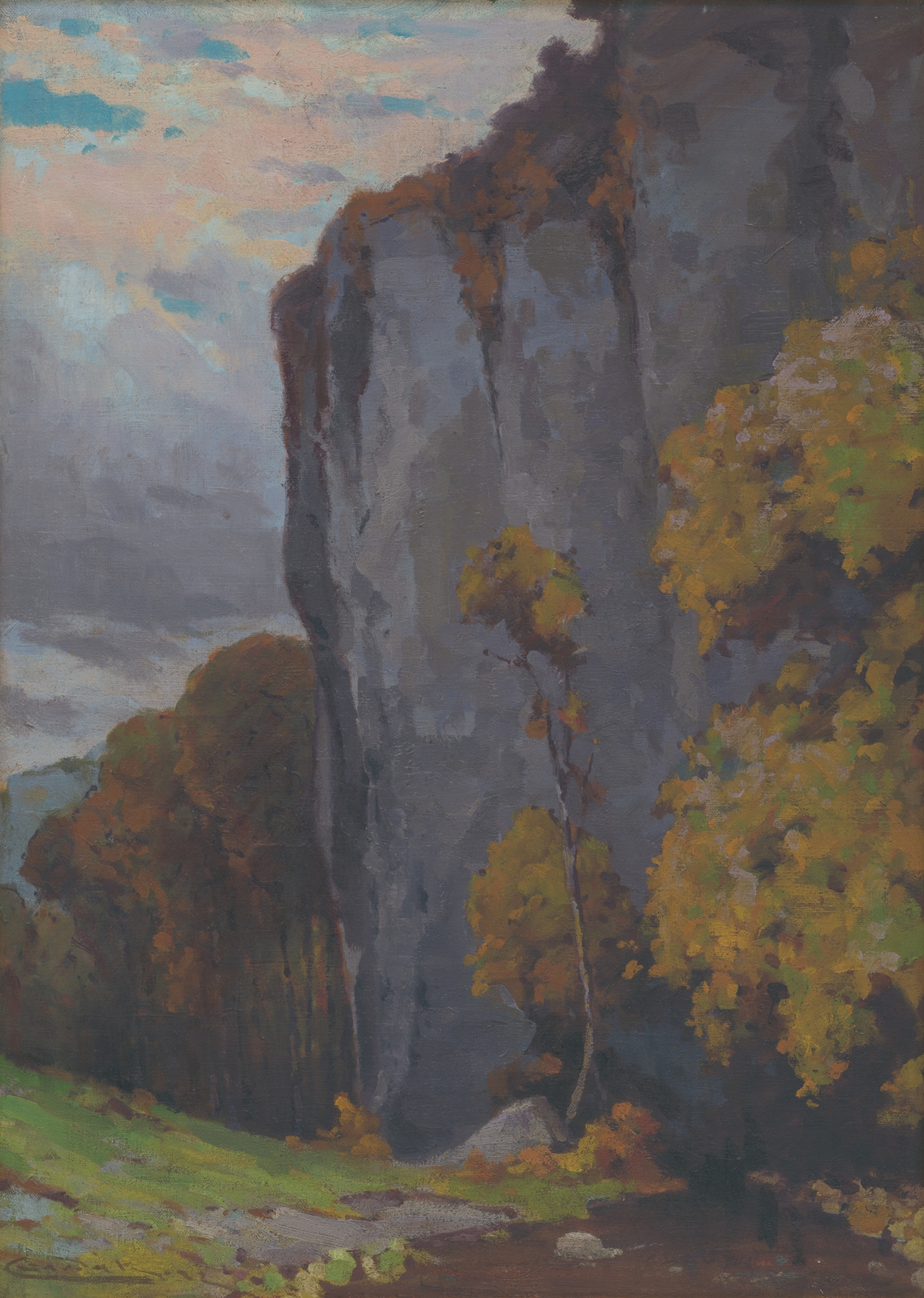
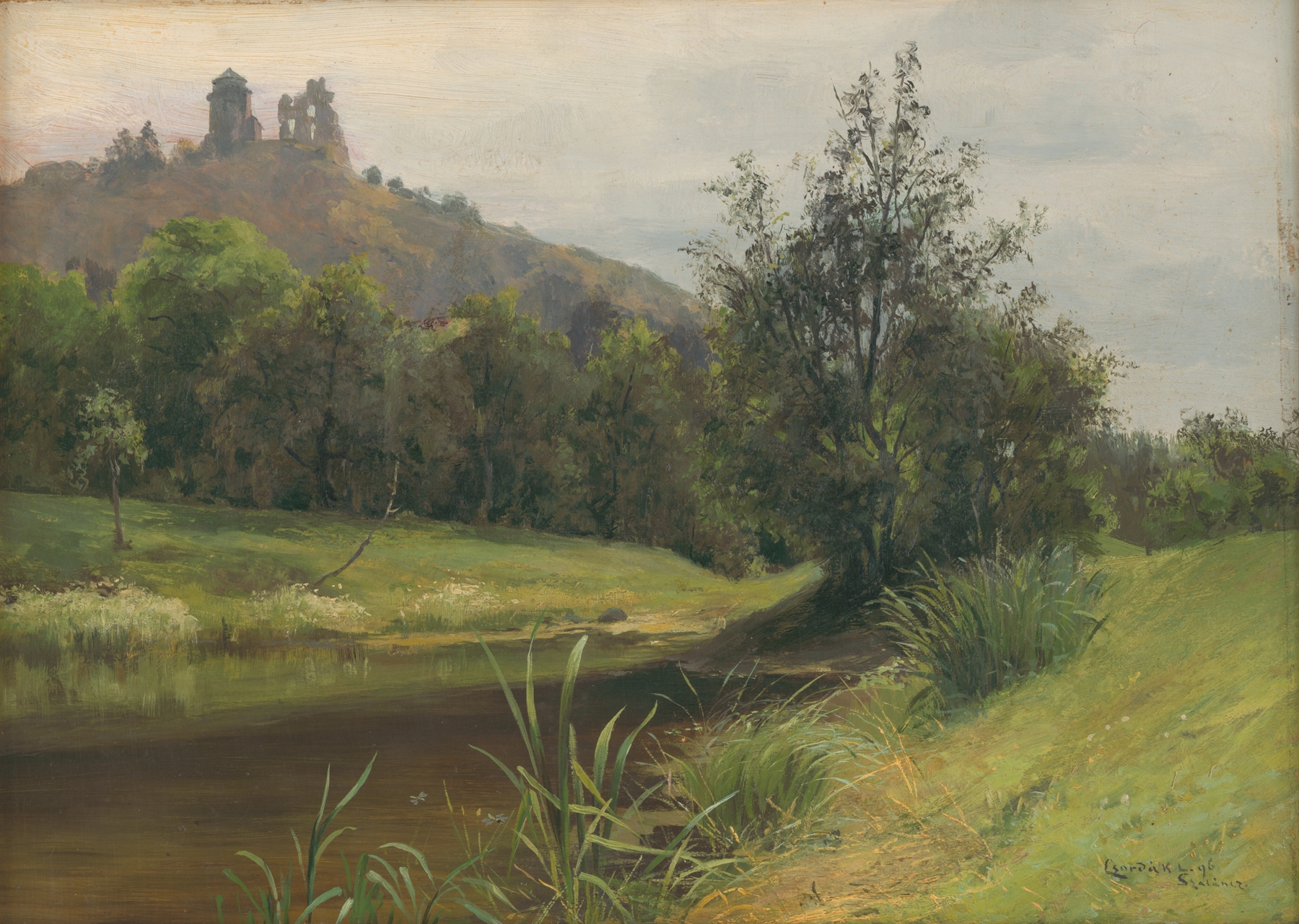
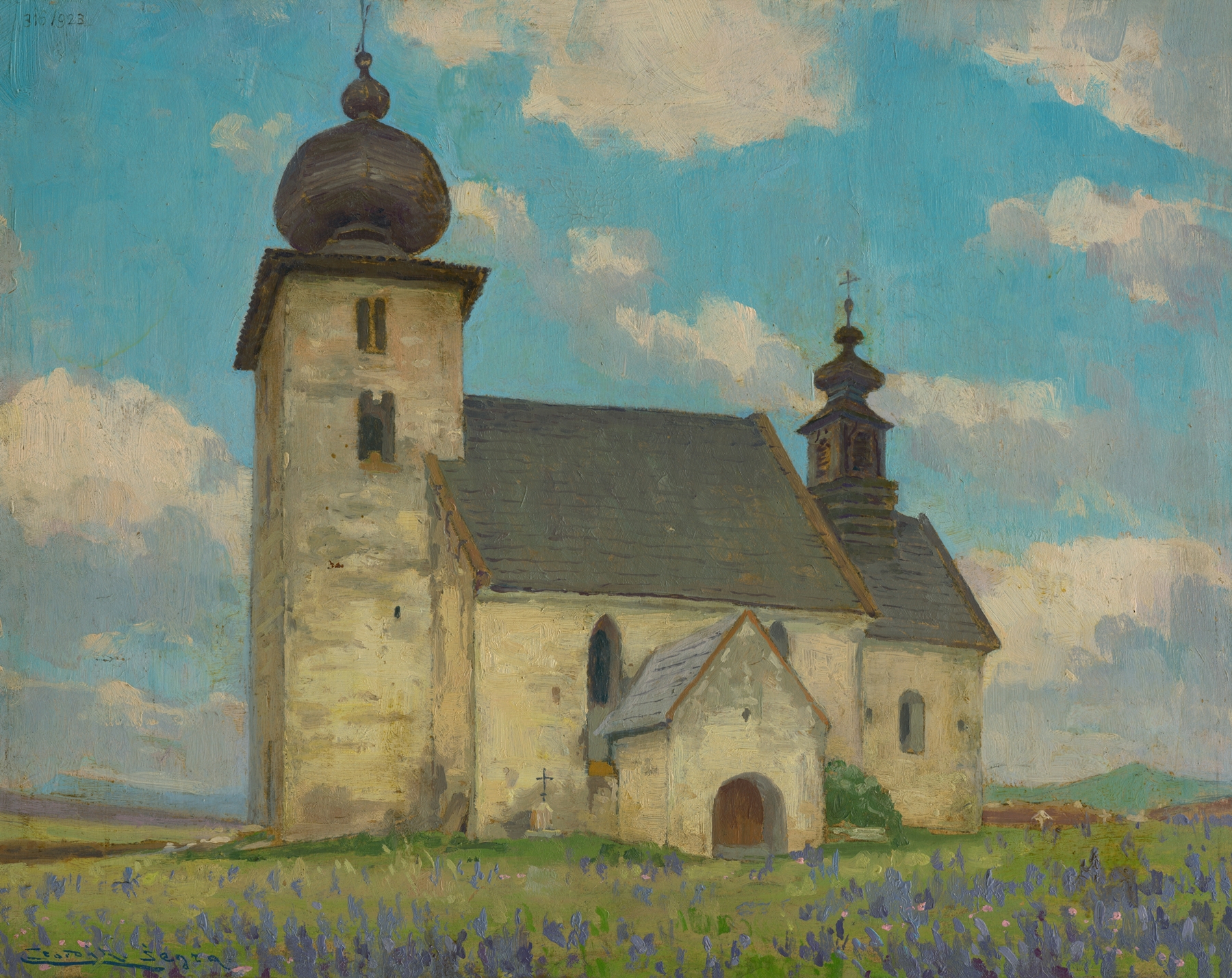
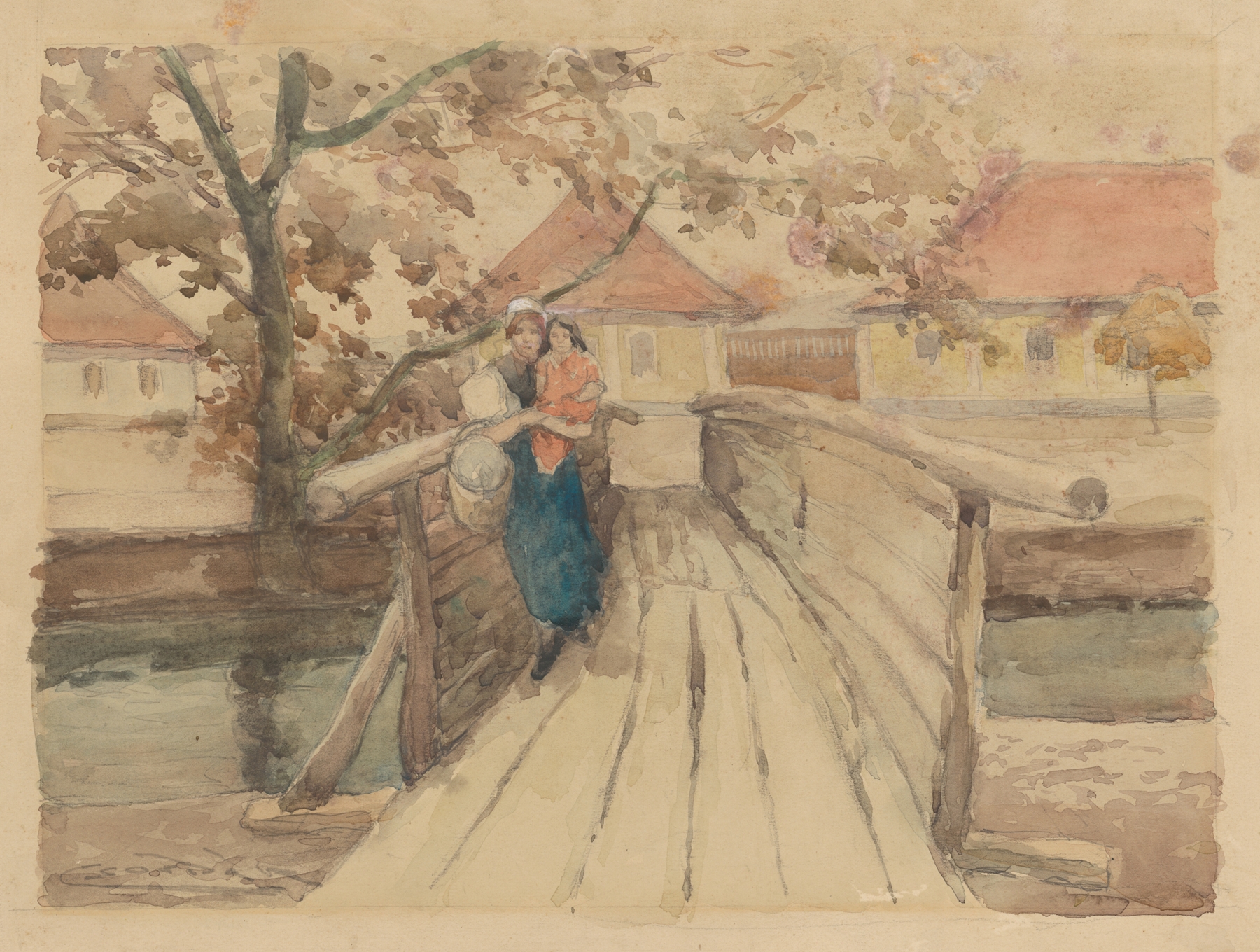
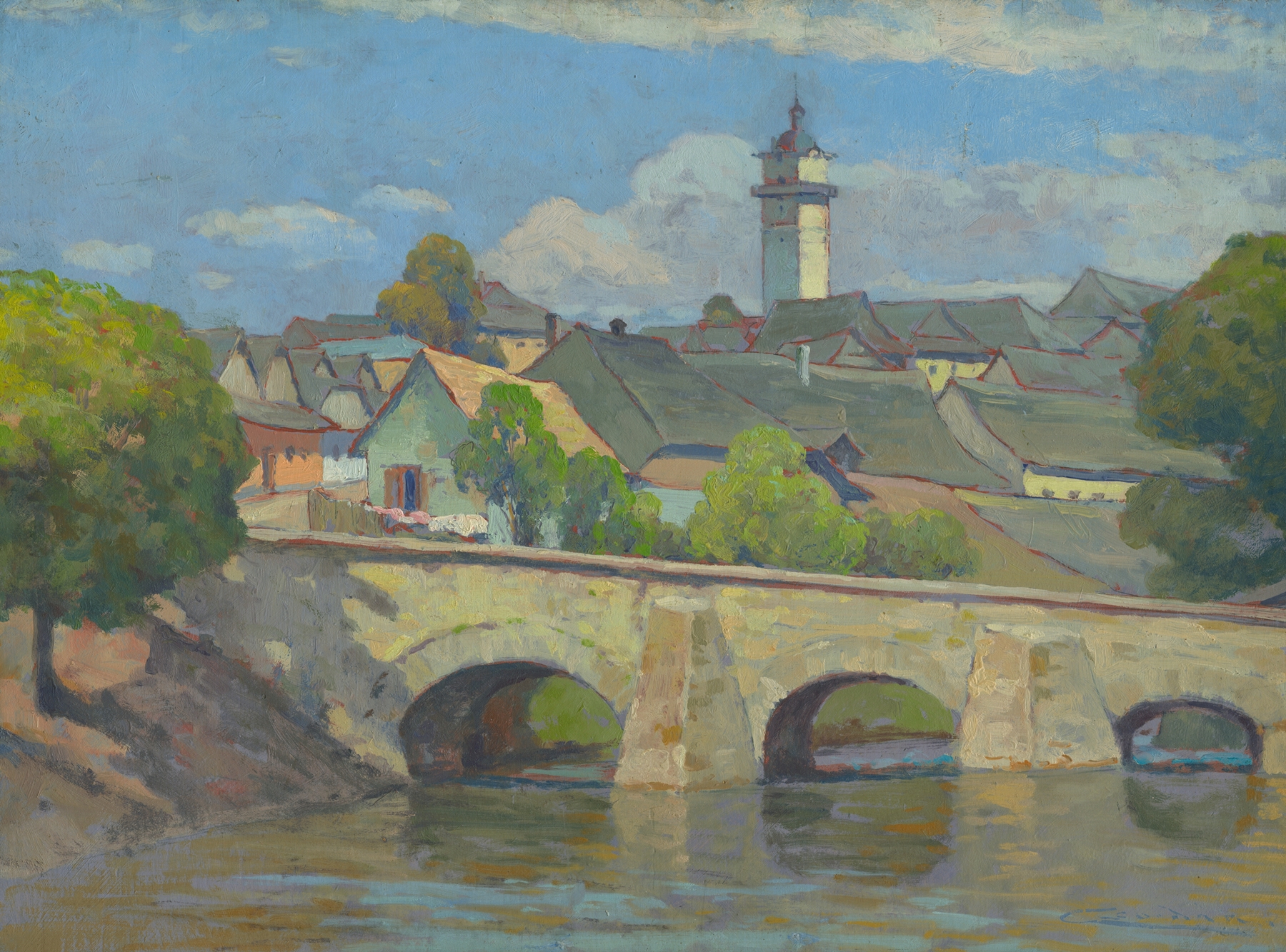
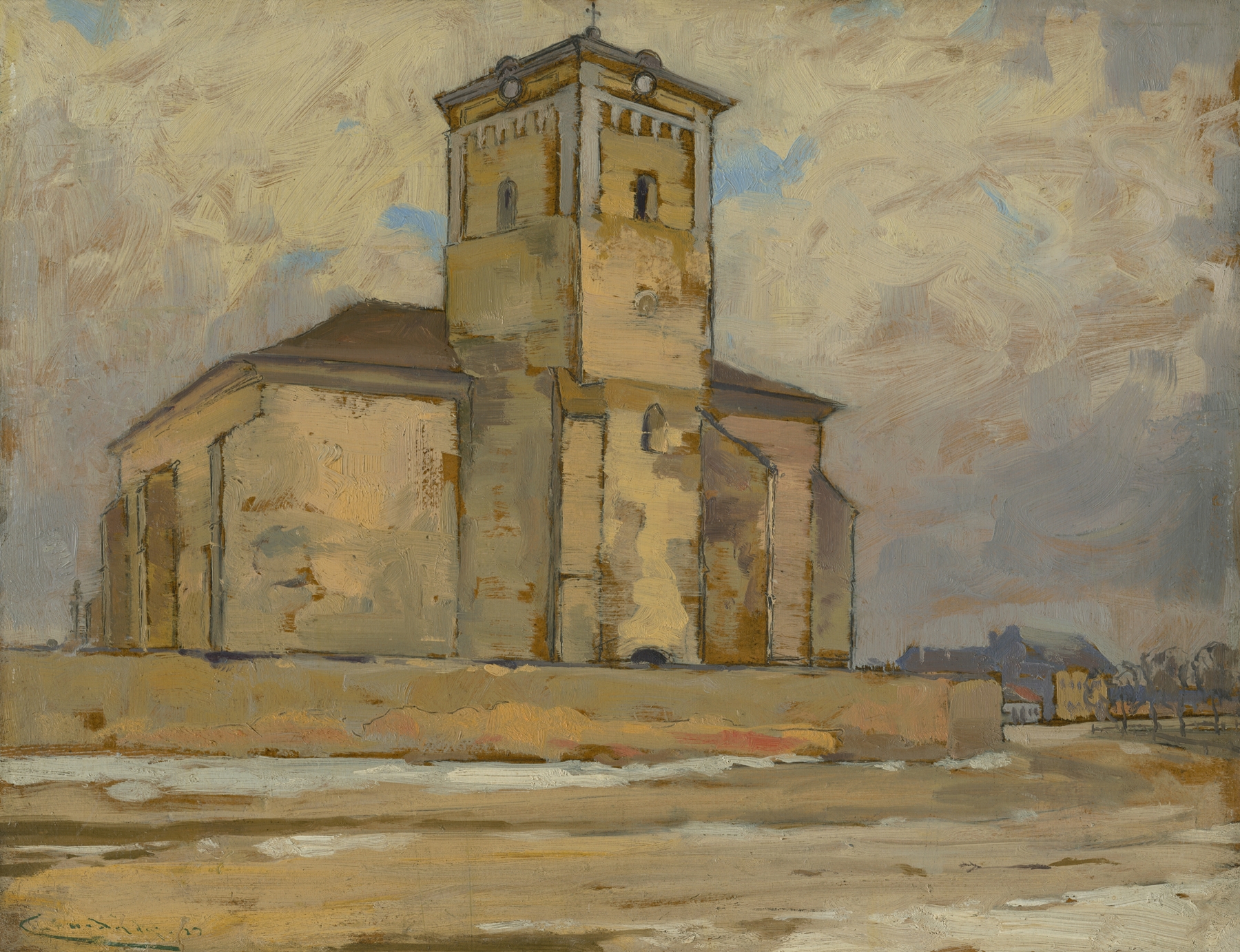
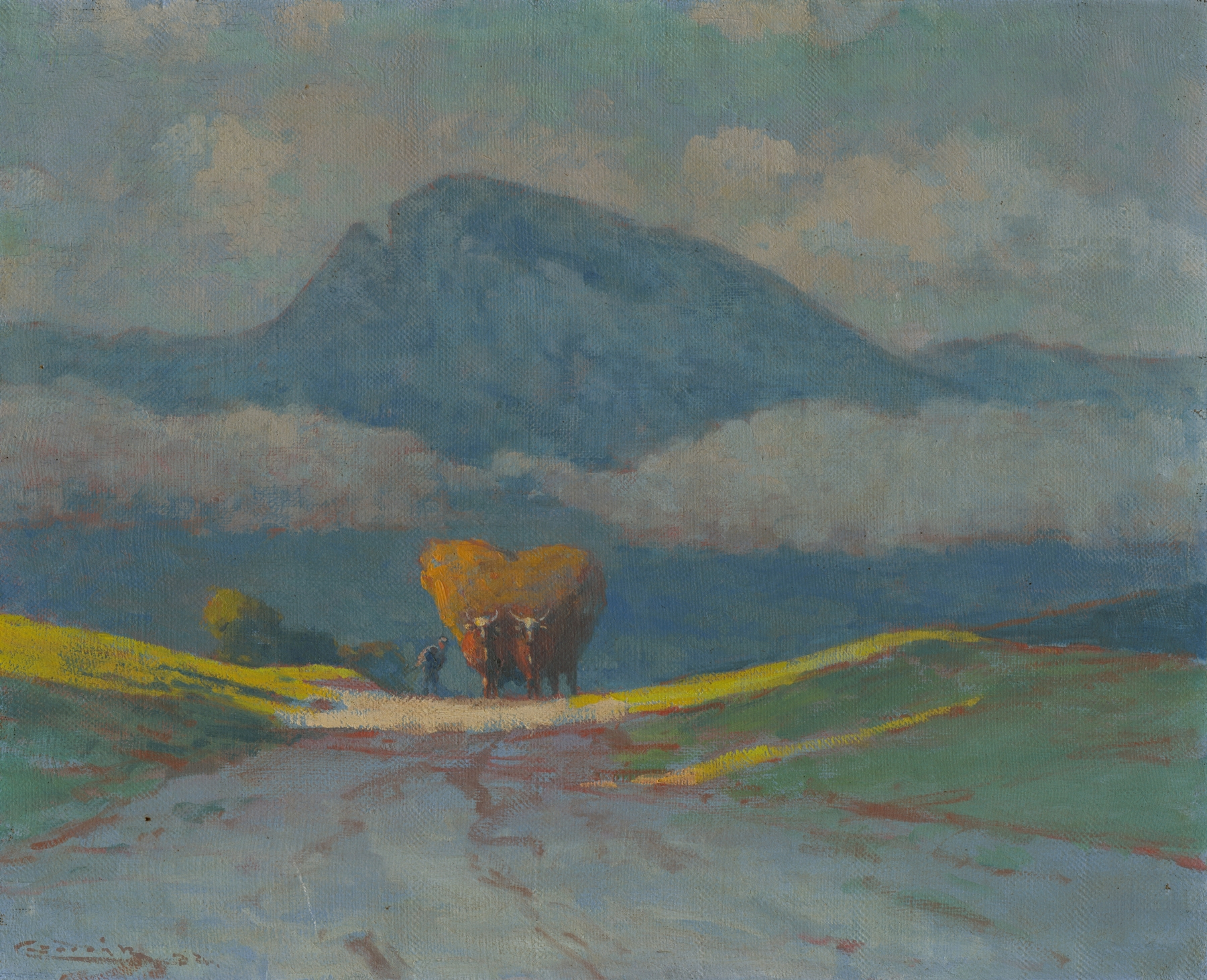
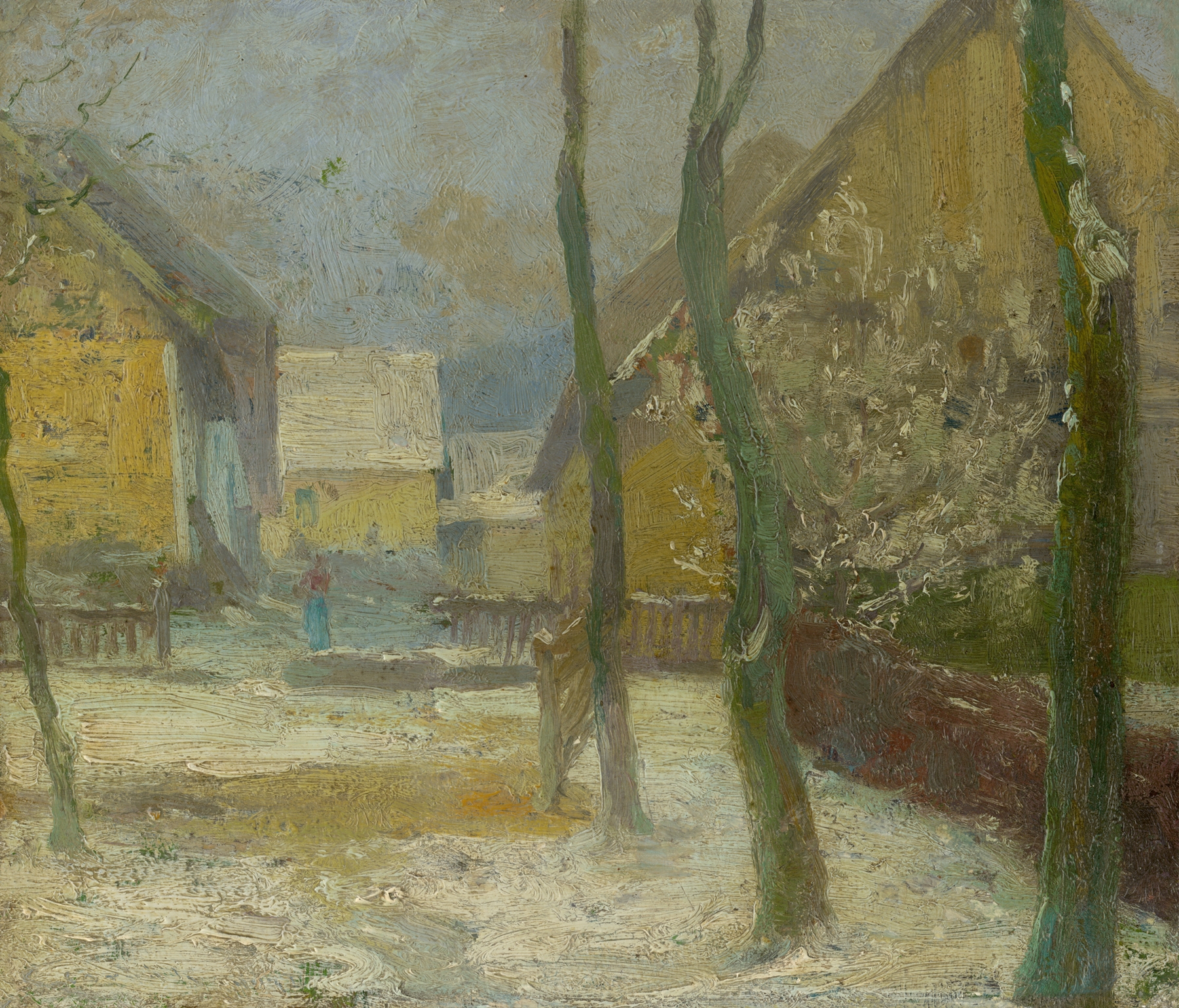
Did the painter know this moment would outlive them? Capturing the dance of nature in a single frame, the artwork invites us to witness the fleeting beauty of a Slovak landscape, where time seems to pause and breathe. Look to the foreground, where rolling hills gently slope, their rich greens and earthy browns weaving together in harmonious rhythm. Notice the way the light filters through the clouds, casting soft shadows that create a dynamic interplay across the canvas.
The brushwork is lively, each stroke suggesting movement and life as the trees sway in an unseen breeze, while the distant mountains stand resolute, anchoring the scene in a tranquil stillness that contrasts with the vibrant vitality of the foreground. In this composition, one can glean multiple layers of meaning. The vibrant colors evoke a sense of optimism and abundance, reflecting the natural beauty of the landscape. Yet, the looming, shadowy mountains in the background hint at the passage of time and the inevitability of change, while the movement depicted in the foreground suggests a cycle of renewal.
This tension between vivid life and solemn permanence speaks to the complexities of nature itself, forever in motion yet eternally grounded. In 1894, Ľudovít Čordák created this piece during a period marked by a growing national consciousness in Slovakia. As the region navigated the tides of political and cultural changes, the artist found solace and inspiration in the landscapes around him. His work reflects not just the beauty of his homeland, but also an emerging identity, as he contributed to a larger movement of artists capturing the essence of their national spirit through nature.