
Een groep van drie ruiters — History & Facts
When did color learn to lie? In the realm of art, hues dance between illusion and truth, capturing the fleeting nature of existence. In the work of Jacob Cornelisz van Oostsanen, the vibrant palette reveals a wrestle with mortality, inviting viewers to confront the transient essence of life. Look to the left at the three horsemen, resplendent in their richly colored garments, each adorned with intricate details that draw the eye. The figures stand in stark contrast against a subtly muted background, emphasizing their presence while the ambient light casts elongated shadows, heightening the sense of drama.
Notice the way the brushstrokes breathe life into the horses, their musculature defined yet tinged with an ethereal quality, suggesting a moment suspended between reality and the afterlife. Delve deeper into the symbolism: the riders may represent not only warriors of the physical realm but also embodiments of time, fate, and the inevitable approach of death. Their postures convey a sense of urgency and determination, yet the subtle tension in their expressions hints at an awareness of their mortality. The lush landscapes surrounding them echo the vibrancy of life, yet they also serve as a reminder of the impermanence that shadows every vibrant moment. Jacob Cornelisz van Oostsanen painted this work in the early 16th century, a time when the Northern Renaissance was flourishing.
Emerging from the cultural richness of Haarlem, the artist found himself at the nexus of artistic innovation, utilizing oil paint to explore new dimensions of color and light. This period saw a burgeoning interest in humanism, and the tension between life and death became a profound focus in the era's artistic expression.
More Artworks by Jacob Cornelisz van Oostsanen
Browse all →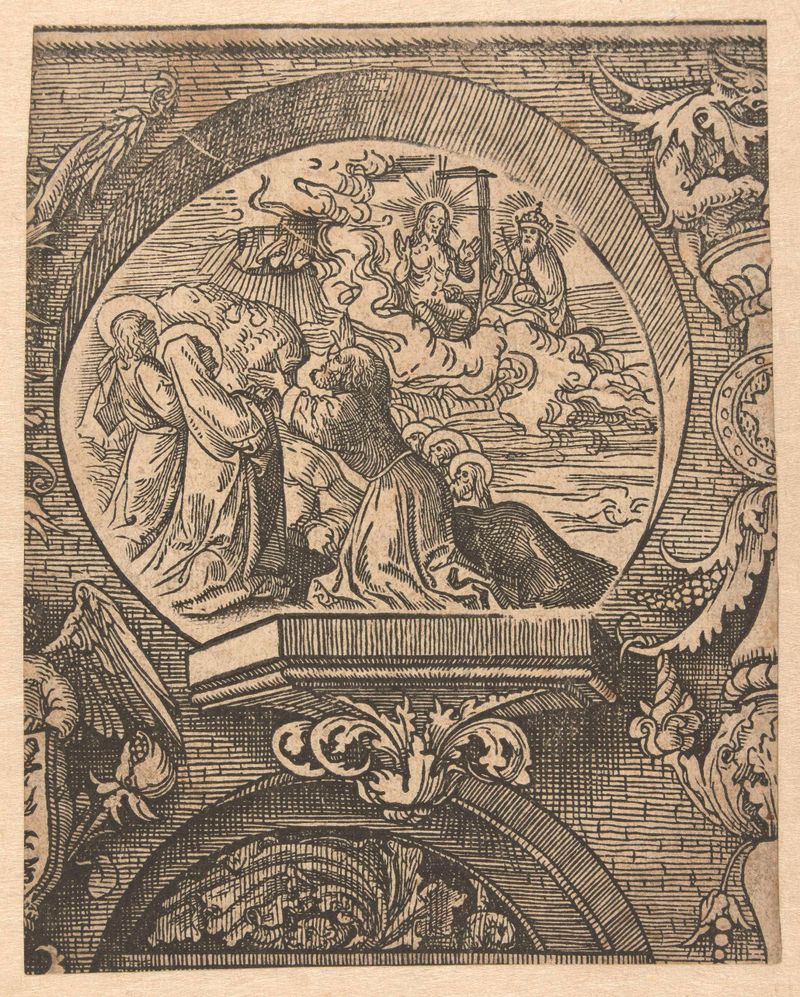
De hemelvaart en Christus voor God de Vader
Jacob Cornelisz van Oostsanen
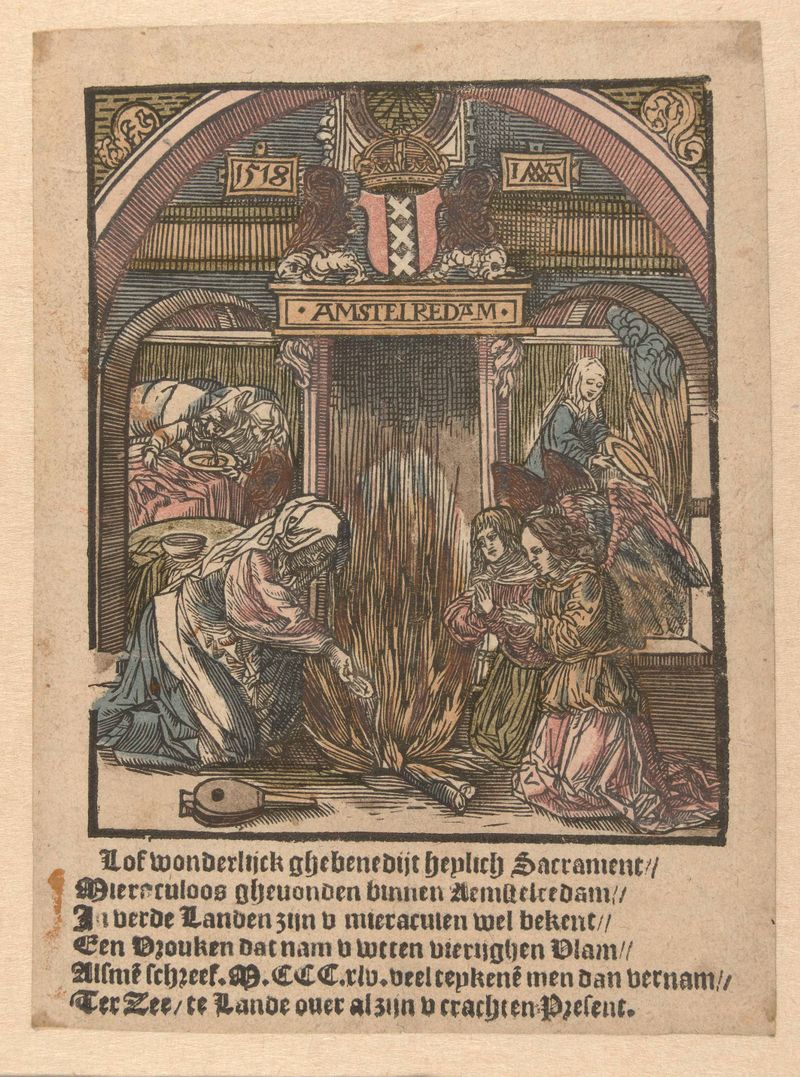
Het hostiewonder van Amsterdam
Jacob Cornelisz van Oostsanen
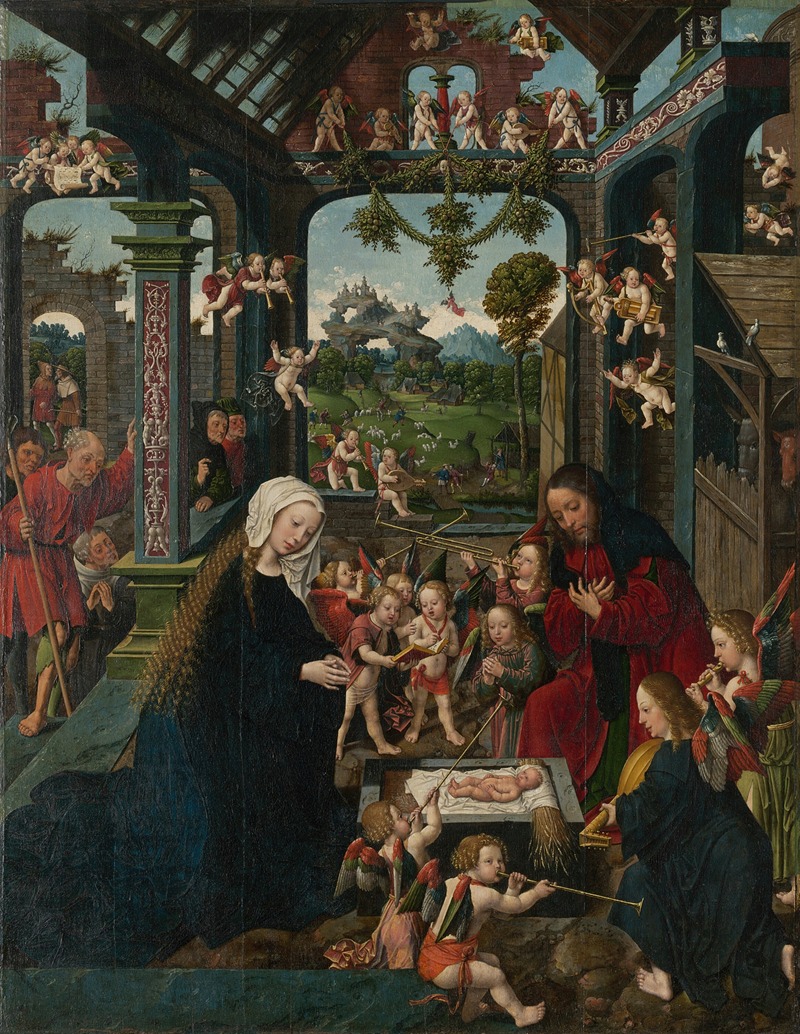
The Adoration of the Christ Child
Jacob Cornelisz van Oostsanen
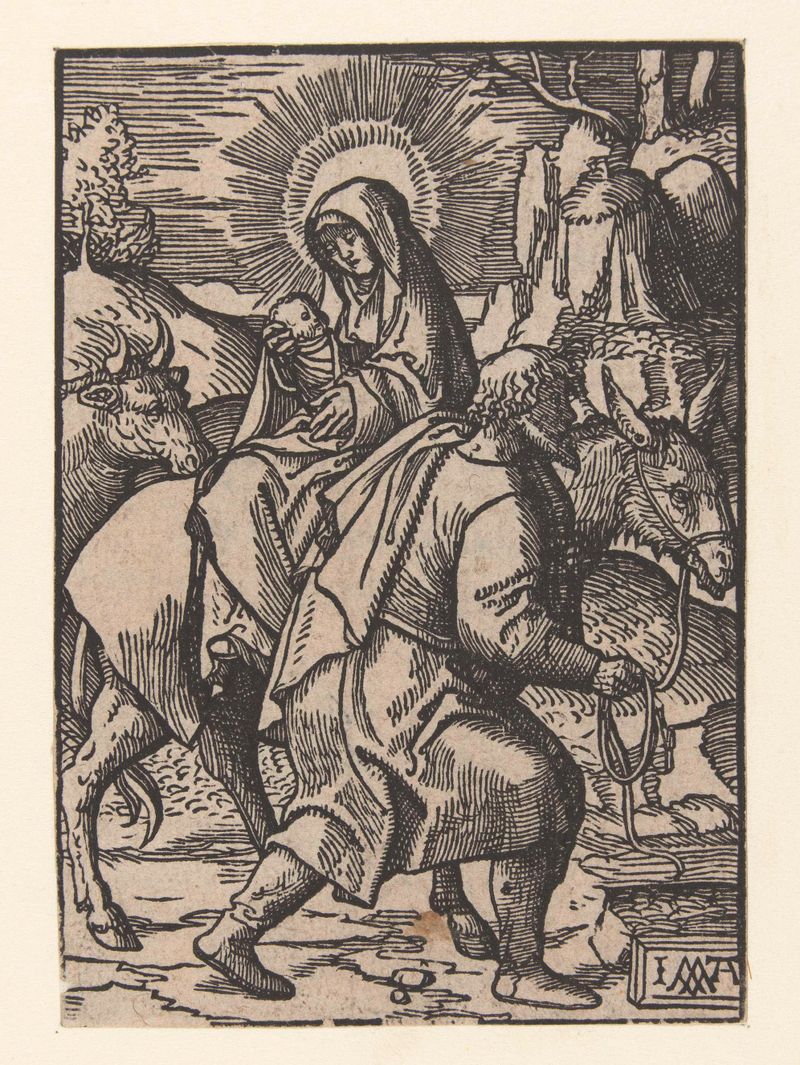
Vlucht naar Egypte
Jacob Cornelisz van Oostsanen
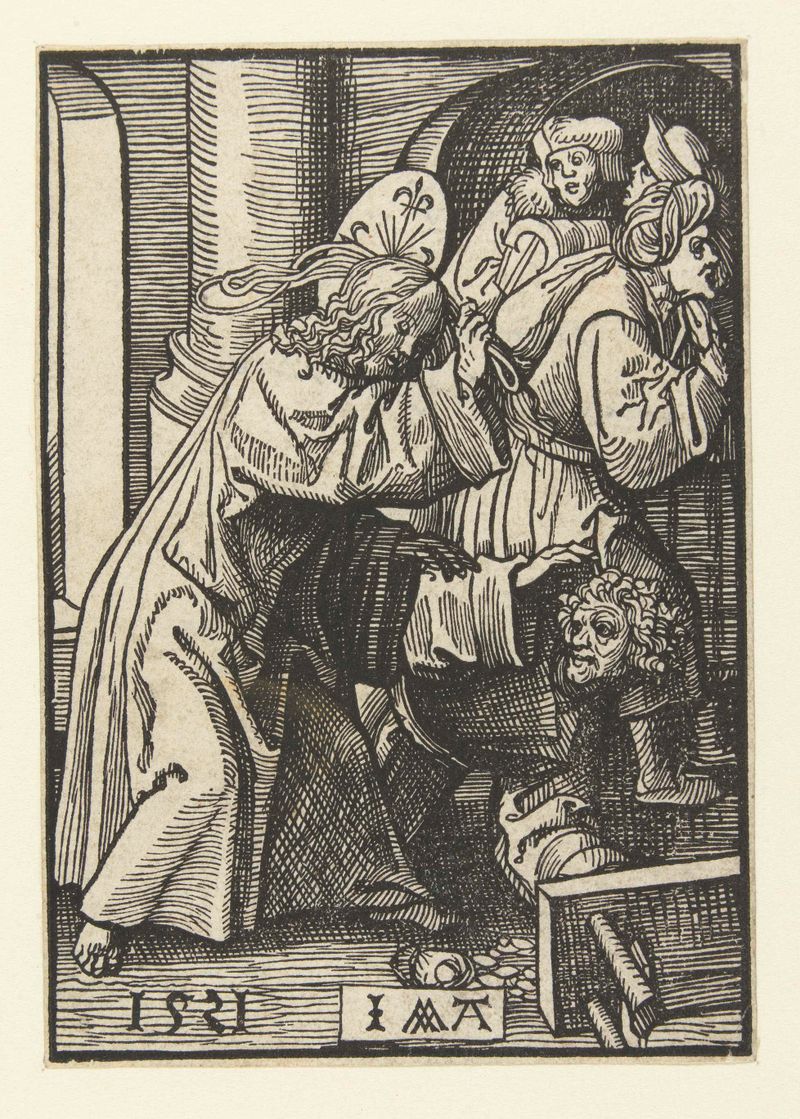
Verdrijving van de handelaren uit de tempel
Jacob Cornelisz van Oostsanen
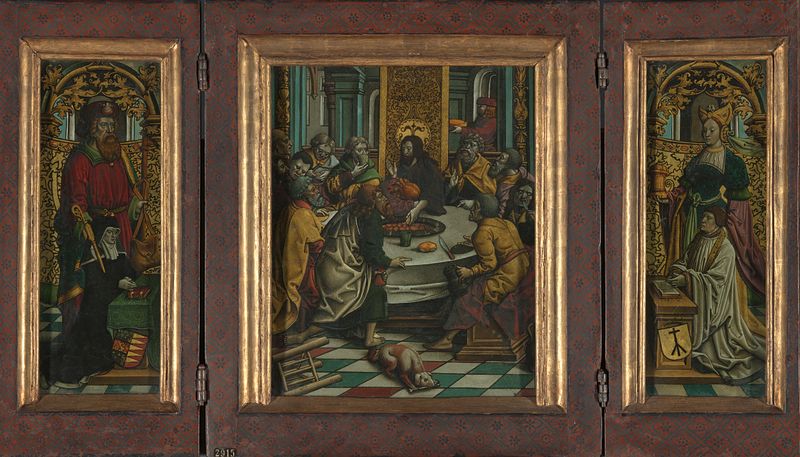
Triptych with the Last Supper and Donors
Jacob Cornelisz van Oostsanen
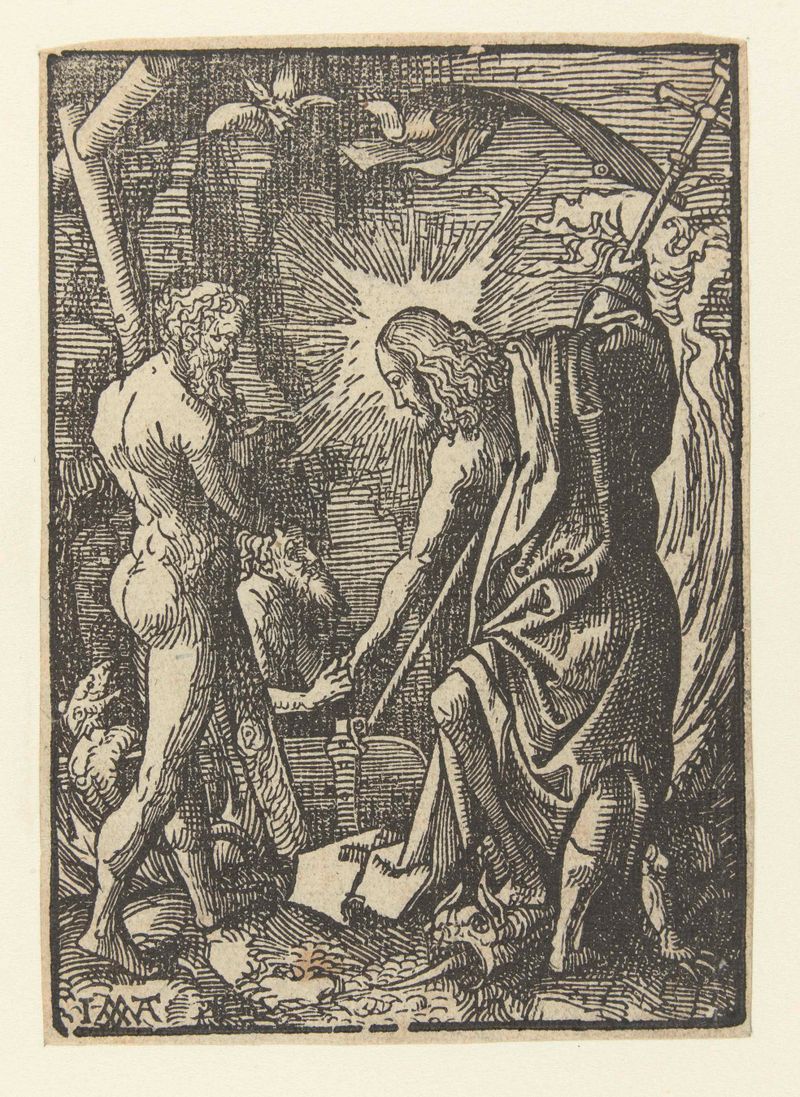
Christus in het voorgeborchte
Jacob Cornelisz van Oostsanen
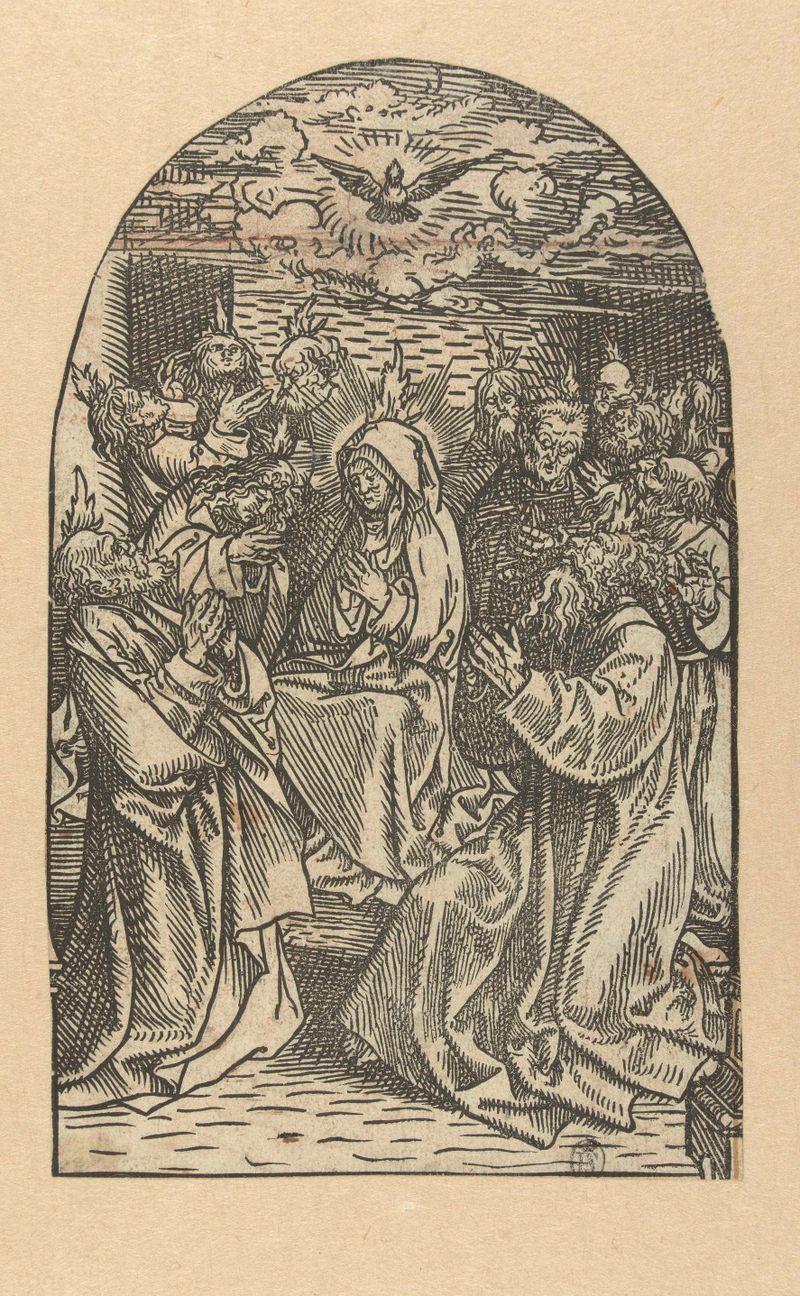
Uitstorting van de Heilige Geest
Jacob Cornelisz van Oostsanen
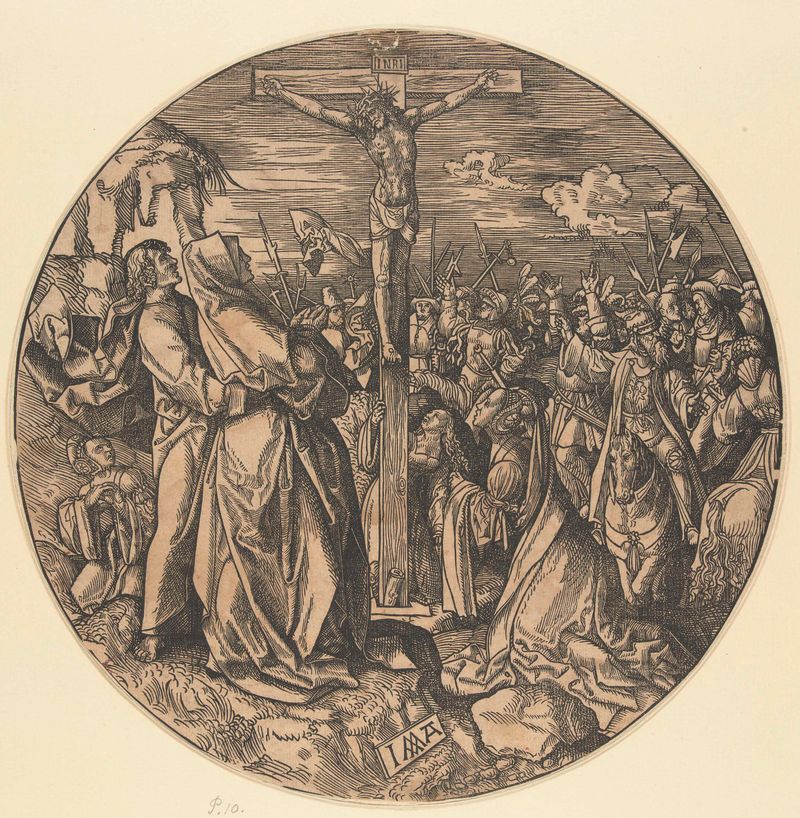
Christus aan het kruis
Jacob Cornelisz van Oostsanen

De kruisiging en de graflegging van Christus
Jacob Cornelisz van Oostsanen
More Historical Art
Browse all →
The Night Watch Militia Company of District II under the Command of Captain Frans Banninck Cocq
Rembrandt van Rijn
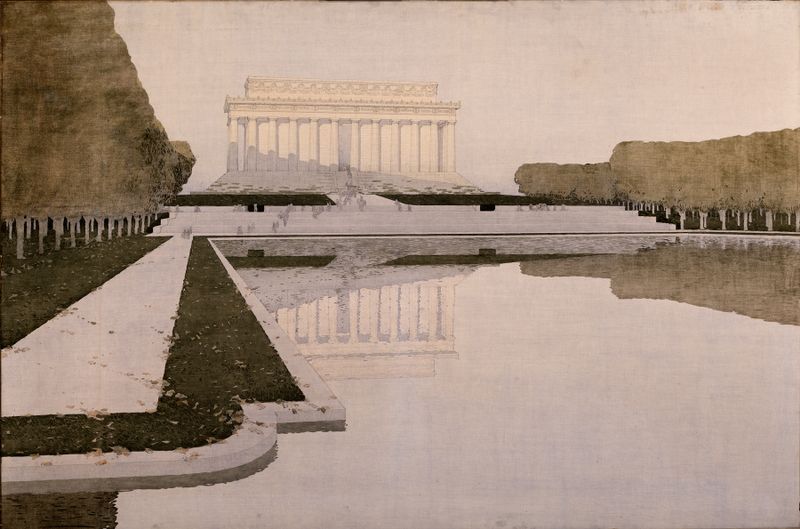
Lincoln Memorial
Henry Bacon
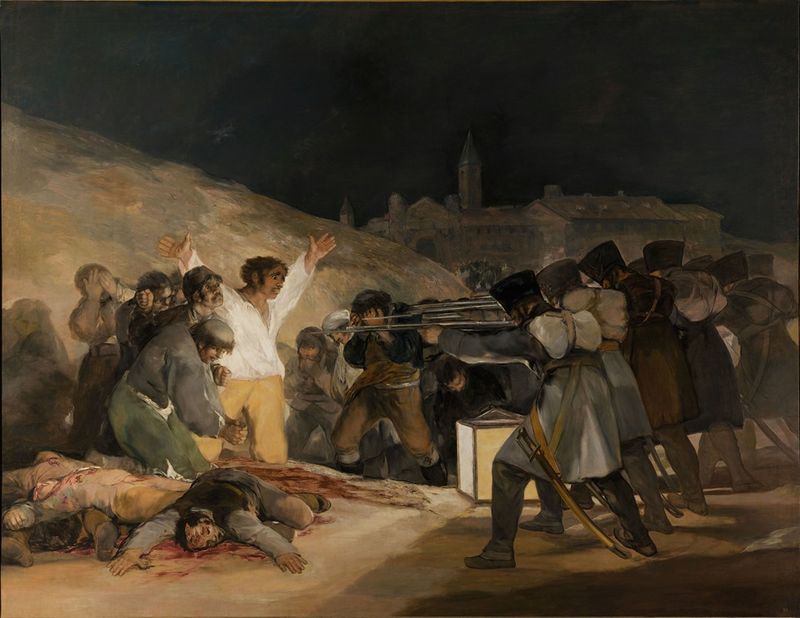
The Third of May 1808
Francisco de Goya

Isaac and Rebecca, Known as ‘The Jewish Bride’
Rembrandt van Rijn
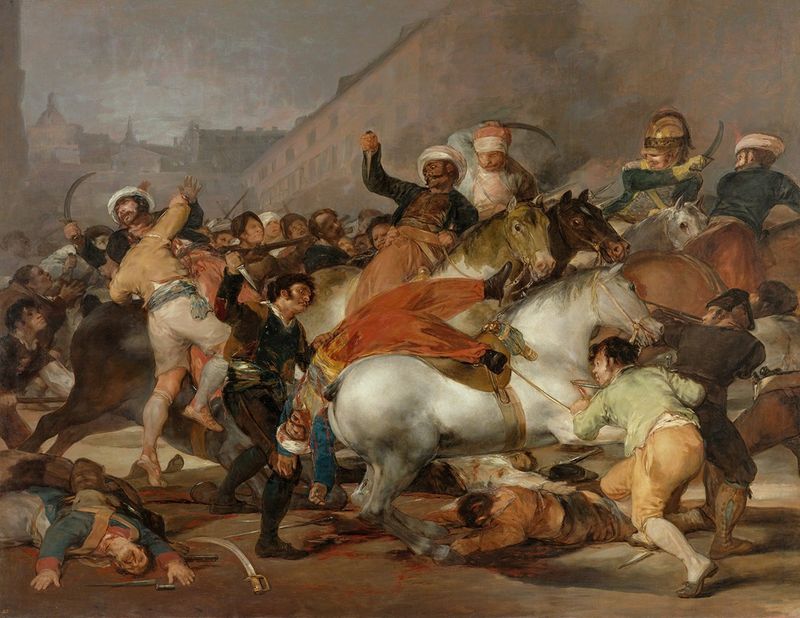
The Charge of the Mamelukes (1814)
Francisco de Goya

De vier ruiters van de apocalyps
Albrecht Dürer