
Eighty and eighteen — History & Facts
The first thing that arrests the eye in Eighty and eighteen is the gulf of years made visible in posture and gaze: an elderly man, absorbed in the simple pleasure of eating, reclines in languid comfort, while a young woman beside him leans away, chin in hand, her eyes fixed on something far beyond the marble terrace and the blue horizon. The tiger skin beneath them signals luxury, but also a kind of theatrical display—an emblem of conquest or exotic taste. Light pours across the scene, sharpening the textures of marble, fur, and translucent fabric, but it cannot bridge the emotional distance between the two figures.
The young woman's lilac gown, cinched with gold, catches the sun and sets her apart from the older man’s earthier palette, drawing our attention to her pensive, almost restless presence. Painted in 1898 by John William Godward, this work belongs to the late flowering of Victorian Neoclassicism, a genre that delighted in imagined scenes of ancient leisure and beauty. Such paintings were often commissioned by wealthy patrons eager to display taste and refinement, filling their homes with visions of a lost world filtered through the lens of nineteenth-century ideals. Godward, like his contemporary Lawrence Alma-Tadema, specialized in marble, sunlight, and the suggestion of silent stories—yet where Alma-Tadema might fill a canvas with bustling life, Godward pares it down to two figures and a silence that speaks volumes.
History has kept few traces of this particular painting beyond its date and its presence in the Dorotheum collection, but its quiet drama invites us to linger, searching for the unspoken words between youth and age, presence and longing.
More Artworks by John William Godward
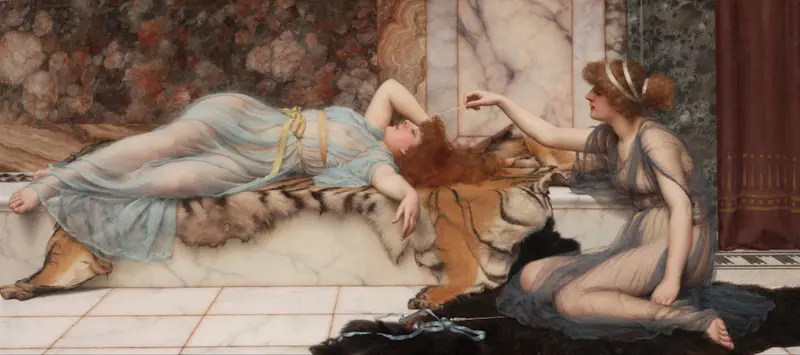
Mischief and Repose
John William Godward
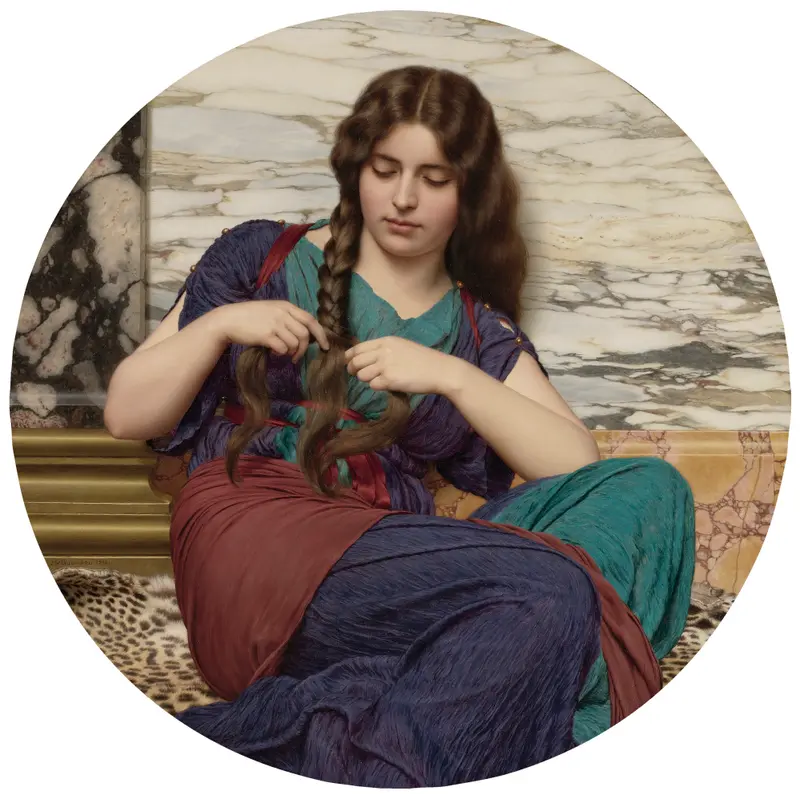
A Congenial Task
John William Godward
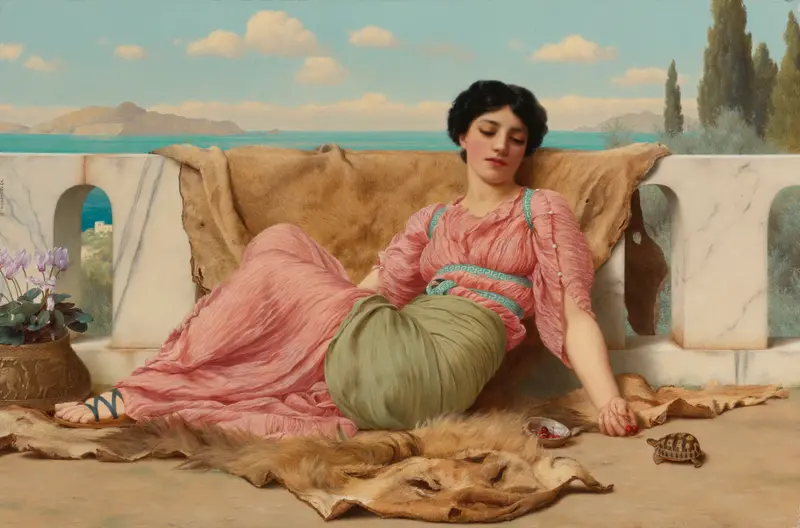
The Quiet Pet
John William Godward
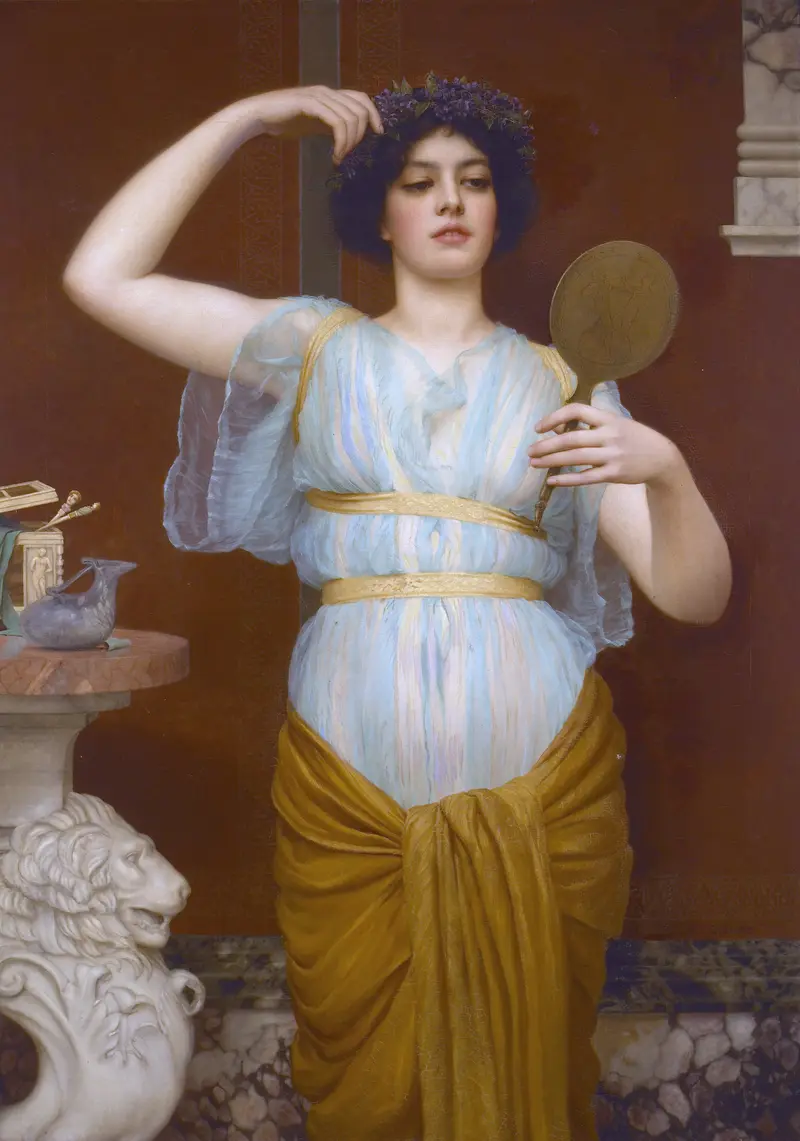
Ione
John William Godward
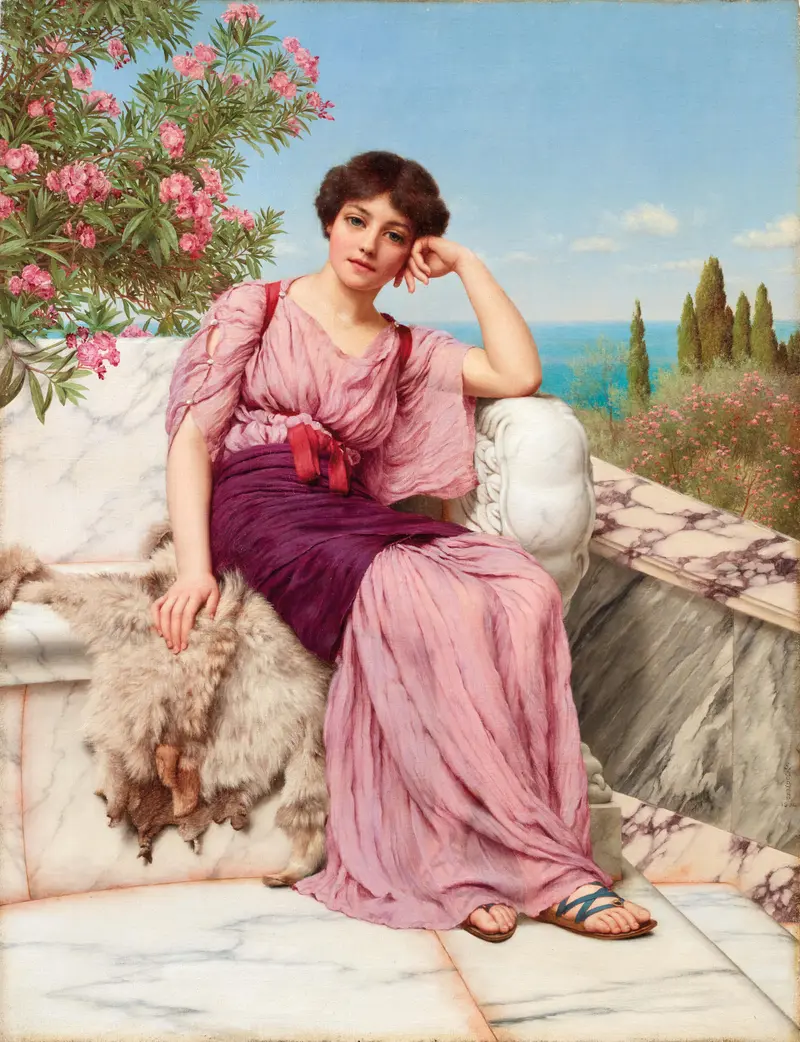
Sweet Dreams
John William Godward
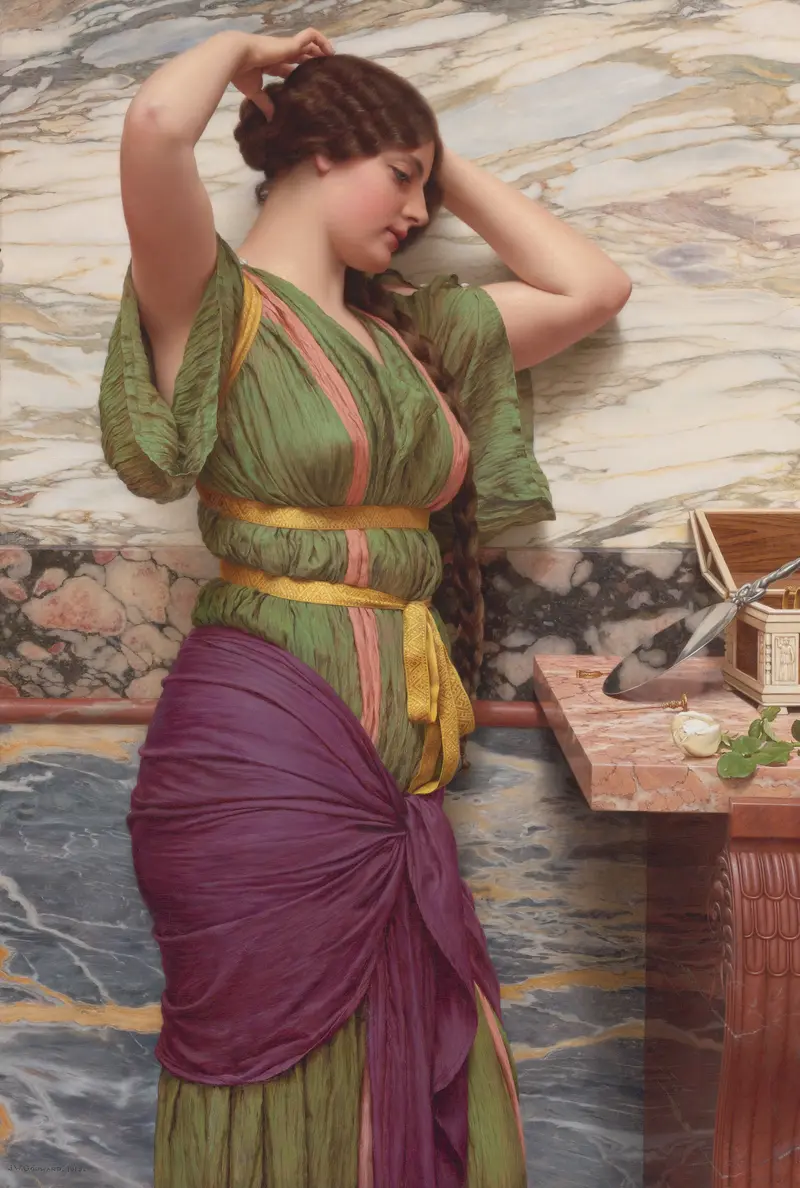
A Fair Reflection
John William Godward
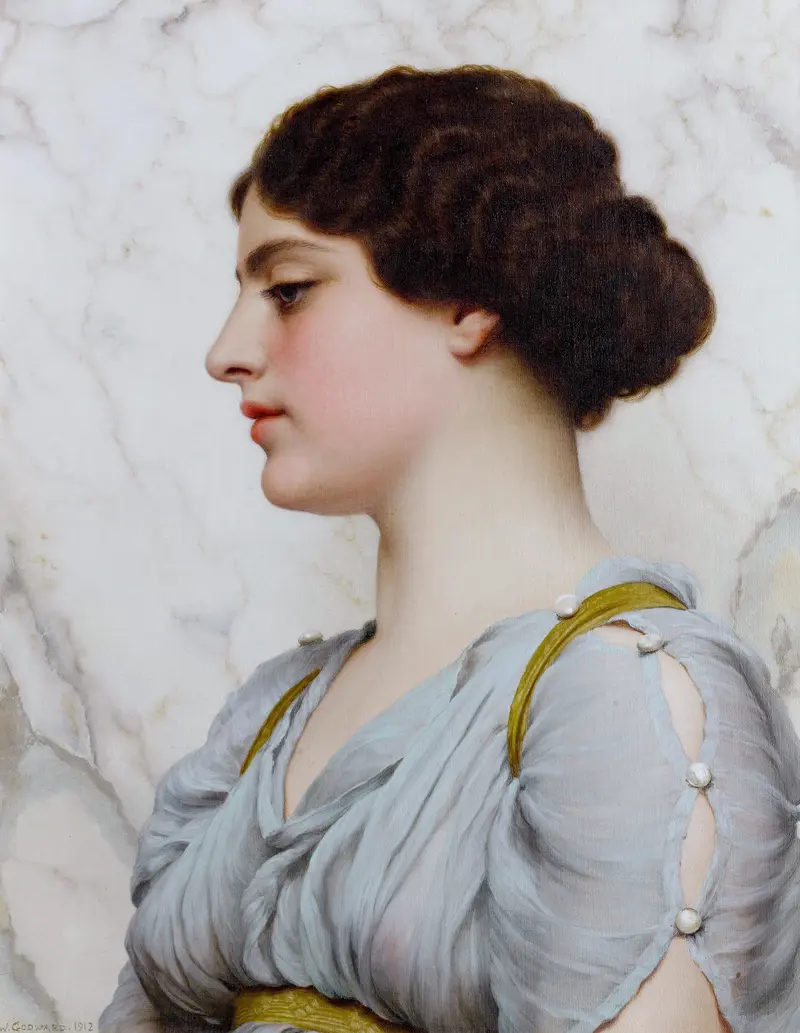
A Roman Beauty
John William Godward
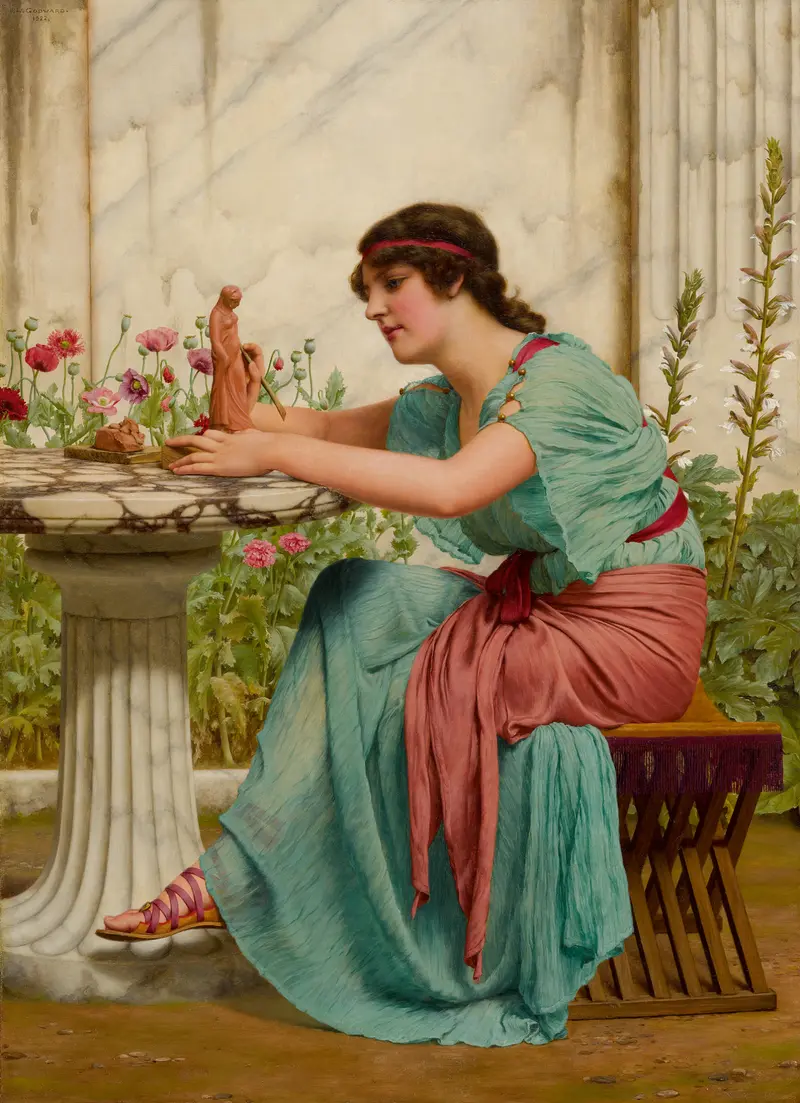
A Dilettante
John William Godward
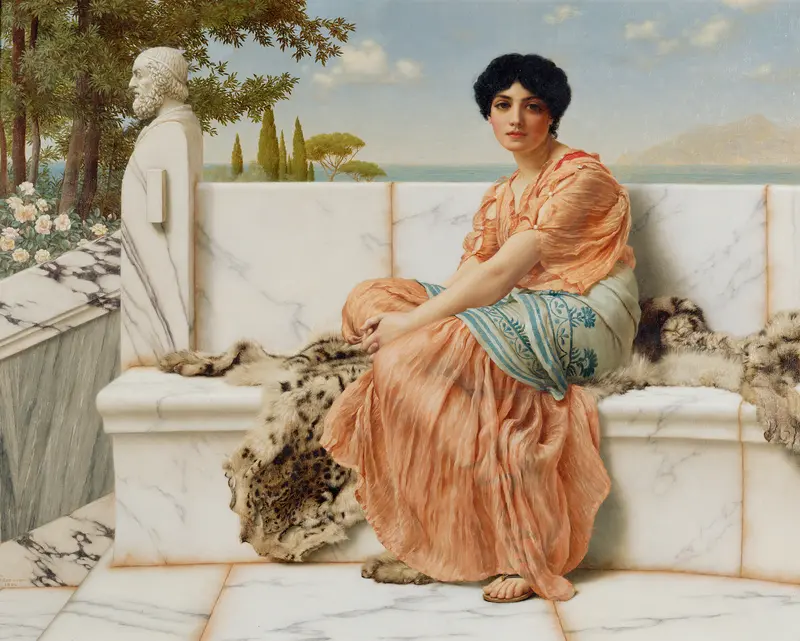
Reverie
John William Godward
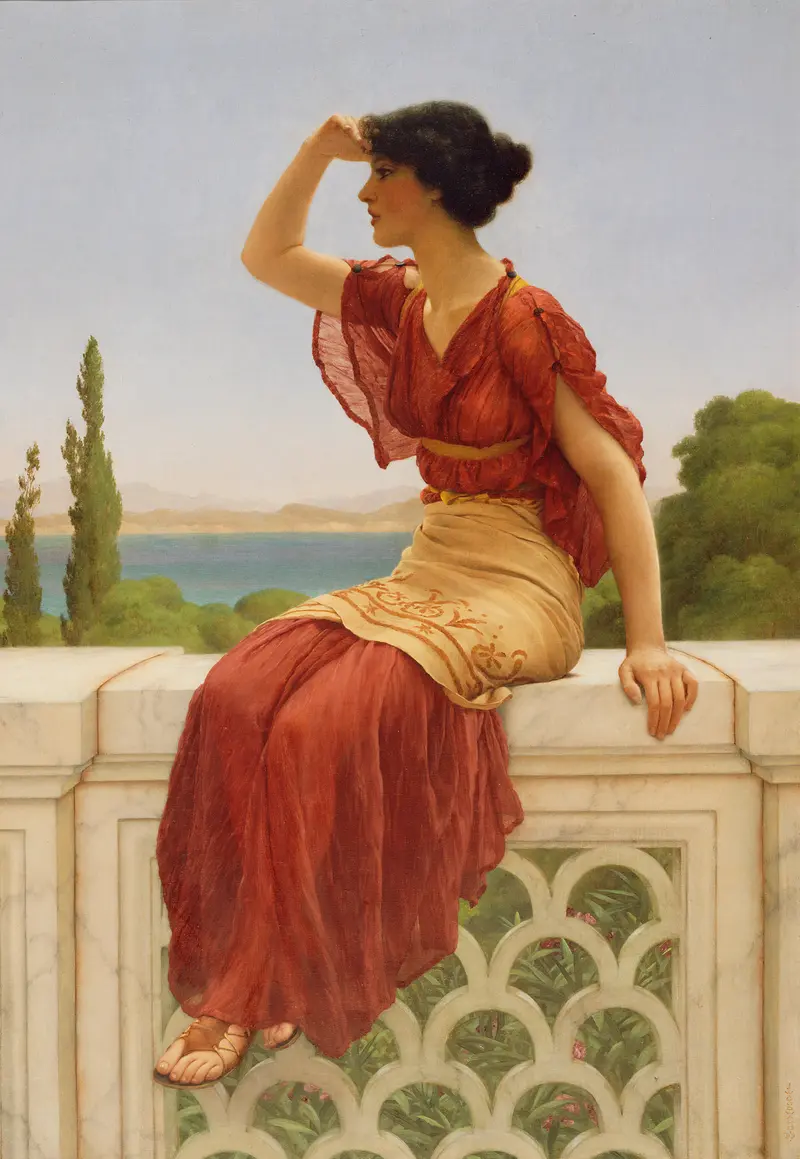
The Signal
John William Godward
More Genre Scene Art

Banquet of the Officers of the St George Civic Guard
Frans Hals

Rembrandt and Saskia in the Scene of the Prodigal Son
Rembrandt van Rijn

Bal du moulin de la Galette
Pierre-Auguste Renoir

Quadrille at the Moulin Rouge
Henri de Toulouse-Lautrec

A Burial at Ornans
Gustave Courbet

When Will You Marry?
Paul Gauguin