
Endymion — History & Facts
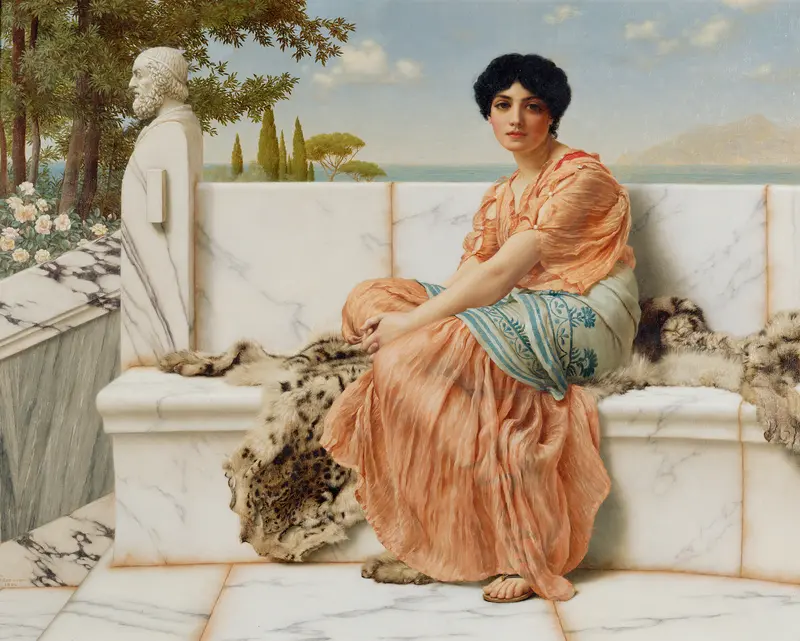
What first draws the eye in Endymion is the hush of perfect stillness: a figure lies in gentle repose, swathed in pale folds and anchored by the deep shadows of fur and cushion. The marble floor and walls, rendered with almost architectural precision, create a cool, timeless setting—yet the warmth of the sleeper’s skin and the soft peach of her sash pull us in close. Every detail feels chosen for quietness: the relaxed hand, the curve of the cheek against the pillow, the way her hairband echoes the marble’s veins.
Light falls from above, catching on fabric and skin, leading the viewer to linger on the serenity of the scene. This is not a moment of action but of suspension, where the world seems to pause around a single, private dream. Painted in 1893, Endymion belongs to the world of late Victorian classicism, when artists like John William Godward found inspiration in the imagined luxury of ancient Greece and Rome. Such works were often commissioned or collected by those who wished to bring a sense of idealized antiquity into their homes, a counterpoint to the industrial modernity outside.
The Art Renewal Center Museum now preserves this piece, a reminder of a moment when the past was filtered through the lens of beauty and calm. In an age of rapid change, paintings like this offered a vision of rest—a dreamscape that still invites us to step quietly closer.
More Artworks by John William Godward

Eighty and eighteen
John William Godward
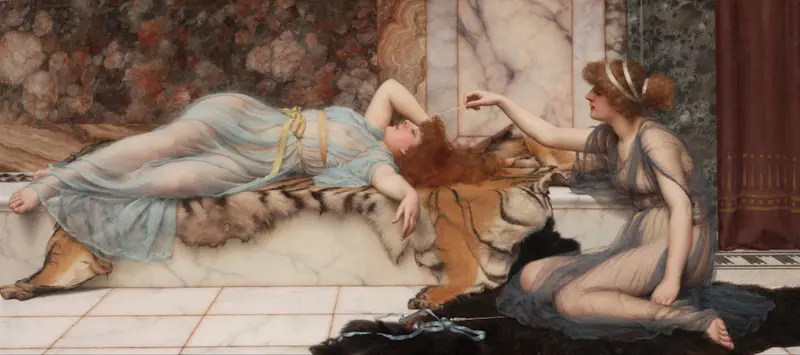
Mischief and Repose
John William Godward
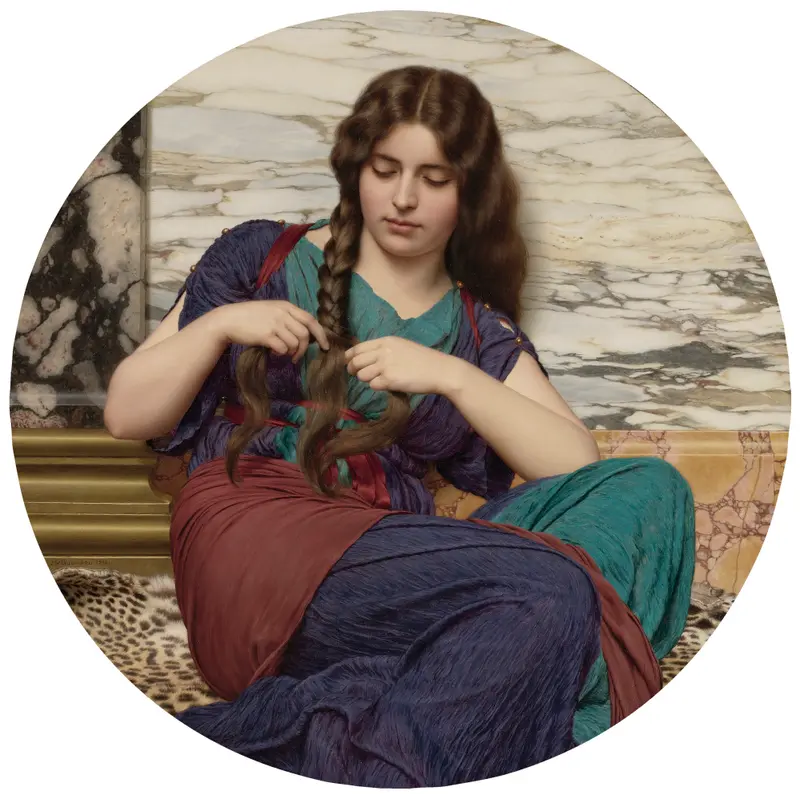
A Congenial Task
John William Godward
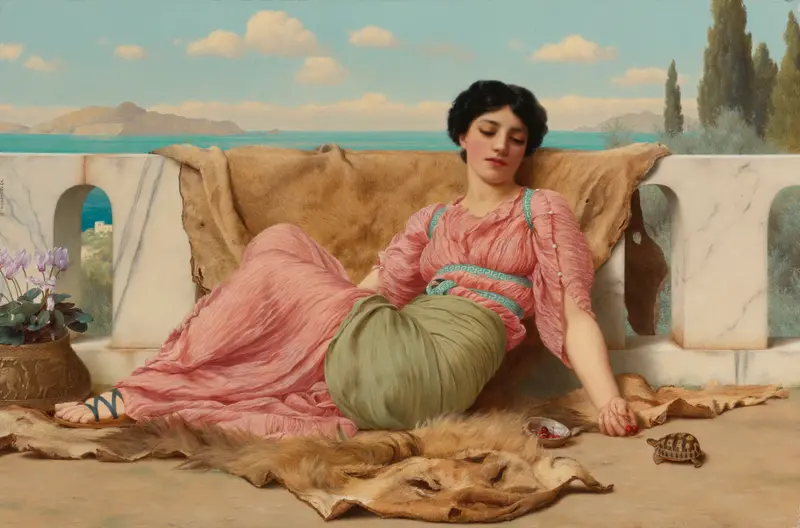
The Quiet Pet
John William Godward
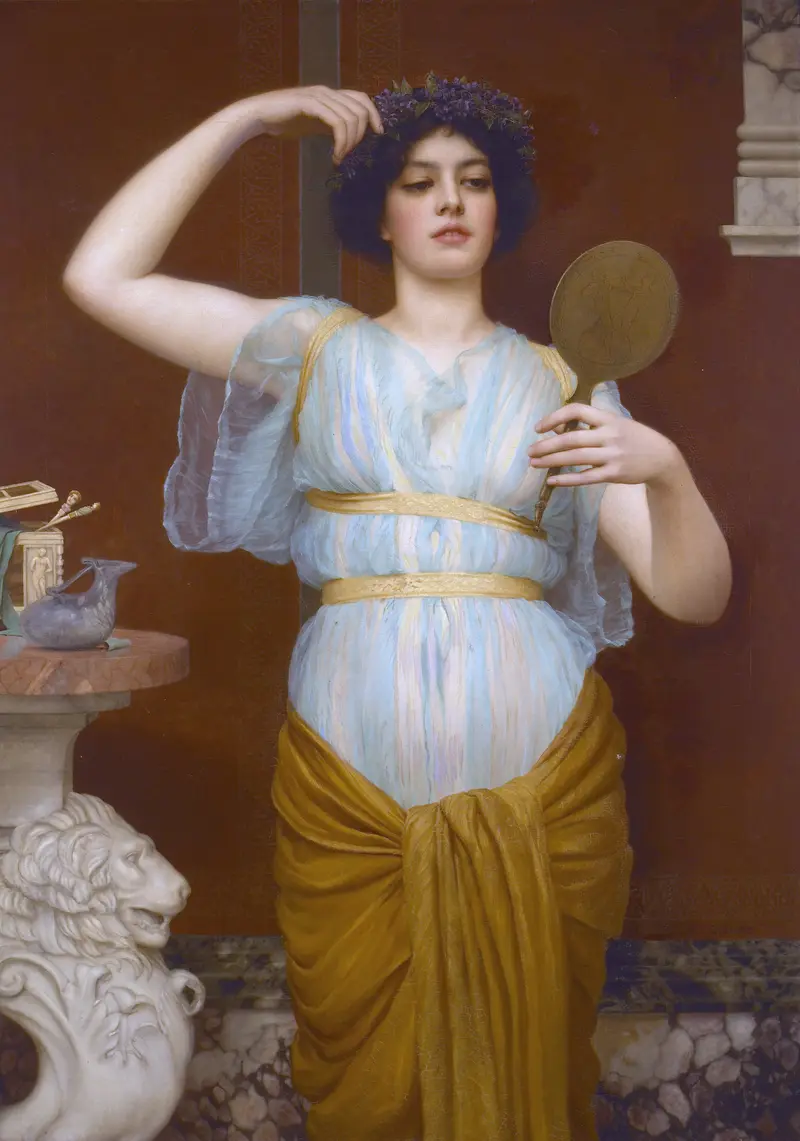
Ione
John William Godward
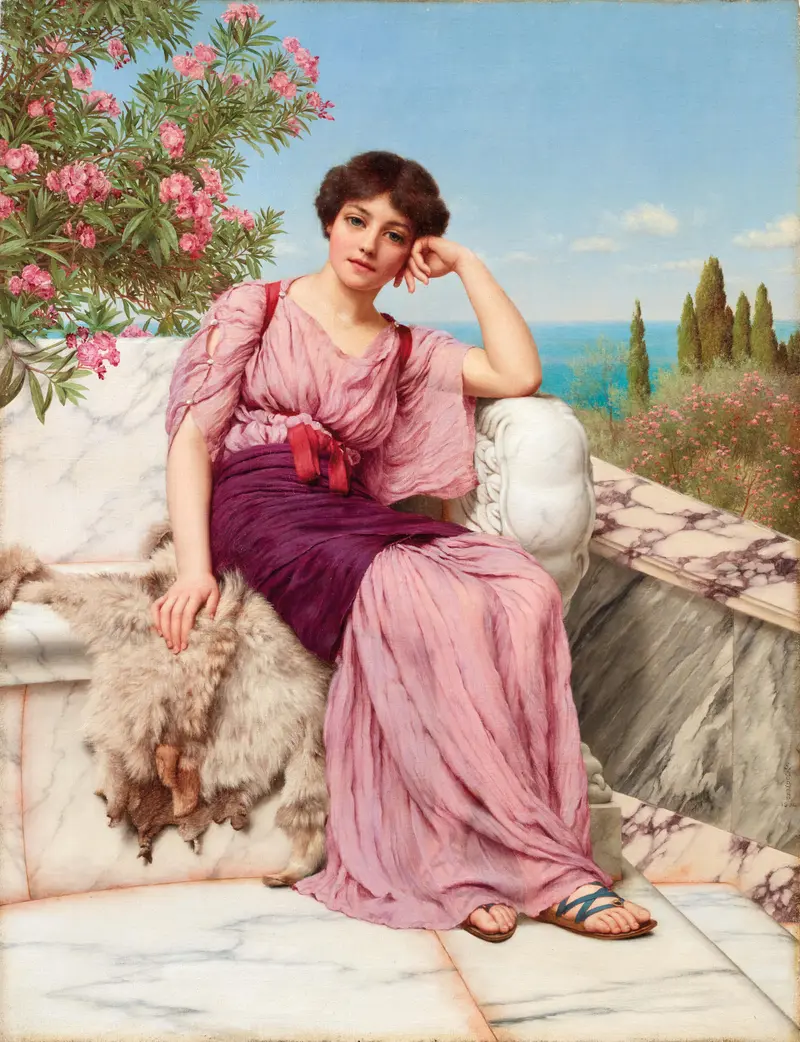
Sweet Dreams
John William Godward
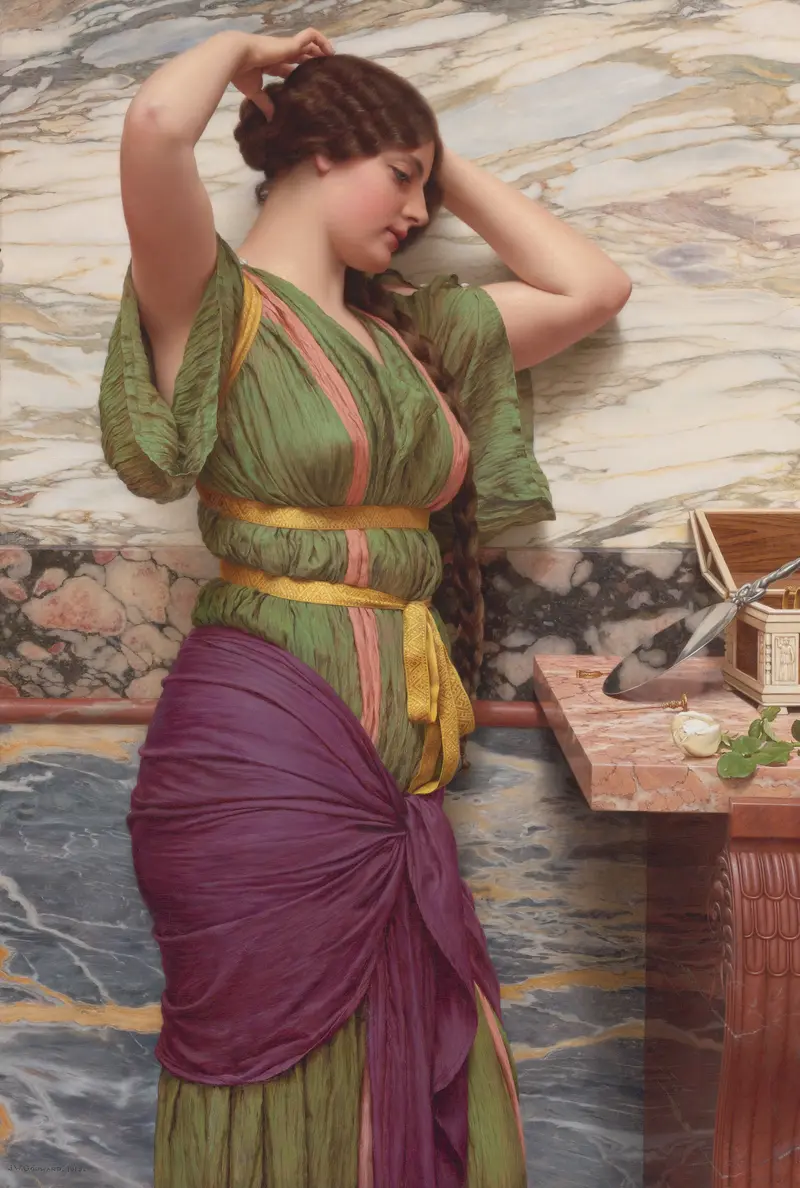
A Fair Reflection
John William Godward
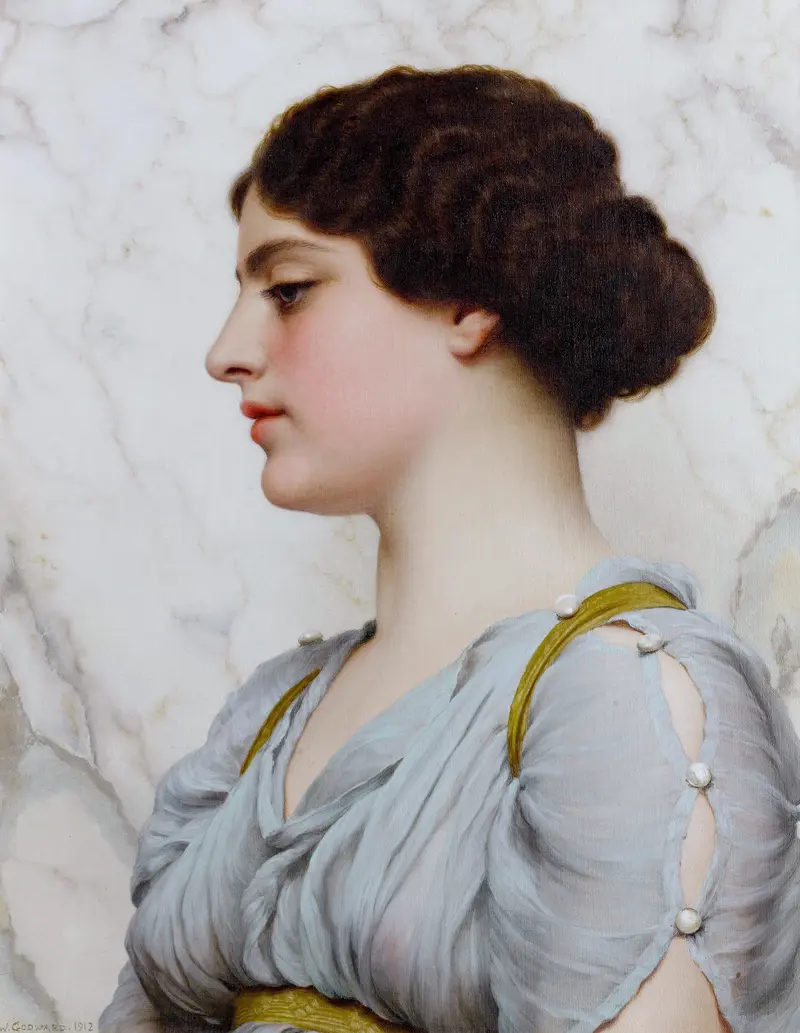
A Roman Beauty
John William Godward
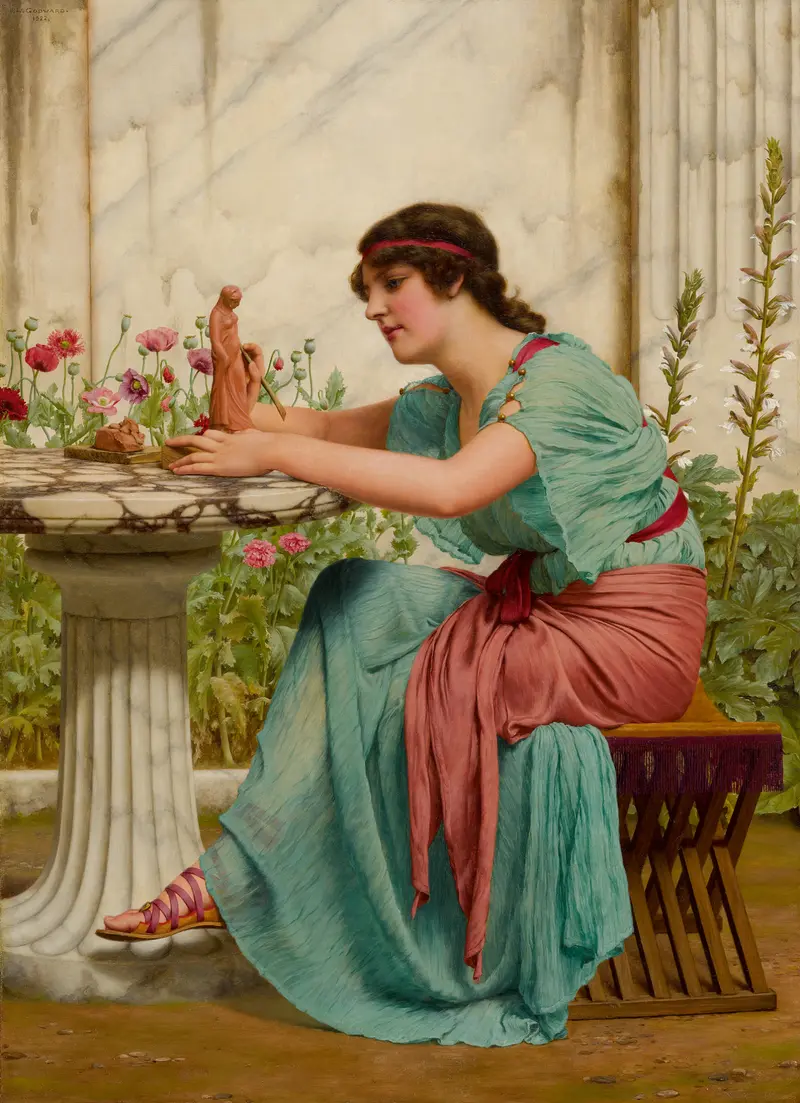
A Dilettante
John William Godward
Reverie
John William Godward





