
Esther vanishing. In seeking to save the Jews from extermination, Esther violated the ban of entering into the Royal Palace. She faints. The king puts his scepter on the breast of his wife as sign of absolution. — History & Facts
What immediately seizes the eye in Esther vanishing is the swirl of urgent movement around a single, collapsing figure—Esther herself, draped in luminous silks, her body folding under the weight of her own courage. The painter, Jean-François de Troy, chooses the instant of greatest suspense: a court frozen in alarm, the king’s hand extended in a gesture of both command and mercy. The drama is heightened by the theatrical use of light, which cuts through the grand architecture to spotlight Esther’s pale face and the golden rod that touches her breast—a visual shorthand for absolution and royal favor.
Every figure leans in, their postures and gazes drawing the viewer deeper into the tension of the moment, while the opulent fabrics and marble columns set the scene as unmistakably regal and perilous. Created in 1737, this painting belongs to the world of eighteenth-century France, where biblical and historical scenes were favored by both church and crown for their moral lessons and opportunities for spectacle. Works like this were often commissioned to decorate grand interiors, serving as both edification and display of taste and learning. Jean-François de Troy was known for his ability to blend narrative clarity with decorative richness, and here he channels the theatricality and emotional charge that defined much of the era’s history painting.
While little is recorded about the specific journey of this canvas beyond its date and the fact that it was self-photographed for this collection, it stands as a vivid testament to the ambitions and anxieties of its time. The longer you look, the more the painting reveals about the stakes of risk and mercy in a world ruled by spectacle and power.
More Artworks by Jean-François de Troy
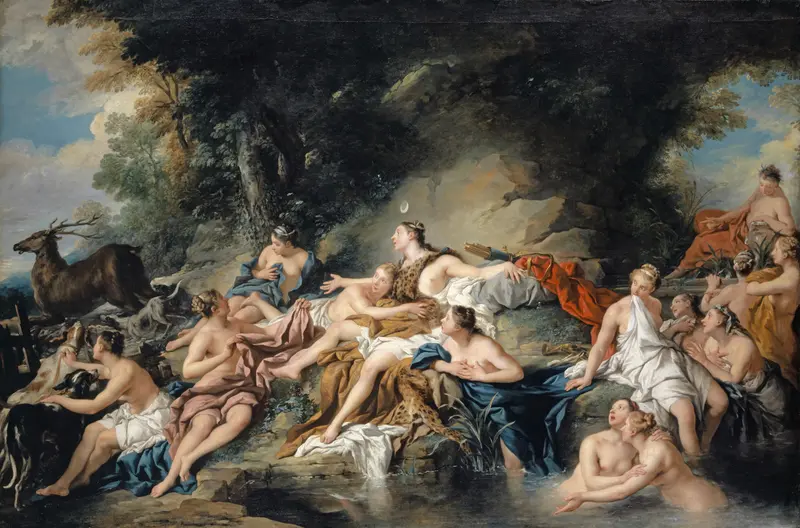
Diana and Actaeon
Jean-François de Troy
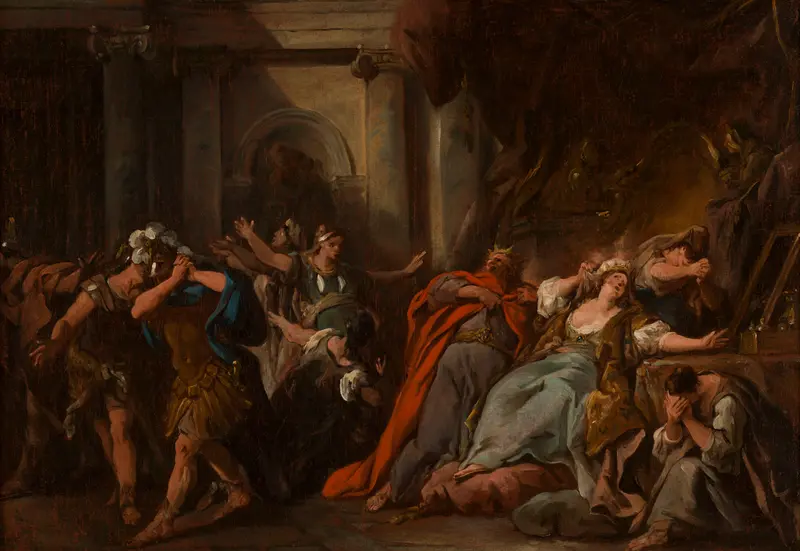
Créüse consumée par la robe empoisonnée
Jean-François de Troy
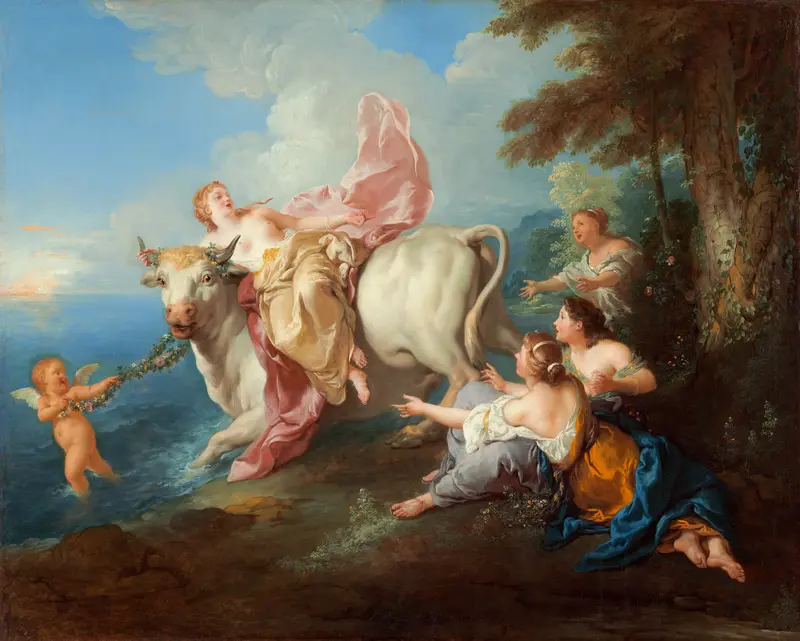
The Abduction of Europa
Jean-François de Troy
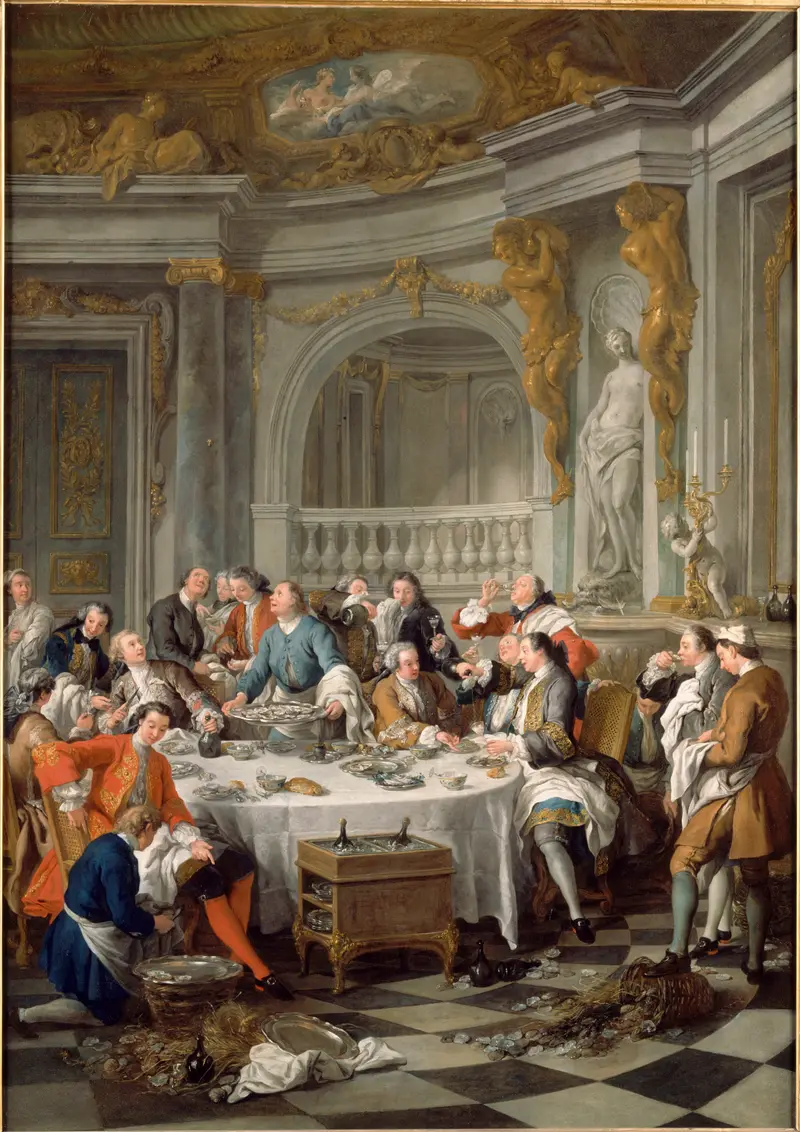
The Lunch of Oysters
Jean-François de Troy
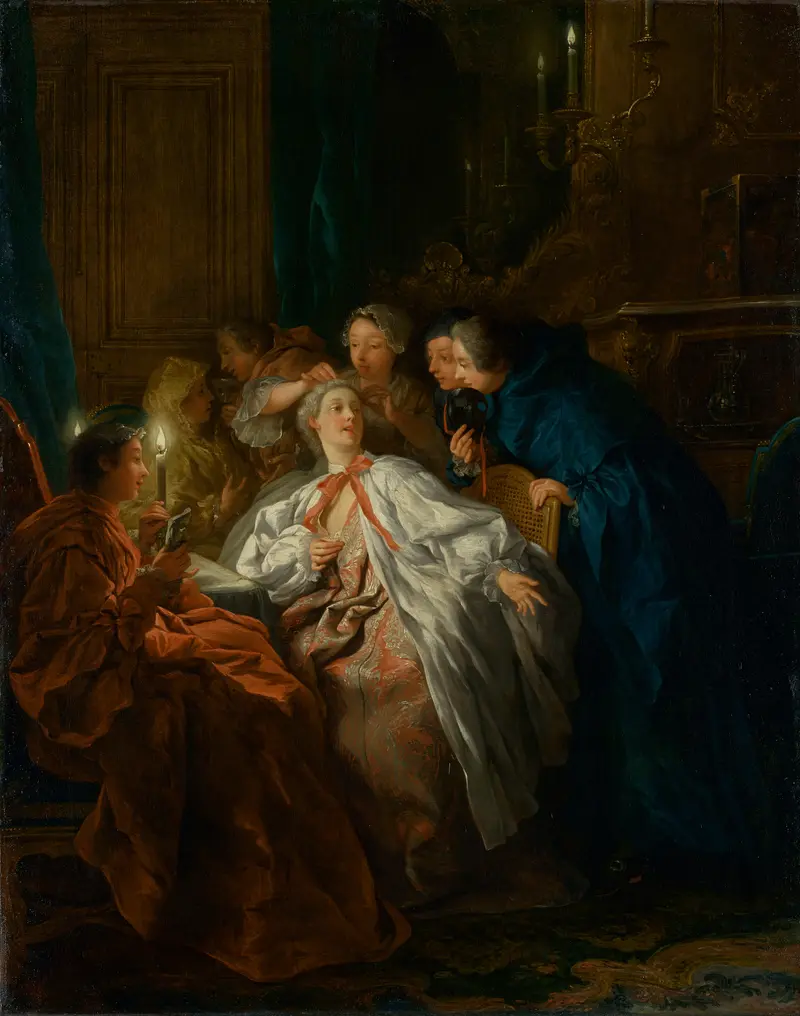
Before the Ball
Jean-François de Troy
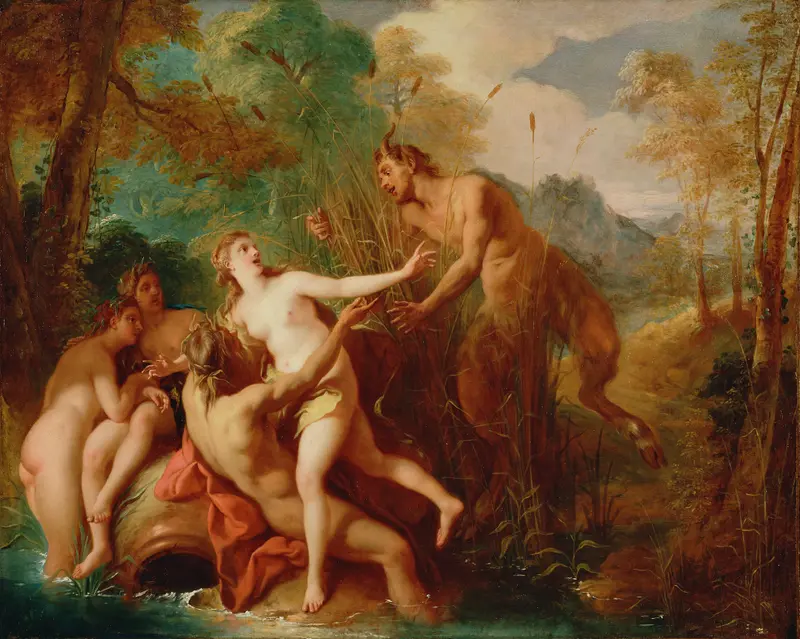
Pan and Syrinx
Jean-François de Troy

Le Combat des soldats nés des dents du serpent
Jean-François de Troy
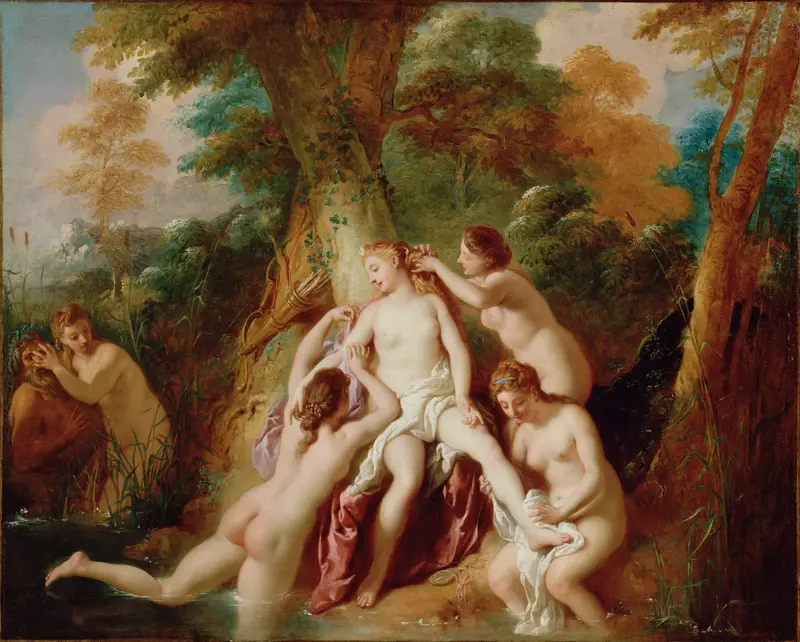
Diana and Her Nymphs Bathing
Jean-François de Troy
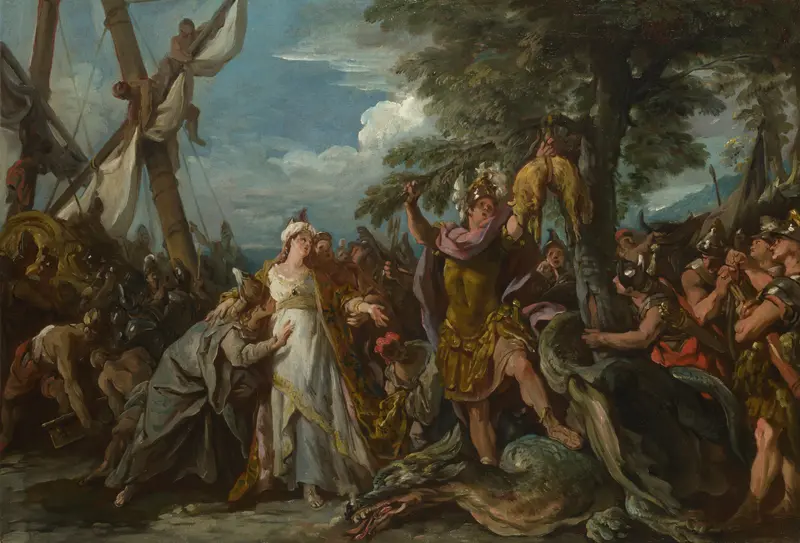
The Capture of the Golden Fleece
Jean-François de Troy
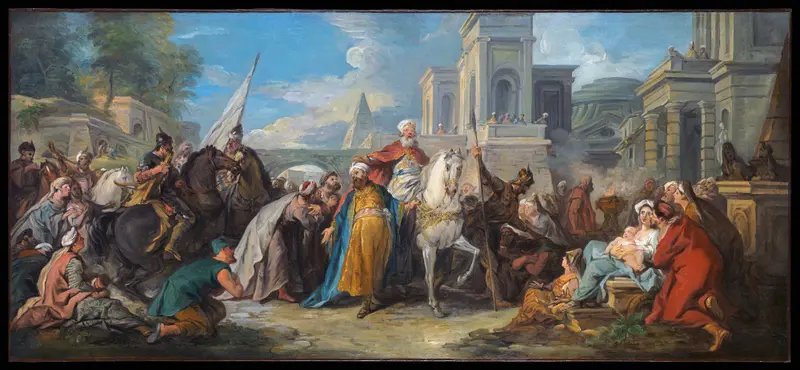
The Triumph of Mordecai
Jean-François de Troy





