
Before the Ball — History & Facts
A hush of anticipation fills the room, as if the very air is holding its breath for the night ahead. At the heart of the scene, a young woman reclines in a chair, her pale silk gown spilling around her in soft, luminous folds, while attendants fuss over her hair and attire. The flicker of a single candle draws your eye to her face, casting dramatic shadows that heighten the sense of secrecy and preparation.
Around her, figures lean in close, their gestures intimate: a whisper, a touch, a glance exchanged. The painter uses light not only to model the textures of fabric and skin, but to create a private world, cut off from the darkened corners of the room, where only those invited may linger. This is the world of eighteenth-century France, where the ritual of dressing for a ball was as laden with meaning as the event itself. In the era of Jean-François de Troy, scenes like this—elegant, candlelit, brimming with expectation—were painted for a clientele hungry for glimpses into the pleasures and intrigues of aristocratic life.
Created in 1735, and now in the collection of the J. Paul Getty Museum, Before the Ball is a window onto a society that prized ceremony, wit, and the artful construction of appearances. History has kept few traces of the individuals who inspired such images, but the painting’s glow invites us to imagine ourselves among them, poised on the threshold of festivity.
More Artworks by Jean-François de Troy
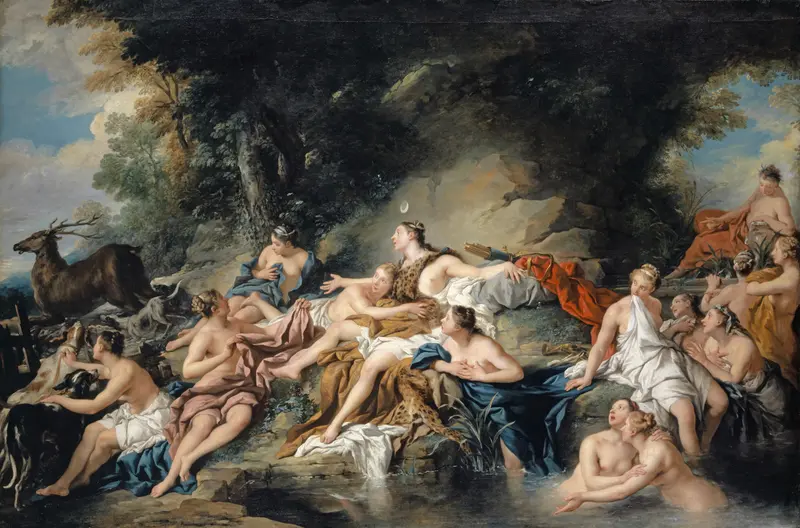
Diana and Actaeon
Jean-François de Troy
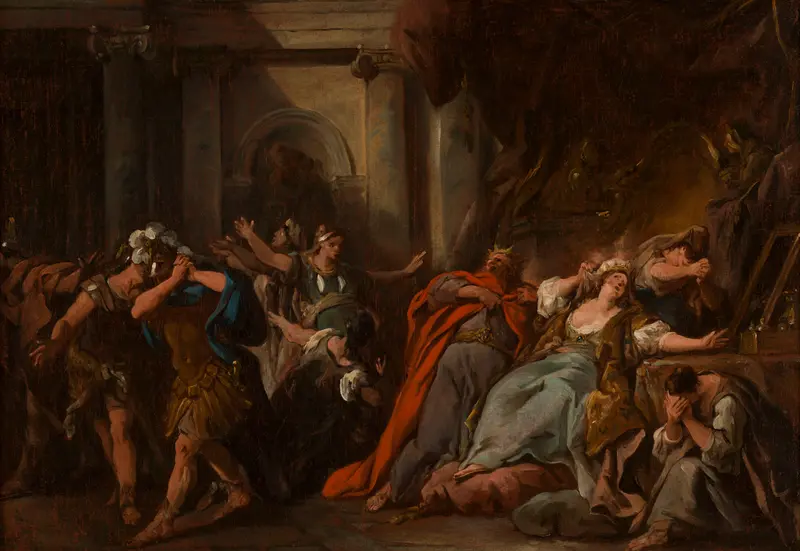
Créüse consumée par la robe empoisonnée
Jean-François de Troy
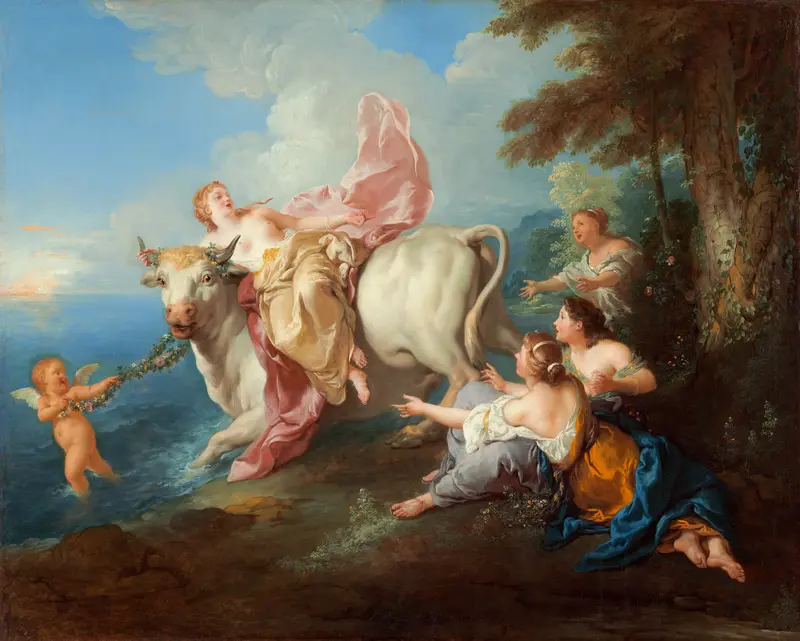
The Abduction of Europa
Jean-François de Troy
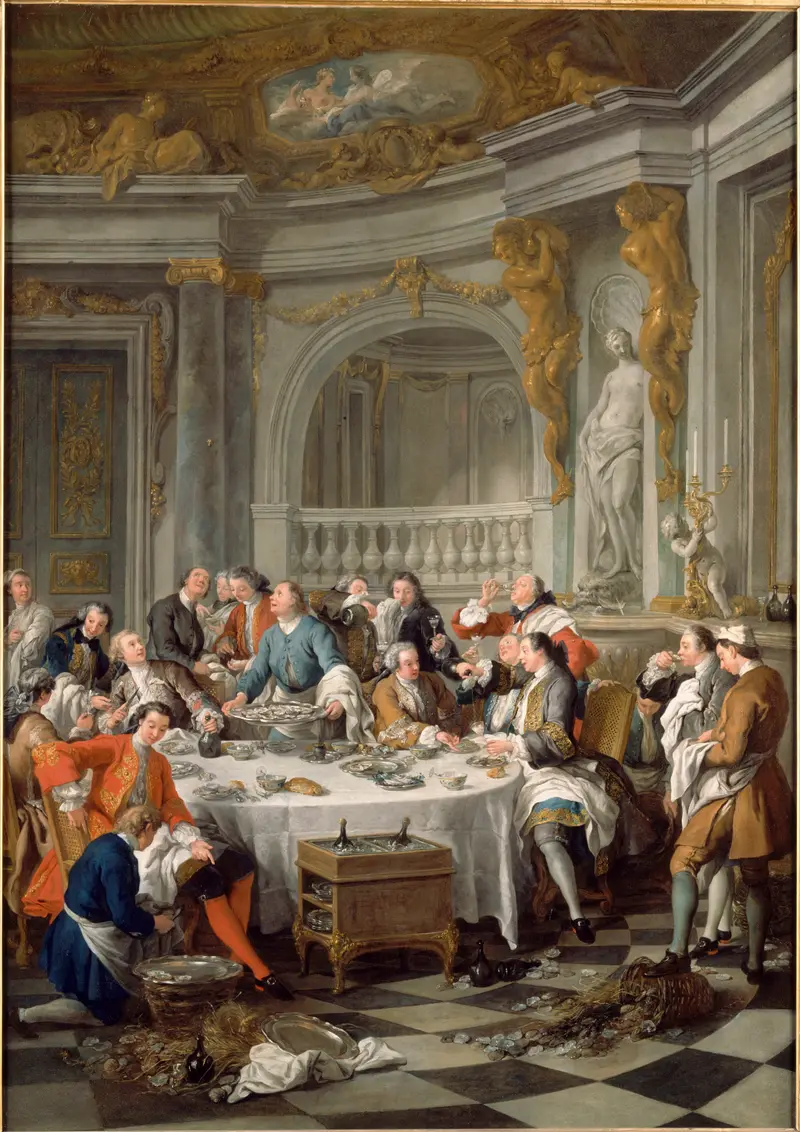
The Lunch of Oysters
Jean-François de Troy
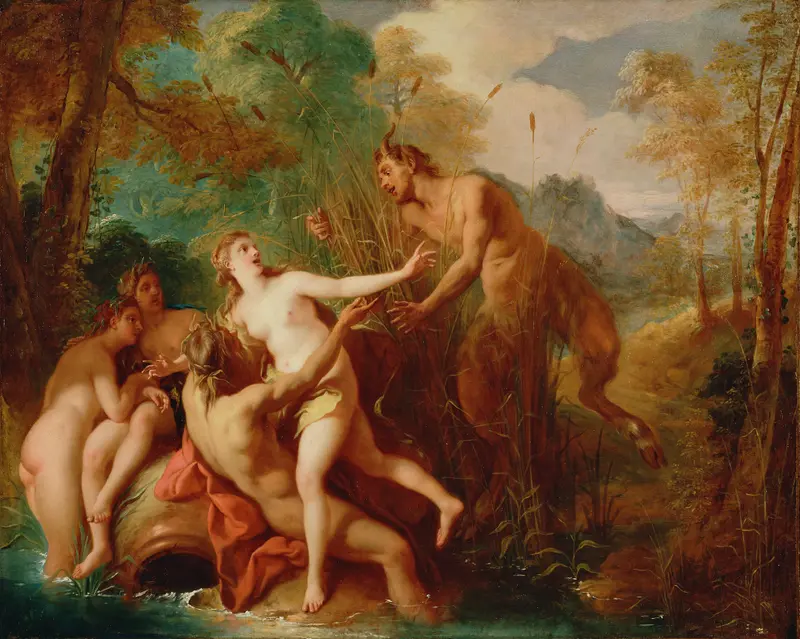
Pan and Syrinx
Jean-François de Troy

Le Combat des soldats nés des dents du serpent
Jean-François de Troy
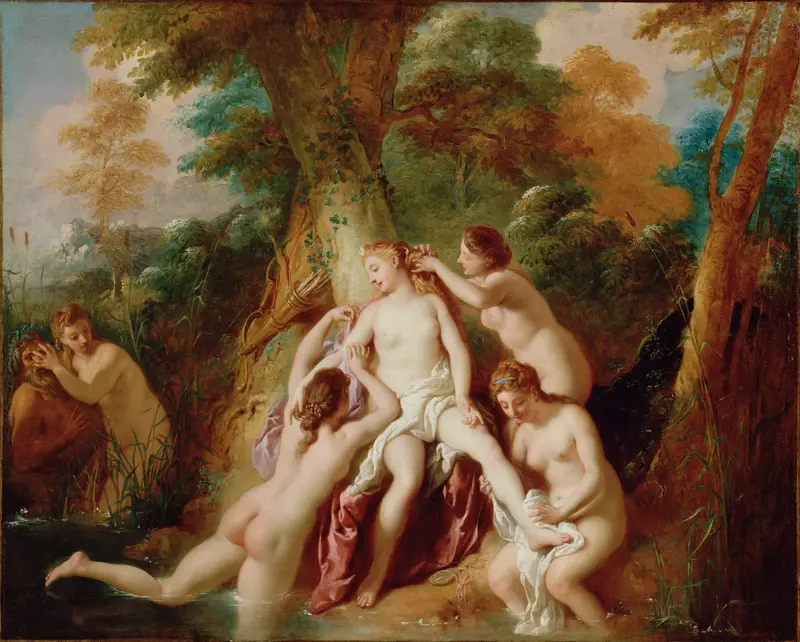
Diana and Her Nymphs Bathing
Jean-François de Troy
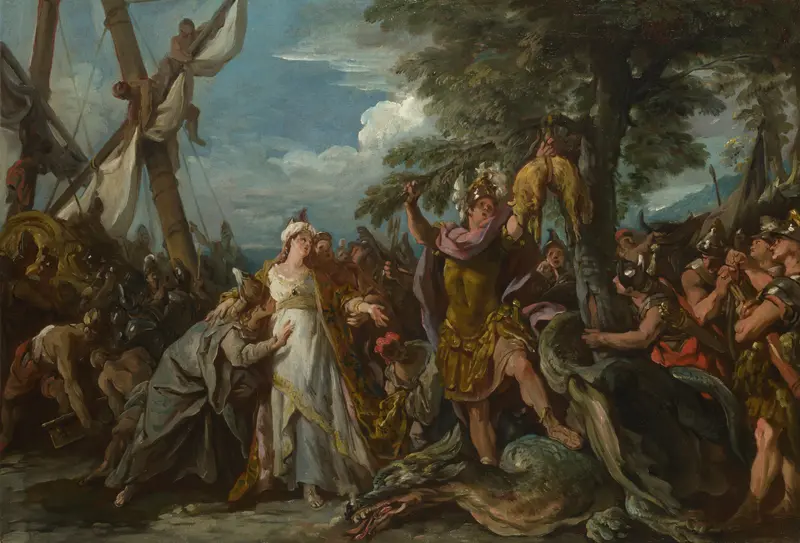
The Capture of the Golden Fleece
Jean-François de Troy
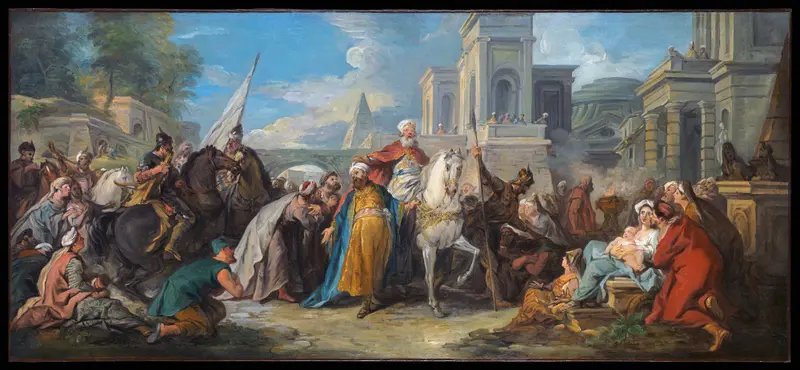
The Triumph of Mordecai
Jean-François de Troy
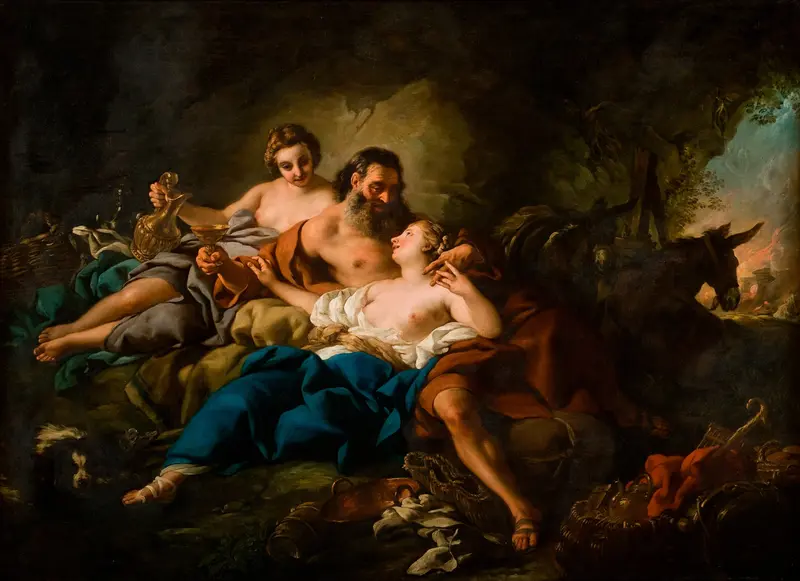
Lot and His Daughters
Jean-François de Troy
More Genre Scene Art

Banquet of the Officers of the St George Civic Guard
Frans Hals

Rembrandt and Saskia in the Scene of the Prodigal Son
Rembrandt van Rijn

Bal du moulin de la Galette
Pierre-Auguste Renoir

Quadrille at the Moulin Rouge
Henri de Toulouse-Lautrec

A Burial at Ornans
Gustave Courbet

When Will You Marry?
Paul Gauguin