
Créüse consumée par la robe empoisonnée — History & Facts
A single figure dominates the chaos: a woman, crowned and resplendent in pale blue and gold, collapses backward, her body contorted in agony as attendants recoil in horror. The drama is immediate and physical—arms thrown up, faces buried, a king recoiling in helplessness—each gesture radiating outward from the suffering queen. The painter’s brushwork is urgent, almost feverish, with broad, animated strokes that amplify the sense of panic.
Light falls harshly on the central figure, isolating her from the darker tumult around her and drawing the viewer’s eye to the poisoned garment that is both her crown and her undoing. The palette is rich but bruised, with deep shadows and flashes of ochre and crimson that heighten the violence of the moment. Created between 1742 and 1743, this work by Jean-François de Troy belongs to the grand tradition of eighteenth-century French history painting, where myth and legend were staged with operatic intensity for elite audiences. Such paintings were often commissioned to decorate salons or royal apartments, their stories chosen for their moral or emotional charge.
In this world, the painter’s task was to freeze the most charged instant of a well-known tale, inviting viewers to marvel at both the painter’s invention and the characters’ fate. Today, the painting resides in the collections of Paris Musées, a testament to an age when storytelling, spectacle, and technical bravura were inseparable. The longer you look, the more the painting’s fevered energy seems to spill out into the room.
More Artworks by Jean-François de Troy
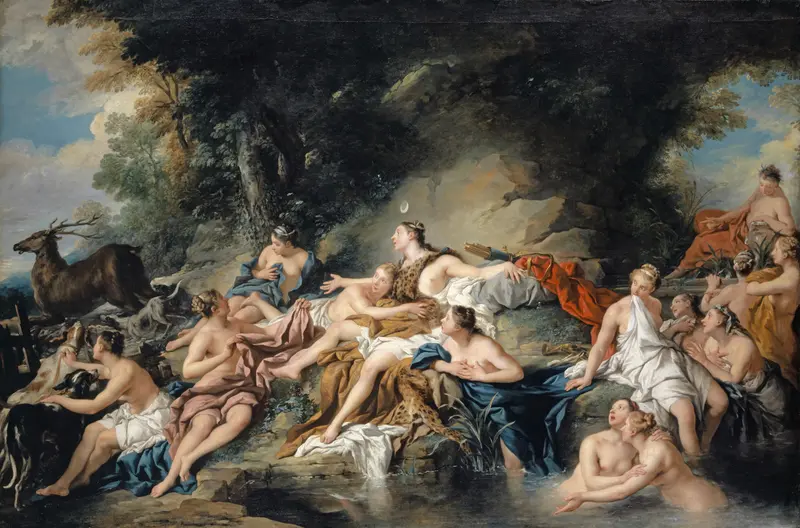
Diana and Actaeon
Jean-François de Troy
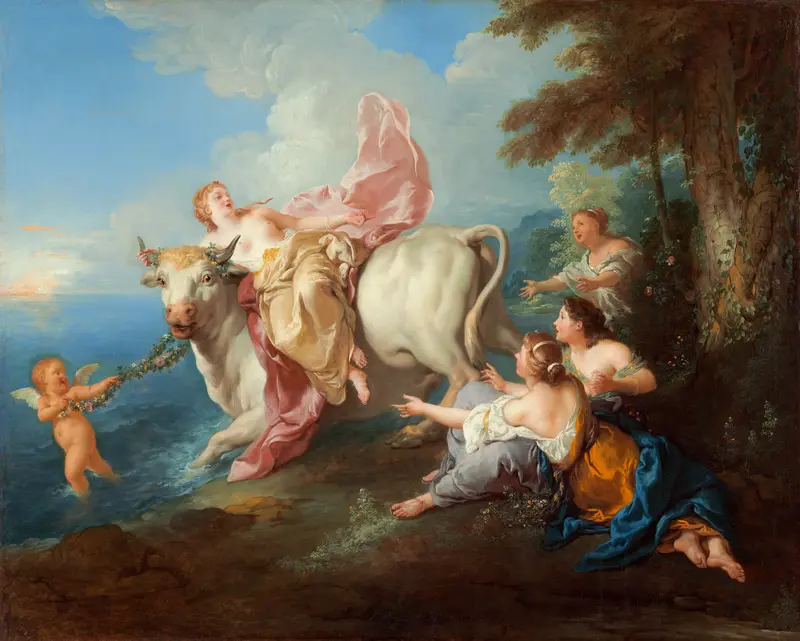
The Abduction of Europa
Jean-François de Troy
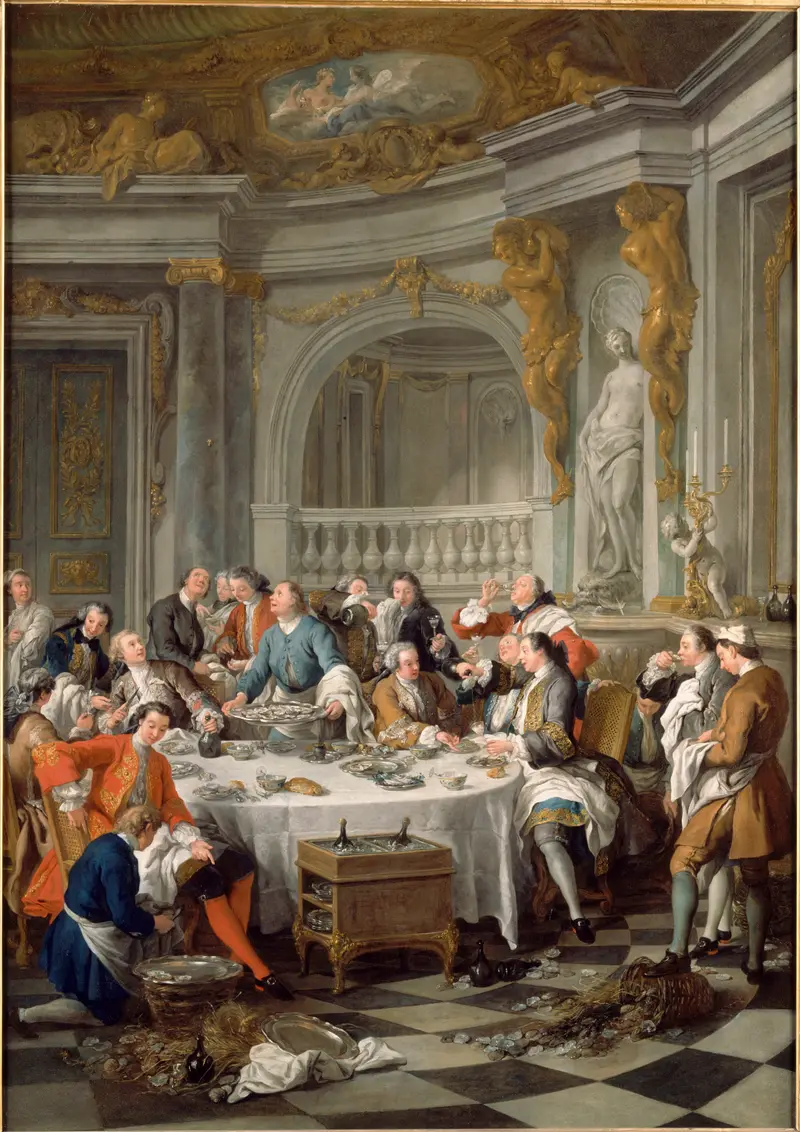
The Lunch of Oysters
Jean-François de Troy
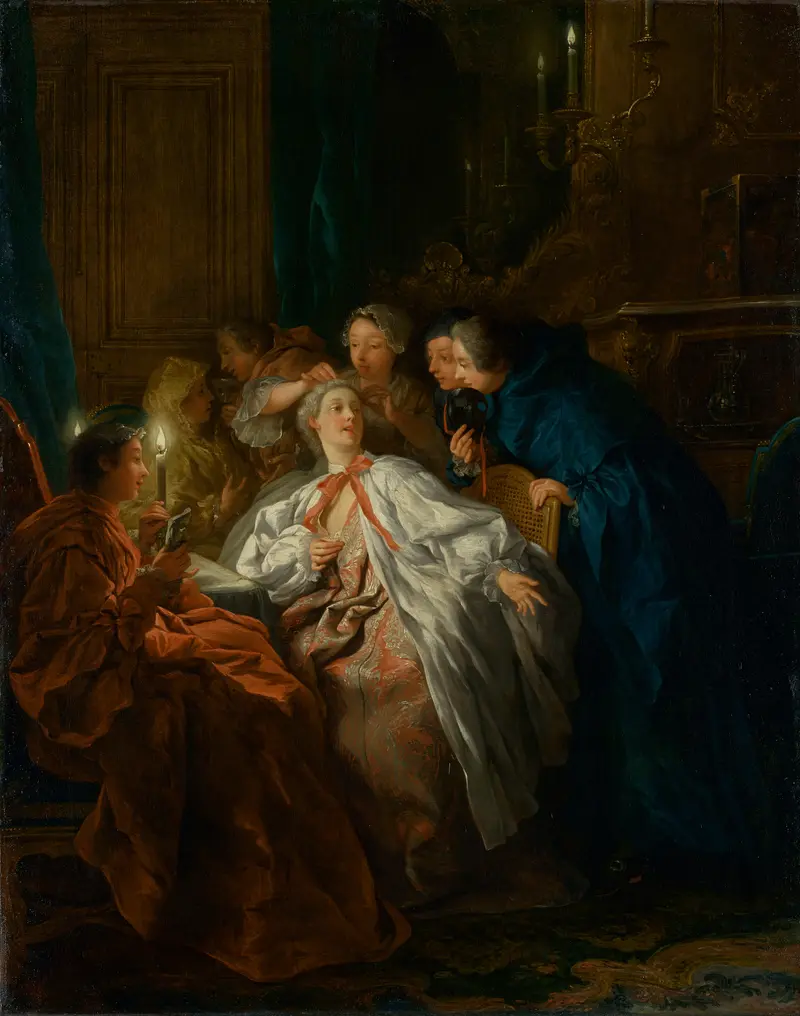
Before the Ball
Jean-François de Troy
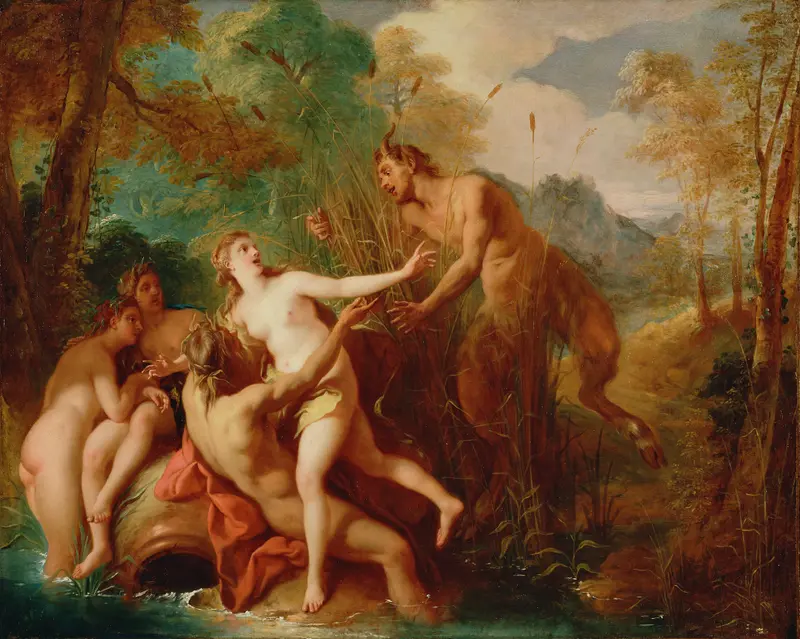
Pan and Syrinx
Jean-François de Troy

Le Combat des soldats nés des dents du serpent
Jean-François de Troy
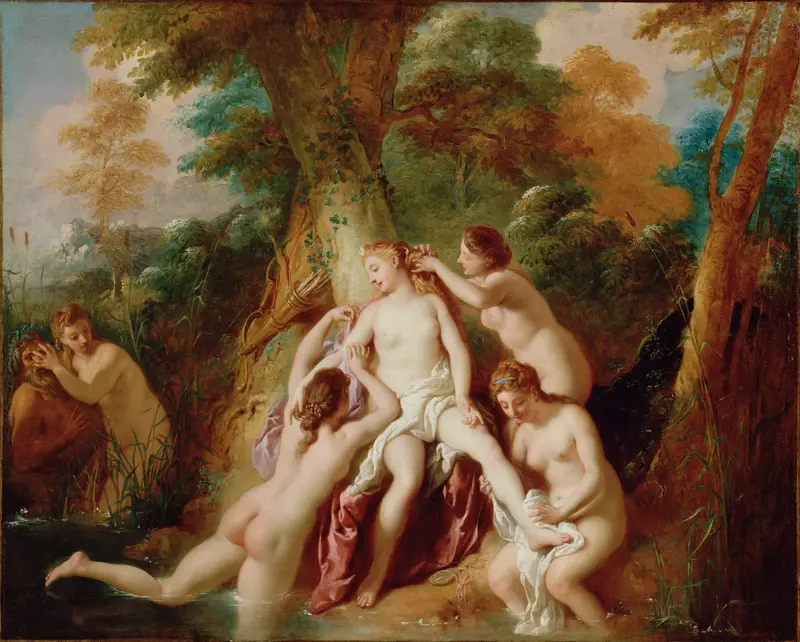
Diana and Her Nymphs Bathing
Jean-François de Troy
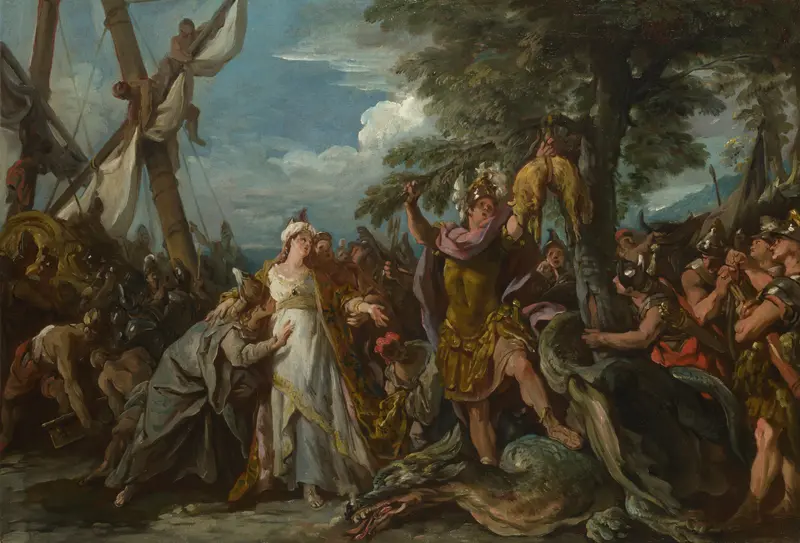
The Capture of the Golden Fleece
Jean-François de Troy
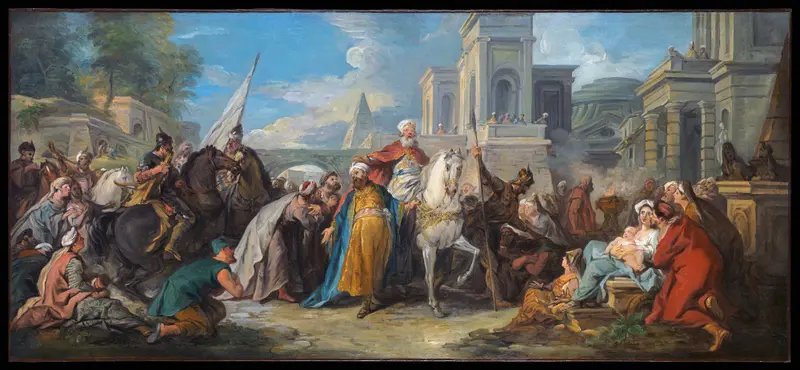
The Triumph of Mordecai
Jean-François de Troy
Lot and His Daughters
Jean-François de Troy





