
The Abduction of Europa — History & Facts
What first seizes the eye is the swirl of silk and startled movement as a young woman, perched upon a snow-white bull, is swept from the shore. Her companions reach out in alarm, their gestures frozen in a moment of sudden loss, while a mischievous cherub tugs the garland that leads the animal forward into the blue expanse. The bull’s calm, almost knowing gaze contrasts with the panic of the women, heightening the sense of a world upended.
The light, pouring in from the left, gilds the figures and sets the scene aglow, while the lush drapery and delicate flowers seem to hover between delight and danger. Painted in 1716, this work by Jean-François de Troy belongs to a world where mythological tales served as both entertainment and moral lesson for the elite. Scenes like this—drawn from Ovid’s Metamorphoses—were prized in the early eighteenth century for their blend of sensuality, drama, and classical learning. Artists of the French Rococo, like de Troy, reveled in the chance to show off their skill with flesh and fabric, capturing the shimmer of skin and the rustle of satin.
Commissioned for private enjoyment or to decorate aristocratic interiors, such paintings offered viewers a heady mix of beauty and narrative, inviting them to linger over every detail and, perhaps, to puzzle over the boundaries between innocence and desire. The story remains unfinished on the canvas, urging us to imagine what comes next.
More Artworks by Jean-François de Troy
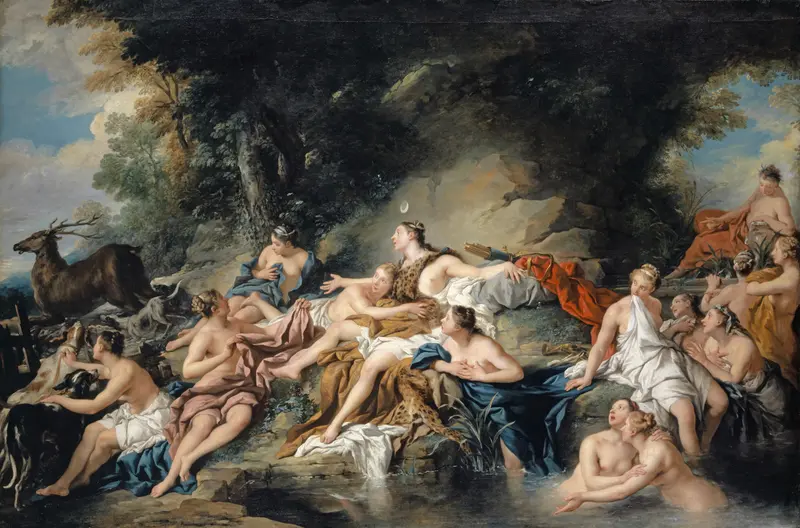
Diana and Actaeon
Jean-François de Troy
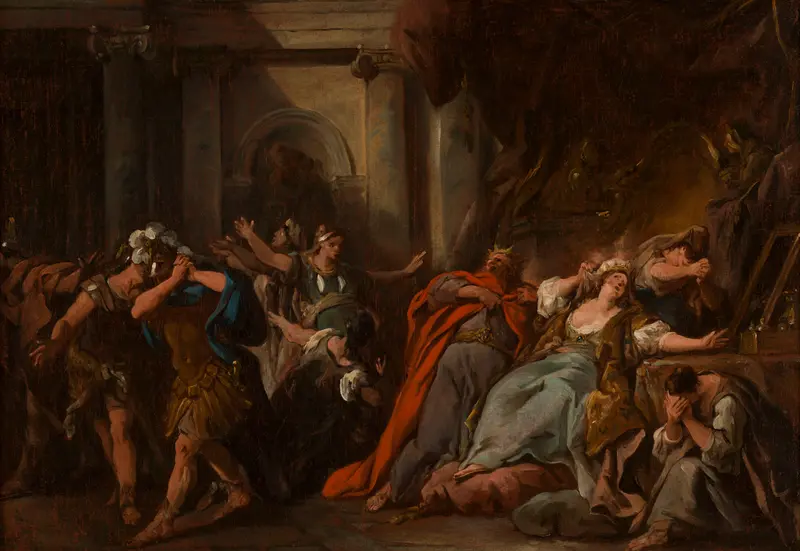
Créüse consumée par la robe empoisonnée
Jean-François de Troy
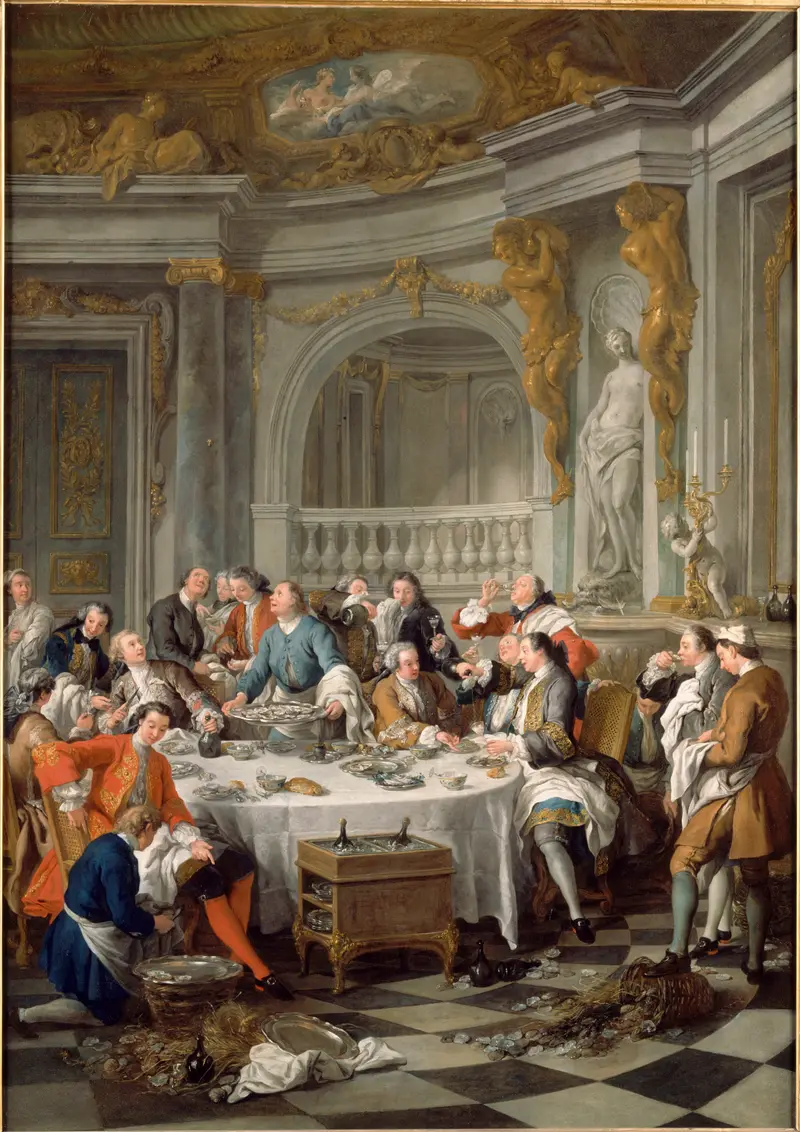
The Lunch of Oysters
Jean-François de Troy
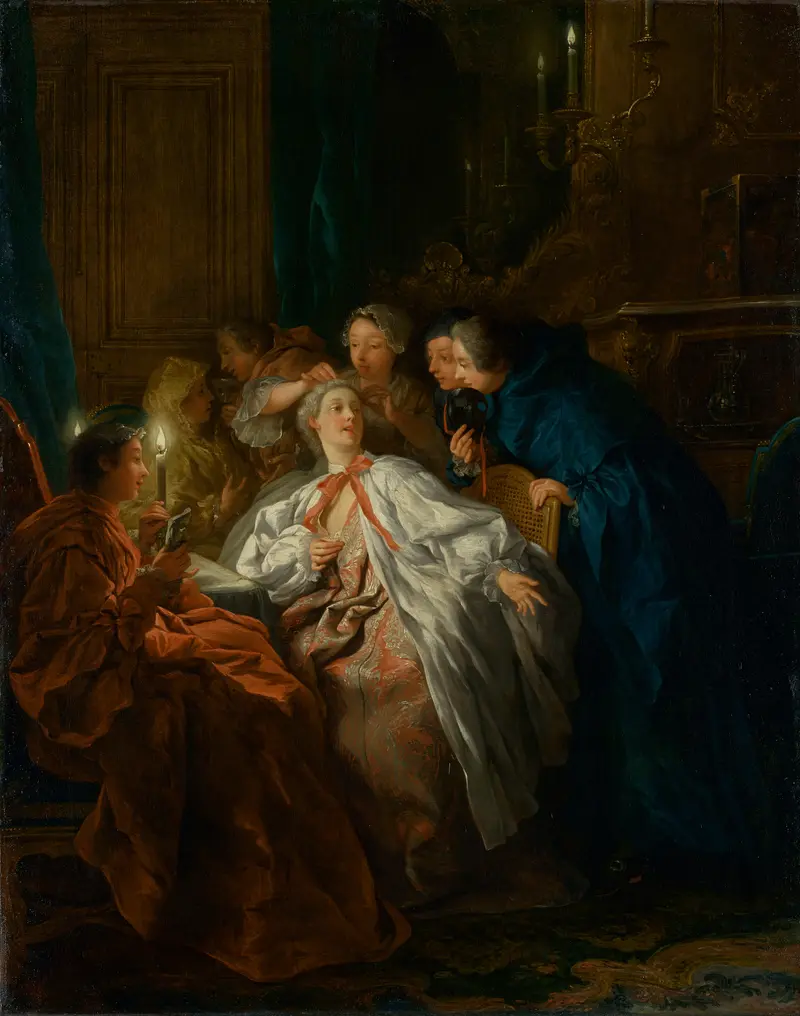
Before the Ball
Jean-François de Troy
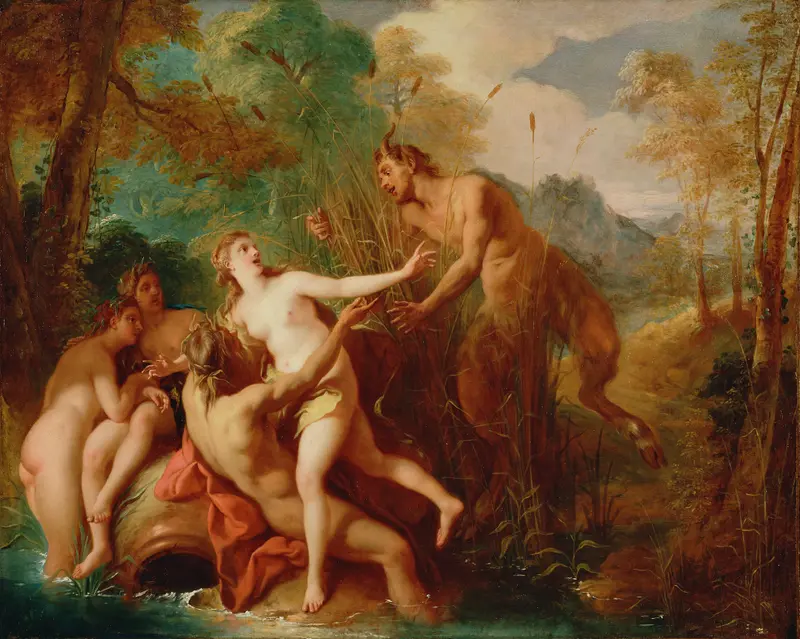
Pan and Syrinx
Jean-François de Troy

Le Combat des soldats nés des dents du serpent
Jean-François de Troy
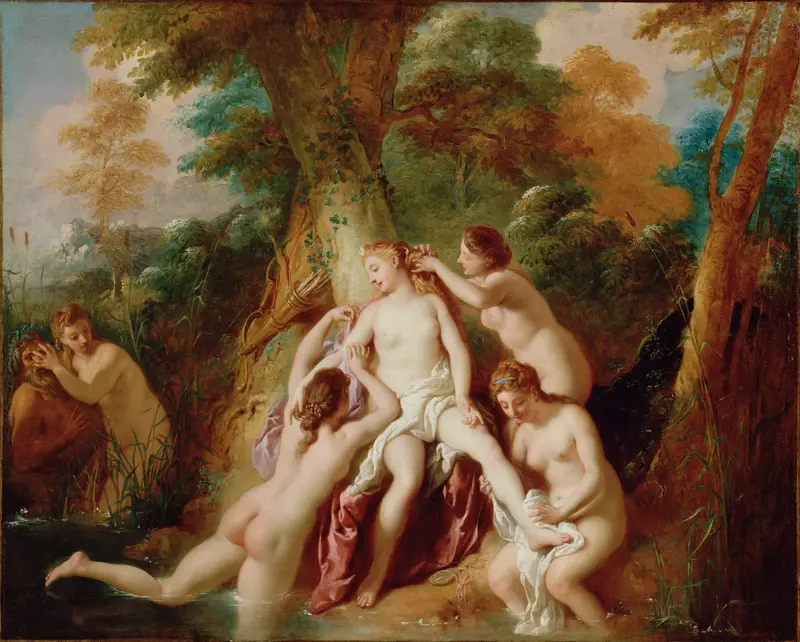
Diana and Her Nymphs Bathing
Jean-François de Troy
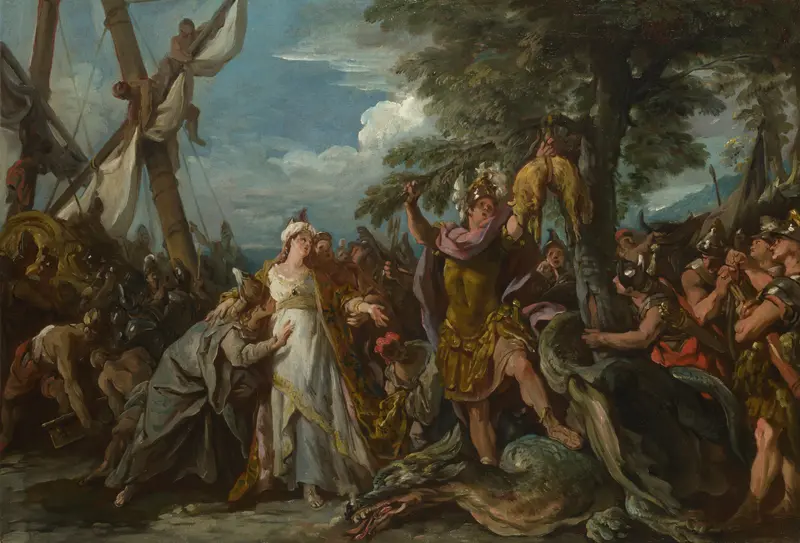
The Capture of the Golden Fleece
Jean-François de Troy

The Triumph of Mordecai
Jean-François de Troy
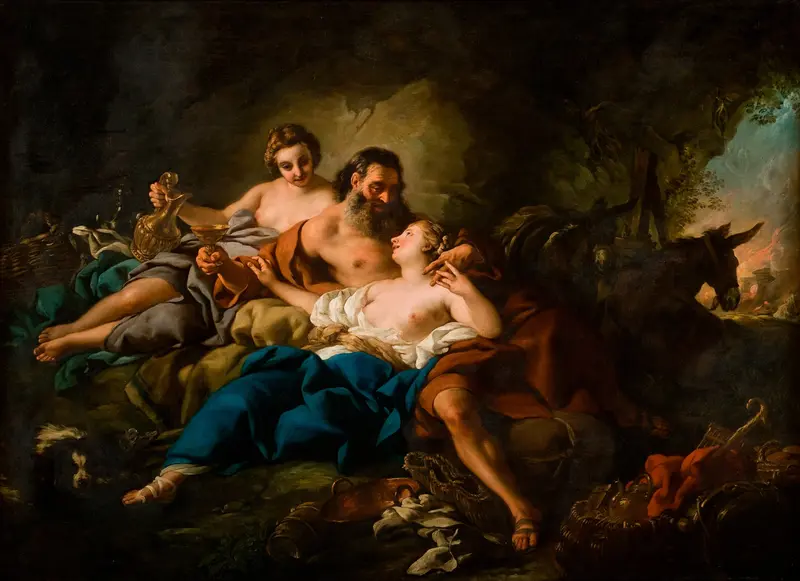
Lot and His Daughters
Jean-François de Troy





