
Diana and Actaeon — History & Facts
What grips the eye first in Diana and Actaeon by Jean-François de Troy is the sudden, electric moment of interruption—a ripple of alarm and curiosity passing through a gathering of women at the water’s edge. The painting’s energy radiates from the startled, half-turned bodies, their gestures caught between flight and confrontation. De Troy orchestrates the scene so that the gaze is drawn from the central figure, crowned with a crescent moon and draped in a leopard skin, outward to the edges where dogs bark and a stag stands tense, as if the world itself is holding its breath.
Fabrics swirl and limbs tangle, each figure reacting in her own way: some shield themselves, others reach for companions, and a few stare directly at the intruder—us, or perhaps Actaeon himself. Created in 1734, this work belongs to the world of early eighteenth-century France, where mythological scenes such as this were painted for private salons and aristocratic patrons hungry for both beauty and narrative. Painters like de Troy specialized in bringing ancient stories to life, blending the elegance of the Rococo with a taste for theatrical storytelling. The myth of Diana and Actaeon—so often a pretext for exploring the boundaries of modesty and voyeurism—allowed artists to display both technical skill and a playful sensuality.
Though the details of this particular painting’s journey remain obscure, its presence in a collection today invites us to linger, tracing the lines of drama and delight that ripple through every figure and fold of cloth.
More Artworks by Jean-François de Troy
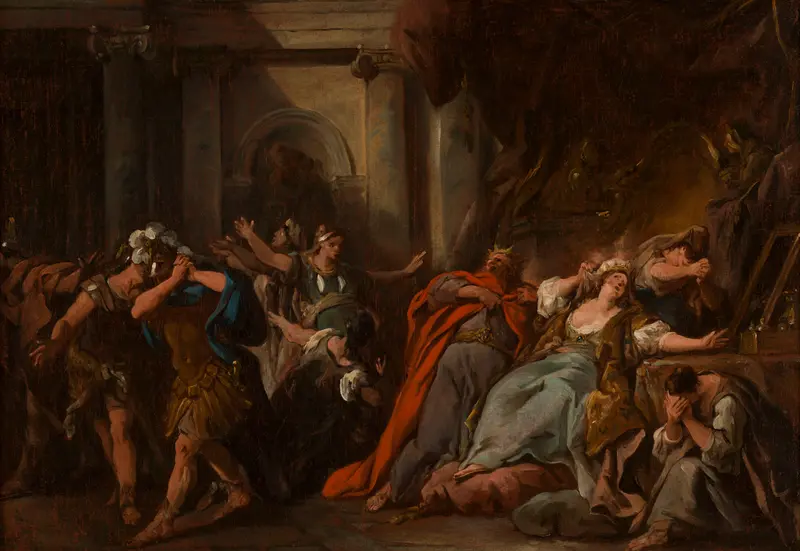
Créüse consumée par la robe empoisonnée
Jean-François de Troy
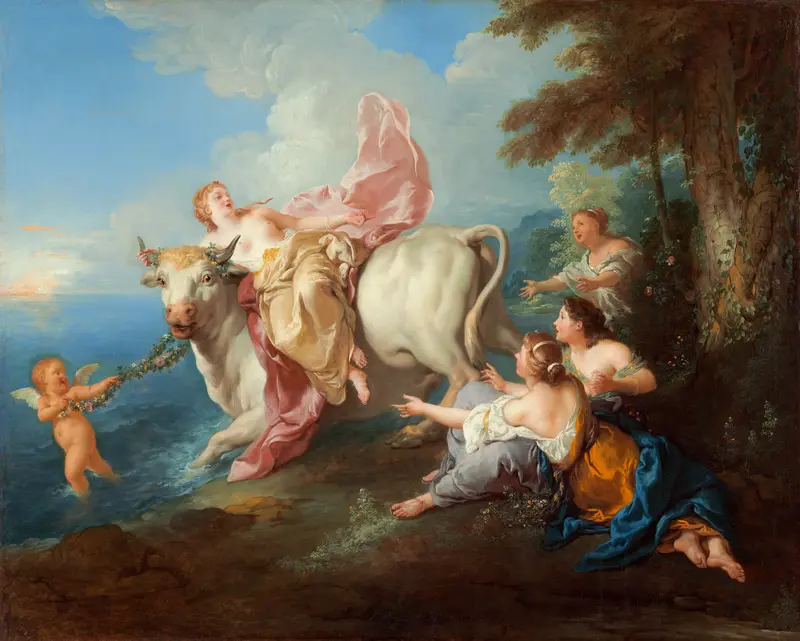
The Abduction of Europa
Jean-François de Troy
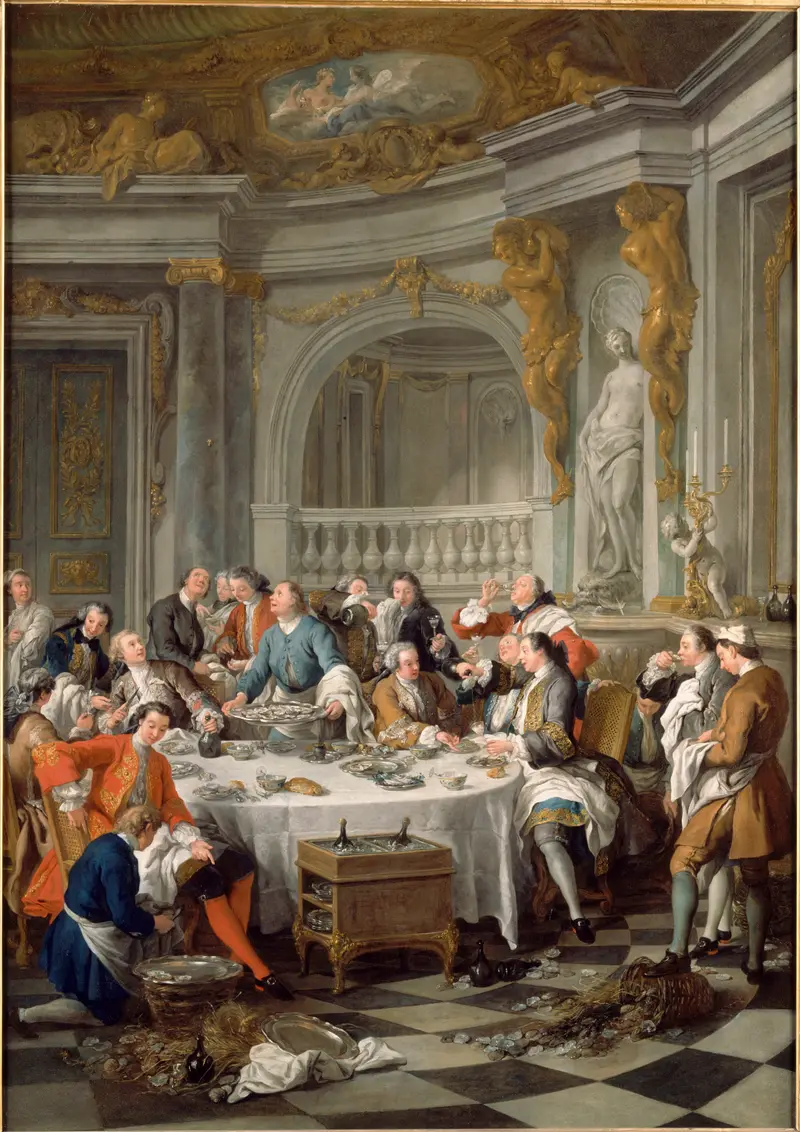
The Lunch of Oysters
Jean-François de Troy
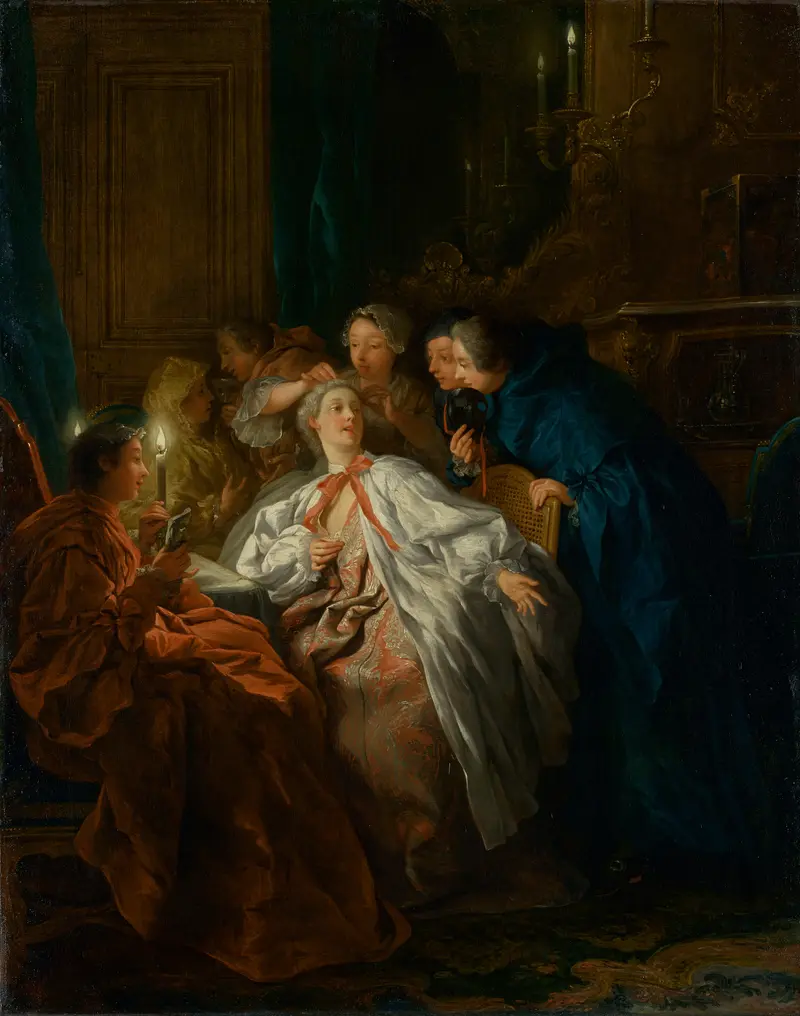
Before the Ball
Jean-François de Troy
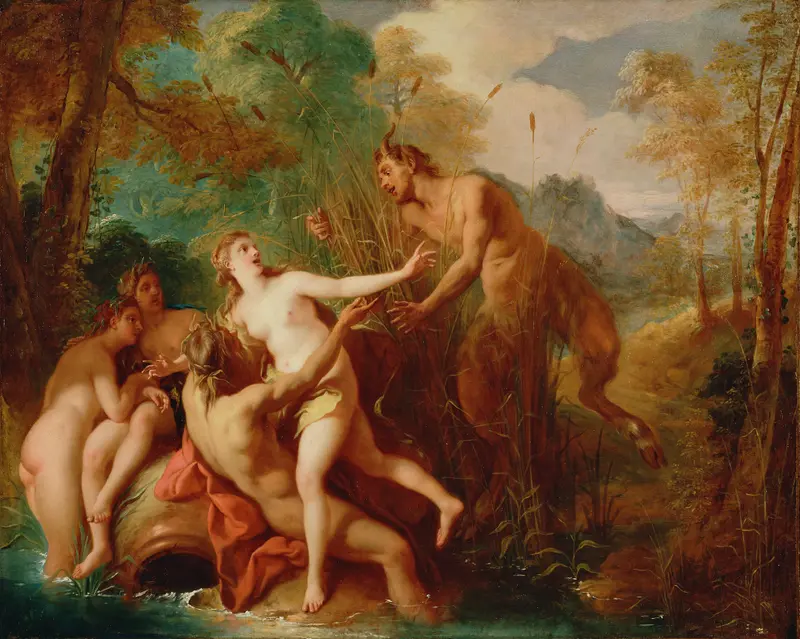
Pan and Syrinx
Jean-François de Troy

Le Combat des soldats nés des dents du serpent
Jean-François de Troy
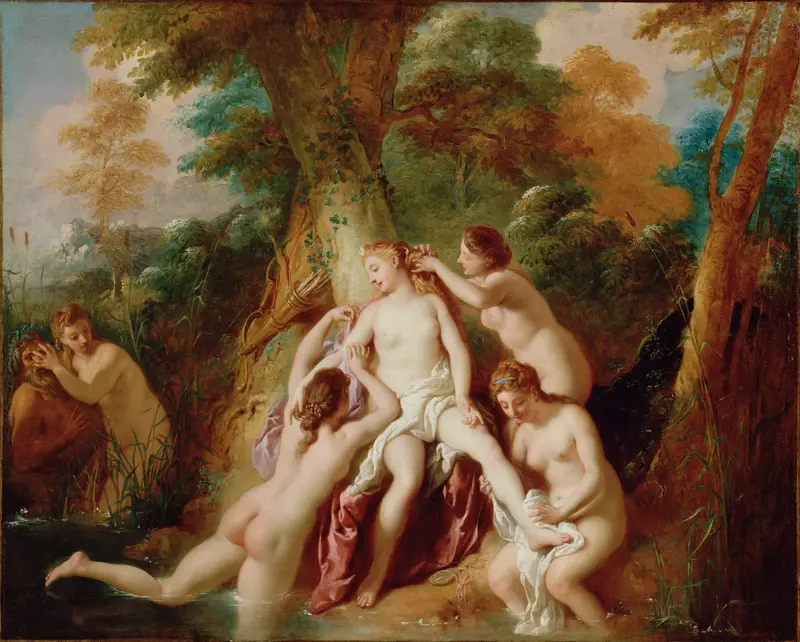
Diana and Her Nymphs Bathing
Jean-François de Troy
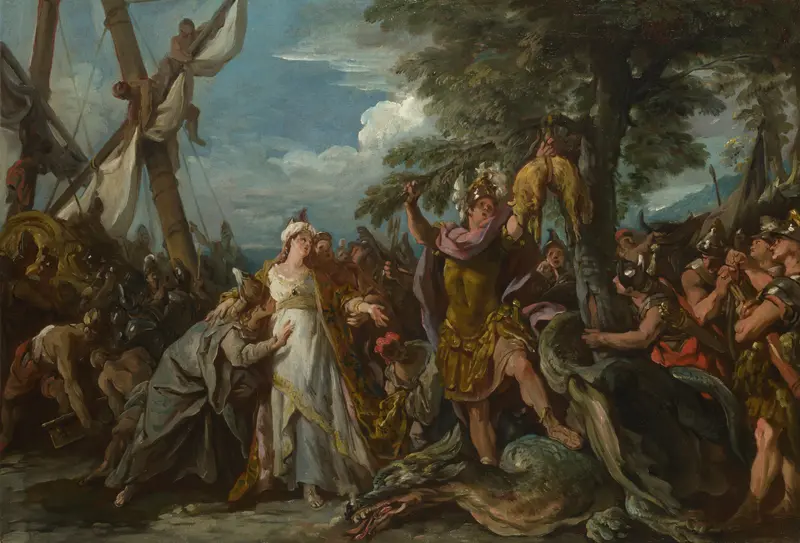
The Capture of the Golden Fleece
Jean-François de Troy
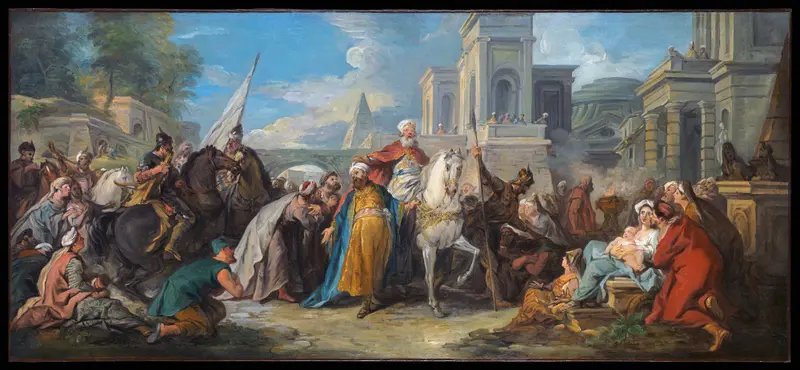
The Triumph of Mordecai
Jean-François de Troy
Lot and His Daughters
Jean-François de Troy





