
Diana and Her Nymphs Bathing — History & Facts
What draws the eye first is the languid grace of the central figure, crowned with a crescent moon and surrounded by attentive companions, all bathed in a golden light that seems to linger on bare skin and curling leaves alike. The scene is a moment suspended: goddesses at their ease, the air thick with the hush of secrecy and the intimacy of ritual. Each gesture is deliberate—one nymph gently combs through hair, another dries a foot, while a third, half-submerged, offers a garment.
The palette is lush and warm, the flesh tones glowing against the cool shadows of the forest, guiding the viewer’s gaze from the tranquil water at the lower left to the dappled canopy above. In the background, a startled pair—one peering, one shielding—hint at the intrusion that so often haunts this myth, yet here the drama is held at bay, replaced by a soft, almost conspiratorial camaraderie. Painted between 1722 and 1724, this work by Jean-François de Troy belongs to a world where mythological scenes offered both moral lesson and pretext for sensual display. In early eighteenth-century France, such paintings were prized for private interiors, their blend of classical narrative and delicate eroticism catering to the tastes of a refined, pleasure-seeking elite.
The artist’s choice of subject—goddesses at their toilette—reflects both the enduring appeal of ancient stories and the period’s fascination with beauty, leisure, and the rituals of the privileged. While history has kept few traces of the specific journey of this canvas, its presence in the digital collection today invites us to linger, to follow the play of light on skin and water, and to imagine the world that prized such scenes of mythic leisure.
More Artworks by Jean-François de Troy
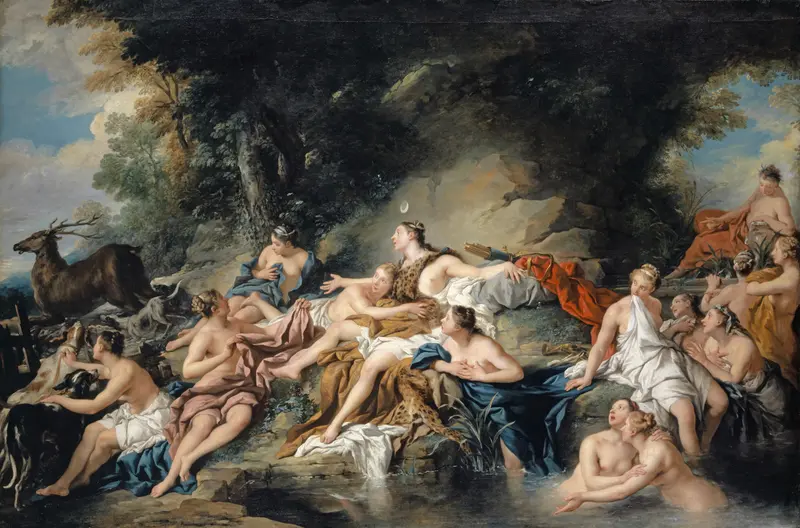
Diana and Actaeon
Jean-François de Troy

Créüse consumée par la robe empoisonnée
Jean-François de Troy
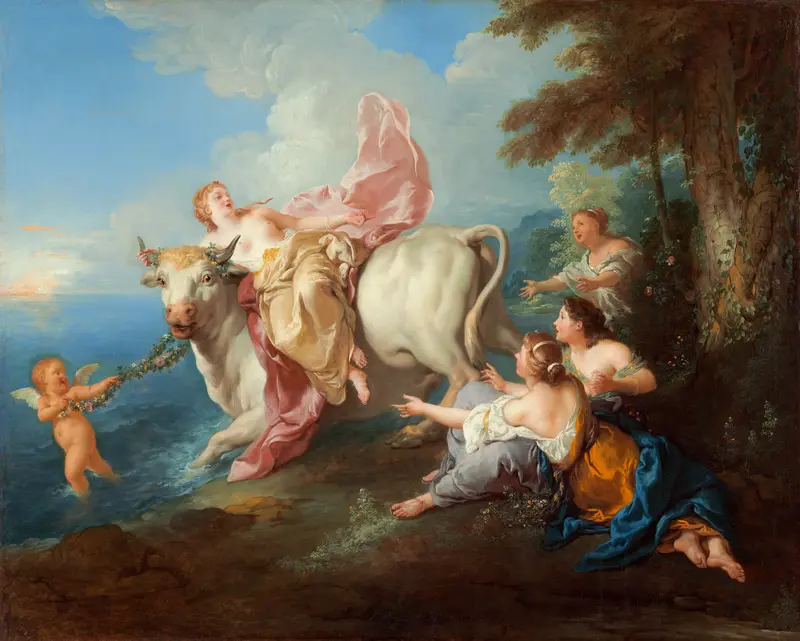
The Abduction of Europa
Jean-François de Troy
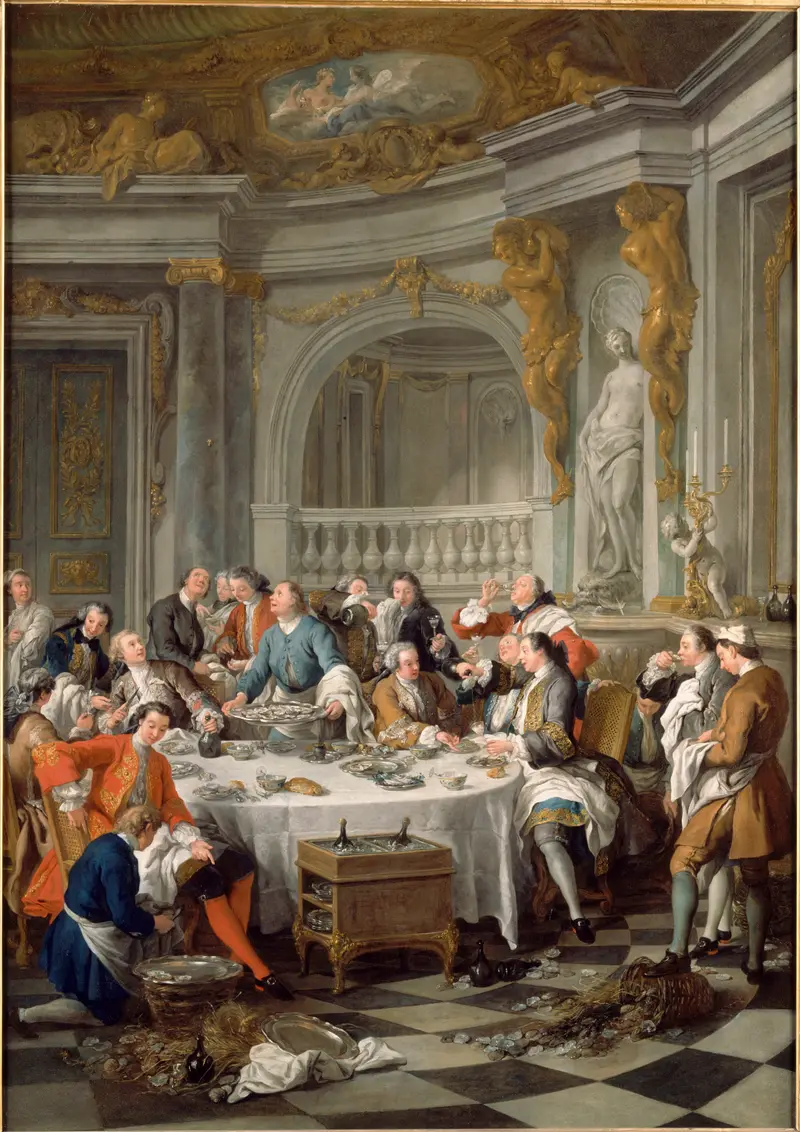
The Lunch of Oysters
Jean-François de Troy

Before the Ball
Jean-François de Troy
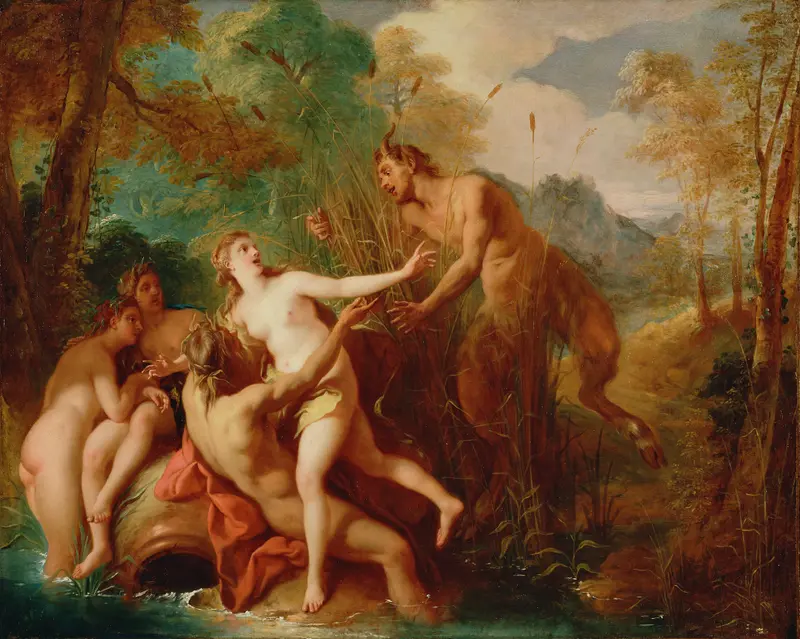
Pan and Syrinx
Jean-François de Troy

Le Combat des soldats nés des dents du serpent
Jean-François de Troy
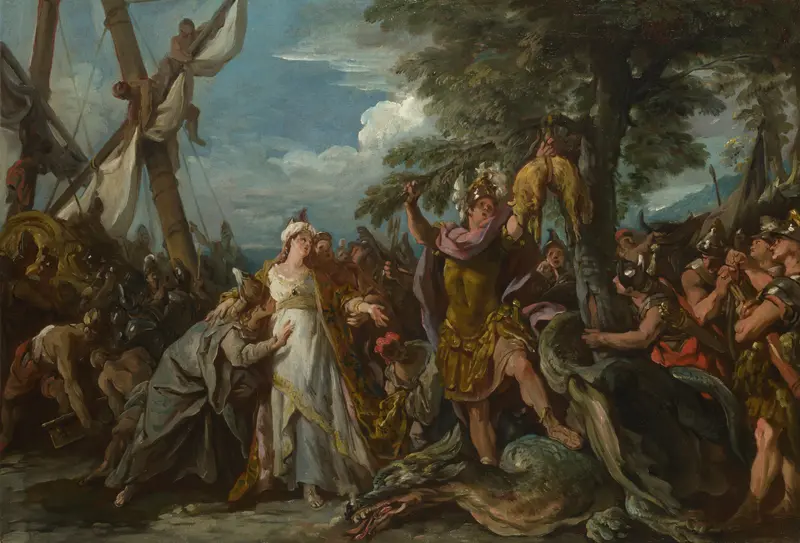
The Capture of the Golden Fleece
Jean-François de Troy

The Triumph of Mordecai
Jean-François de Troy

Lot and His Daughters
Jean-François de Troy





