
The Capture of the Golden Fleece — History & Facts
A hero stands at the heart of chaos, arm raised in triumph, clutching a golden fleece that glows against the shadows of a fallen serpent. All eyes are drawn to this moment of victory, but the scene is far from serene—look at the swirl of bodies, the tension in the gestures, the way the light carves out the drama. The painter orchestrates every glance and gesture: the woman in white recoils, torn between awe and dread, while the hero’s companions surge forward, their anticipation almost physical.
The mast and rigging on the left thrust upward, echoing the hero’s gesture and anchoring the mythic action in a world of ships and journeys. Painted in March 1742, this work by Jean-François de Troy belongs to a period when grand mythological canvases were prized by European courts and academies. Such paintings were more than decoration—they were statements of learning, power, and taste, often commissioned to fill the walls of palaces or public halls. In the early eighteenth century, artists like de Troy blended the theatricality of the Baroque with the lighter touch of the Rococo, creating scenes where myth and spectacle meet.
While history has kept few traces of this particular painting’s early life, it now resides in the collection of the National Gallery, London, inviting us to step into a world where ancient legend is staged with all the drama of the painter’s own age.
More Artworks by Jean-François de Troy

Diana and Actaeon
Jean-François de Troy
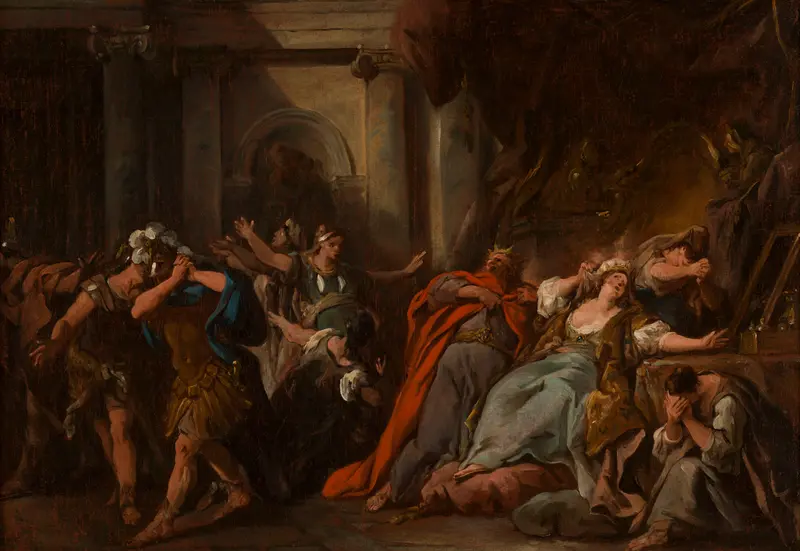
Créüse consumée par la robe empoisonnée
Jean-François de Troy
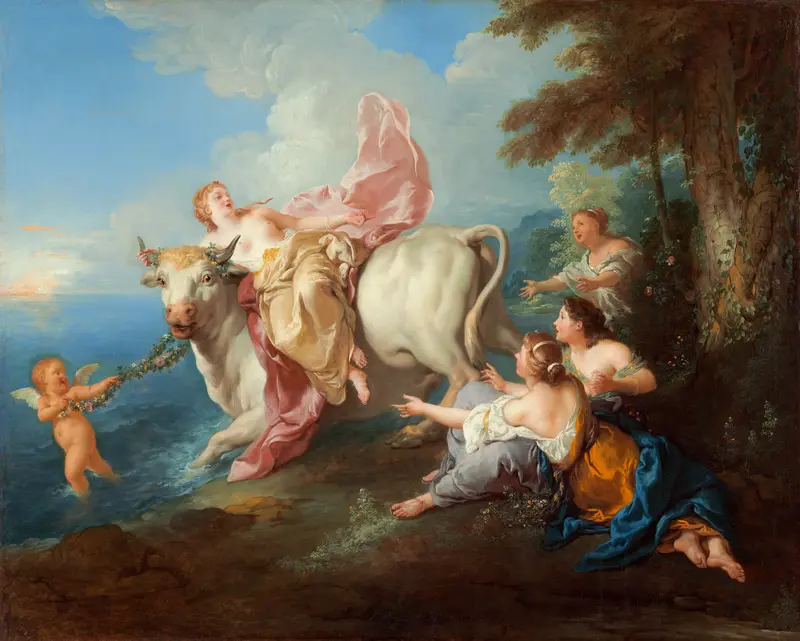
The Abduction of Europa
Jean-François de Troy
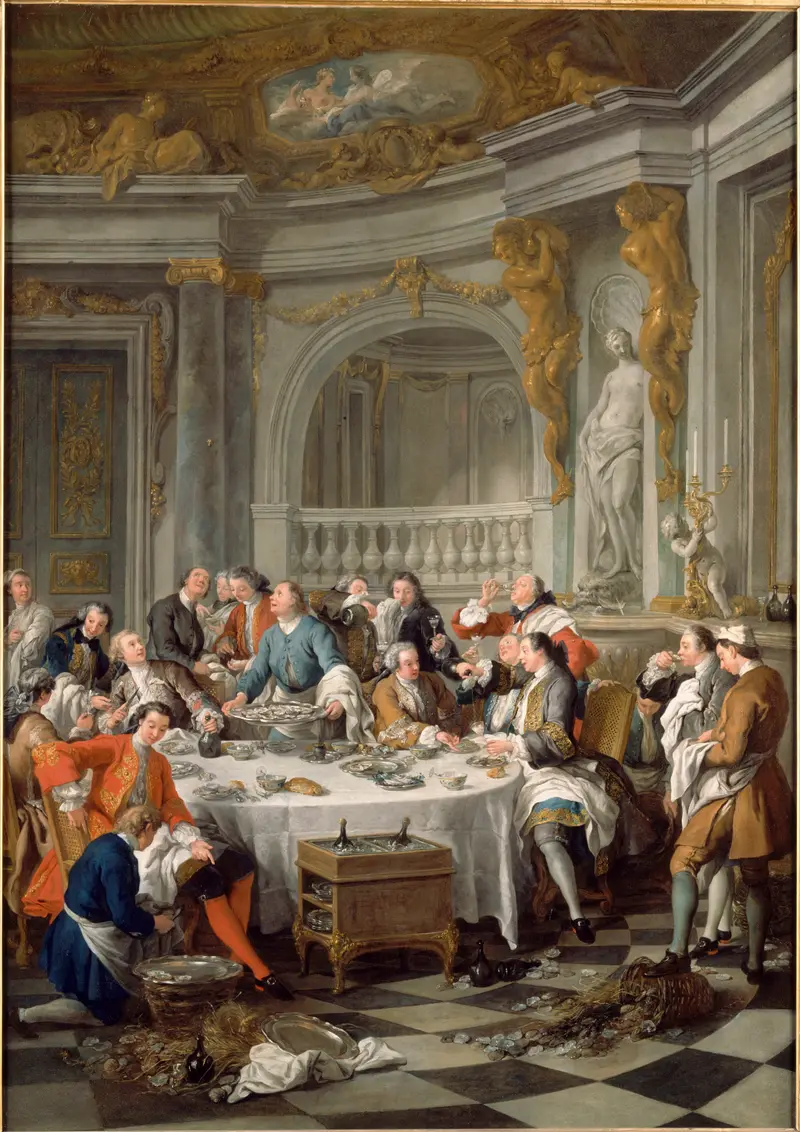
The Lunch of Oysters
Jean-François de Troy
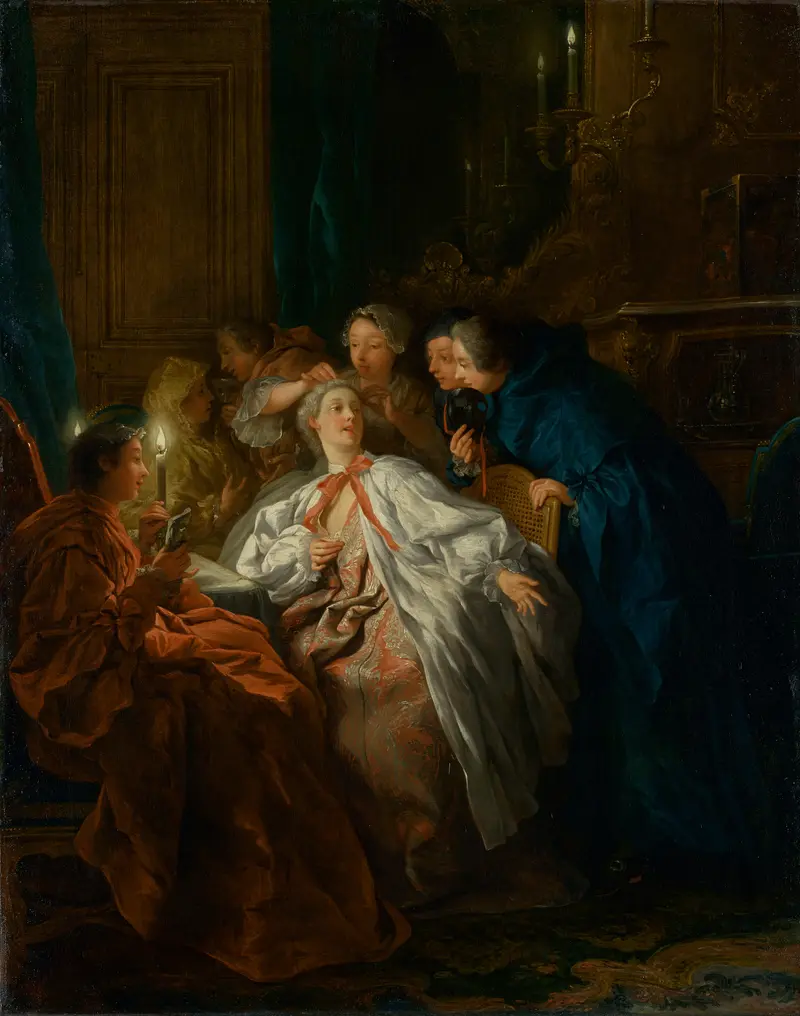
Before the Ball
Jean-François de Troy

Pan and Syrinx
Jean-François de Troy

Le Combat des soldats nés des dents du serpent
Jean-François de Troy

Diana and Her Nymphs Bathing
Jean-François de Troy

The Triumph of Mordecai
Jean-François de Troy

Lot and His Daughters
Jean-François de Troy





