
Étude pour un portrait de Juliette Récamier — History & Facts
Few portraits in early nineteenth-century France were as anticipated as the likeness of Juliette Récamier, the celebrated salonnière whose wit and beauty captivated Parisian society. When François Gérard, one of the leading portraitists of the Consulate and Empire, undertook a study for her portrait, it was more than a private commission—it was a social event. The sitter herself was as famous for refusing to sit for Jacques-Louis David’s Madame Récamier as for her luminous presence in the city’s intellectual circles.
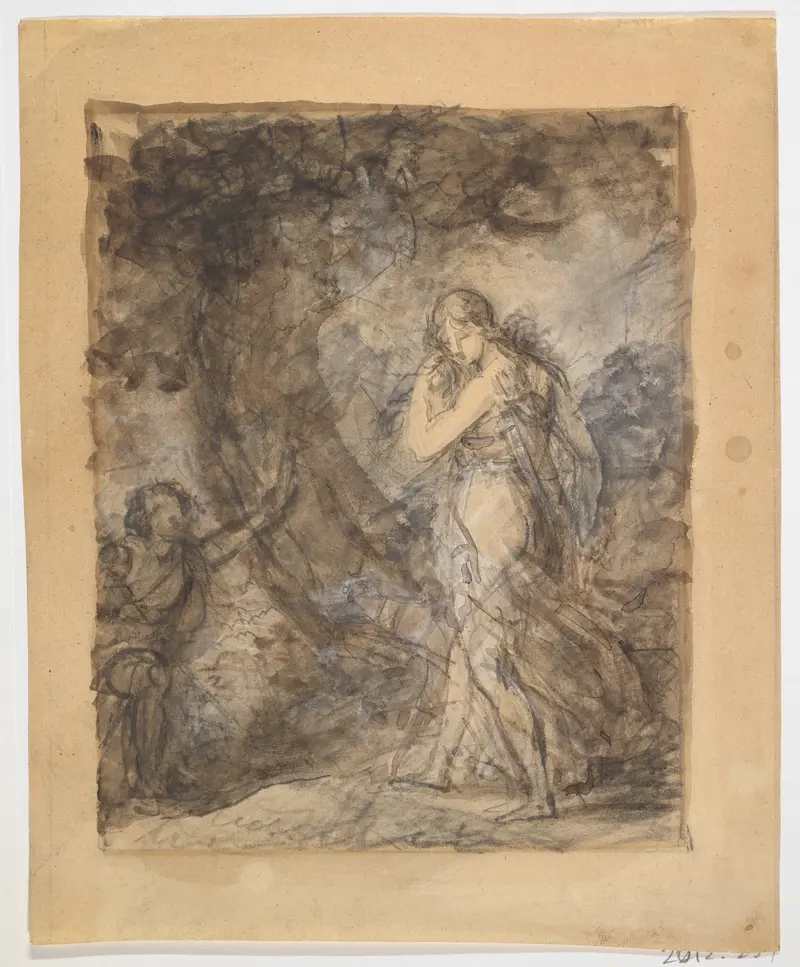
In this context, every brushstroke of Étude pour un portrait de Juliette Récamier became a matter of public curiosity and artistic rivalry. The composition captures Juliette at a moment of poised introspection, her gaze averted from the viewer, suggesting both reserve and invitation. Draped in the classical style that defined the Directoire and Empire fashions, her figure is arranged with the same languid grace seen in David’s version, yet Gérard softens the lines, favoring delicate transitions of light over neoclassical severity. The pale gown and bare arms speak to contemporary ideals of antique simplicity, while the subtle play of shadow across her face hints at the sitter’s inner life—her intelligence and wit, as much as her beauty.
Unlike David, who placed Madame Récamier on a stark chaise longue, Gérard envelops her in a warmer, more intimate atmosphere, emphasizing personality over pose. The precise history of this study is uncertain; scholars are not agreed on whether it was executed as a preparatory work for the finished portrait now in the Musée Carnavalet, or as an independent exploration. What is clear is that Gérard’s association with Juliette Récamier cemented his reputation as the portraitist of the era’s most influential women. The study itself, if extant, has passed through private collections and is rarely exhibited, a testament to both the enduring allure of its subject and the shifting fortunes of such works over time.
Today, it stands as a window into the world of Parisian salons and the subtle negotiations between artist and muse at the dawn of the nineteenth century.
More Artworks by François Gérard

Portrait of Emperor Napoleon I
François Gérard
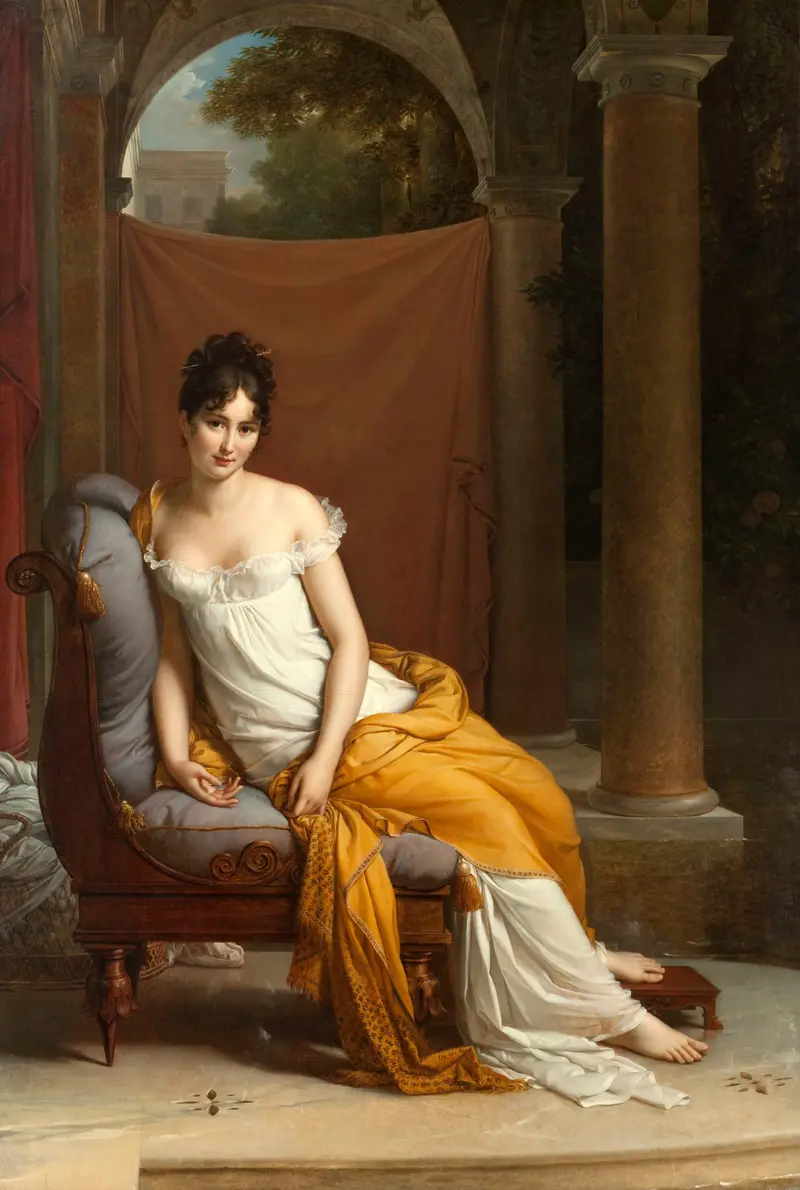
Portrait of Juliette Récamier, née Bernard
François Gérard
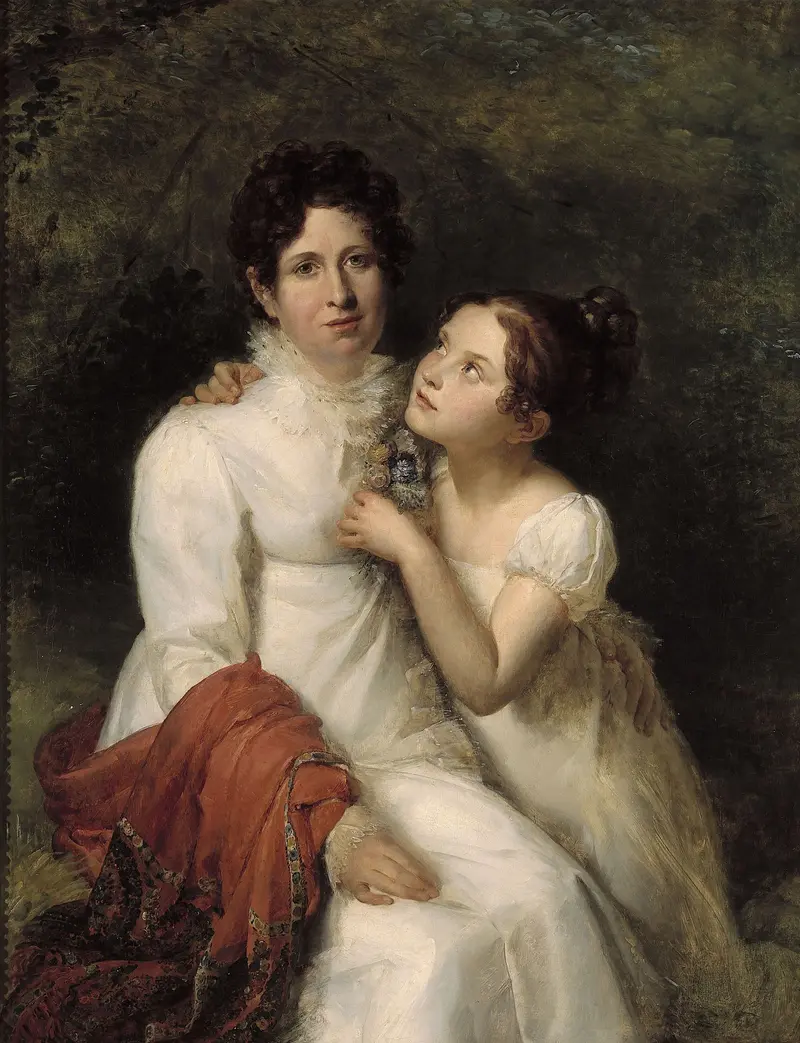
Portrait de Madame Bauquin Du Boulay et de sa nièce Mademoiselle Bauquin de La Souche
François Gérard
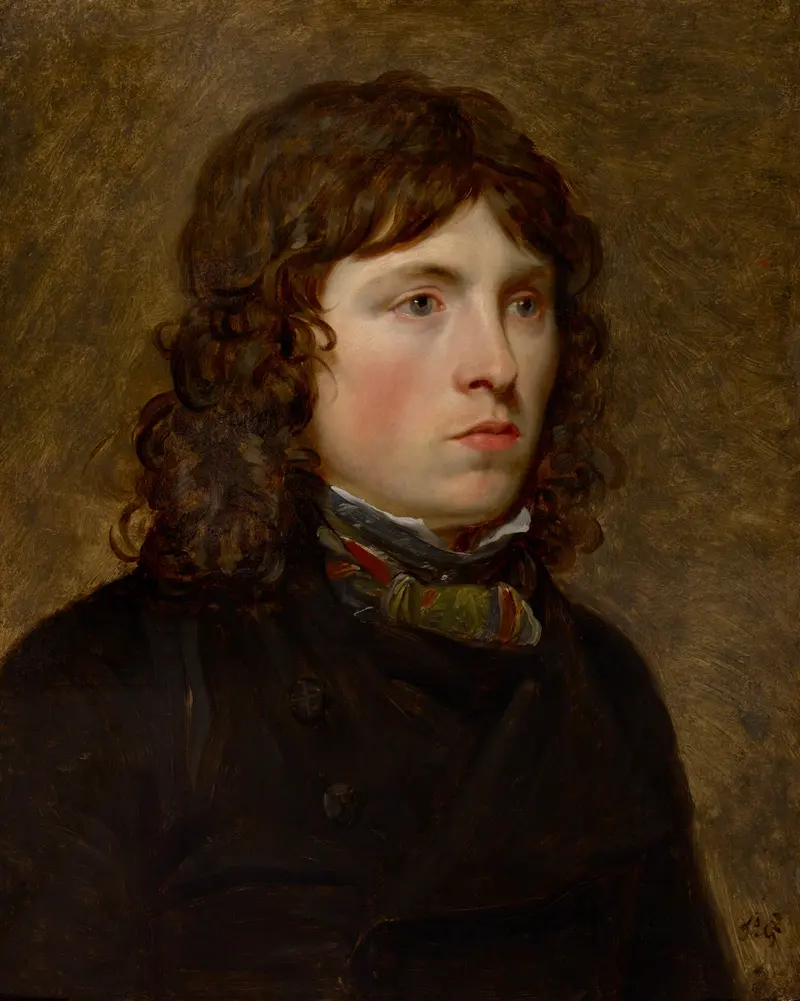
Portrait of G. F. Reverdin
François Gérard
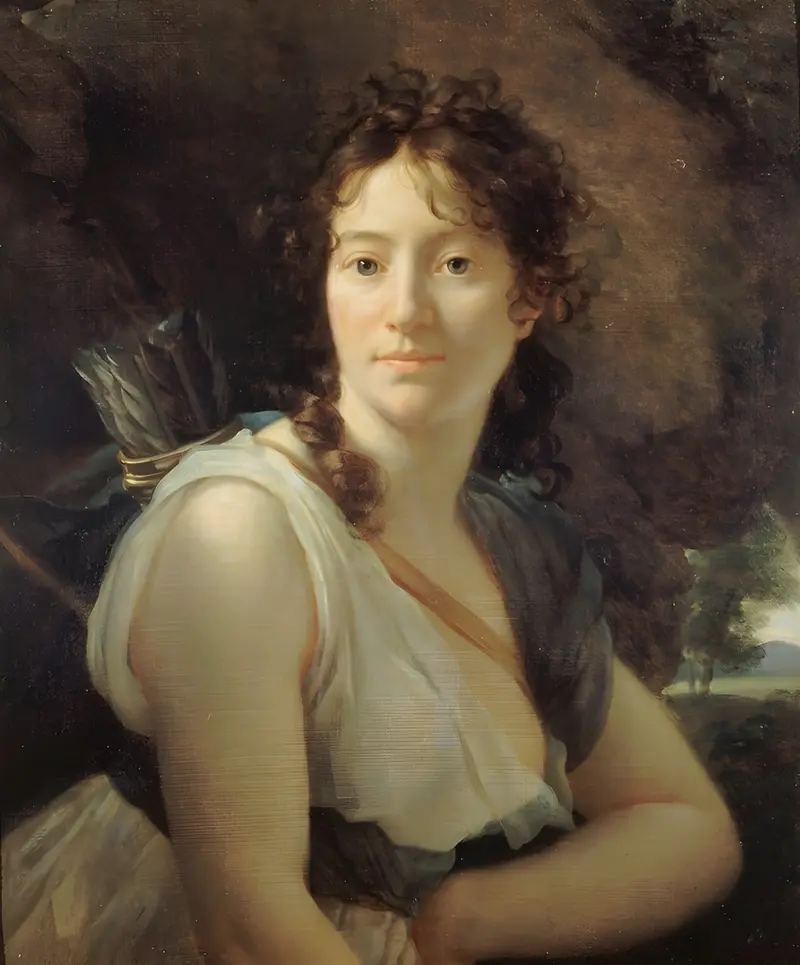
Portrait Of Mademoiselle Duchesnois (1777-1835), Member Of The Comédie-Française, In The Role Of Dido.
François Gérard
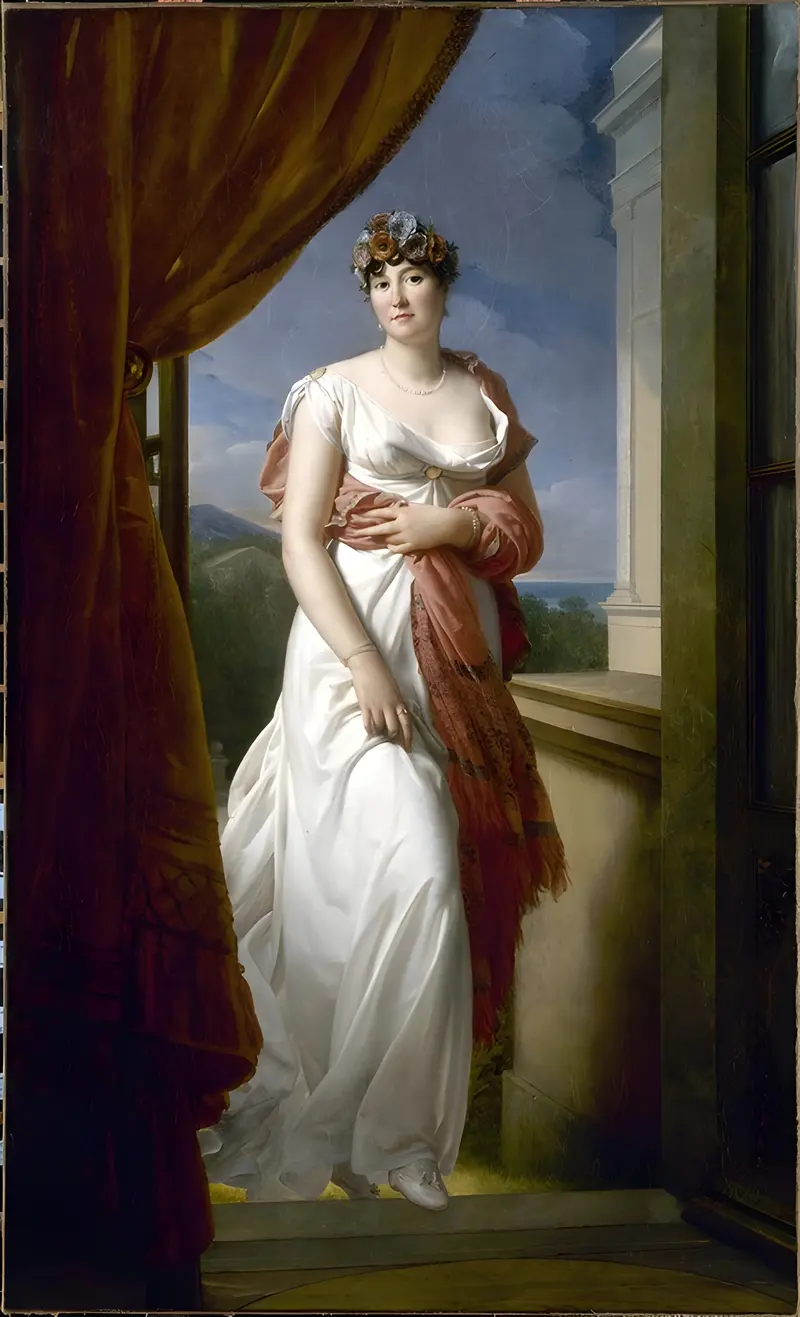
Portrait Of Theresia Cabarrus (1773-1835), Wife Tallien, Then Princess Of Caraman-Chimay
François Gérard
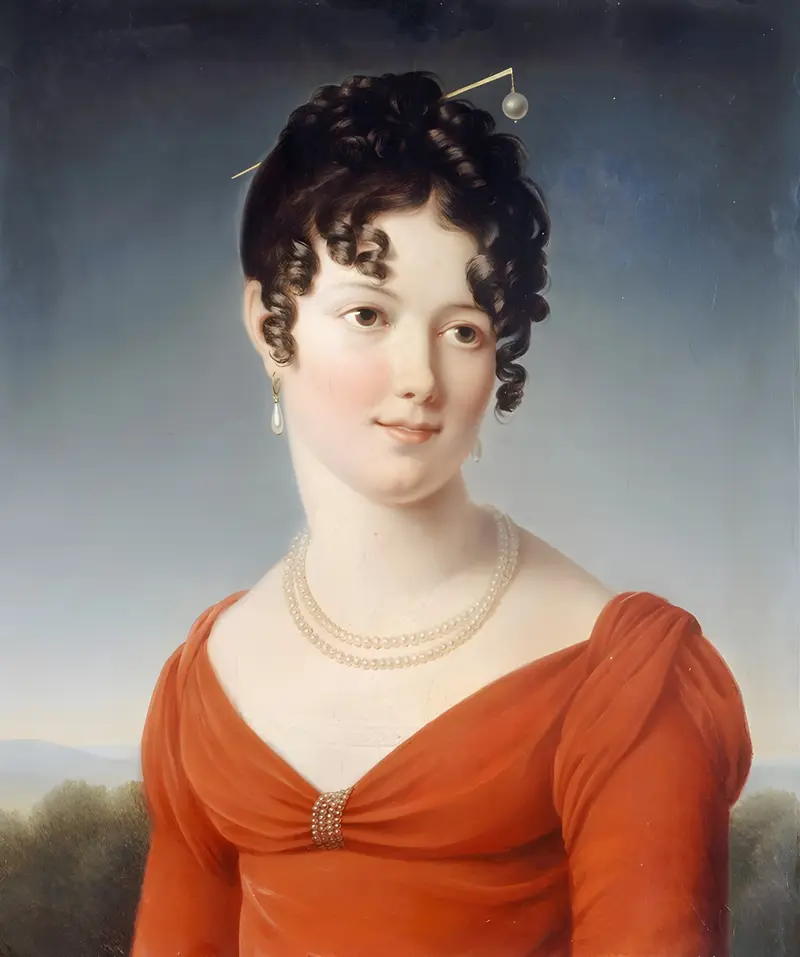
Bust Portrait Of Alexandrine-Anne De La Pallu, Marquise De Flers (1786-1832)
François Gérard
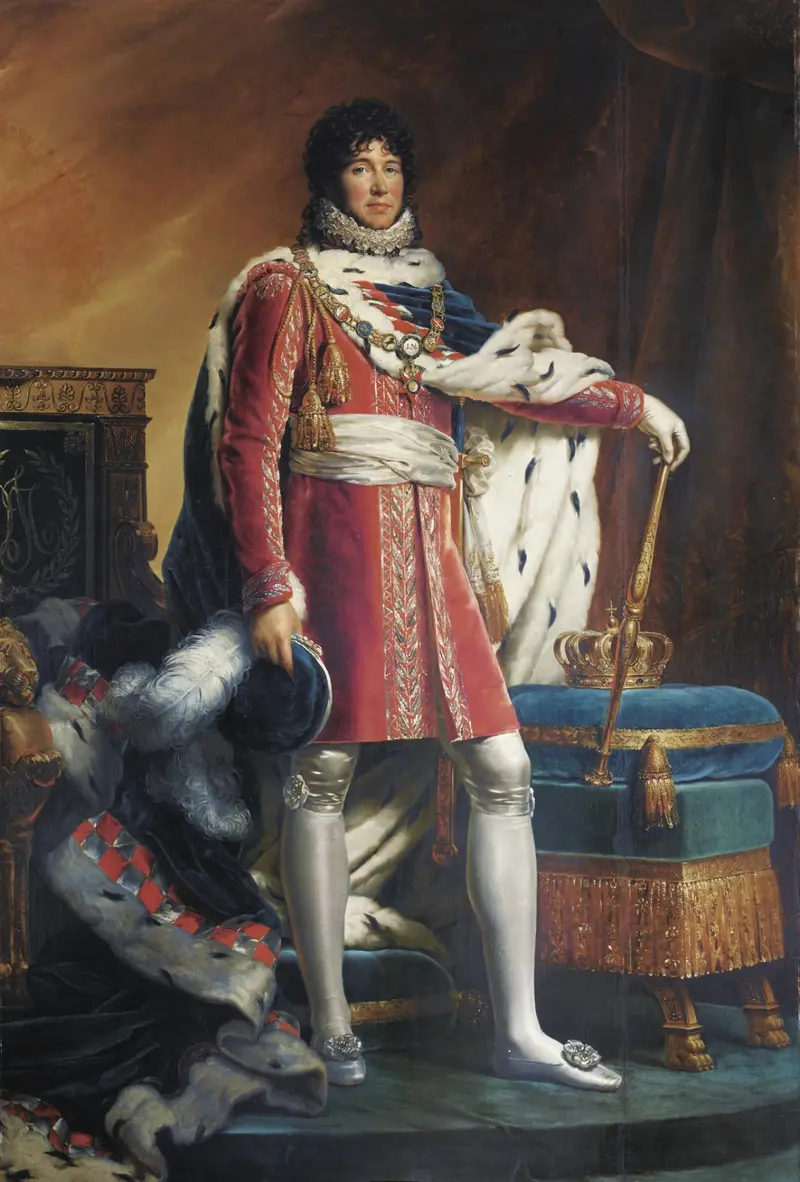
Portrait of Joachim Napoléon Murat, King of Naples and of the two Sicilies
François Gérard
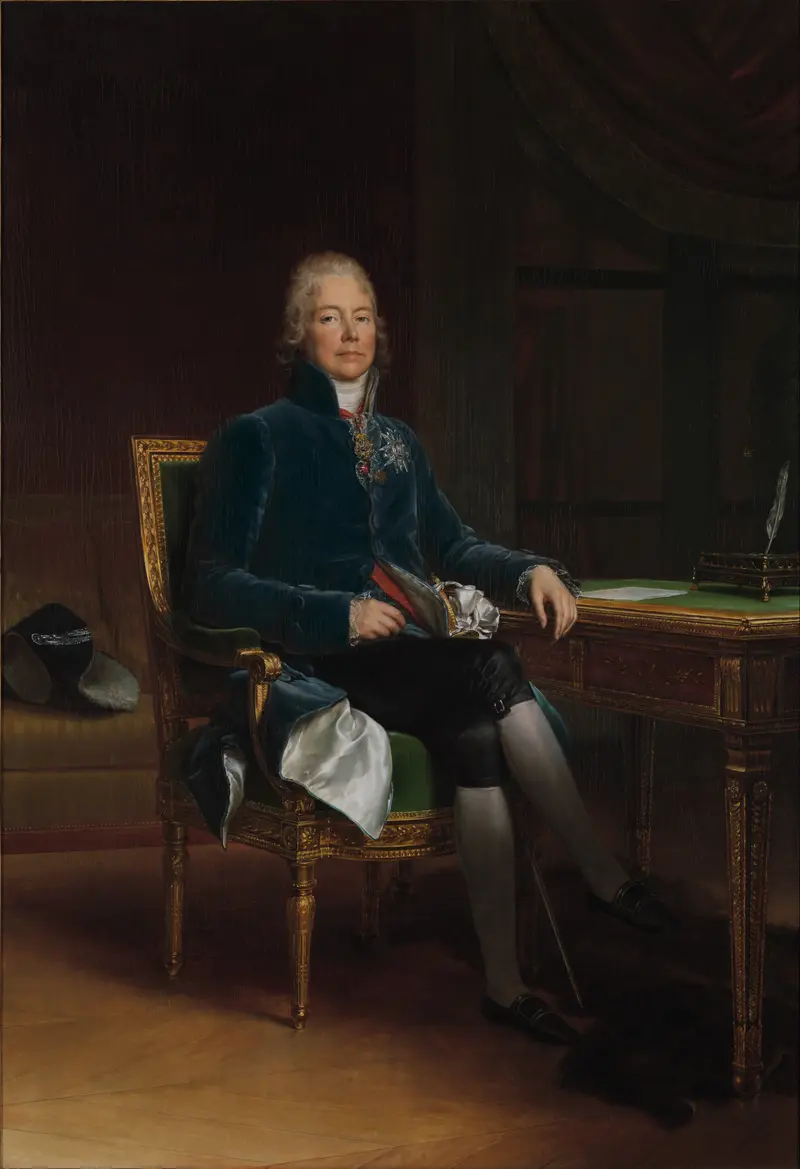
Charles Maurice de Talleyrand Périgord (1754–1838), Prince de Bénévent
François Gérard
Daphnis Running toward Chloe
François Gérard





