
Euforbia-tree — History & Facts
The silhouette of the euforbia tree stands like a dark cipher against a landscape alive with movement and color, its upright forms breaking the rolling sweep of hills that seem to stretch endlessly into the horizon. The brushwork is swift and confident, the paint laid down in broad, almost sculptural strokes that catch the shifting light of what might be either dawn or dusk. The tree itself is rendered as a near-monolithic presence, its shadowy limbs anchoring the composition while the sky above churns with purples, blues, and a sudden, electric band of orange at the edge of the world.
The viewer’s gaze is drawn from the dense, vertical mass of the tree outward to the sinuous river and the distant, undulating hills, a journey from darkness to radiance. Painted in 1910, Euforbia-tree by Akseli Gallen-Kallela belongs to a moment when European artists were increasingly drawn to landscapes beyond their own borders, seeking new forms and colors in unfamiliar terrain. The early twentieth century saw painters experimenting with expressive color and energetic brushwork, often inspired by travels or encounters with different cultures and environments. While little is recorded about the specific circumstances of this work, its presence in the collection documented by the source hints at the artist’s engagement with the landscapes of Africa.
In this painting, the euforbia tree becomes both a botanical study and a dramatic compositional device, inviting us to consider how a single form can transform the way we see an entire world.
More Artworks by Akseli Gallen-Kallela
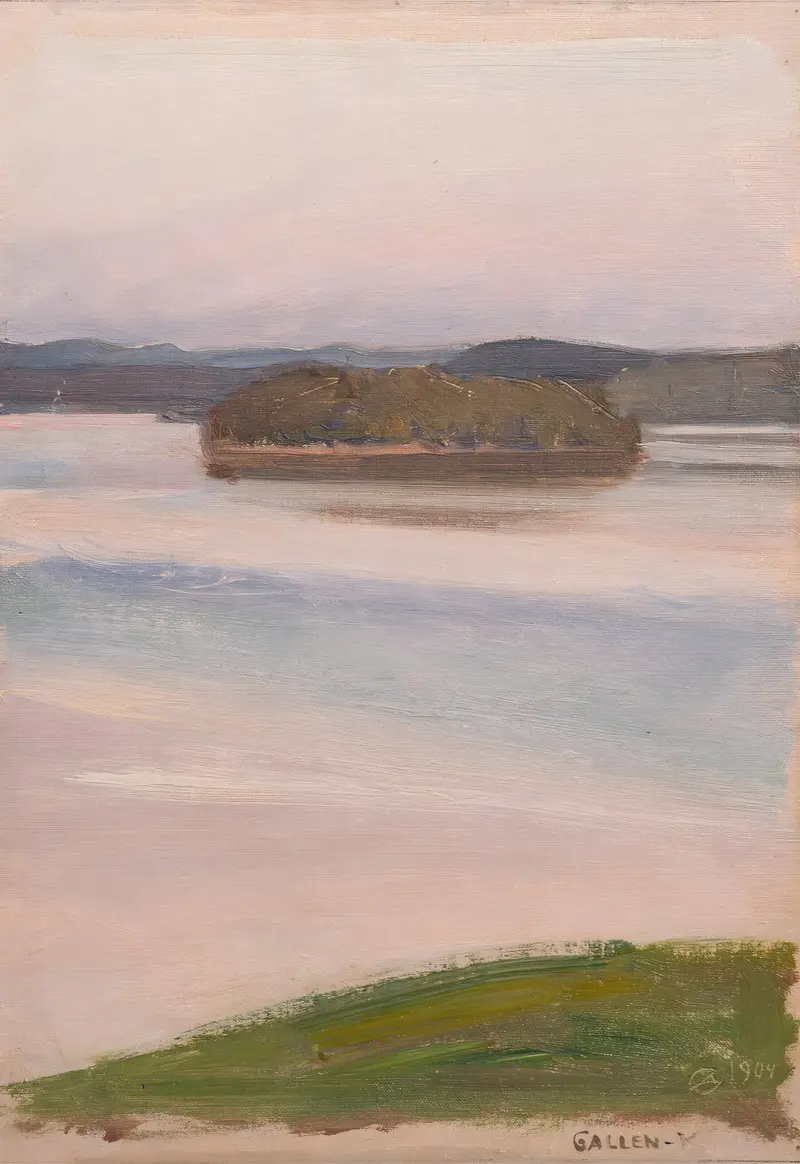
Lake Keitele
Akseli Gallen-Kallela
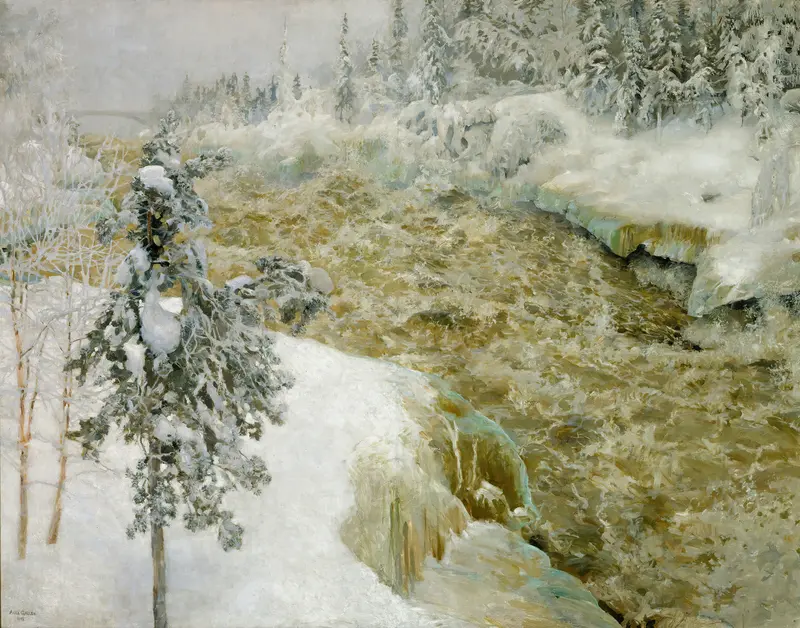
Imatra Falls in Snow ; Imatra in Winter
Akseli Gallen-Kallela
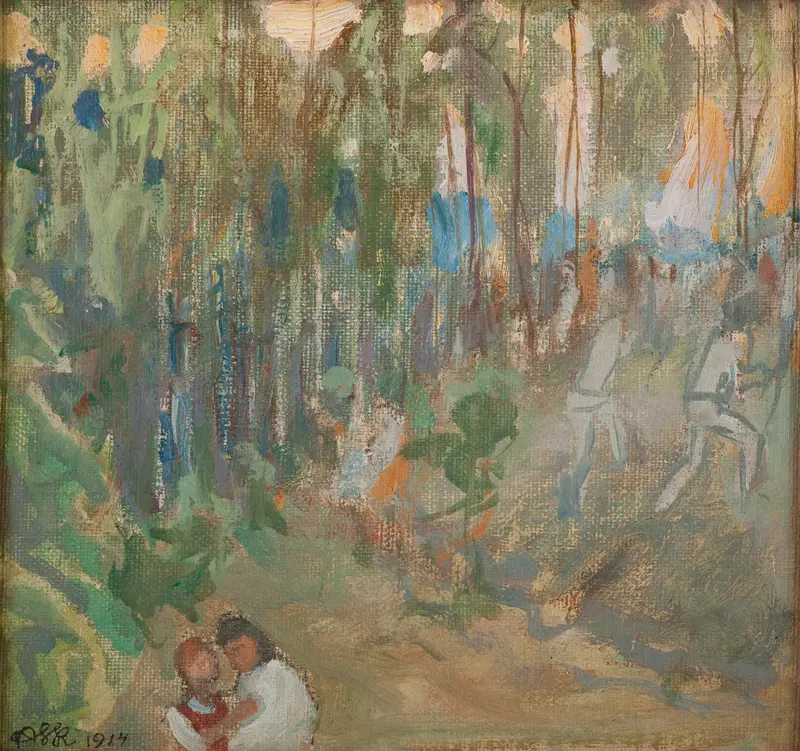
Vainovalkeat
Akseli Gallen-Kallela
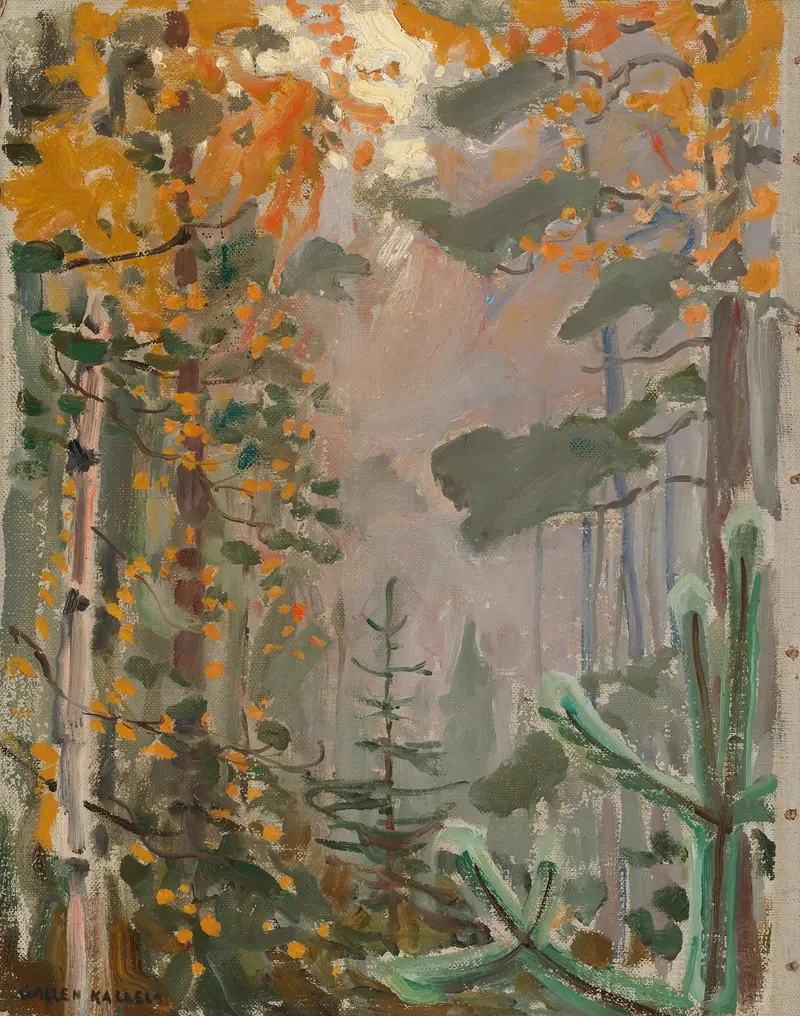
Autumn Landscape
Akseli Gallen-Kallela
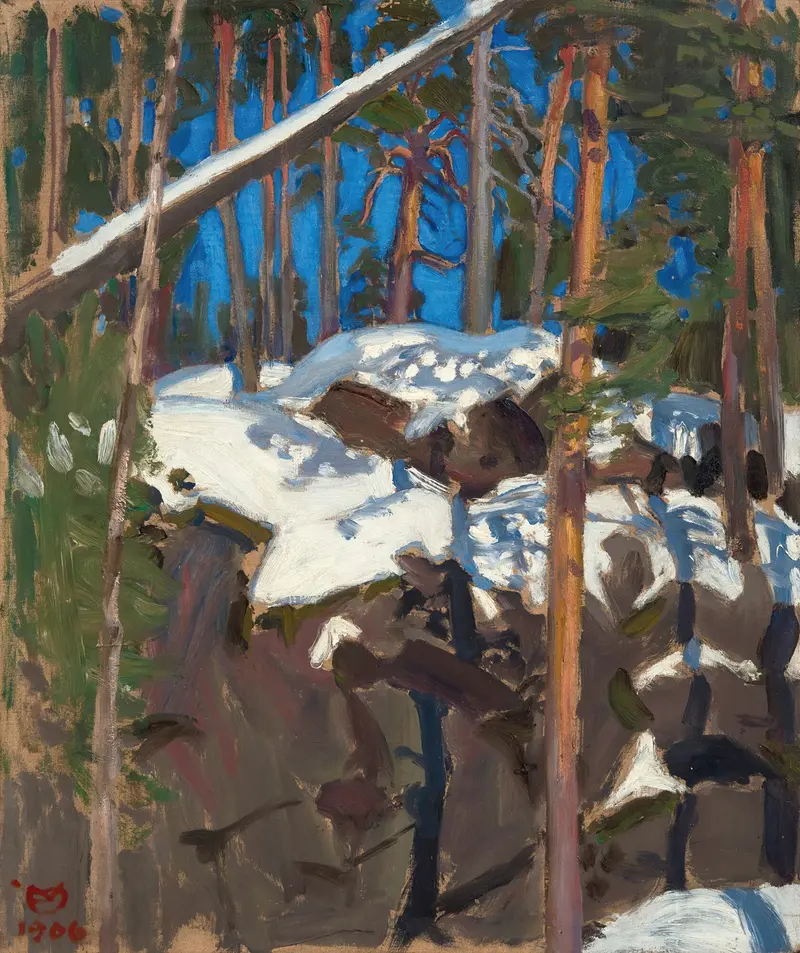
Spring Sun At Konginkangas
Akseli Gallen-Kallela
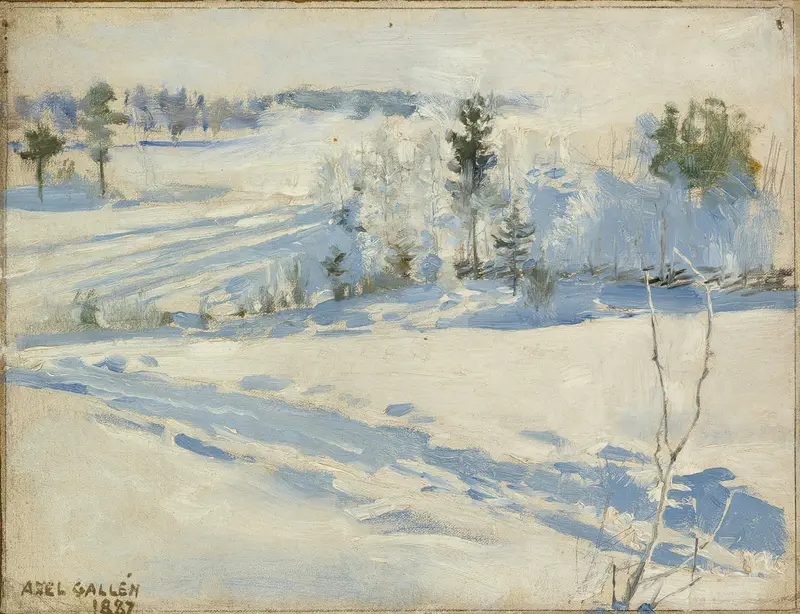
Winter Landscape
Akseli Gallen-Kallela

First Snow
Akseli Gallen-Kallela
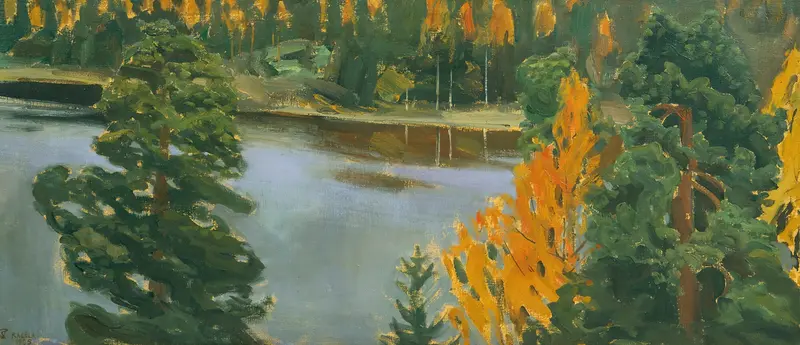
Lake View In Autumn
Akseli Gallen-Kallela
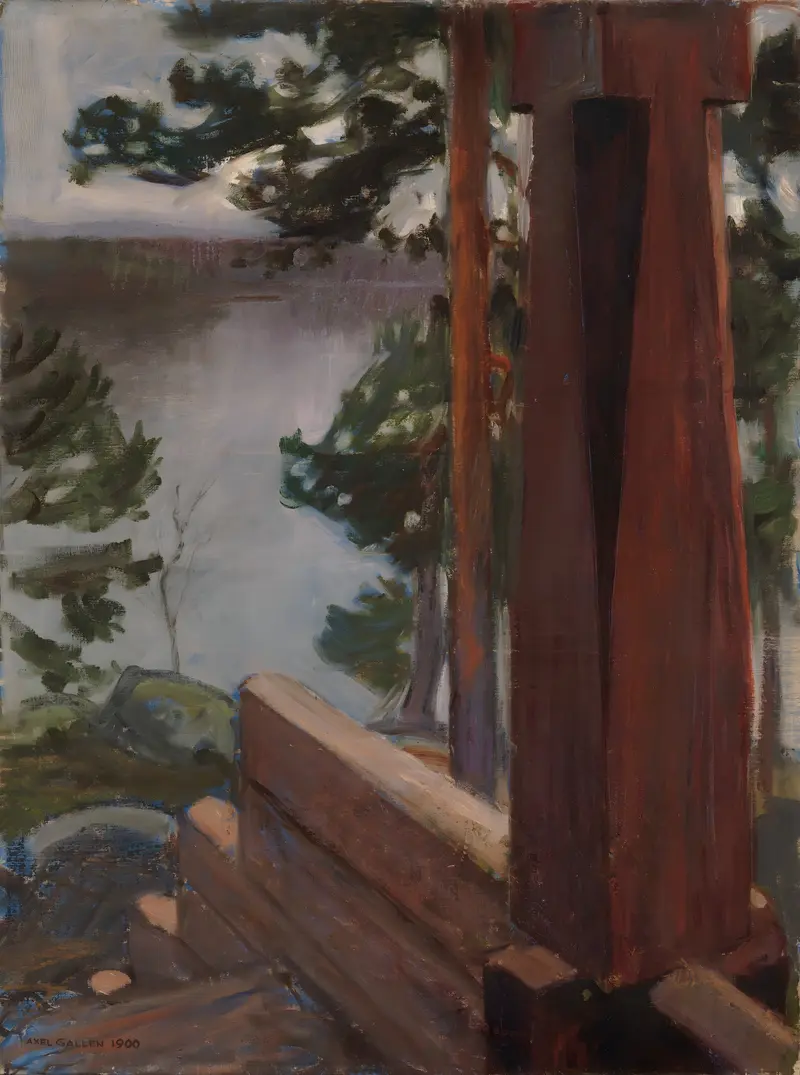
The Kalela Porch
Akseli Gallen-Kallela

Light Behind The Clouds
Akseli Gallen-Kallela
More Landscape Art

The Starry Night
Vincent van Gogh

View of Delft
Johannes Vermeer

Water Lilies
Claude Monet

The Grand Canal, Venice, looking north-west from the Ca' Corner to the Ca' Contarini degli Scrigni, with the campanile of Santa Maria della Carità
Canaletto

Windsor Castle
Canaletto

The Grand Canal looking North-East from the Palazzo Dolfin-Manin to the Rialto Bridge
Canaletto