Fairy tale of the north — History & Facts
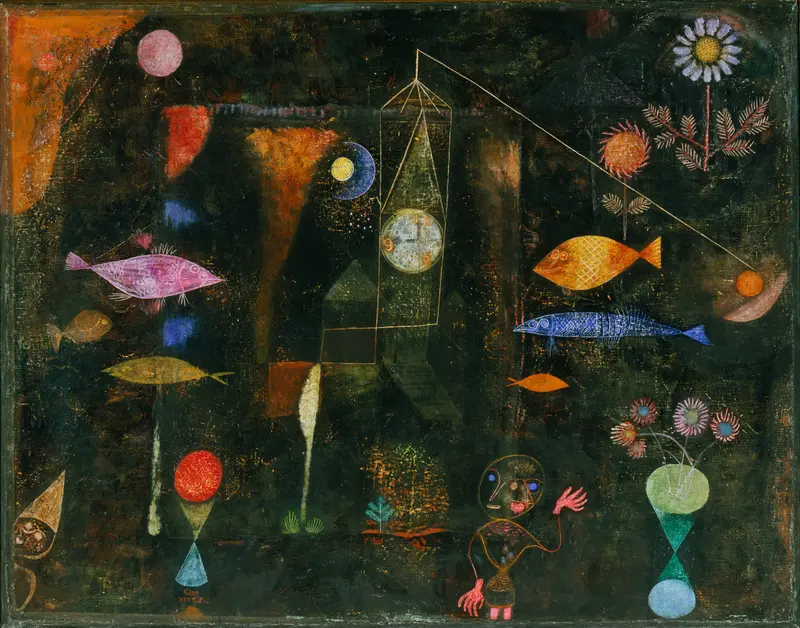
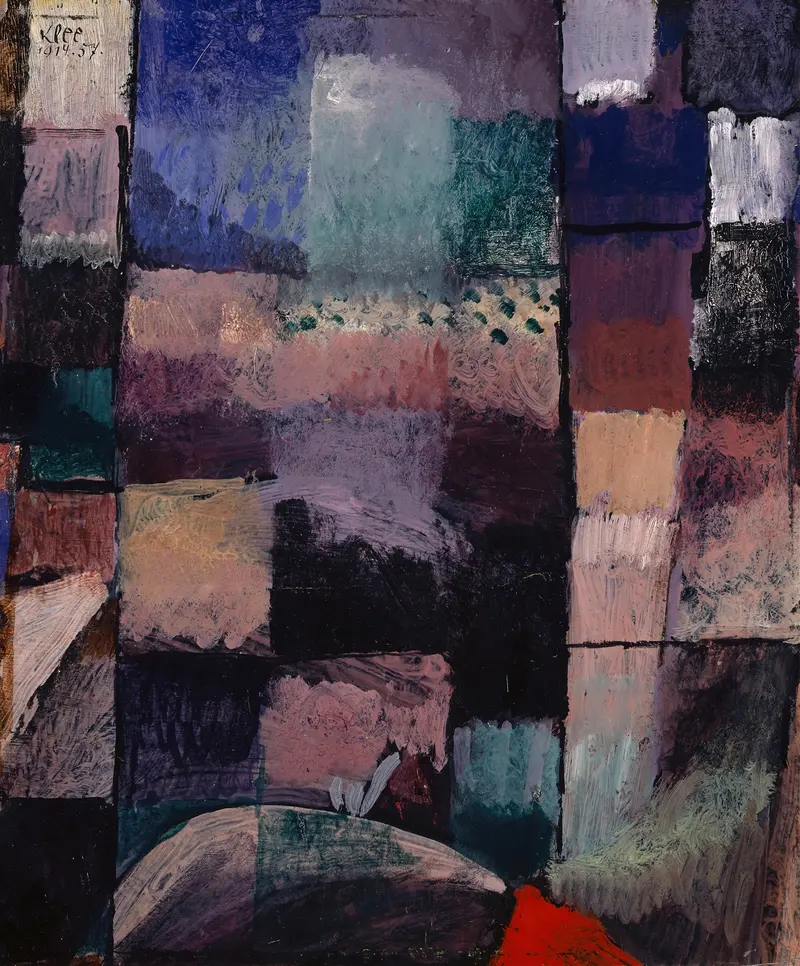
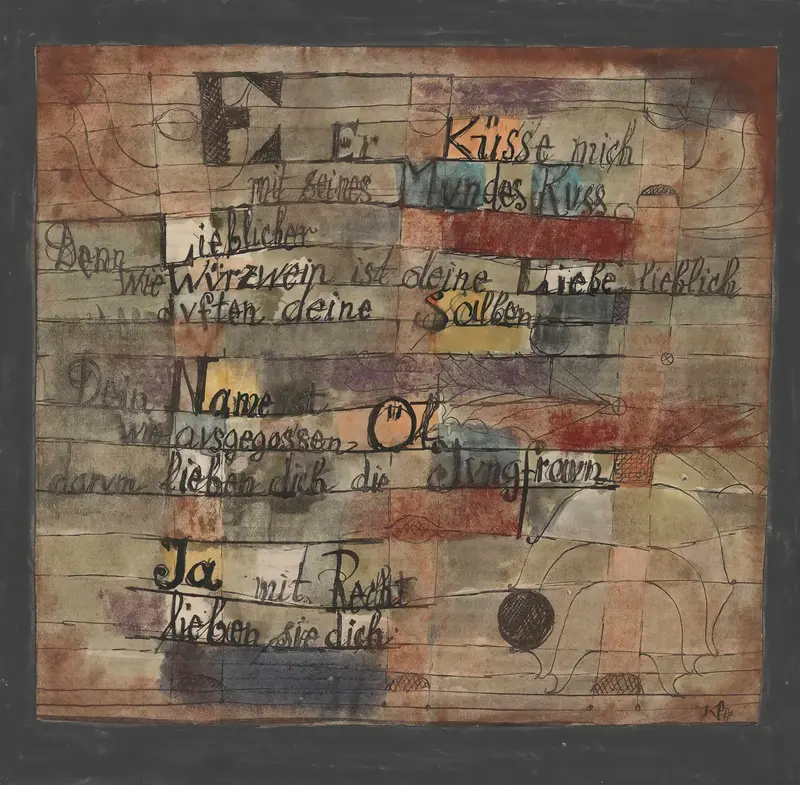
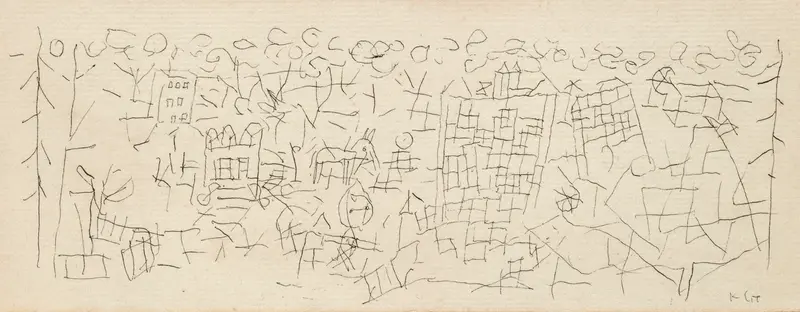
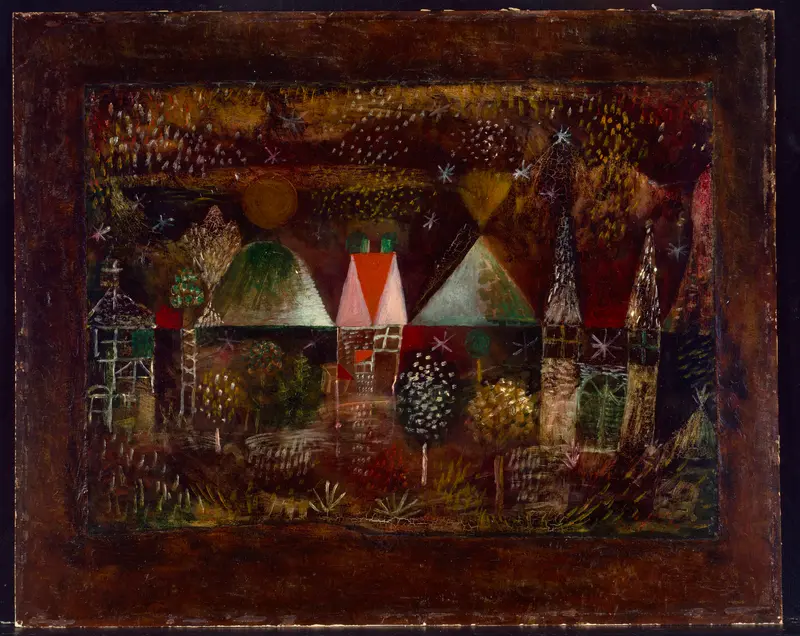
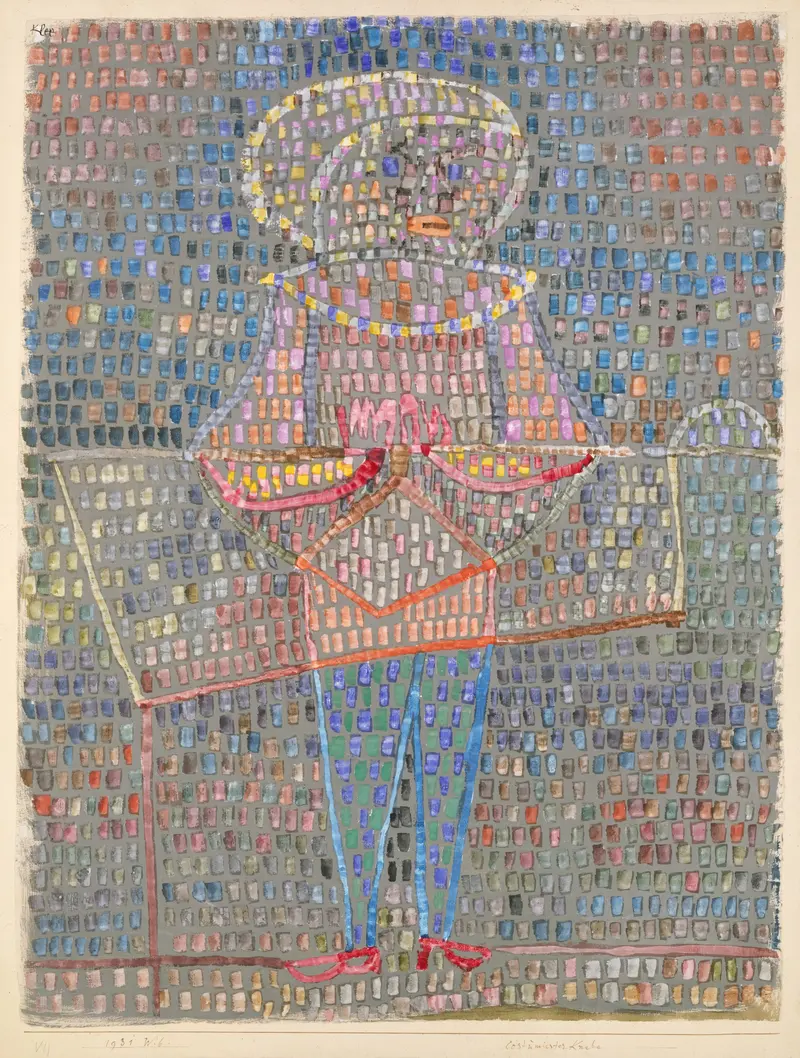
In Fairy tale of the north, Paul Klee uses vibrant colors and whimsical shapes to create a dreamlike landscape. The painting features figures that seem to float in a surreal environment, surrounded by abstract forms and patterns. Bright blues, greens, and yellows dominate the canvas, evoking a sense of wonder and imagination.
The overall composition invites viewers to explore a world that feels both familiar and fantastical. The painting is characterized by Klee's signature use of line and color, blending abstraction with figuration. Klee often employed a technique of layering colors to create depth and texture, which is evident in this work. The figures are simplified and stylized, reflecting Klee's interest in childlike forms and innocence.
This piece exemplifies the Expressionist style, where emotion and imagination take precedence over realistic representation. Paul Klee was a Swiss artist associated with the Expressionist movement, known for his unique approach to color and form. Fairy tale of the north reflects Klee's fascination with storytelling and the subconscious. Interestingly, Klee often drew inspiration from his dreams, and this painting embodies that dreamlike quality.
It is a testament to his belief that art should be a reflection of one's inner world.