
Filips de Goede, Karel de Stoute en twee ridders — History & Facts
The air hangs heavy with unspoken desires and ambitions, as if each figure carries the weight of their unfulfilled dreams. In this intimate gathering, the tension between power and vulnerability creates an invisible thread that binds them together. Look to the left where the two knights stand, their postures conveying both pride and a subtle unease. Observe the contrasts in their attire; one is adorned in a shimmering suit of armor that gleams in the muted light, while the other’s garb is more subdued, hinting at different social standings or personal motivations.
Notice how the artist skillfully plays with light and shadow, illuminating their faces while leaving the background in a soft obscurity, emphasizing the emotional gravity of the moment. Beneath the surface of their regal composure lies a complex narrative of rivalry and camaraderie. The subtle tilt of their heads suggests a shared understanding, perhaps a silent acknowledgment of the ambitions that drive them and the sacrifices they’ve made. The choice of colors—rich reds and deep blues—evokes a sense of both nobility and the darker undertones of desire that permeate their interactions, hinting at alliances forged in the crucible of unyielding aspirations. Jacob Cornelisz van Oostsanen created this work in the early 16th century, during a period marked by political upheaval and shifting allegiances in Europe.
As a prominent Dutch painter based in Amsterdam, he was influenced by the rising interest in humanist themes and portraiture, reflecting the complexities of social dynamics and the pursuit of power. In this context, the work stands as a testament to the interplay of ambition and vulnerability among the nobility of his time.
More Artworks by Jacob Cornelisz van Oostsanen
Browse all →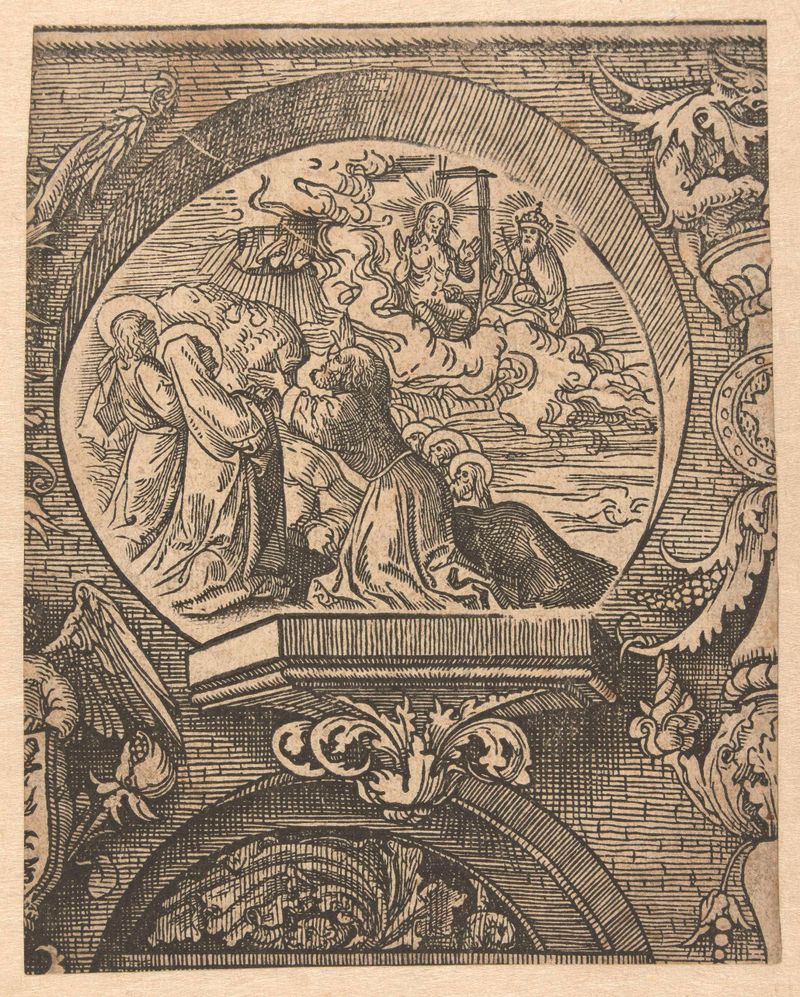
De hemelvaart en Christus voor God de Vader
Jacob Cornelisz van Oostsanen
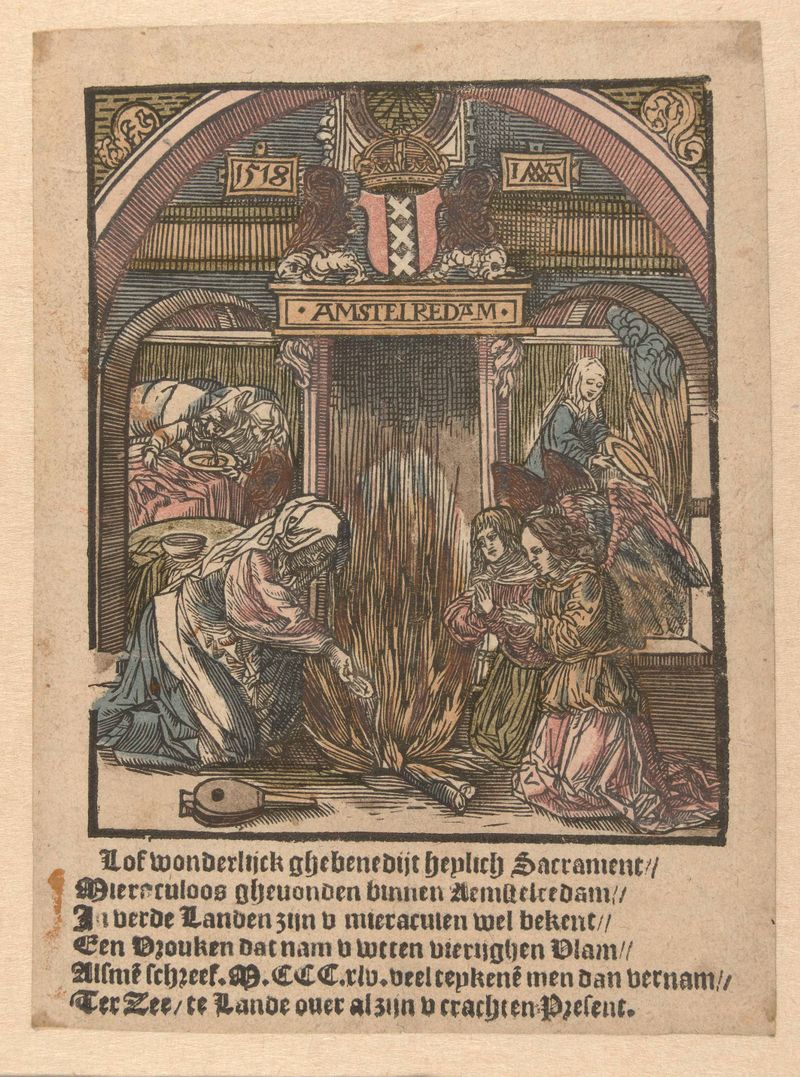
Het hostiewonder van Amsterdam
Jacob Cornelisz van Oostsanen
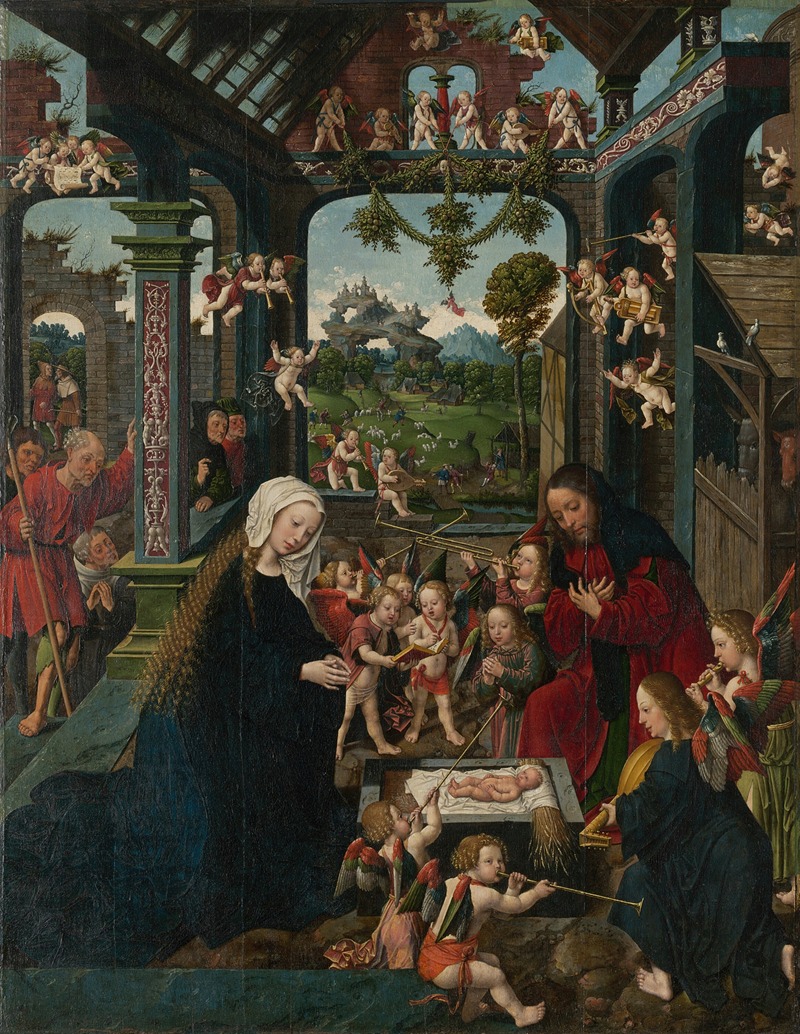
The Adoration of the Christ Child
Jacob Cornelisz van Oostsanen
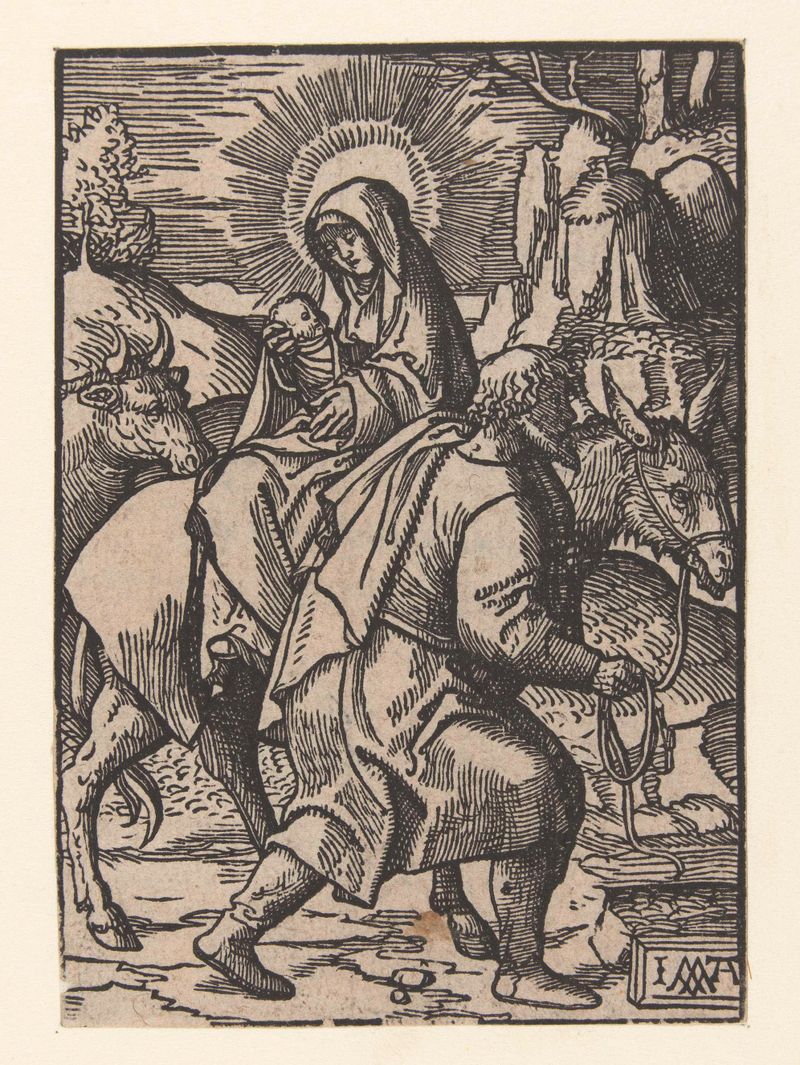
Vlucht naar Egypte
Jacob Cornelisz van Oostsanen
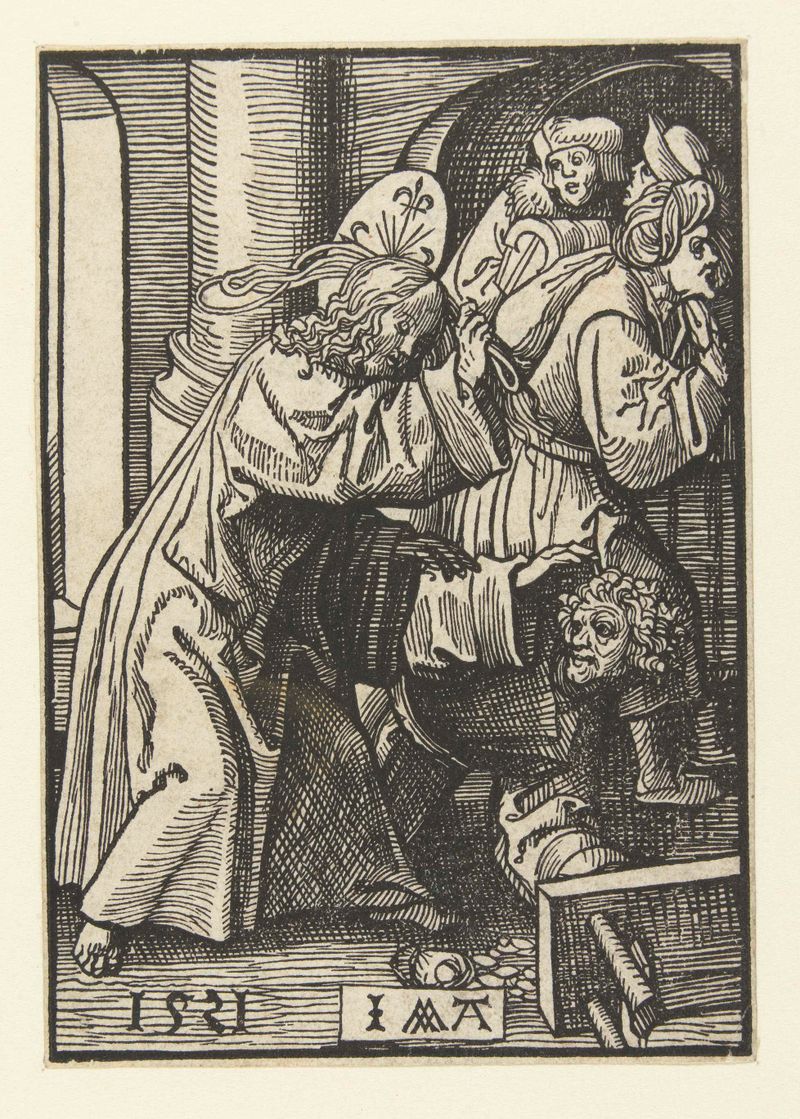
Verdrijving van de handelaren uit de tempel
Jacob Cornelisz van Oostsanen
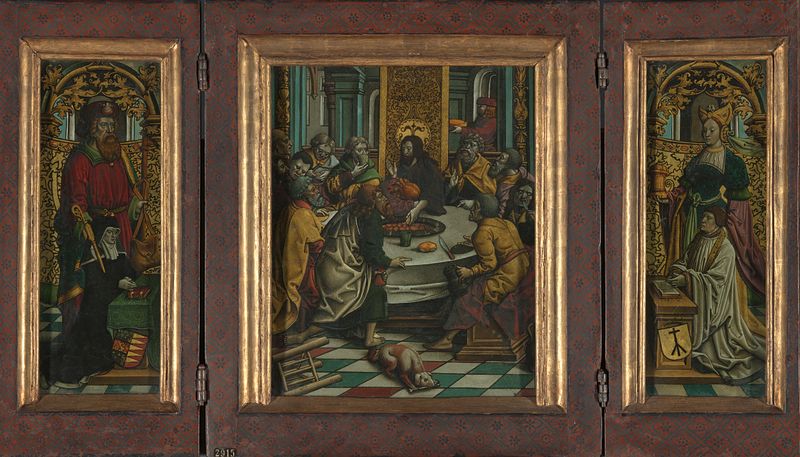
Triptych with the Last Supper and Donors
Jacob Cornelisz van Oostsanen
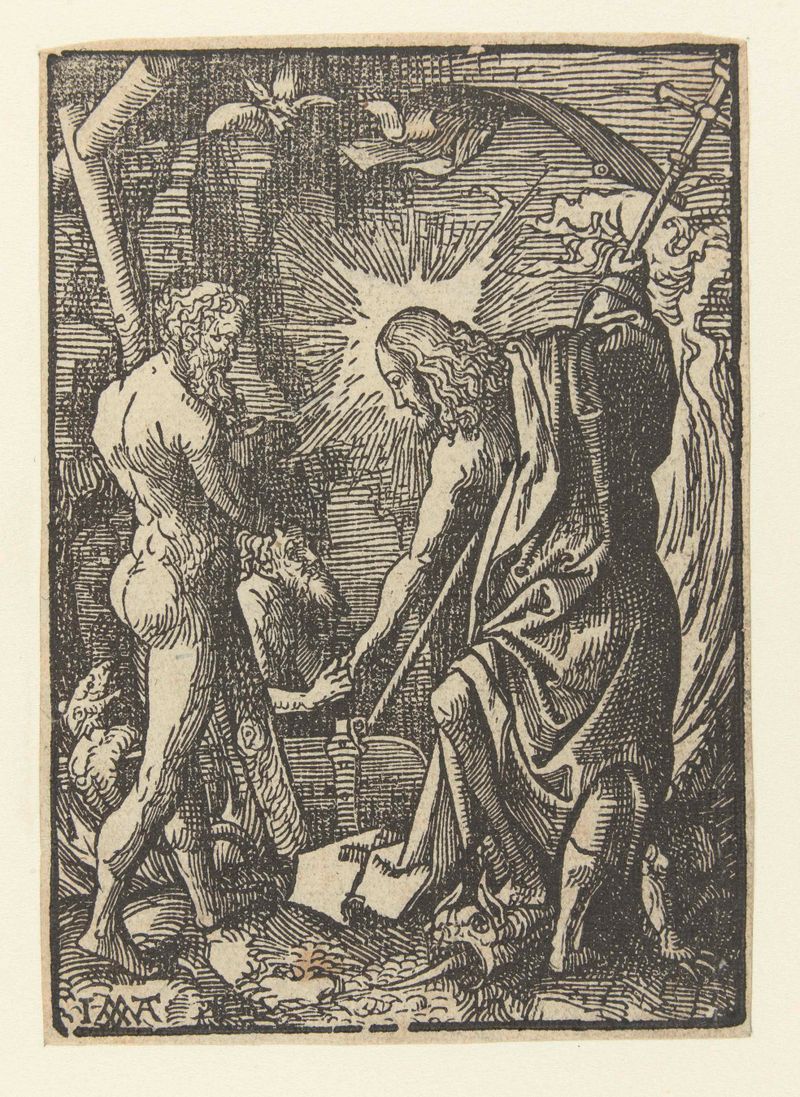
Christus in het voorgeborchte
Jacob Cornelisz van Oostsanen
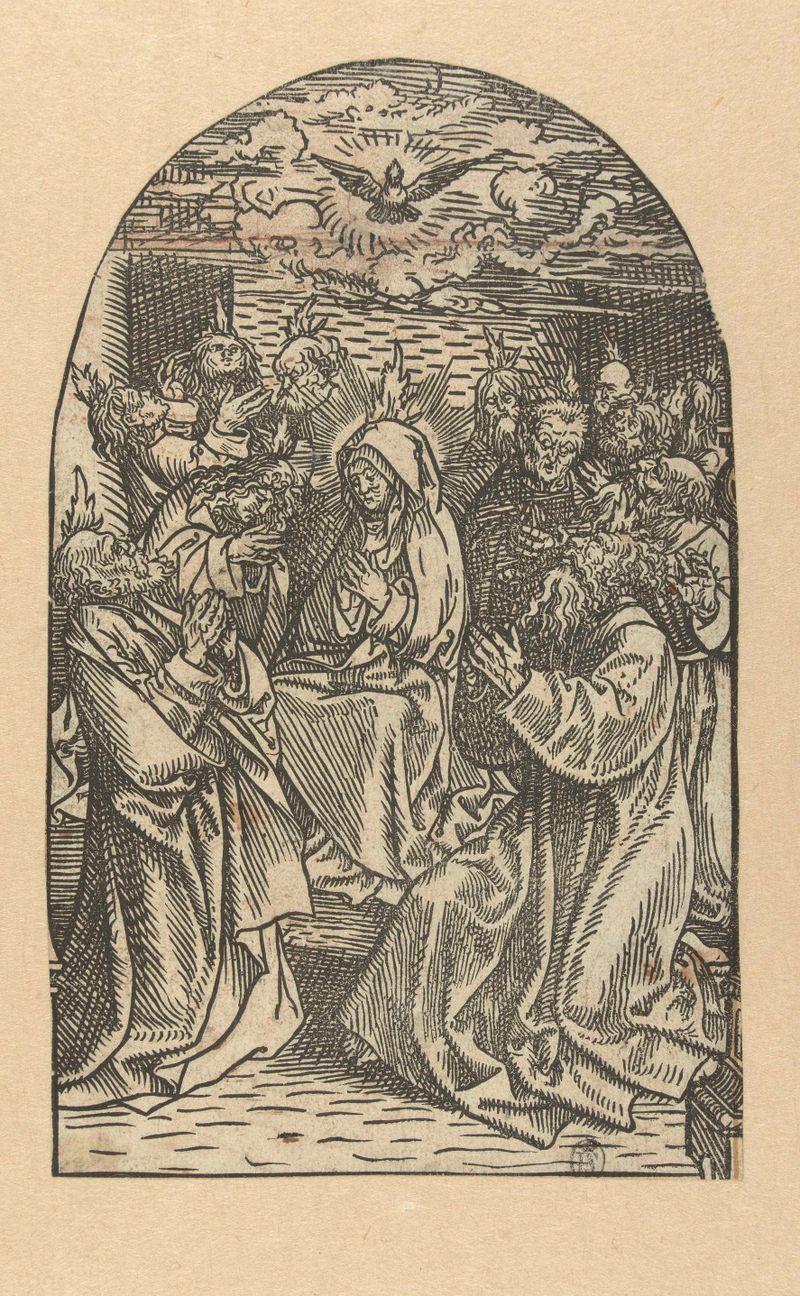
Uitstorting van de Heilige Geest
Jacob Cornelisz van Oostsanen
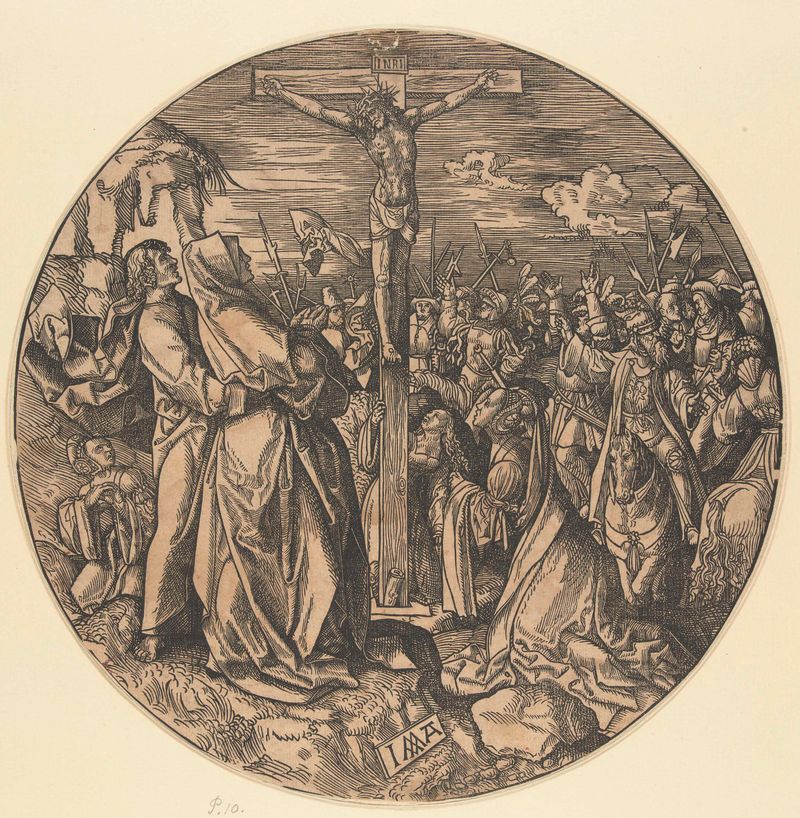
Christus aan het kruis
Jacob Cornelisz van Oostsanen

De kruisiging en de graflegging van Christus
Jacob Cornelisz van Oostsanen
More Historical Art
Browse all →
The Night Watch Militia Company of District II under the Command of Captain Frans Banninck Cocq
Rembrandt van Rijn

Lincoln Memorial
Henry Bacon

The Third of May 1808
Francisco de Goya

Isaac and Rebecca, Known as ‘The Jewish Bride’
Rembrandt van Rijn

The Charge of the Mamelukes (1814)
Francisco de Goya

De vier ruiters van de apocalyps
Albrecht Dürer