
Fischerkaten — History & Facts
Sunlight pours across the yellow walls of these thatched cottages, drawing the viewer’s eye immediately to the warmth at the heart of the scene. The shadows beneath the eaves and the deep greens of the trees frame the houses, their branches twisting like dark veins against a sky that seems to pulse with movement. There is a sense of stillness, but not silence—the brushwork animates the leaves, the roof, even the sandy ground, suggesting a world alive just out of sight.
The angle of the buildings, slightly askew, hints at the individuality of each structure, while the vibrant palette gives the humble subject a sense of dignity and presence. Painted in 1932, Fischerkaten belongs to a world on the edge of change, as the traditions of rural life met the uncertainties of the twentieth century. Works like this, by artists of Die Brücke and their circle, were rarely made for grand salons; they were often painted for fellow artists, local collectors, or simply for the artist’s own need to record a vanishing landscape. Hermann Max Pechstein was known for his bold colors and expressive forms, and here, the Brücke-Museum Berlin preserves a moment of his vision—an everyday scene transformed by the artist’s hand.
As you look again, notice how the shadows and light carve out space, making the familiar strange and worth a second glance.
More Artworks by Hermann Max Pechstein
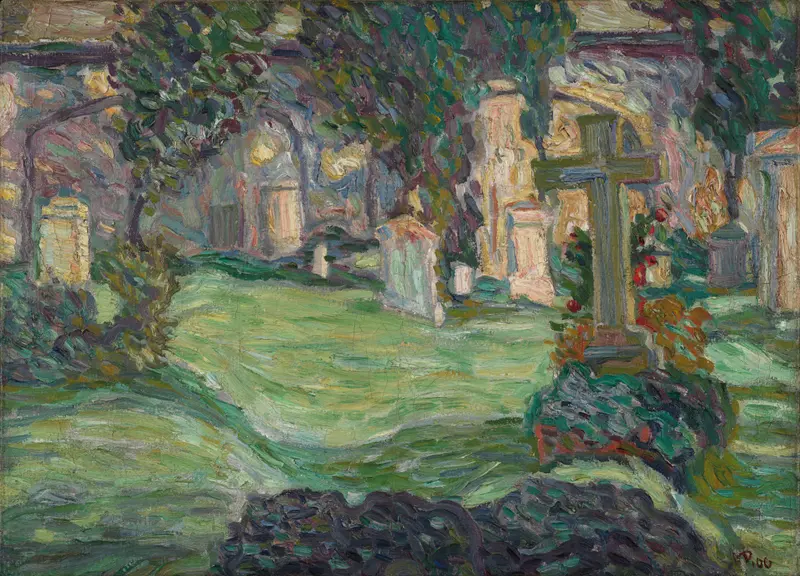
Max Pechstein Eliasfriedhof in Dresden
Hermann Max Pechstein

Früchte
Hermann Max Pechstein
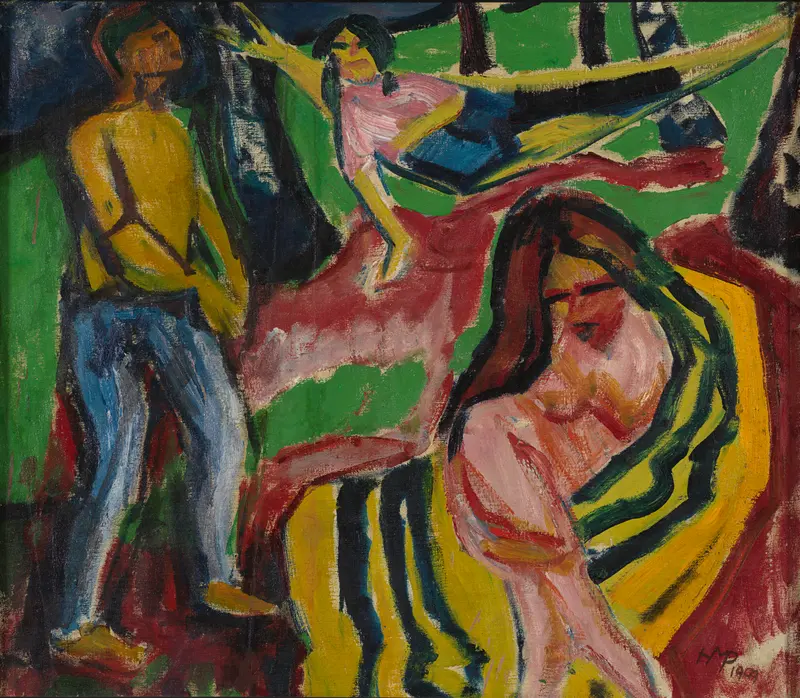
Im Wald bei Moritzburg
Hermann Max Pechstein
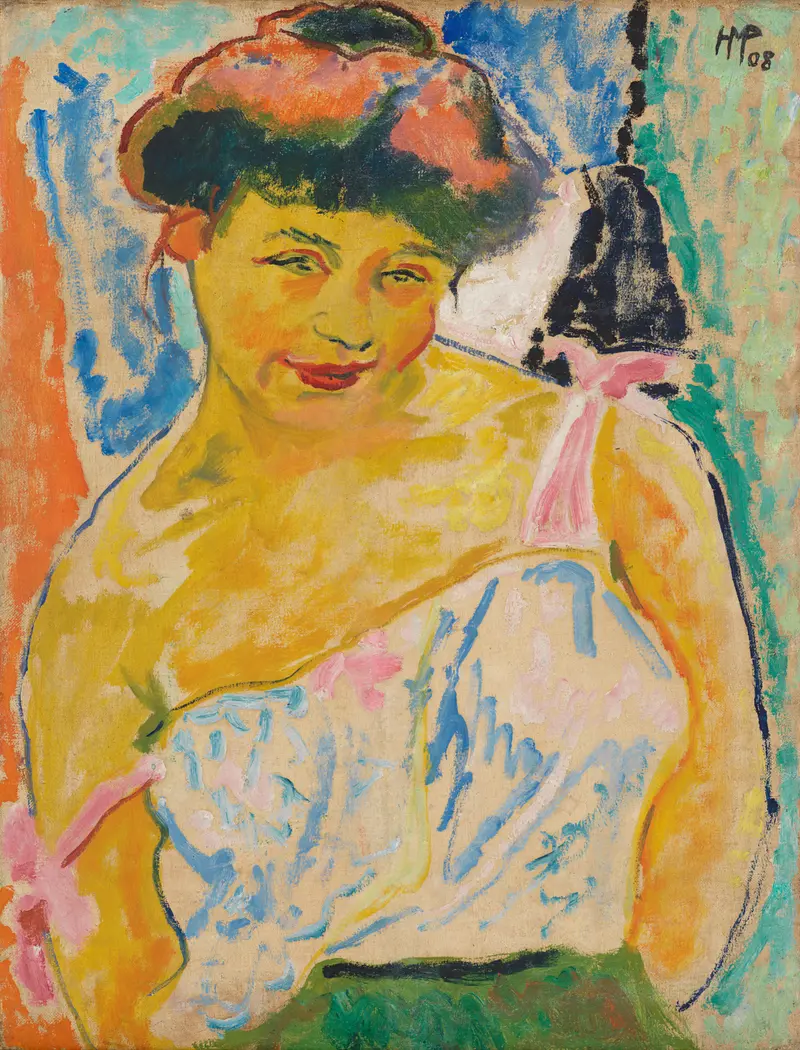
Junges Mädchen
Hermann Max Pechstein
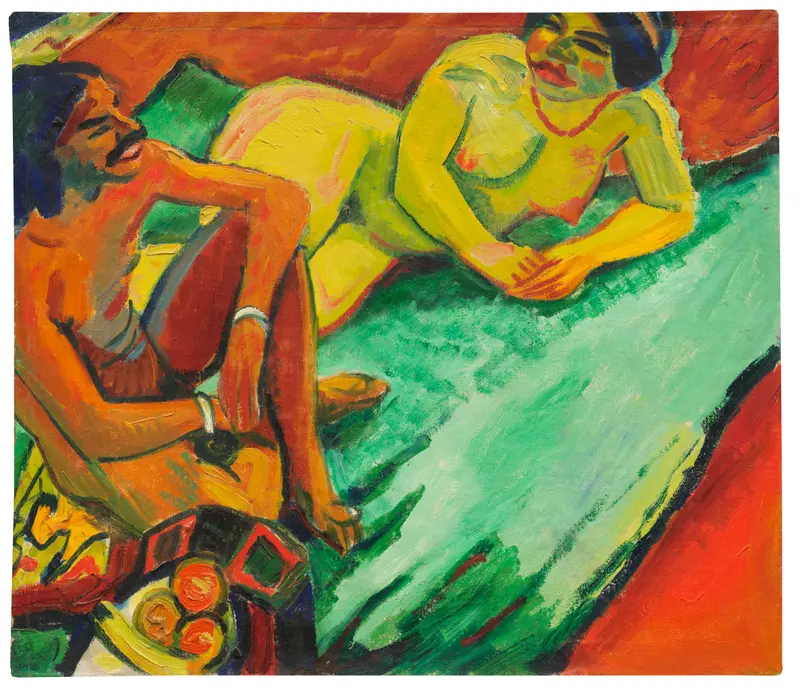
Weib mit Inder auf Teppich
Hermann Max Pechstein
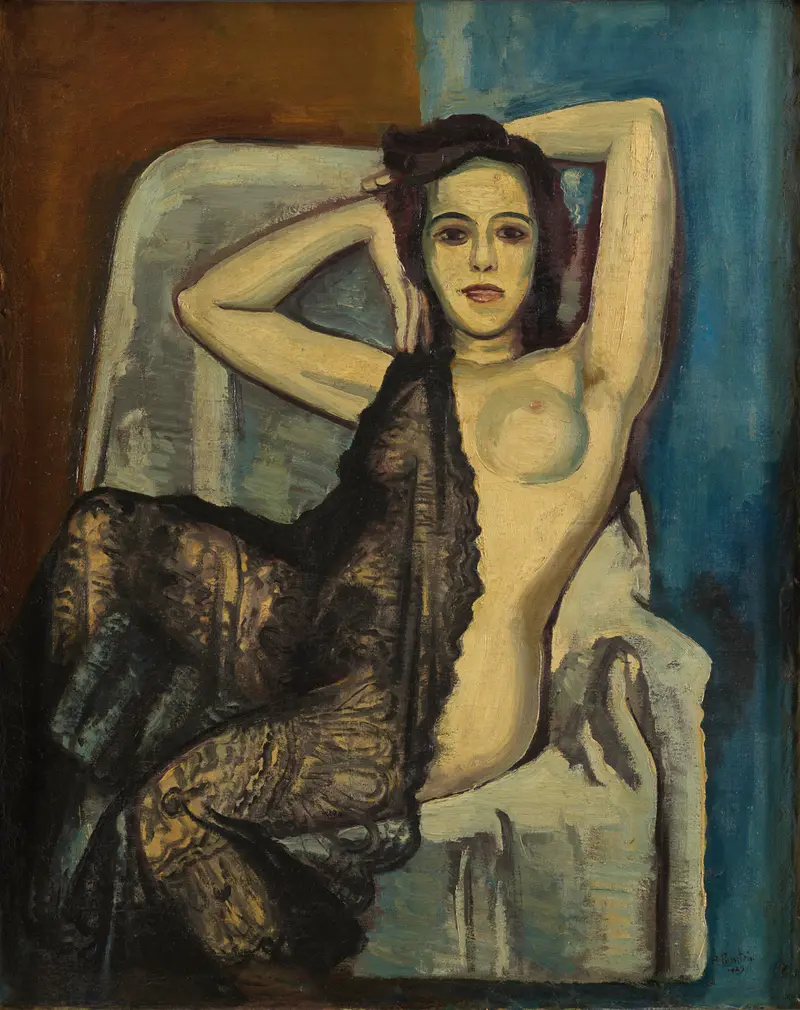
Max Pechstein Mädchen mit Schleier
Hermann Max Pechstein
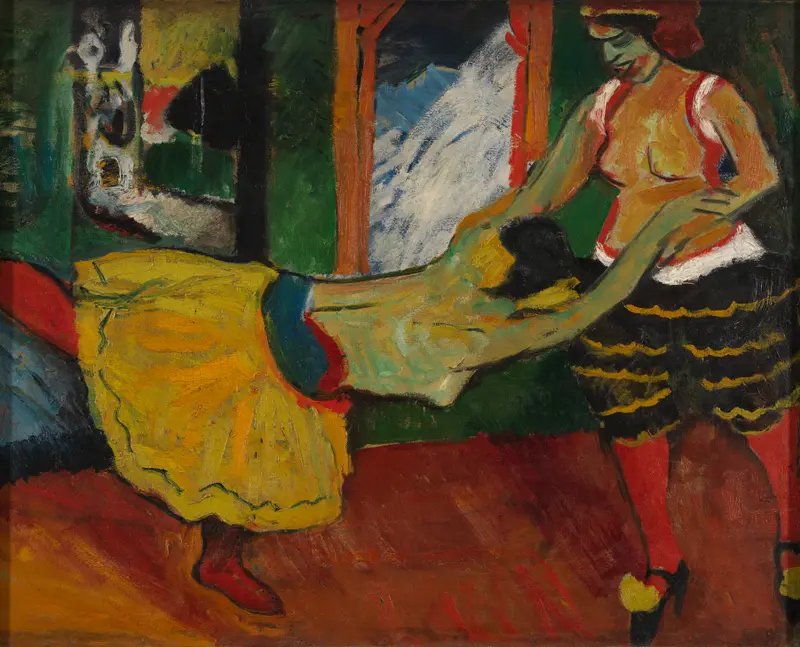
Max Pechstein Tanz
Hermann Max Pechstein
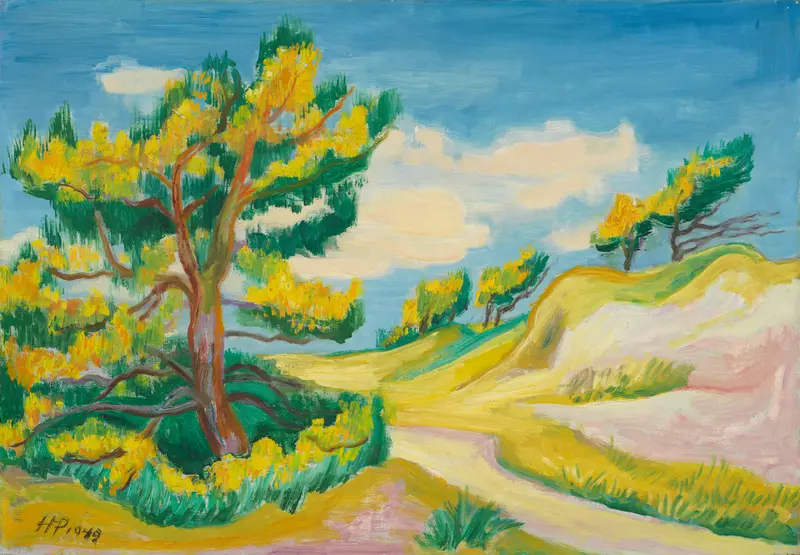
Blühende Kiefern in den Dünen
Hermann Max Pechstein

Die Quelle
Hermann Max Pechstein
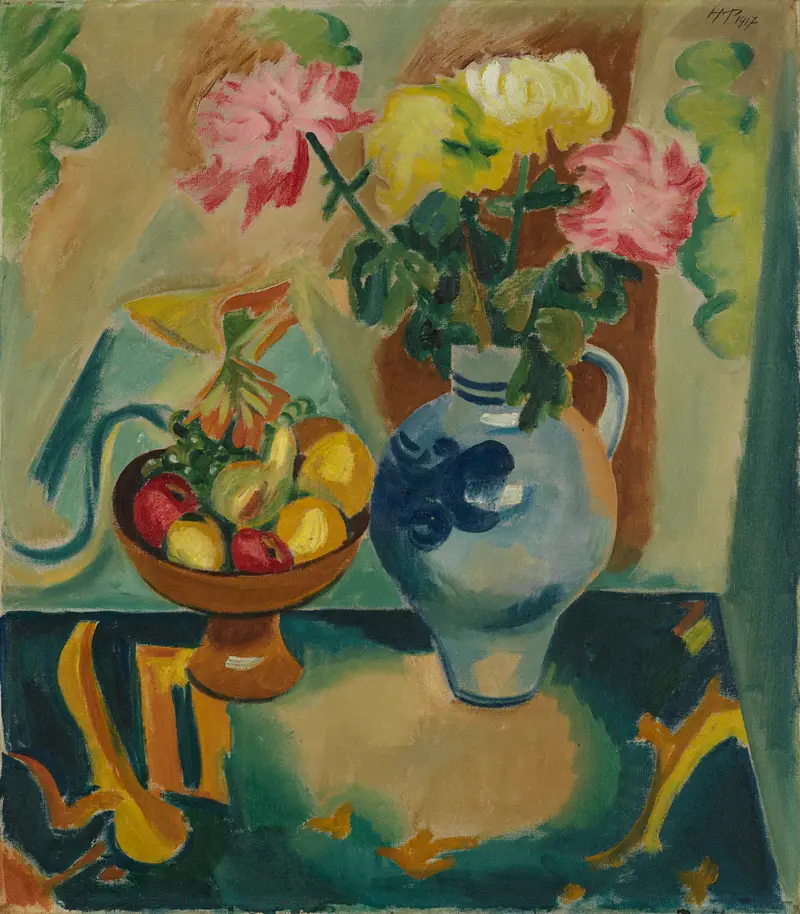
Stilleben mit Chrysanthemen und Früchten
Hermann Max Pechstein
More Landscape Art

The Starry Night
Vincent van Gogh

View of Delft
Johannes Vermeer

Water Lilies
Claude Monet

The Grand Canal, Venice, looking north-west from the Ca' Corner to the Ca' Contarini degli Scrigni, with the campanile of Santa Maria della Carità
Canaletto

Windsor Castle
Canaletto

The Grand Canal looking North-East from the Palazzo Dolfin-Manin to the Rialto Bridge
Canaletto