
Five O'Clock Tea — History & Facts
When Five O'Clock Tea was first exhibited in 1880, critics immediately recognized it as a bold statement by Mary Cassatt, an American woman painting in Paris at a time when few women were welcomed into the art world. The painting drew attention not just for its subject, but for its modernity: here was a work that captured the rituals of upper-middle-class life in the Belle Époque, painted by someone who was herself both an insider and outsider to these circles. The tea hour, a relatively new social custom imported from England, became a stage for Cassatt’s exploration of women’s private worlds.
As one reviewer in Le Figaro wrote, "Mlle. Cassatt observes the Parisienne with an American's eye, yet with a Parisian's understanding." At the heart of the scene, two women sit in a sunlit parlor, their attention divided between each other and the delicate porcelain cups in their hands. Cassatt freezes the moment just as conversation pauses, the steam rising from the tea and the light glancing off a silver spoon.
The woman on the left leans forward, her gloved hand resting on the table, suggesting intimacy and confidence, while her companion listens, her body turned slightly away in a gesture of reserve. The carefully rendered lace, the patterned wallpaper, and the play of light on fabric all speak to the comforts and constraints of the domestic sphere. Unlike Degas, whose scenes of Parisian life often reveal a sense of detachment or irony, Cassatt’s gaze is attentive and empathetic, her brushwork both precise and lively. The exact details of Five O'Clock Tea's early provenance are not fully known, but it is typical of Cassatt’s works from the 1880s, many of which were purchased by American collectors eager to bring Impressionism across the Atlantic.
The painting marks a turning point in Mary Cassatt’s career, as she began to focus on intimate interiors and the daily lives of women, themes that would define her mature style. Today, Five O'Clock Tea is recognized as a key example of her contribution to the Impressionist movement, celebrated for its insight into both the material and emotional textures of modern life. Its current home is in a major American museum, where it continues to invite viewers into a quietly revolutionary moment.
More Artworks by Mary Cassatt

The Child's Bath
Mary Cassatt
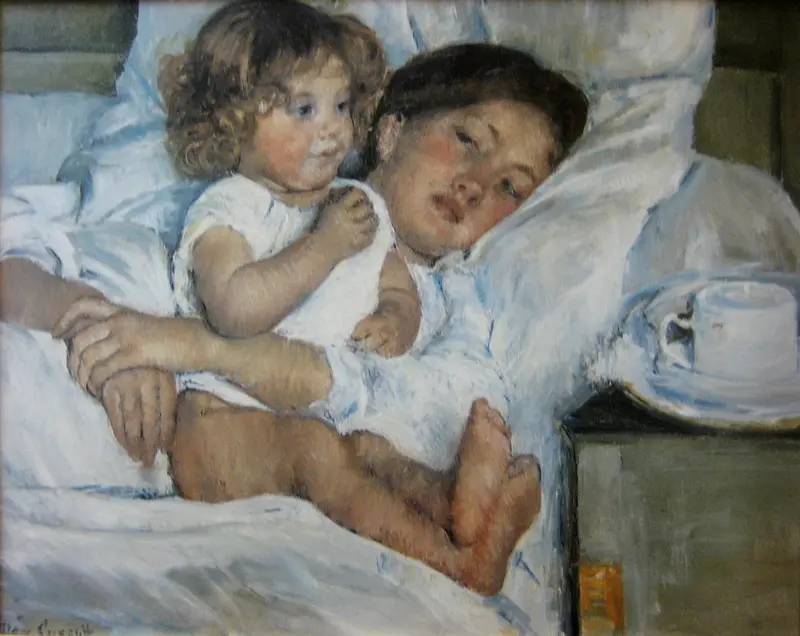
Breakfast in Bed
Mary Cassatt

Mother and Child (Baby Getting Up from His Nap)
Mary Cassatt
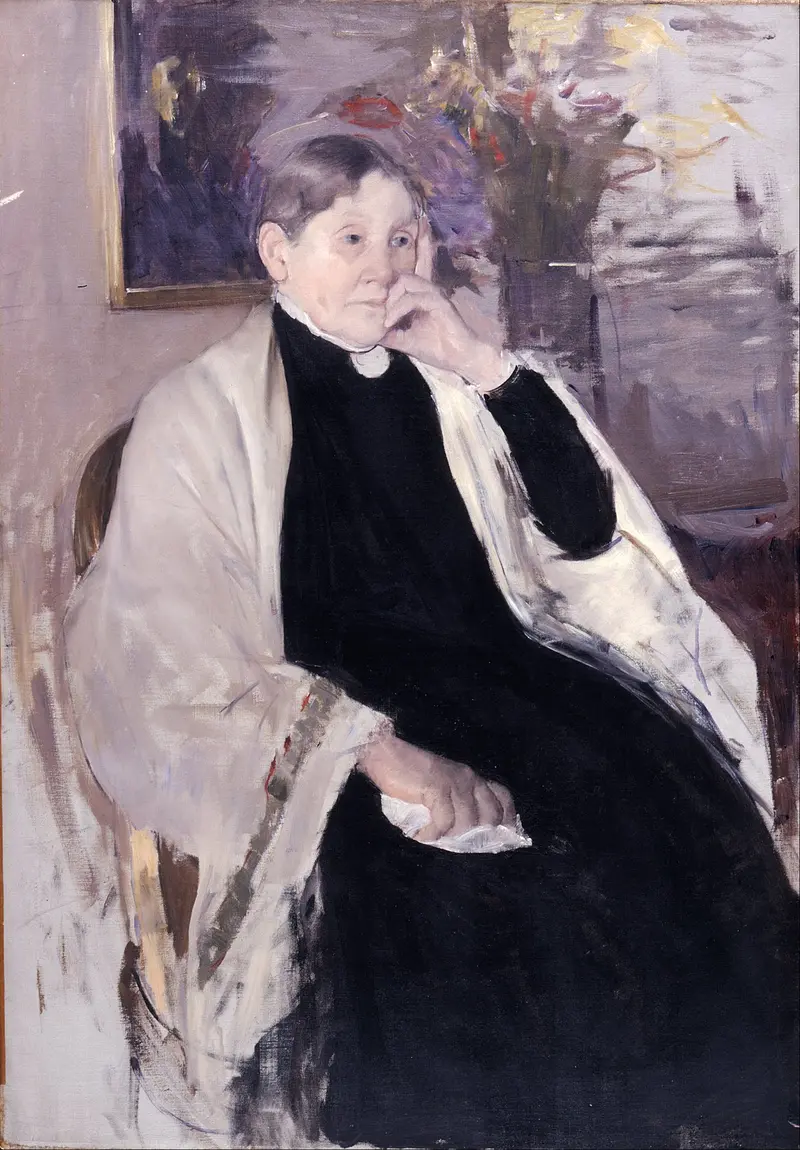
Mrs. Robert S. Cassatt, the Artist's Mother
Mary Cassatt
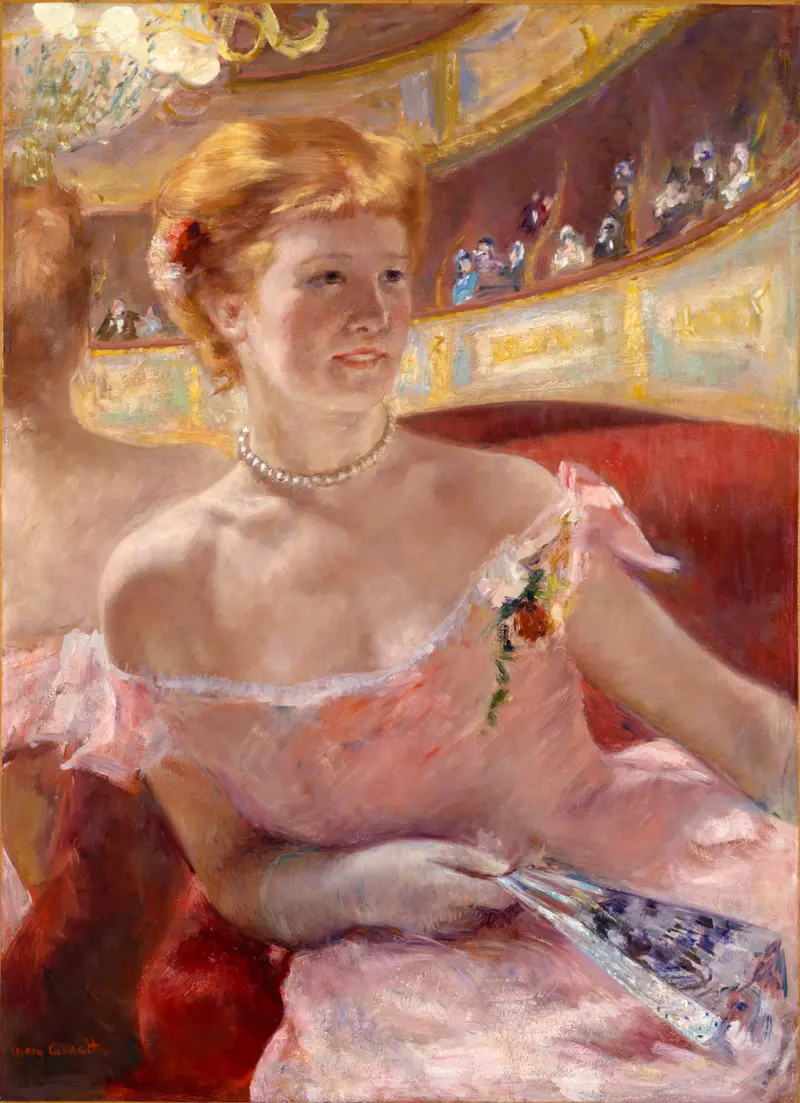
Woman with a Pearl Necklace in a Loge
Mary Cassatt
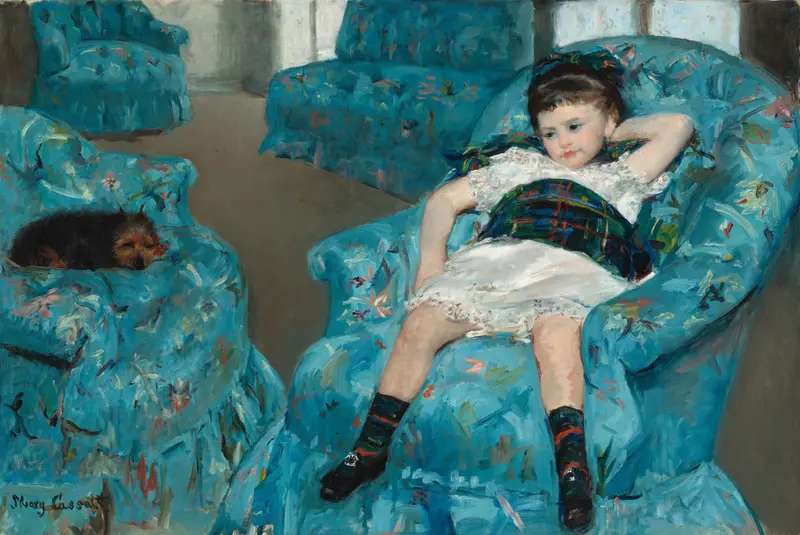
Little Girl in a Blue Armchair
Mary Cassatt
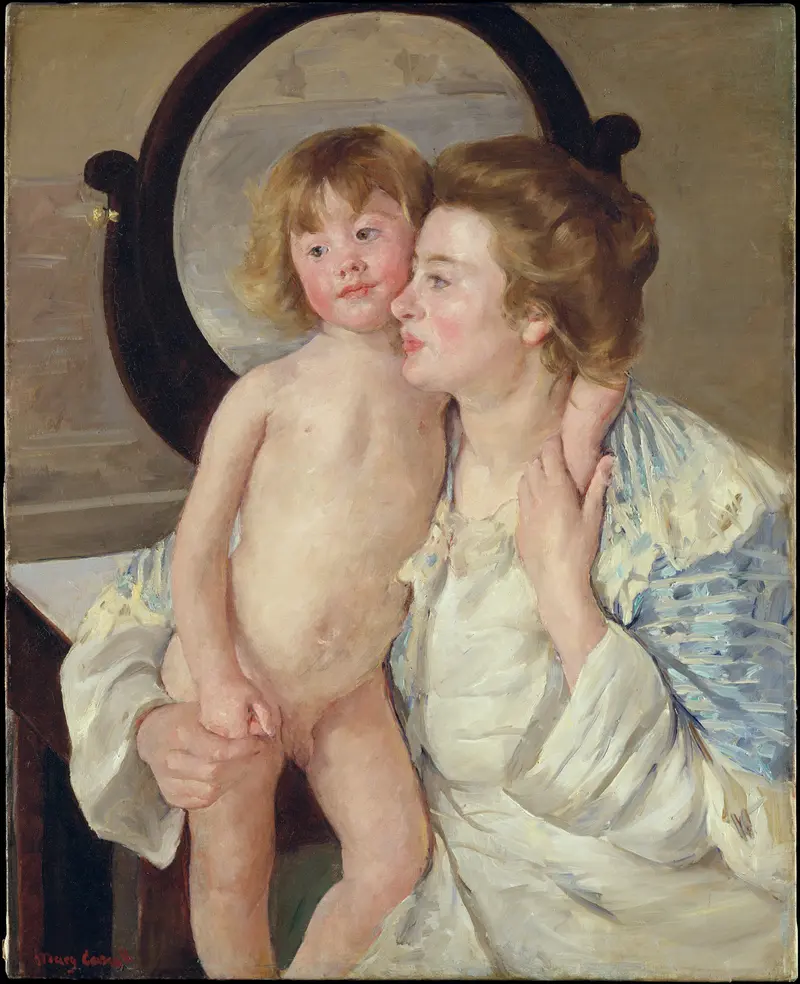
Mother and Child (The Oval Mirror)
Mary Cassatt
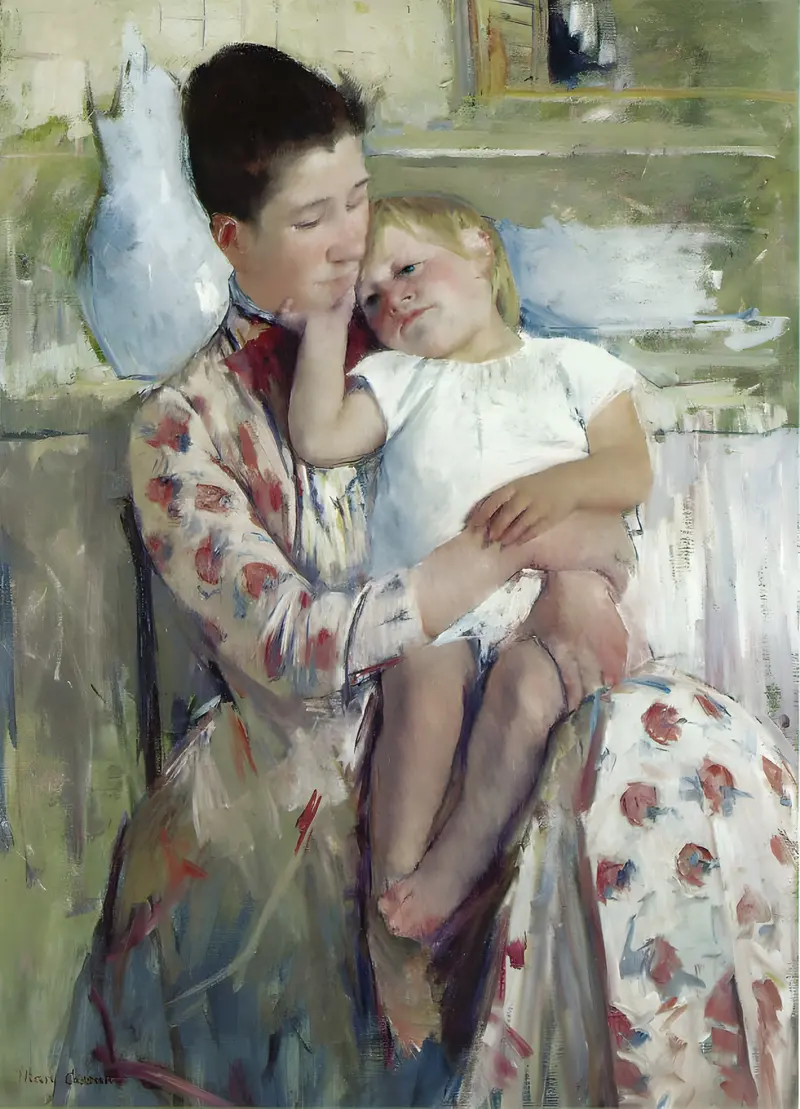
Mother and Child
Mary Cassatt
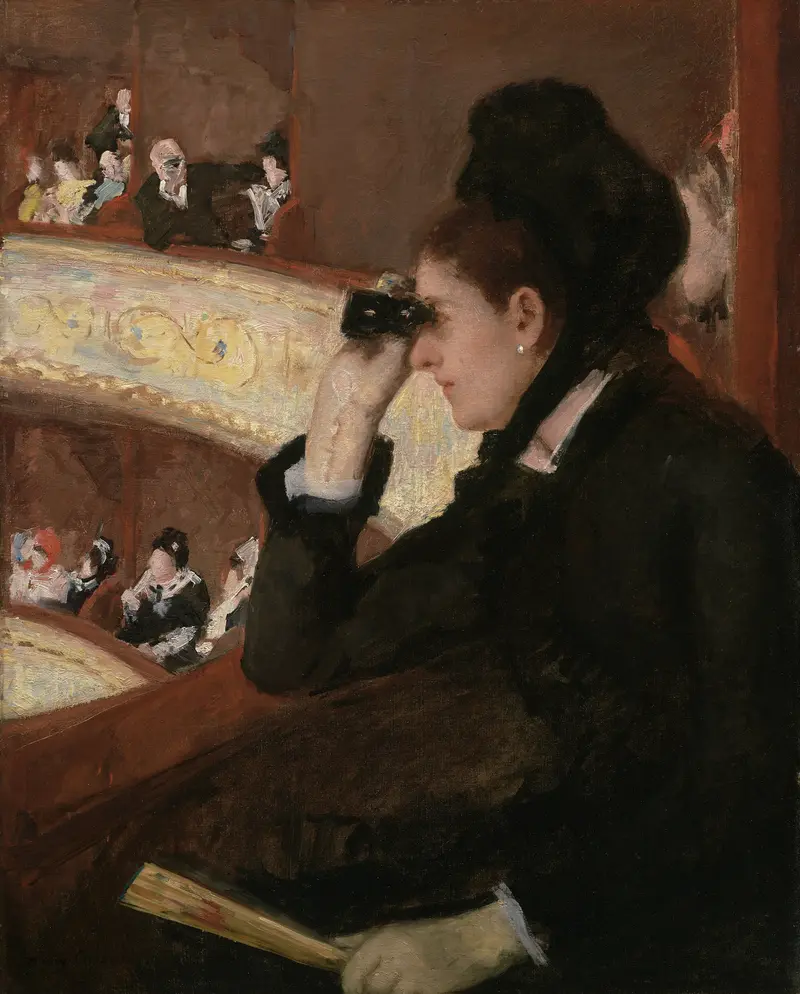
In The Loge
Mary Cassatt
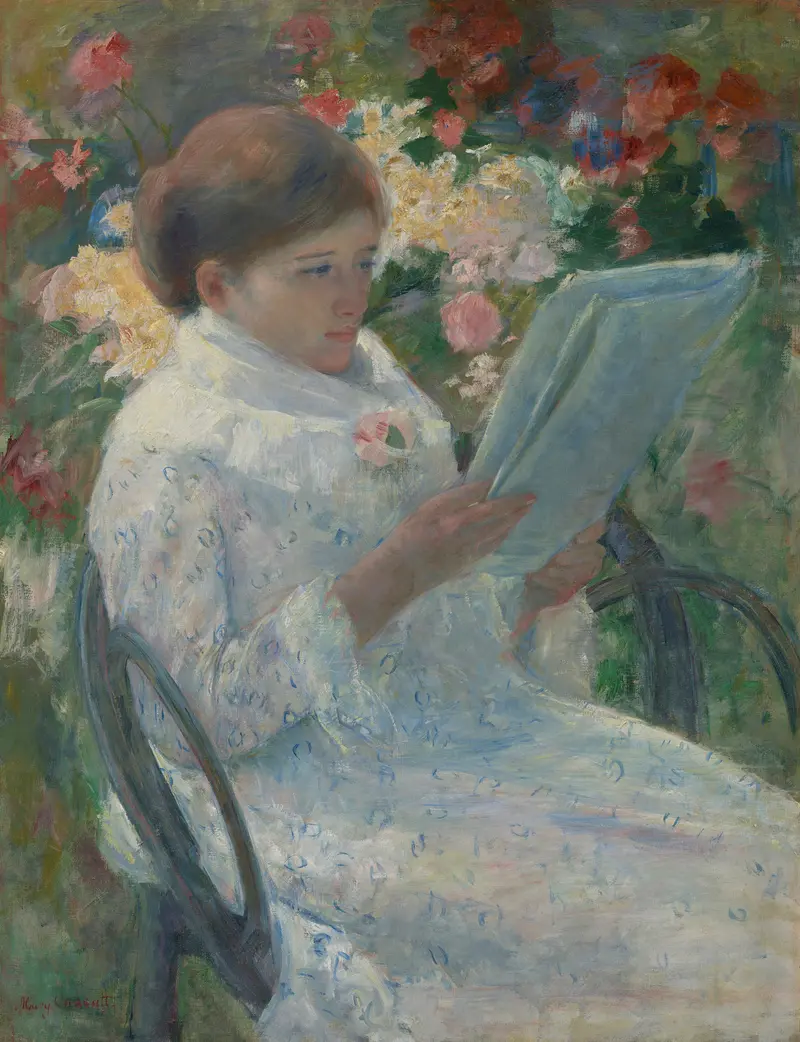
On a Balcony
Mary Cassatt
More Genre Scene Art

Banquet of the Officers of the St George Civic Guard
Frans Hals

Rembrandt and Saskia in the Scene of the Prodigal Son
Rembrandt van Rijn

Bal du moulin de la Galette
Pierre-Auguste Renoir

Quadrille at the Moulin Rouge
Henri de Toulouse-Lautrec

A Burial at Ornans
Gustave Courbet

When Will You Marry?
Paul Gauguin