
Floris II, Dirk VI, Floris III en Dirk VII — History & Facts
In a world filled with uncertainty, where faith often wavers, art transcends mere representation, inviting viewers into a realm of deeper reflection. Begin your exploration by focusing on the four figures at the center, where Jacob Cornelisz van Oostsanen meticulously captures their expressions and garments. The vibrant reds and deep blues of their clothing contrast with the muted background, drawing your gaze effortlessly to their solemn faces. Notice how the light accentuates the folds of their drapery, creating a rich texture that invites touch.
Each detail, from the gold embroidery to the delicate hands clasped in prayer, speaks volumes of their status and devotion. As you delve deeper, consider the interplay of power and humility that resonates through the composition. The regal presence of the figures is tempered by the serene expressions that convey a shared sense of faith, hinting at the internal struggles of leadership and belief. The positioning of the saints behind them suggests a protective embrace, underscoring the constant quest for divine guidance amid the turbulence of human affairs.
This balance creates an emotional tension, compelling the viewer to reflect on their own beliefs and the sources of their strength. Painted in 1518, during a pivotal moment in the Northern Renaissance, this work emerged amidst a flourishing of humanist thought and religious reformation. Van Oostsanen, based in Haarlem, contributed significantly to the evolution of Dutch painting, blending traditional iconography with emerging naturalism. His reflections on faith and authority not only captured the zeitgeist of his time but also laid the groundwork for future generations of artists navigating the complexities of belief and power.
More Artworks by Jacob Cornelisz van Oostsanen
Browse all →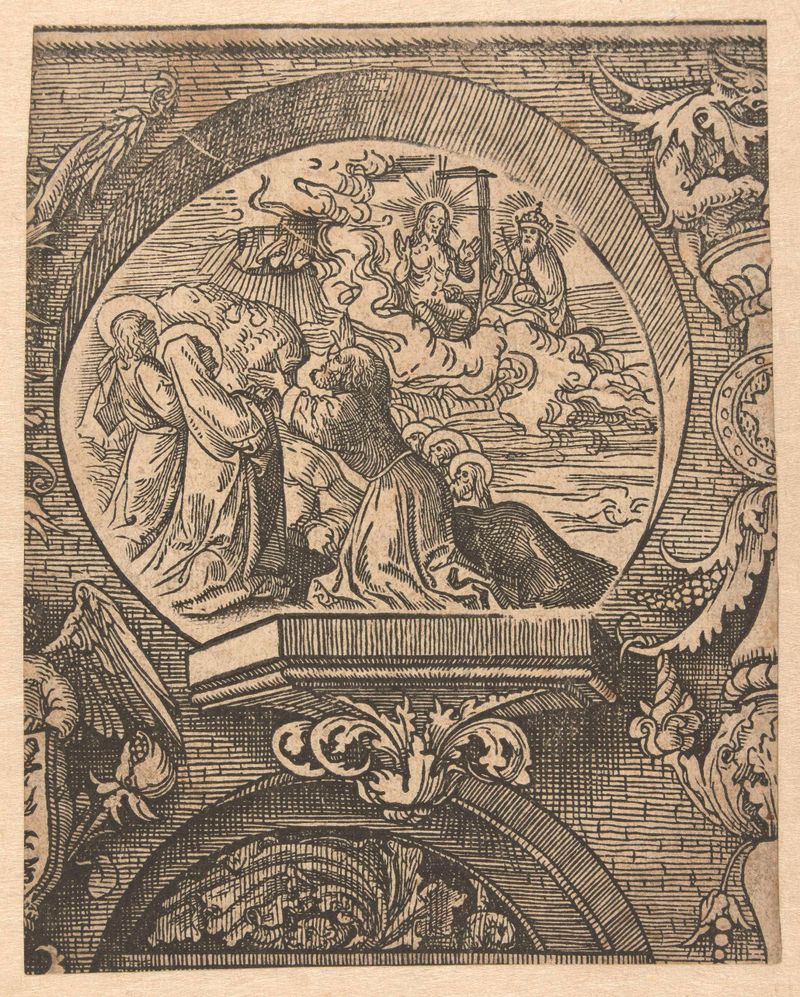
De hemelvaart en Christus voor God de Vader
Jacob Cornelisz van Oostsanen
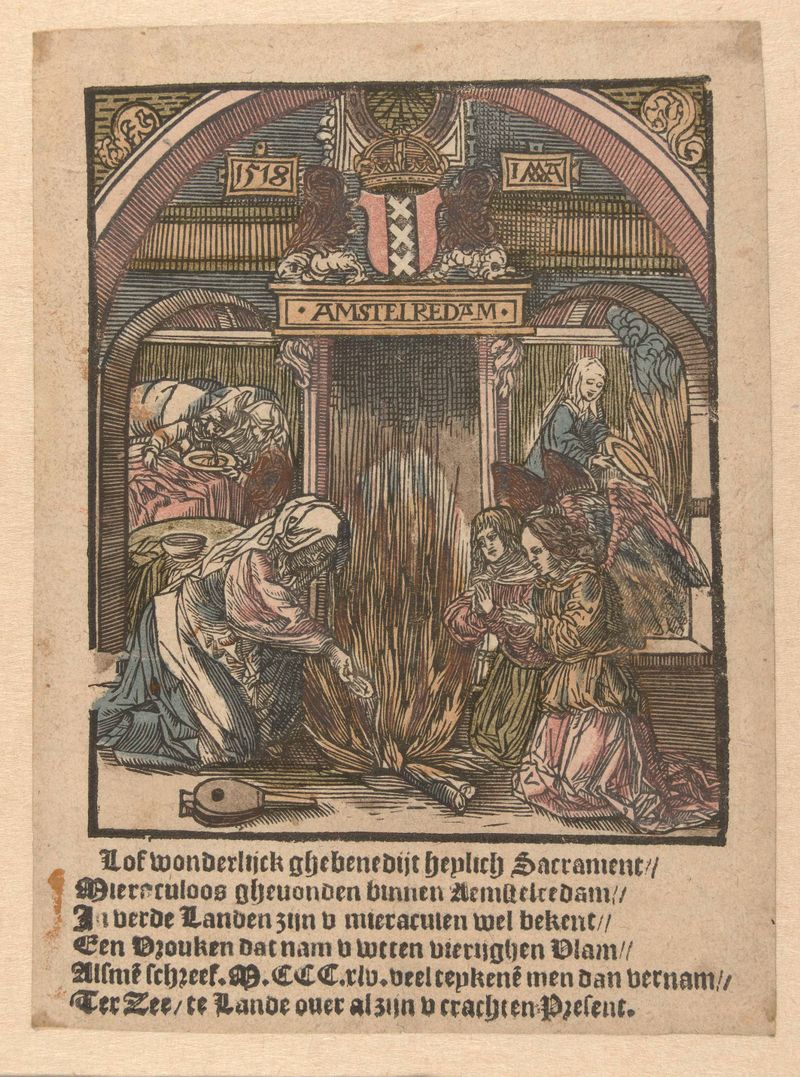
Het hostiewonder van Amsterdam
Jacob Cornelisz van Oostsanen
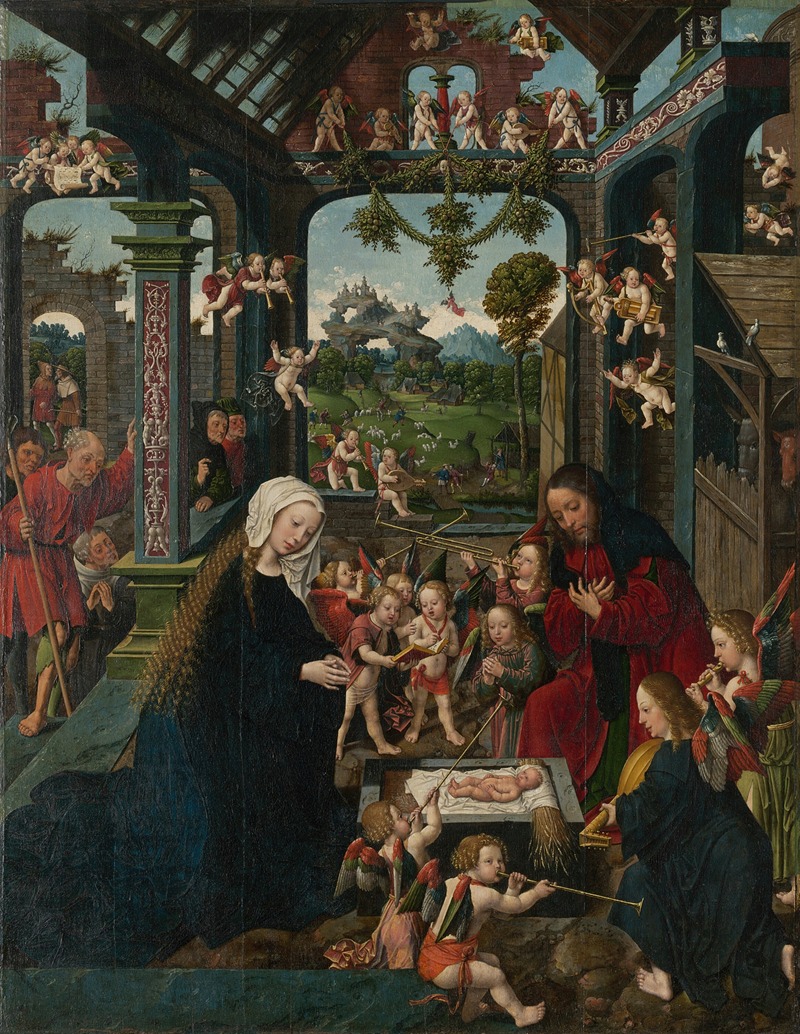
The Adoration of the Christ Child
Jacob Cornelisz van Oostsanen
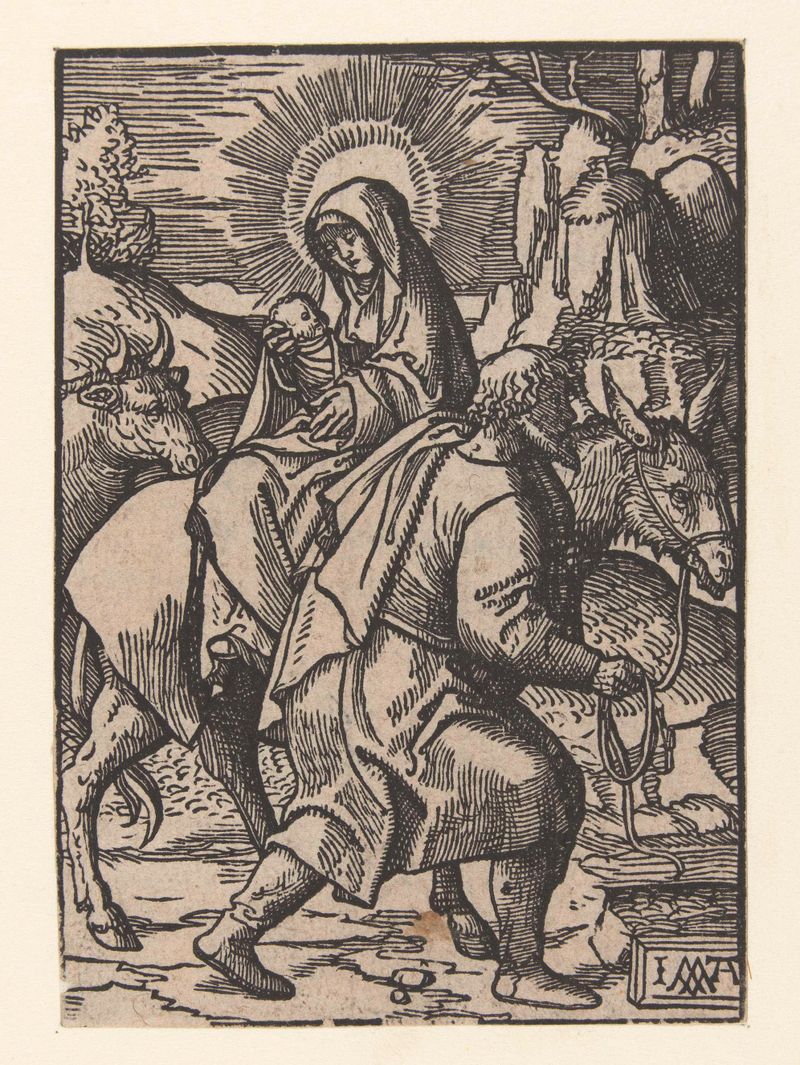
Vlucht naar Egypte
Jacob Cornelisz van Oostsanen
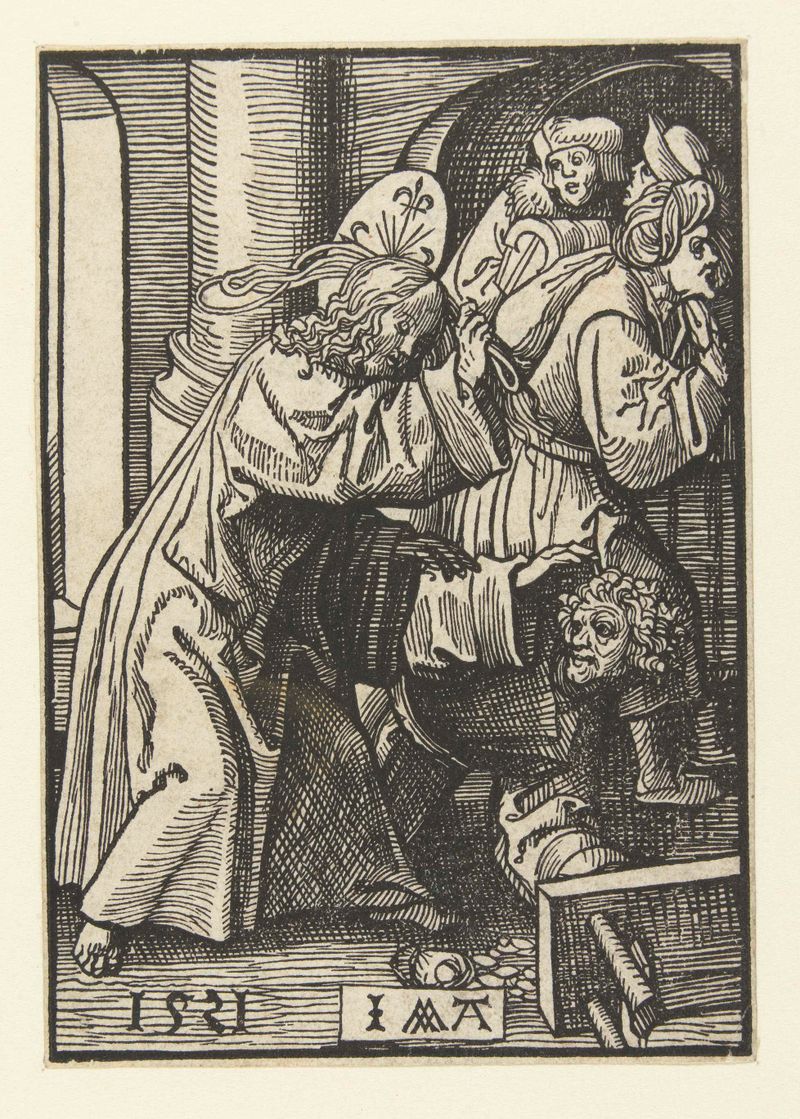
Verdrijving van de handelaren uit de tempel
Jacob Cornelisz van Oostsanen
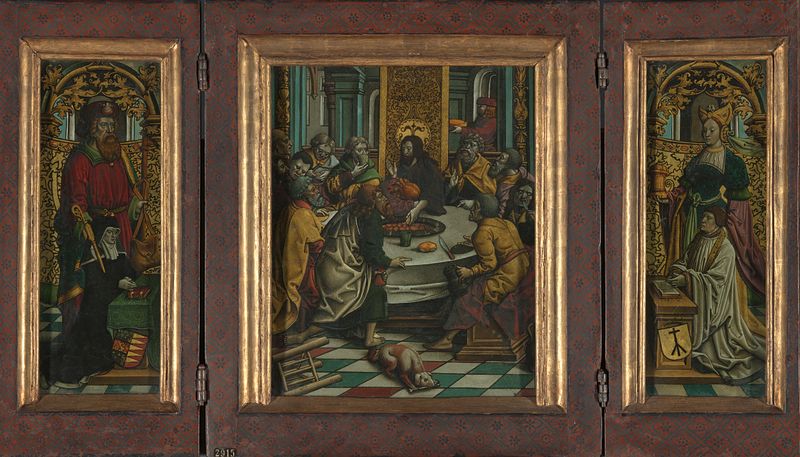
Triptych with the Last Supper and Donors
Jacob Cornelisz van Oostsanen
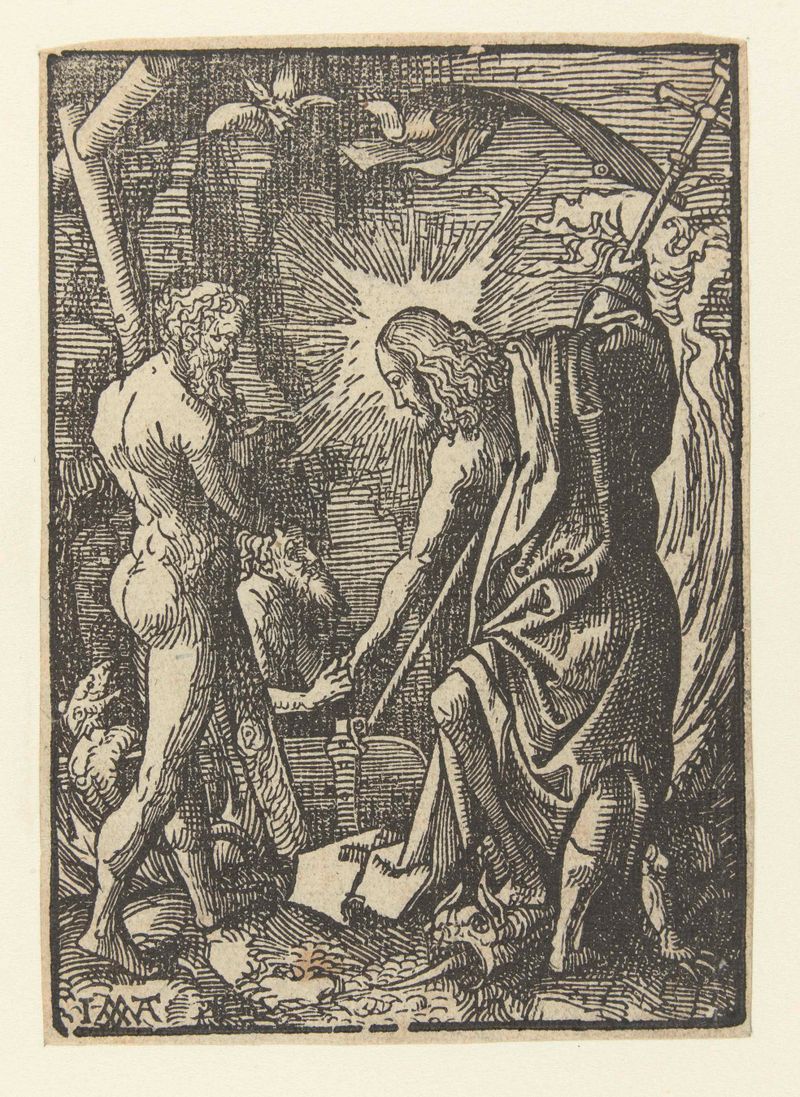
Christus in het voorgeborchte
Jacob Cornelisz van Oostsanen
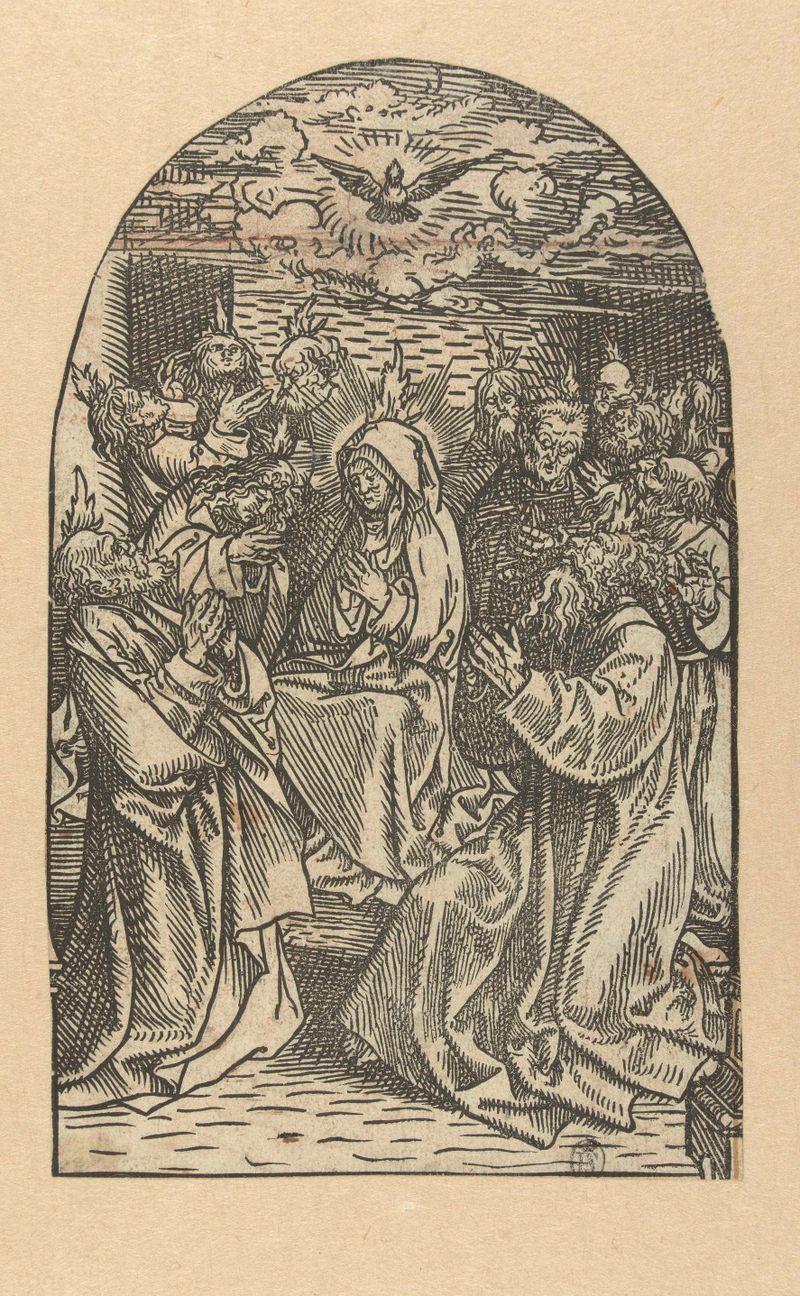
Uitstorting van de Heilige Geest
Jacob Cornelisz van Oostsanen
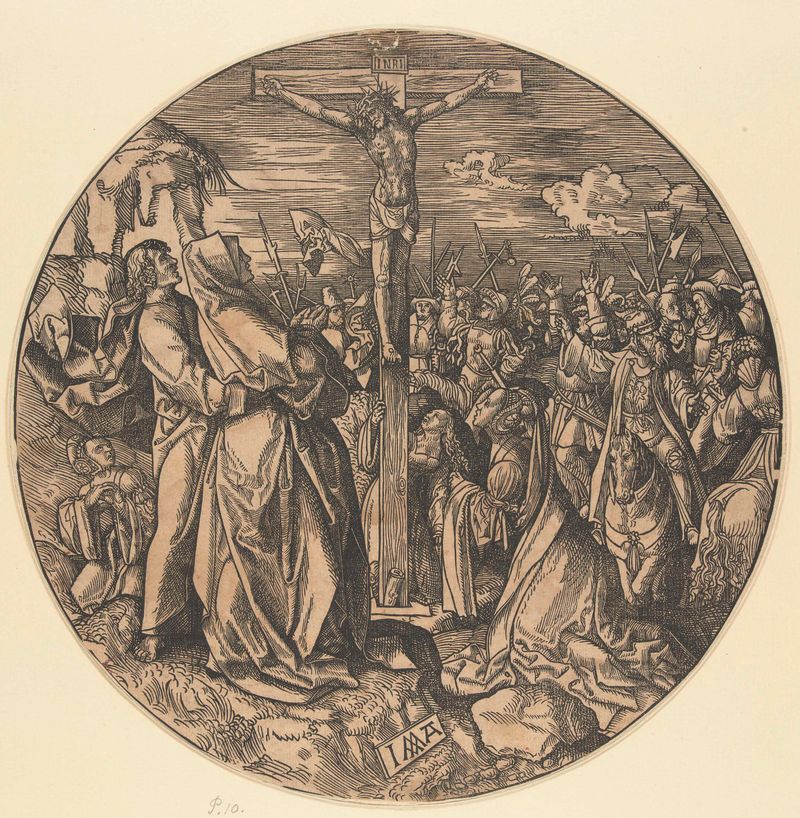
Christus aan het kruis
Jacob Cornelisz van Oostsanen

De kruisiging en de graflegging van Christus
Jacob Cornelisz van Oostsanen
More Historical Art
Browse all →
The Night Watch Militia Company of District II under the Command of Captain Frans Banninck Cocq
Rembrandt van Rijn

Lincoln Memorial
Henry Bacon

The Third of May 1808
Francisco de Goya

Isaac and Rebecca, Known as ‘The Jewish Bride’
Rembrandt van Rijn

The Charge of the Mamelukes (1814)
Francisco de Goya

De vier ruiters van de apocalyps
Albrecht Dürer