
Flying Kites — History & Facts
Who listens when art speaks of silence? In the gentle embrace of stillness, Flying Kites whispers truths that linger beyond words, inviting reflection on the essence of freedom and the fleeting nature of joy. Look to the left, where a boy's jubilant expression captures the pure elation of flight, his arms outstretched as if he could join the kites soaring overhead. Notice how the soft, pastel hues of the sky blend seamlessly with the vibrant colors of the kites, creating a visual symphony that dances across the canvas. The deliberate brushstrokes evoke a sense of movement and spontaneity, drawing the viewer's gaze upward, toward the promise of the limitless horizon. Beneath the surface, the painting speaks of contrasts: the innocence of childhood against the backdrop of a world marked by adult responsibilities.
The kites, symbols of unanchored dreams, flutter freely, representing aspirations that often drift away in the tides of life. As light filters through the scene, it highlights the delicate balance between aspiration and reality, prompting an exploration of what it means to hold onto our dreams amidst the silence of adulthood. In 1880, Carl Spitzweg painted this work during a time of personal exploration and burgeoning recognition within the art world. Living in Munich, he was deeply influenced by Romantic ideals, which emphasized individual experience and the beauty of everyday life.
At this moment, he was carving out his legacy, moving away from the constraints of academic painting and embracing a more intimate connection with his subjects, capturing fleeting moments that resonate across time.
More Artworks by Carl Spitzweg
Browse all →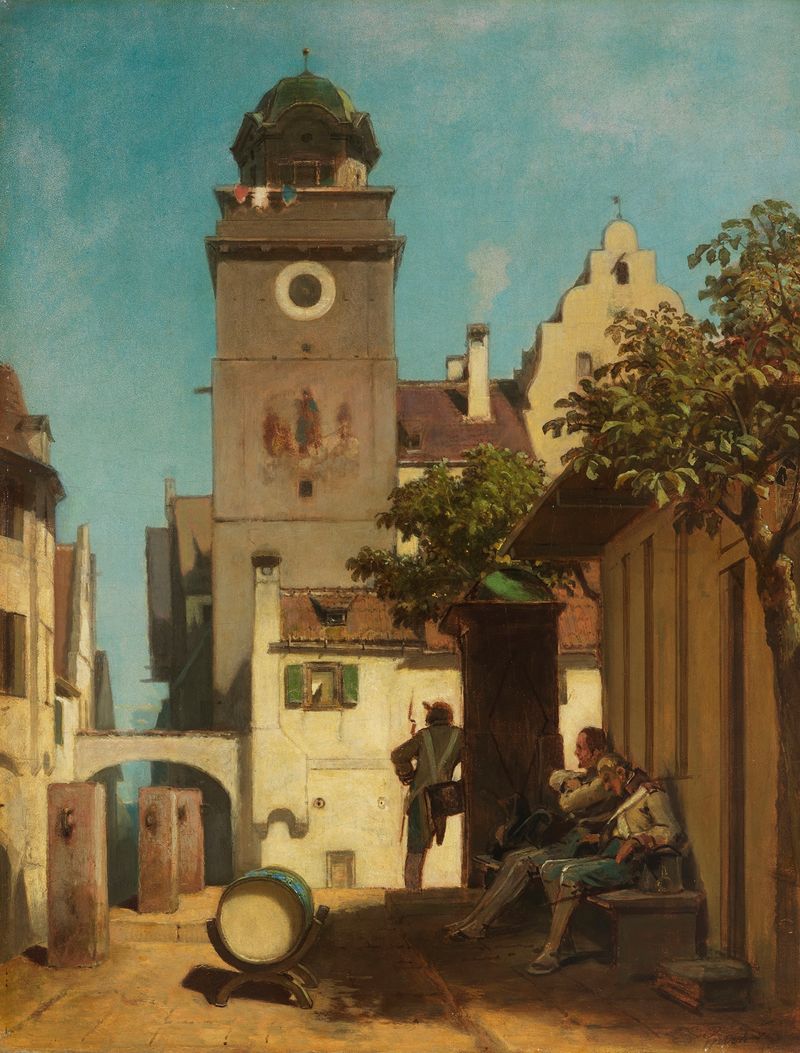
Die Stadtwache
Carl Spitzweg
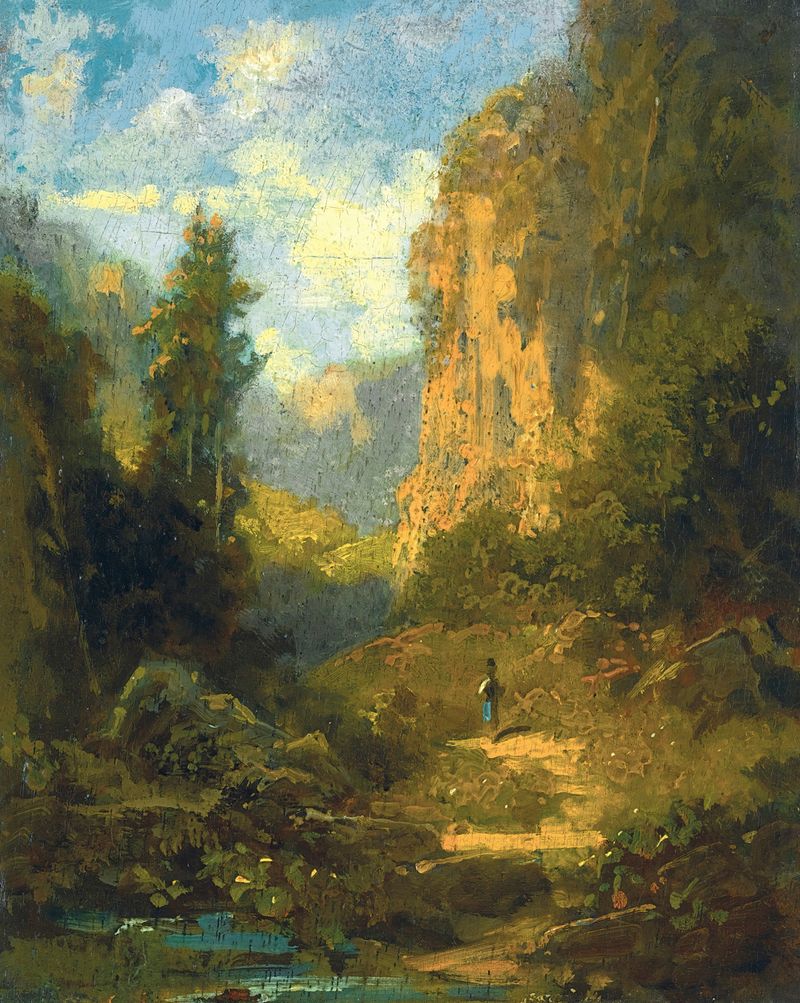
Gebirgslandschaft
Carl Spitzweg

In the Alpine High Valley (Landscape with Mt. Wendelstein)
Carl Spitzweg

Gebirgsmühle
Carl Spitzweg
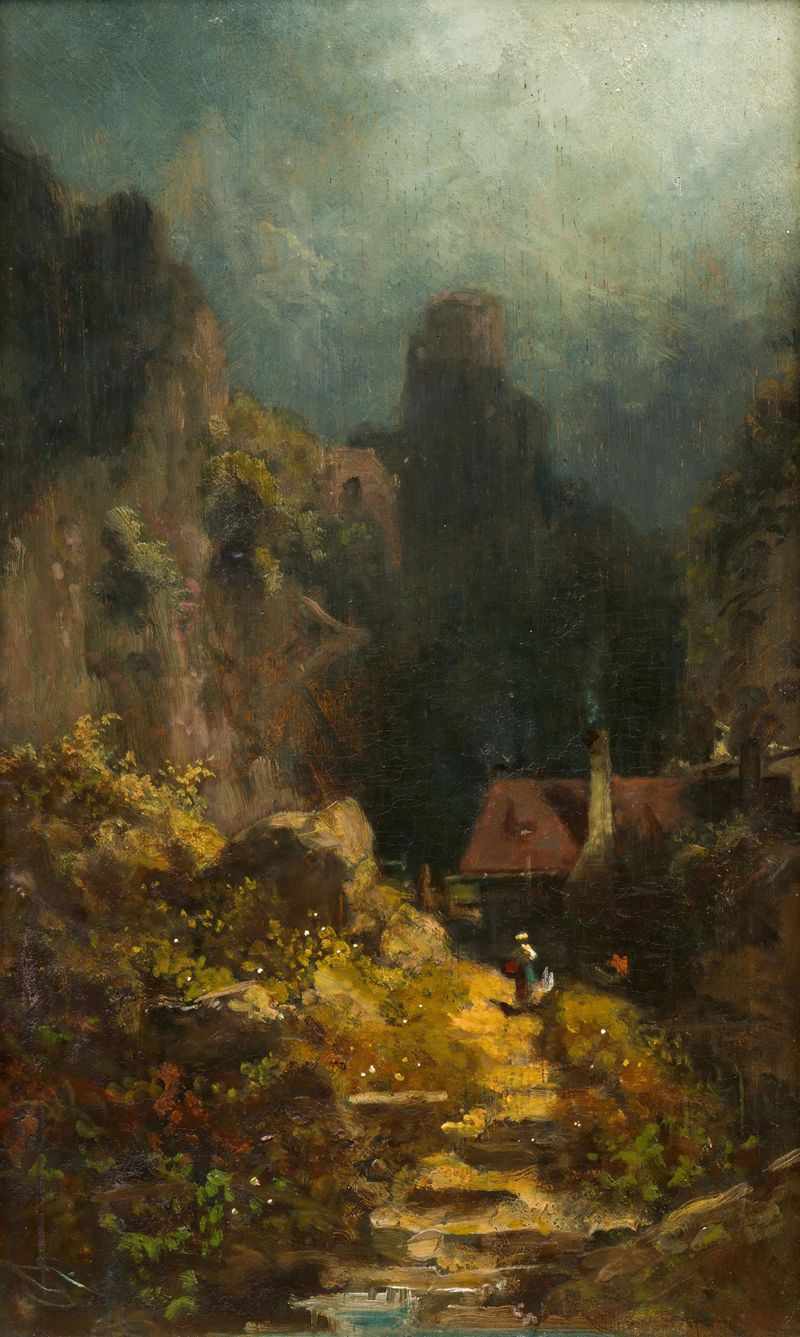
In der Schlucht
Carl Spitzweg
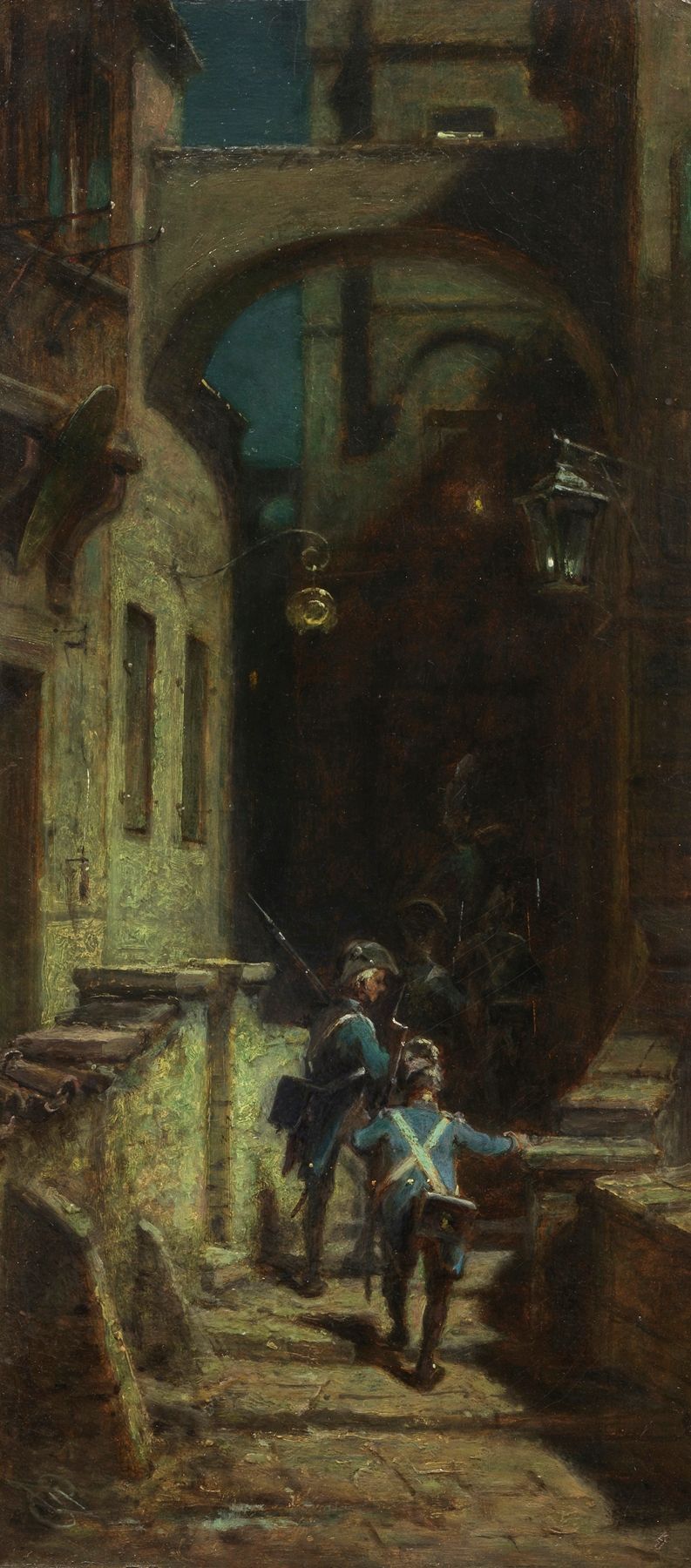
Die Scharwache
Carl Spitzweg

Einsiedler mit Mädchen
Carl Spitzweg

Lagernde Karrner (Rast der Streuner)
Carl Spitzweg
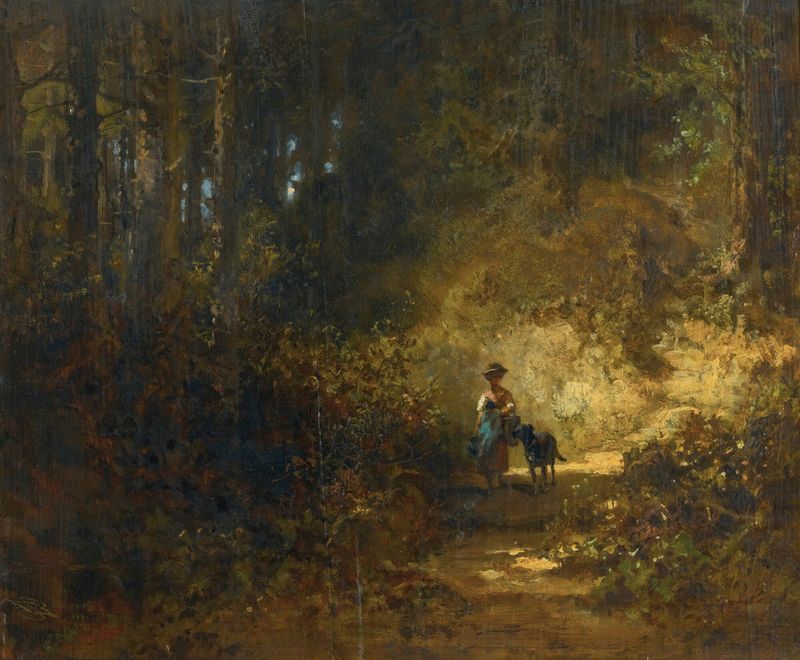
Im Walde
Carl Spitzweg
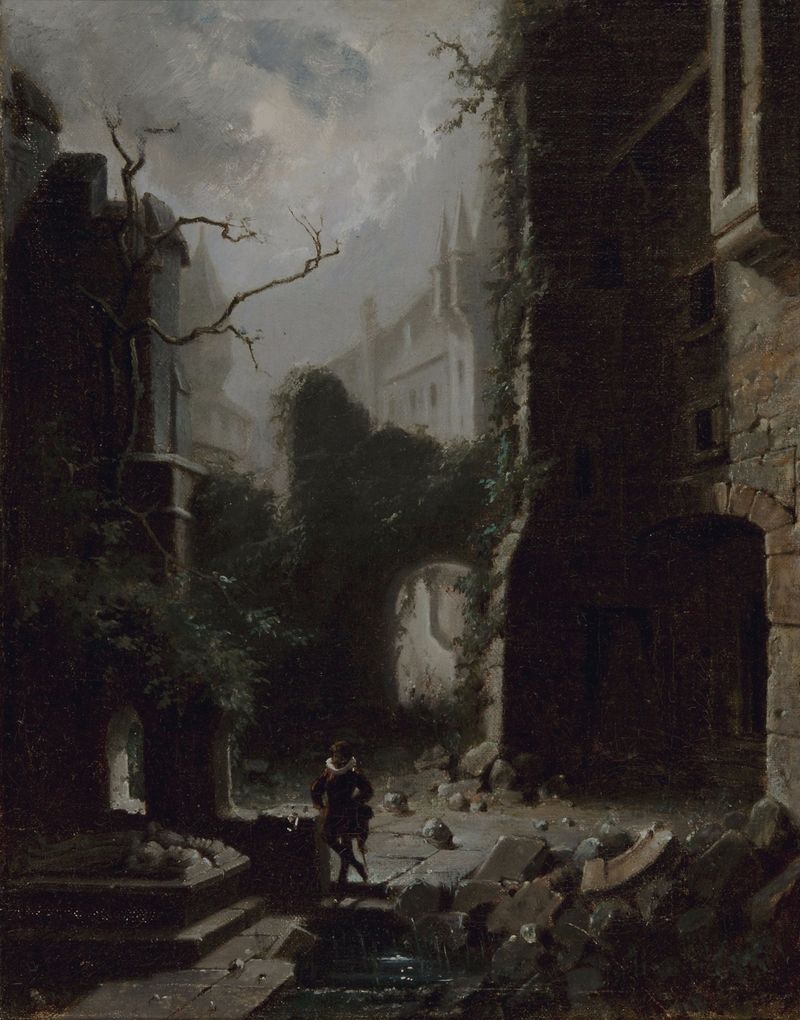
Moonlit Scene with Castle Ruins
Carl Spitzweg





